
Washers, Dryers & Laundry Racks
Laundry capacity only helps when the next stage can keep up.
Shop the collection
-
Mini Portable Washing Machine 4.6KG - White
Regular price $177.90 AUDRegular priceUnit price per$307.99 AUDSale price $177.90 AUDSale -
4x6Inch Produce Cleaner,Portable Fruit and Vegetable Washing Machine, Wireless Rechargeable Food Washer for Fruits, Veggies, Meat, Rice & Utensils,Pure Pod
Regular price $44.90 AUDRegular priceUnit price per -
Devanti Portable Washing Machine Twin Tub 7KG White
Regular price $247.90 AUDRegular priceUnit price per$332.99 AUDSale price $247.90 AUDSale -
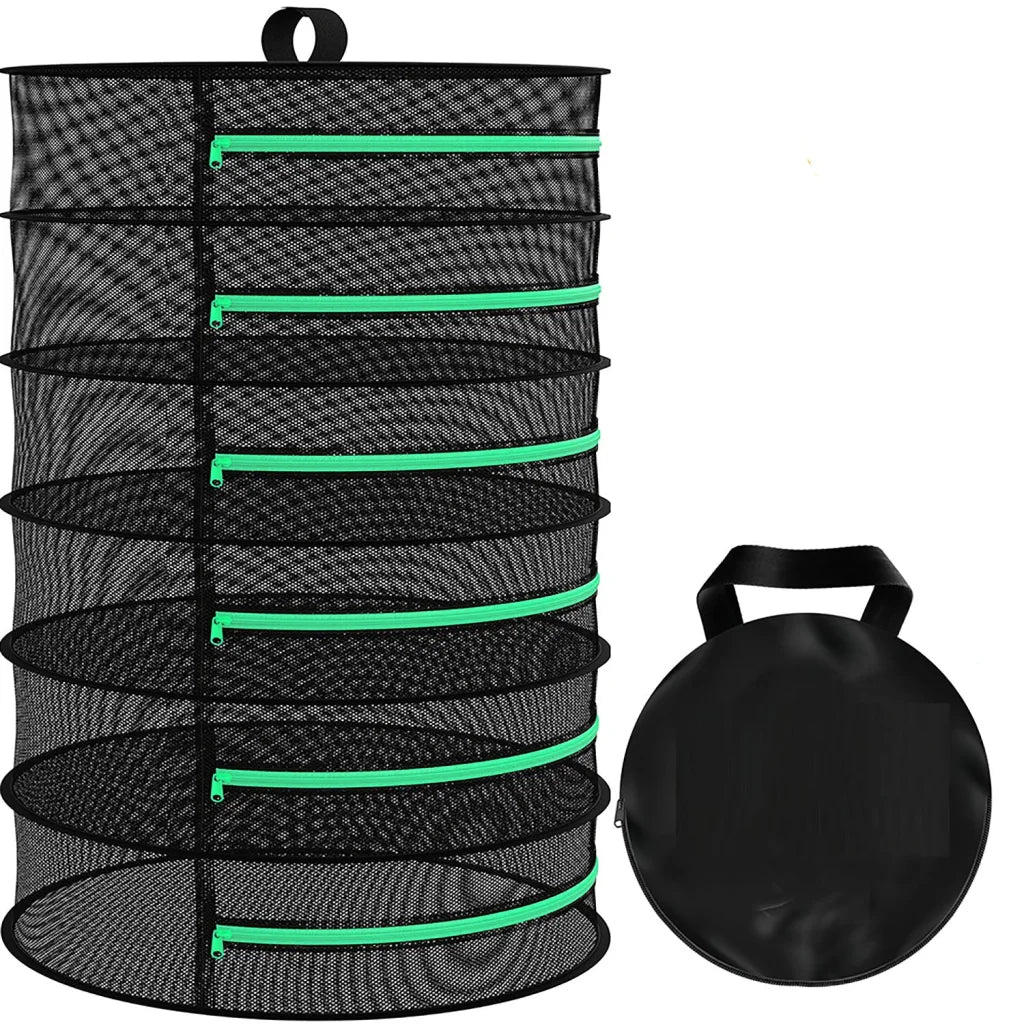
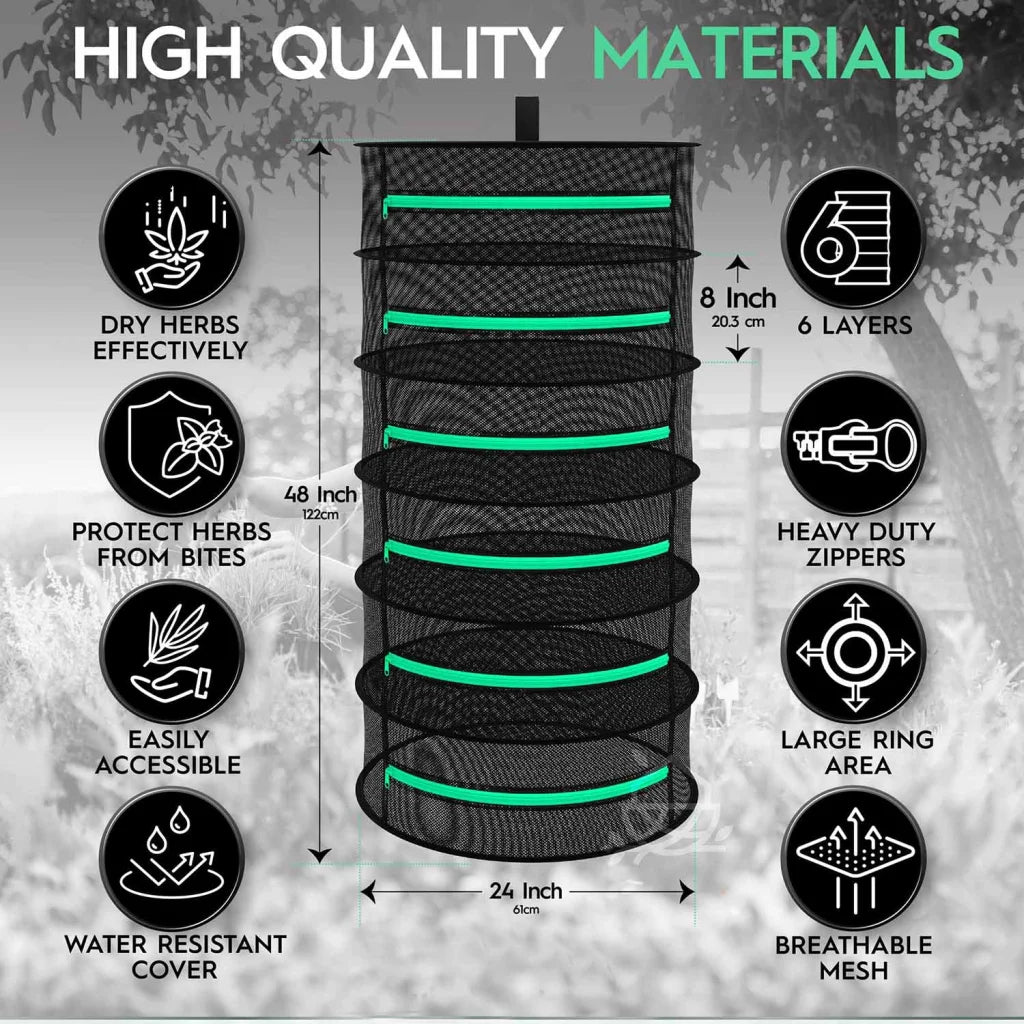
Drying Rack 6-Layer 120cm Foldable Herb Vegetable Fruit Mesh Hanging Dehydrator
Regular price $40.90 AUDRegular priceUnit price per$59.95 AUDSale price $40.90 AUDSale -
Mini Portable Washing Machine 4.6KG - Black
Regular price $119.90 AUDRegular priceUnit price per$172.99 AUDSale price $119.90 AUDSale -
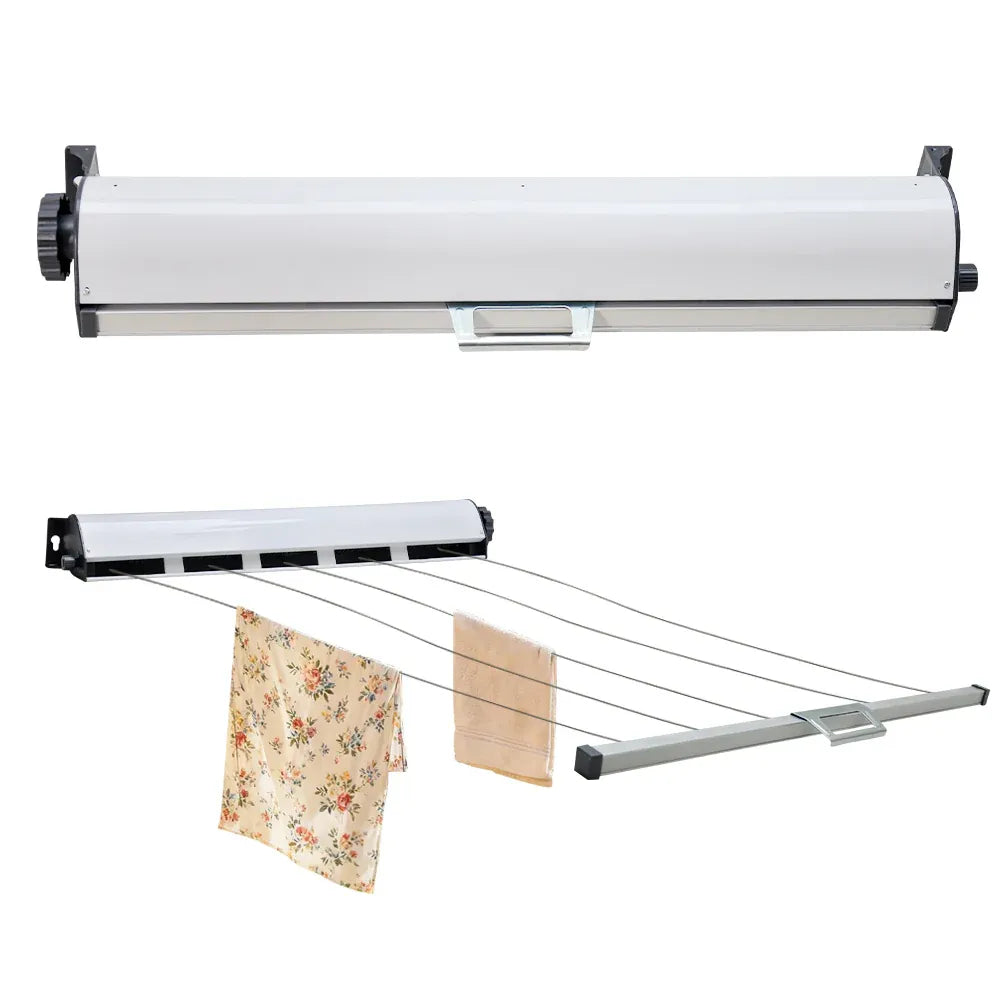
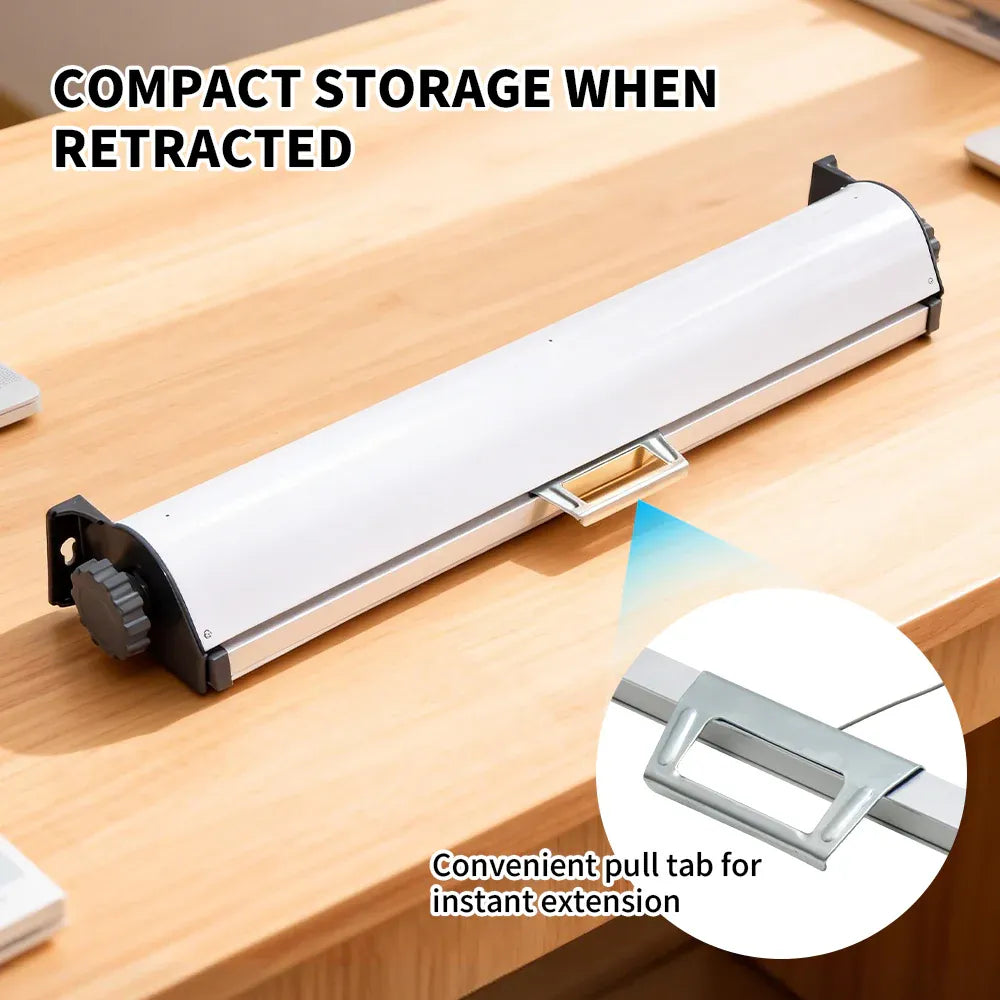
24m Folding Dryer for Laundry and Washing Wall Mounted 5 Arm Clothes Airer Space Saving Design
Regular price $61.90 AUDRegular priceUnit price per -
5m or 10m Wall-Mounted Suction Cup Clothesline Retractable Durable Sturdy Laundry - 5m
Regular price $33.90 AUDRegular priceUnit price per$40.14 AUDSale price $33.90 AUDSale -
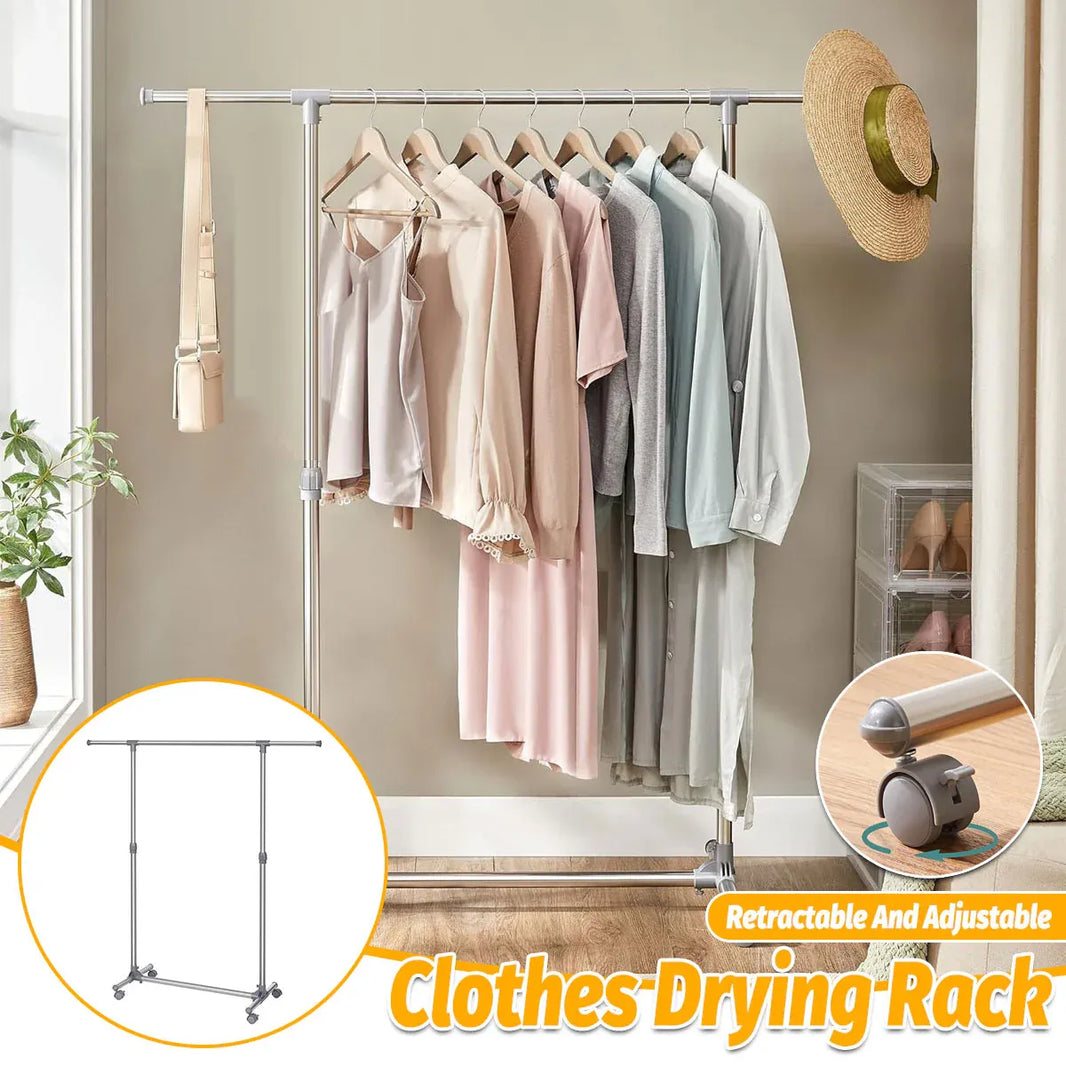
Floor Standing Clothes Drying Rack Simple Folding Laundry Hanger Airer Indoor
Regular price $77.90 AUDRegular priceUnit price per$93.03 AUDSale price $77.90 AUDSale -
Black Washing Machine 1/4 Turn Twin Taps Laundry Room Hot Cold Water Wall Set
Regular price $77.90 AUDRegular priceUnit price per$84.00 AUDSale price $77.90 AUDSale -
Bamboo 2-in-1 Laundry Hamper Side Table - with 2 Shelves & Clothes Basket
Regular price $128.90 AUDRegular priceUnit price per -
Pieces Filtres for Seche Linge Compatible with Miele T1 Filter of Base in Foam 9164761 Filter Eponge of Spare a Pump a Hea, 207 X 157 X 30 mm, 30 mm
Regular price $35.90 AUDRegular priceUnit price per$45.93 AUDSale price $35.90 AUDSale -
Heavy Duty Clothes Rack 3 Tiers MDF & Metal Iron Rail
Regular price $184.90 AUDRegular priceUnit price per$223.00 AUDSale price $184.90 AUDSale -
Portable Blanket Warmer,500W Mini Dryer Travel Clothes Dryer Machine,Comfortable Warm Air on The Bed,for Apartments, Suitable for Quilt, Underwear, Panties,Pet
Regular price $81.90 AUDRegular priceUnit price per$99.99 AUDSale price $81.90 AUDSale -
5 Line Retractable Clothesline 10m Heavy Duty Wall-Mounted Iron Clothes Dryer Outdoor Indoor Drying Rack Rope Hanger for Wet Dry Clothing Bathroom
Regular price $119.90 AUDRegular priceUnit price per$155.00 AUDSale price $119.90 AUDSale -
2-Tier Foldable Clothes Drying Rack with Sock Clips & 31 Drying Rods White
Regular price $99.90 AUDRegular priceUnit price per$91.90 AUDSale price $99.90 AUD -
30pcs Multi Functional Stainless Steel Clothes Drying Clips Windproof Clips
Regular price $15.90 AUDRegular priceUnit price per$19.06 AUDSale price $15.90 AUDSale -
2Pcs Portable Shoe Washing Bag
Regular price $29.90 AUDRegular priceUnit price per$59.95 AUDSale price $29.90 AUDSale -
Draining Pad Cover Mat Water Absorbing Pad Washing Machine Top Dust Protection - Grey
Regular price $13.90 AUDRegular priceUnit price per$16.25 AUDSale price $13.90 AUDSale -
4x Washing Machine Support Pads Anti Vibration Leg Stopper Foot Pad Feet Pads - Small
Regular price $11.90 AUDRegular priceUnit price per$14.27 AUDSale price $11.90 AUDSale -
Durable Metal Corner Clothes Rack Strong Stone Base Entryway Garment Stand W Rod
Regular price $141.90 AUDRegular priceUnit price per$134.99 AUDSale price $141.90 AUD -
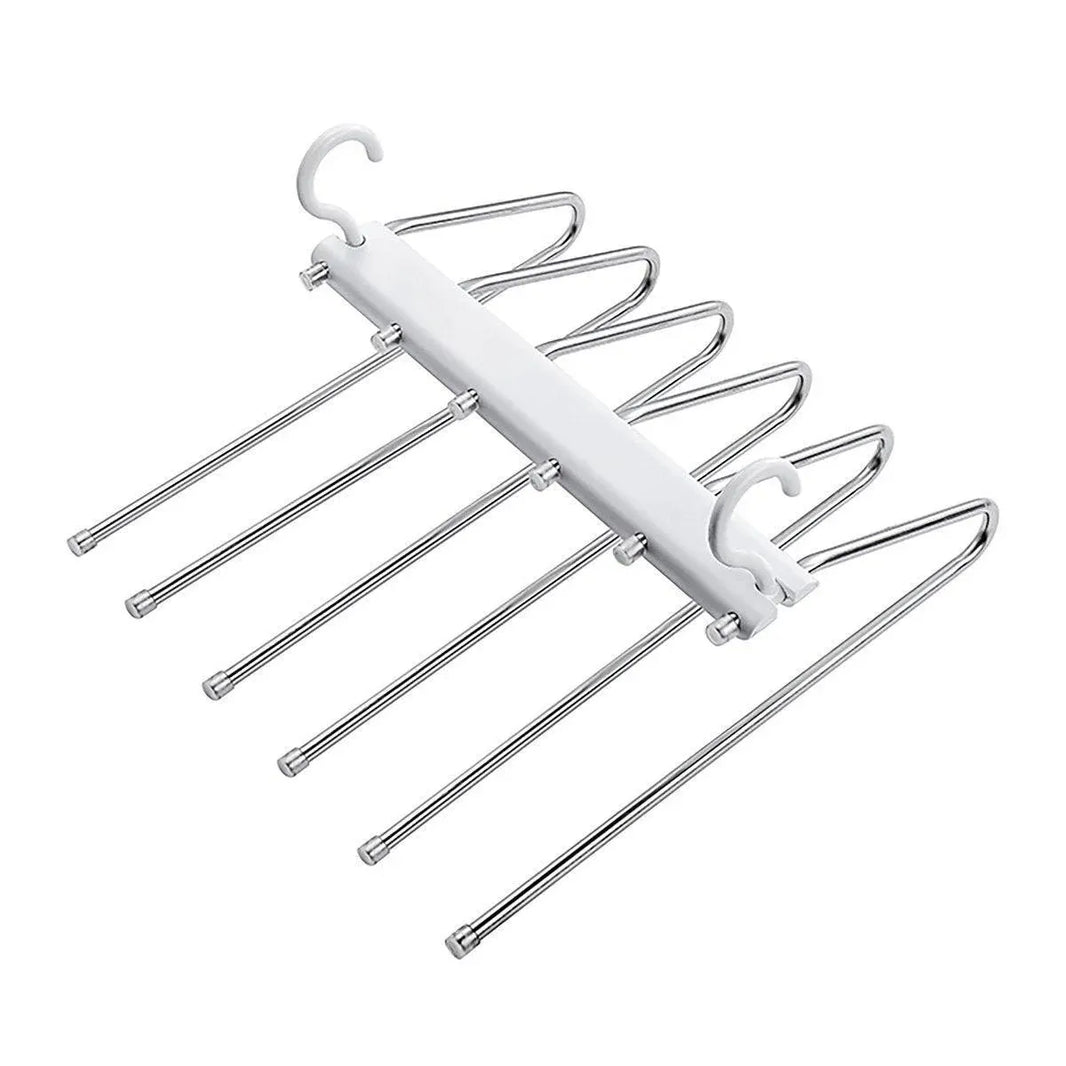
Stainless Steel Multi-Layer Pants Rack Folding Telescopic Anti-Slip Clothes Rack - White
Regular price $25.90 AUDRegular priceUnit price per$31.18 AUDSale price $25.90 AUDSale -
5m or 10m Wall-Mounted Suction Cup Clothesline Retractable Durable Sturdy Laundry - 10m
Regular price $34.90 AUDRegular priceUnit price per$41.37 AUDSale price $34.90 AUDSale -
Wall Mount Foldable Clothes Drying Rack Sturdy Material Space Saving Balck/White - Black
Regular price $71.90 AUDRegular priceUnit price per$86.48 AUDSale price $71.90 AUDSale -
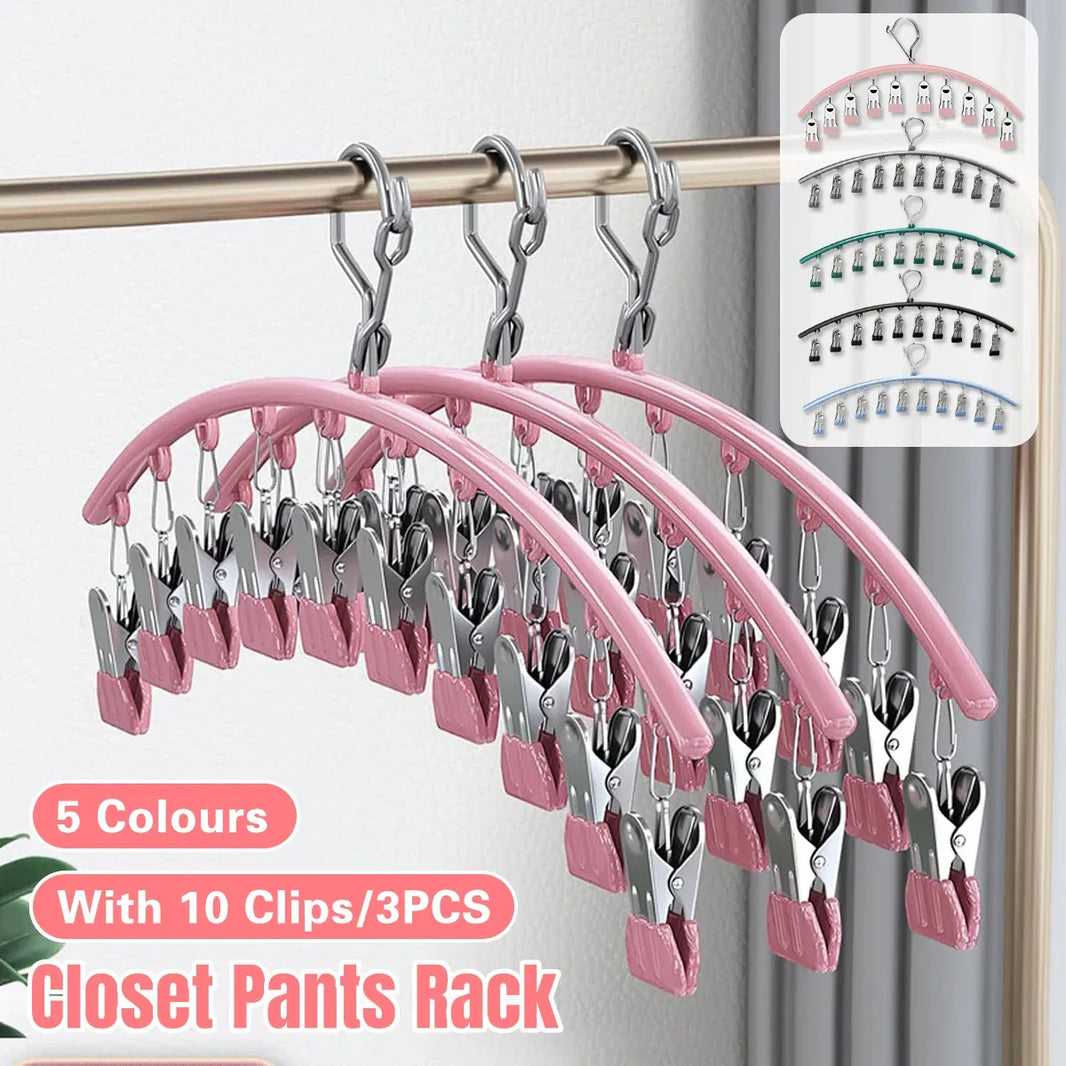
3PCS Windproof Clothes Drying Rack Balcony Hanger Pantyhose Underwear Clips - Grey
Regular price $15.90 AUDRegular priceUnit price per$18.20 AUDSale price $15.90 AUDSale










Related reading

Laundry capacity only helps when the next stage can keep up. A portable washer, spin tub and drying rack each handle a different part of the job. Start with the size of your usual load and the space available for wet clothing, then decide which appliance or drying arrangement removes the most work.
Compare wash and spin capacities separately
A twin-tub machine can have a smaller spin capacity than wash capacity, so one wash load may need more than one spin batch. One 4.6 kg twin-tub model specifies a 3 kg spin capacity, while another 4.6 kg design lists 2 kg. Compare the exact model rather than treating the wash capacity as its spin capacity. Spin-drying extracts water; it does not perform the heated drying cycle of a tumble dryer.
Plan filling, draining and lid access
A portable washer still needs suitable water, power and a safe drainage arrangement. A gravity-drain design may need a particular height and hose route. Consider where the unit sits when full, how its lid opens and where wet clothes will be moved. A compact footprint measured with the lid shut can underestimate the working space.
Make drying space match the load
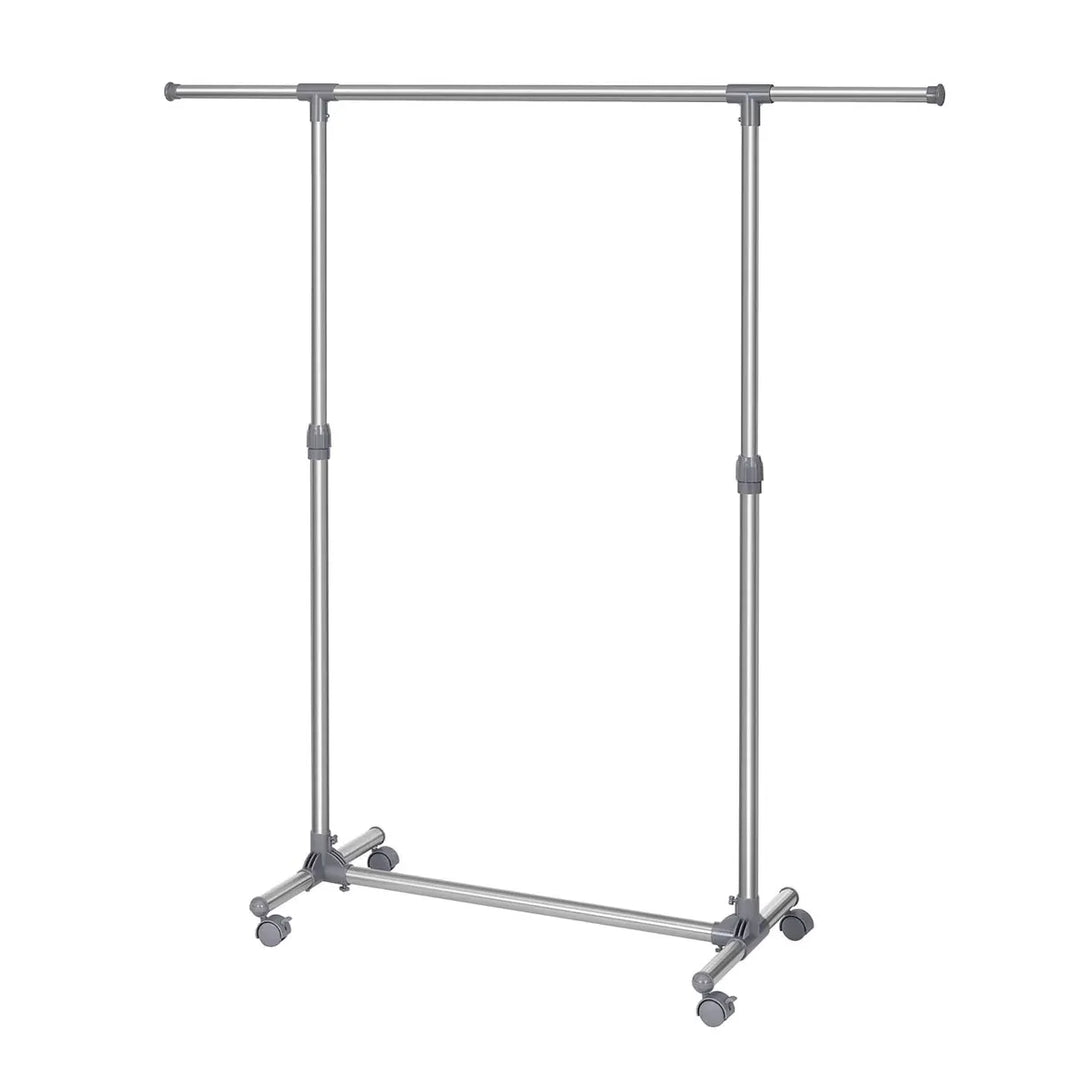
Choose a rack by usable hanging length and garment drop as well as its open dimensions. Long items need clearance beneath them; closely packed clothes leave less space for air movement. For a powered dryer, compare capacity and the energy-consumption figure on an applicable label. A hamper holds laundry between stages; it does not add washing or drying capacity.
Further reading: Energy Rating guide to clothes dryers
Useful answers
Washers, Dryers & Laundry Racks — your questions
Why are wash capacity and spin capacity different on a twin-tub washer?
The wash and spin tubs can be different sizes. A full wash load may therefore need two or more transfers through the spin tub rather than one cycle. Compare both capacities for the exact machine and leave a place for wet laundry while batches wait. The wash rating alone does not describe that workflow.
Can a portable washing machine work anywhere there is a power point?
It also needs the water-filling and drainage arrangement specified for that model. A gravity-drain design depends on hose route and height, while another model may use a pump. Plan the filled machine’s stable position, lid clearance and route for waste water before deciding it can move between rooms.
How do I match a clothes rack to a washer load?
Think in garments as well as kilograms. Towels, long trousers and shirts on hangers occupy different rail lengths and drops. Allow spacing for air to circulate rather than overlapping the whole wash. A rack’s open width and the usable hanging length tell you more about that fit than its folded size.