
Sideboards & Buffets
A sideboard can keep dinnerware near the table, organise a hallway or display a few favourite objects.
Shop the collection
-
Buffet Sideboard Cabinet LED High Gloss Storage Cupboard 2 Doors White
Regular price $140.90 AUDRegular priceUnit price per$249.99 AUDSale price $140.90 AUDSale -
Buffet Sideboard Kitchen Cupboard Storage Cabinet Pantry Wardrobe Shelf
Regular price $190.90 AUDRegular priceUnit price per$316.99 AUDSale price $190.90 AUDSale -
Buffet Sideboard Cabinet with Storage Shelf Cupboard Hallway Table - White Doors
Regular price $84.90 AUDRegular priceUnit price per$139.99 AUDSale price $84.90 AUDSale -
Artiss Buffet Sideboard Cupboard Cabinet Pantry Organiser Adjustable Shelves
Regular price $236.90 AUDRegular priceUnit price per$382.99 AUDSale price $236.90 AUDSale -
Buffet Sideboard Cabinet Storage Cupboard Doors White Kitchen Hallway
Regular price $110.90 AUDRegular priceUnit price per$232.99 AUDSale price $110.90 AUDSale -
Buffet Sideboard Cabinet Kitchen Bathroom Storage Cupboard Hallway White Shelf
Regular price $74.90 AUDRegular priceUnit price per$182.99 AUDSale price $74.90 AUDSale -
Buffet Sideboard Cabinet Storage Rattan Hallway Table Kitchen Cupboard
Regular price $114.90 AUDRegular priceUnit price per$176.99 AUDSale price $114.90 AUDSale -
Artiss Buffet Sideboard Cabinet Storage Kitchen Cupboard Drawers Round Edge Oak
Regular price $216.90 AUDRegular priceUnit price per$432.99 AUDSale price $216.90 AUDSale -
Artiss 2x Buffet Sideboard Cabinet Pantry Hutch Kitchen Storage Organiser White
Regular price $429.90 AUDRegular priceUnit price per$899.99 AUDSale price $429.90 AUDSale -
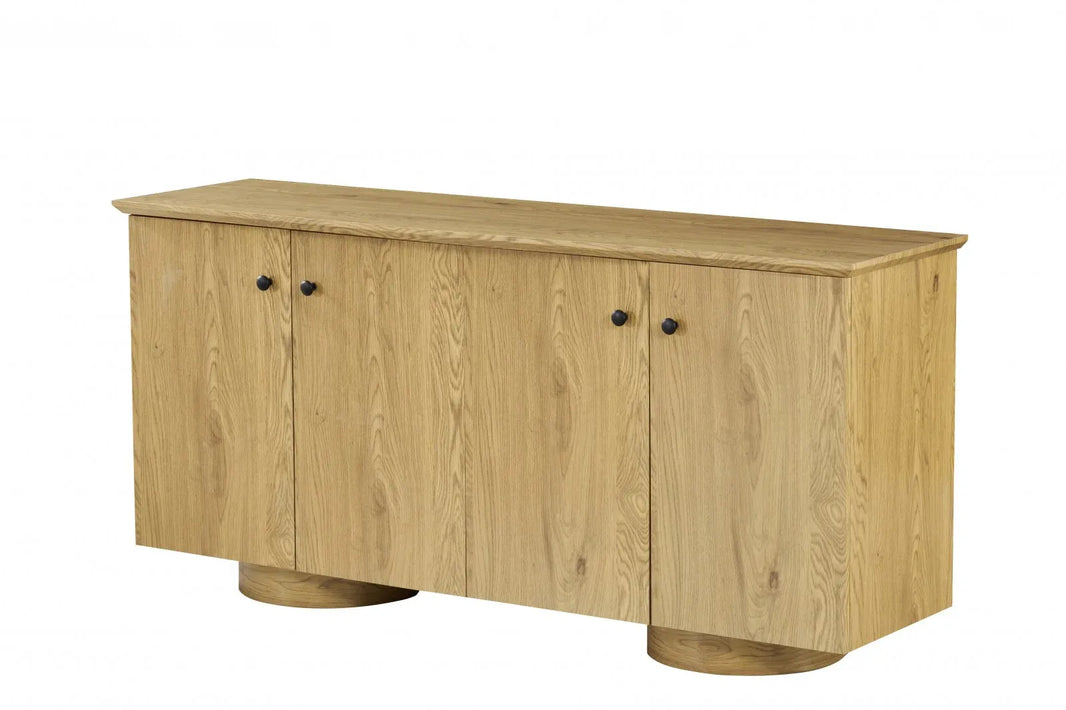
Buffet Sideboard Cabinet Storage 4 Doors Cupboard Hall Wood Hallway Table
Regular price $187.90 AUDRegular priceUnit price per$332.99 AUDSale price $187.90 AUDSale -
Buffet Sideboard Metal Cabinet - BASE Yellow
Regular price $157.90 AUDRegular priceUnit price per$249.99 AUDSale price $157.90 AUDSale -
Buffet Sideboard, Walnut – Levede
Regular price $209.70 AUDRegular priceUnit price per$691.70 AUDSale price $209.70 AUDSale -
Buffet Sideboard, 138 × 35 × 74 cm, White – Levede
Regular price $277.70 AUDRegular priceUnit price per$853.70 AUDSale price $277.70 AUDSale -
Bar Cabinet, 140 × 34 × 76 cm, Oak & Black – Levede
Regular price $217.70 AUDRegular priceUnit price per$646.70 AUDSale price $217.70 AUDSale -
Levede Buffet Sideboard Storage Cabinet, White
Regular price $166.70 AUDRegular priceUnit price per$497.70 AUDSale price $166.70 AUDSale -
Buffet Sideboard, Grey – Levede
Regular price $150.70 AUDRegular priceUnit price per$497.70 AUDSale price $150.70 AUDSale -
Bar Cabinet, 120 × 34 × 76 cm, Oak & Black – Levede
Regular price $176.70 AUDRegular priceUnit price per$544.70 AUDSale price $176.70 AUDSale -
Buffet Sideboard, White & Gold – Levede
Regular price $306.70 AUDRegular priceUnit price per$955.70 AUDSale price $306.70 AUDSale -
Buffet Sideboard Cupboard Cabinet Storage Mesh Doors Metal - Green ELIA
Regular price $269.90 AUDRegular priceUnit price per$382.99 AUDSale price $269.90 AUDSale -
Buffet Sideboard Metal Cabinet - SWEETHEART Charcoal
Regular price $160.90 AUDRegular priceUnit price per$266.99 AUDSale price $160.90 AUDSale -
Buffet Sideboard Metal Cabinet - SWEETHEART Green
Regular price $157.90 AUDRegular priceUnit price per$282.99 AUDSale price $157.90 AUDSale -

 Sale
Olive Sideboard
Regular price $1,337.90 AUDRegular priceUnit price per$1,729.43 AUDSale price $1,337.90 AUDSale -
Buffet Ceramic Table Top MDF Cabinet Storage Stainless Steel In White
Regular price $1,162.90 AUDRegular priceUnit price per$1,703.47 AUDSale price $1,162.90 AUDSale -
Buffet Sideboard Colour Ceramic Top MDF in Glossy White Gold Colour
Regular price $1,059.90 AUDRegular priceUnit price per$1,553.45 AUDSale price $1,059.90 AUDSale


Related reading


A sideboard can keep dinnerware near the table, organise a hallway or display a few favourite objects. Its usefulness depends on the split between drawers, shelves and open sections. Choose the cabinet around the items it will hold, then allow its doors to open without competing with occupied dining chairs.
Measure the items going inside
Large platters need more shelf width than stacks of plates, and bottles need a different height from folded table linen. Compare usable compartments and shelf adjustment rather than total cabinet volume. Drawers help separate cutlery and smaller accessories that would disappear at the back of a deep shelf.
Plan the doors beside the dining area
A buffet along a dining wall needs opening space in addition to the route behind chairs. Handleless doors still need room to swing. Tall cupboard-style models and low sideboards appear in this range, so compare their actual height and the reach required for the upper storage.
Give display and powered features a purpose
An open illuminated shelf can highlight a few objects but also leaves its contents visible. Plan a power route if lighting is included, and avoid filling the display surface simply because it is available. Follow anchoring instructions appropriate to the cabinet and wall before use.
Further reading: ACCC guide to preventing furniture tip-overs
Useful answers
Sideboards & Buffets questions, answered
Is there a practical difference between a sideboard and a buffet?
The names often overlap. Compare the actual arrangement instead: a low cabinet can provide a serving surface, while a taller cupboard offers a different reach and storage layout. Drawers suit cutlery and linen; wider shelves accommodate dinnerware. Choose those functions before relying on the name.
How do I know whether a buffet will hold my serving platters?
Measure the largest platter, including its handles, then compare it with the usable shelf and door opening. A central divider or hinge can prevent an item from passing through even if the cabinet is wide enough overall. Adjustable shelves help only when the opening and internal width also suit the item.
Where should a sideboard go in a dining room?
Try a position near the table where its doors can open without meeting occupied chairs. Keep the route between the kitchen and dining places usable. If the cabinet includes lighting, plan access to power before positioning it, and follow its anchoring instructions before loading the shelves.