
Cat Toys & Interactive Play
A moving wand, a rolling ball and a food activity encourage different kinds of engagement.
Shop the collection
-
Catnip Ball Cat Chew Toy Cute Flower Pot Shaped Interactive Play Teeth Cleaning - Pink
Regular price $14.90 AUDRegular priceUnit price per$17.42 AUDSale price $14.90 AUDSale -
Catnip Ball Cat Chew Toy Cute Flower Pot Shaped Interactive Play Teeth Cleaning - Yellow
Regular price $14.90 AUDRegular priceUnit price per$17.42 AUDSale price $14.90 AUDSale -
i.Pet Cat Exercise Wheel Treadmill Indoor 78cm Blue & Green
Regular price $93.90 AUDRegular priceUnit price per$166.99 AUDSale price $93.90 AUDSale -
Cat Exercise Wheel Large Cat Treadmill Wheel for Indoor Cats 29.5 inch
Regular price $109.90 AUDRegular priceUnit price per$101.90 AUDSale price $109.90 AUD -
Cat Exercise Wheel Toy Furniture Running Treadmill Exerciser Scratcher Board
Regular price $123.90 AUDRegular priceUnit price per$152.71 AUDSale price $123.90 AUDSale -
Wooden Cat Exercise Wheel, 43.3" Large Cat Treadmill Wheel for Indoor Cats, Cat Running Wheel with Detachable Carpet & Cat Teaser for Running/Walking/Training, Suitable for Most Cats
Regular price $174.90 AUDRegular priceUnit price per$161.90 AUDSale price $174.90 AUD -
Cat Interactive Toy Food Dispenser Hide And Seek Puzzle Pet Toy Training Fun
Regular price $12.90 AUDRegular priceUnit price per$15.77 AUDSale price $12.90 AUDSale -
Cat Exercise Wheel, Large Cat Treadmill Wheel for Indoor Cats, 35.8 inch Cat Running Wheel with Detachable Carpet and Cat Teaser for Running/Walking/Training, Suitable for Most Cats
Regular price $153.90 AUDRegular priceUnit price per$141.90 AUDSale price $153.90 AUD -
Cat Puzzle Feeder Toy Turntable Leaky Food Dispenser for Snacks Freeze Treats
Regular price $52.90 AUDRegular priceUnit price per$64.92 AUDSale price $52.90 AUDSale -
Circus Themed Cat Teaser Stick Interactive Teaser Pole Toy for Cats and Kittens - Ballet Bear
Regular price $13.90 AUDRegular priceUnit price per$16.13 AUDSale price $13.90 AUDSale -
Cat Lick Toys Slow Food Tray Tease Interactive Cat Toy for Eating and Fun - Green
Regular price $13.90 AUDRegular priceUnit price per$16.63 AUDSale price $13.90 AUDSale -
Insect Cat Teaser Wand 49cm Long Stick Toy with Bell for Interactive Play - Blue
Regular price $16.90 AUDRegular priceUnit price per$19.68 AUDSale price $16.90 AUDSale -
2Pcs Rotatable Catnip Mint Ball Cat Treat Toys Snack Licking Kitten Pet Molar Au
Regular price $8.90 AUDRegular priceUnit price per -
Felt Cat Nest Foldable Deformable Cat Tunnel Semi Enclosed Cat House Pet Bed
Regular price $36.90 AUDRegular priceUnit price per$43.75 AUDSale price $36.90 AUDSale -
Cat Toys Set 7PCS Interactive Kitten Toys Durable for Indoor Cats Kittens Use
Regular price $38.90 AUDRegular priceUnit price per$46.52 AUDSale price $38.90 AUDSale -
Cat Toy Catnip Ball Lick Solid Nutrition Help Digestion Wall Mount Hair Remover - White
Regular price $25.90 AUDRegular priceUnit price per$32.05 AUDSale price $25.90 AUDSale -
Interactive Cat Track Ball Toy with Window Suction Cup for Indoor Play and Exercise
Regular price $26.90 AUDRegular priceUnit price per$32.30 AUDSale price $26.90 AUDSale -
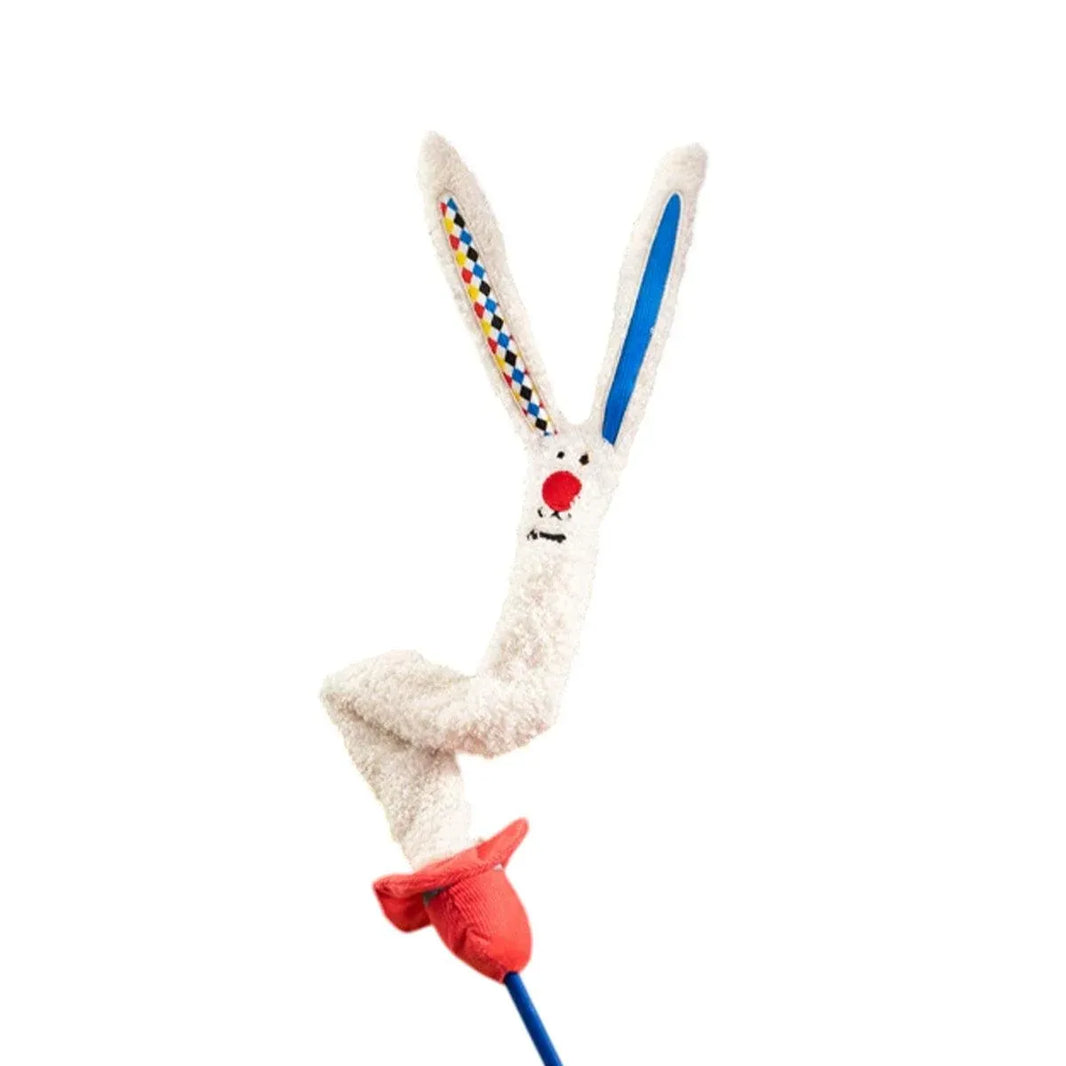
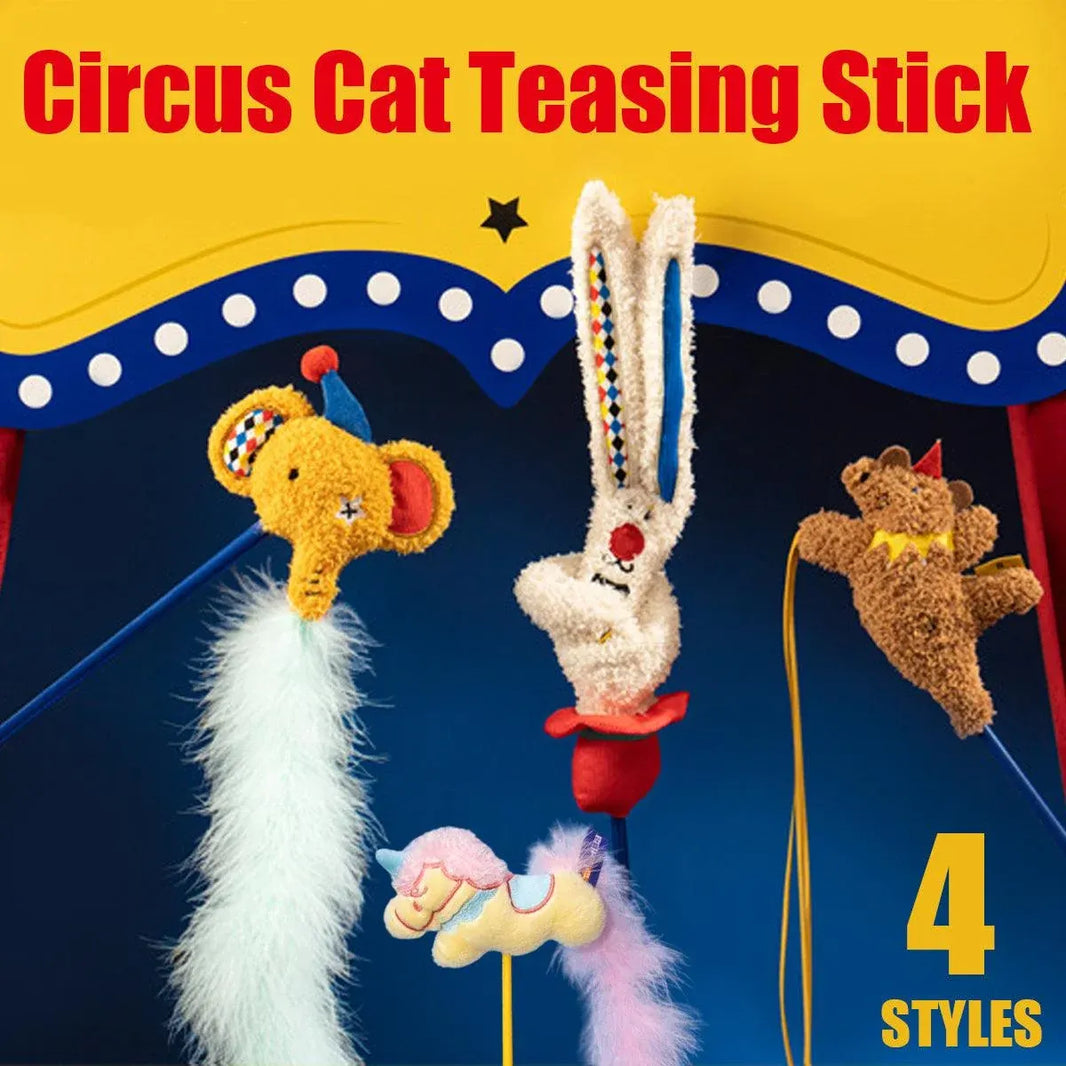
Circus Themed Cat Teaser Stick Interactive Teaser Pole Toy for Cats and Kittens - Juggling Rabbit
Regular price $13.90 AUDRegular priceUnit price per$16.20 AUDSale price $13.90 AUDSale -
Interactive Cat Toys Fish Leaky Food Dispenser Fun Pet Play Chew Toy Durable - Blue
Regular price $12.90 AUDRegular priceUnit price per$15.73 AUDSale price $12.90 AUDSale -
Felt Cat Tunnel Bed Donut Cave Nest for Kittens and Small Pets 50x30cm - Light Grey
Regular price $42.90 AUDRegular priceUnit price per$52.57 AUDSale price $42.90 AUDSale -

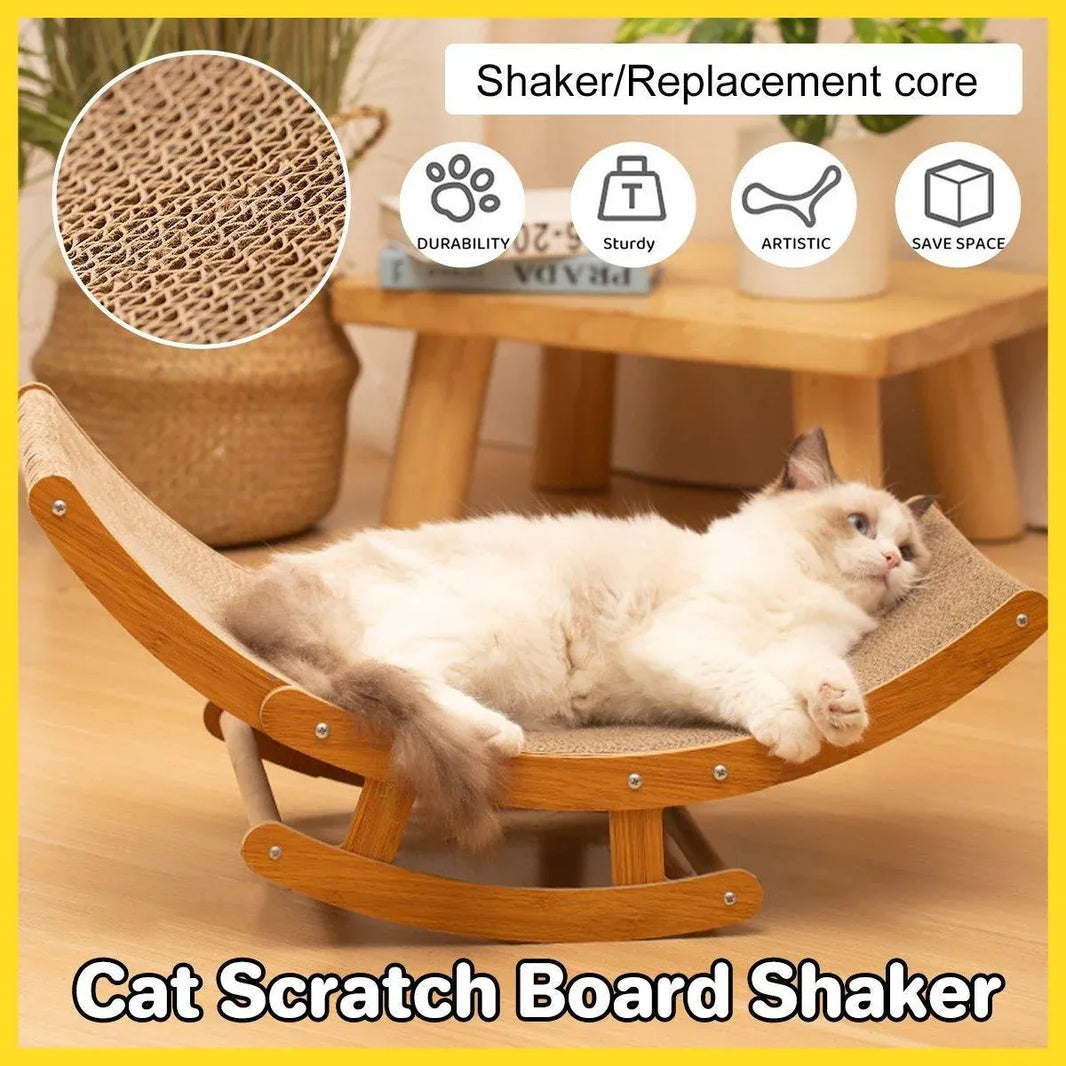
Premium Cat Scratching Board Bed Corrugated Paper Durable All Seasons Cat Toy - Replacement core * 2
Regular price $48.90 AUDRegular priceUnit price per$59.22 AUDSale price $48.90 AUDSale -
Multifunctional Cat Toys Corrugated Scratch Board for Cats and Hamsters Fun Toy
Regular price $39.90 AUDRegular priceUnit price per$47.11 AUDSale price $39.90 AUDSale -
Cat Tunnel Toy Set Collapsible Cat Tube with Teaser Wand Feather Toy Indoor Play
Regular price $14.90 AUDRegular priceUnit price per$17.61 AUDSale price $14.90 AUDSale -
Felt Cat Tunnel Bed Round Donut Cave Nest for Kittens and Small Pets 60x30cm - Light Grey
Regular price $50.90 AUDRegular priceUnit price per$60.77 AUDSale price $50.90 AUDSale


A moving wand, a rolling ball and a food activity encourage different kinds of engagement. Build a small rotation around the way your cat likes to stalk, chase and investigate. The selection also includes feeding accessories, so separate active play from food enrichment when choosing your next item.
Match the toy to the play pattern
Wand toys let you control movement from a distance. Move them like something a cat can stalk and catch, rather than constantly waving them just beyond reach. End a session with an achievable catch and put string or feather attachments away afterwards.
Balls and small chase toys suit a different rhythm. Consider the floor surface and available space: a toy that disappears underneath furniture after one push may get less use than one kept within a clear play area.
Rotate a few activities
Keeping every toy out all the time can make it harder to notice what your cat actually enjoys. Rotate a small selection and vary the location or movement. Catnip products will not produce the same response in every cat.
Lick mats and slow-feeding trays are food activities rather than replacements for movement and interaction. Choose food appropriate to the cat’s diet and keep any added treats within the overall feeding plan.
Make play easy to supervise
Choose objects too large to swallow and inspect loose parts, seams and attachments. Remove damaged toys before the next session. A toy marketed for cats still needs to suit the individual animal’s size and way of playing.
In homes with several cats, offer opportunities separately when one animal dominates the activity. A quieter cat may prefer a short session away from a busy shared room.
Further reading: RSPCA: keeping cats safe and happy at home · RSPCA: feeding cats
Useful answers
Cat Toys & Interactive Play FAQs
How should I use a cat wand toy to make play rewarding?
Let the movement invite stalking and chasing, with chances to catch the toy rather than keeping it permanently out of reach. Short sessions can help you notice when the cat loses interest. Put string and feather attachments away afterwards so they are not left available for unsupervised chewing or entanglement.
Is a lick mat the same kind of enrichment as a chase toy?
No. A lick mat is a food activity, while a ball or moving wand encourages a different pattern of movement and interaction. Consider the food used as part of the cat’s feeding plan. Combining different activities is more useful than expecting a feeding accessory to replace active play.
Why might my cat ignore a new toy?
The movement, texture, location or timing may not match that cat’s preferences. Try a short session in a quieter place and rotate a few activities rather than leaving every item out. Catnip also produces different responses between cats, so it should not be treated as a guaranteed way to make a toy appealing.