
Kitchen Utensils, Knives & Preparation Tools
Choose utensils for the contact they make with food and cookware.
Shop the collection
-
Household Kitchen Cutting Board Multi-Functional Double-Sided Cutting Board
Regular price $40.90 AUDRegular priceUnit price per$48.97 AUDSale price $40.90 AUDSale -
Multi-Functional Home Chopstick Container Plastic Compartments Drainage Rack - Black
Regular price $38.90 AUDRegular priceUnit price per$46.90 AUDSale price $38.90 AUDSale -
6PCS Measuring Cups Spoons 304 Stainless Steel Baking Tools With Scale Set
Regular price $23.90 AUDRegular priceUnit price per$29.44 AUDSale price $23.90 AUDSale -
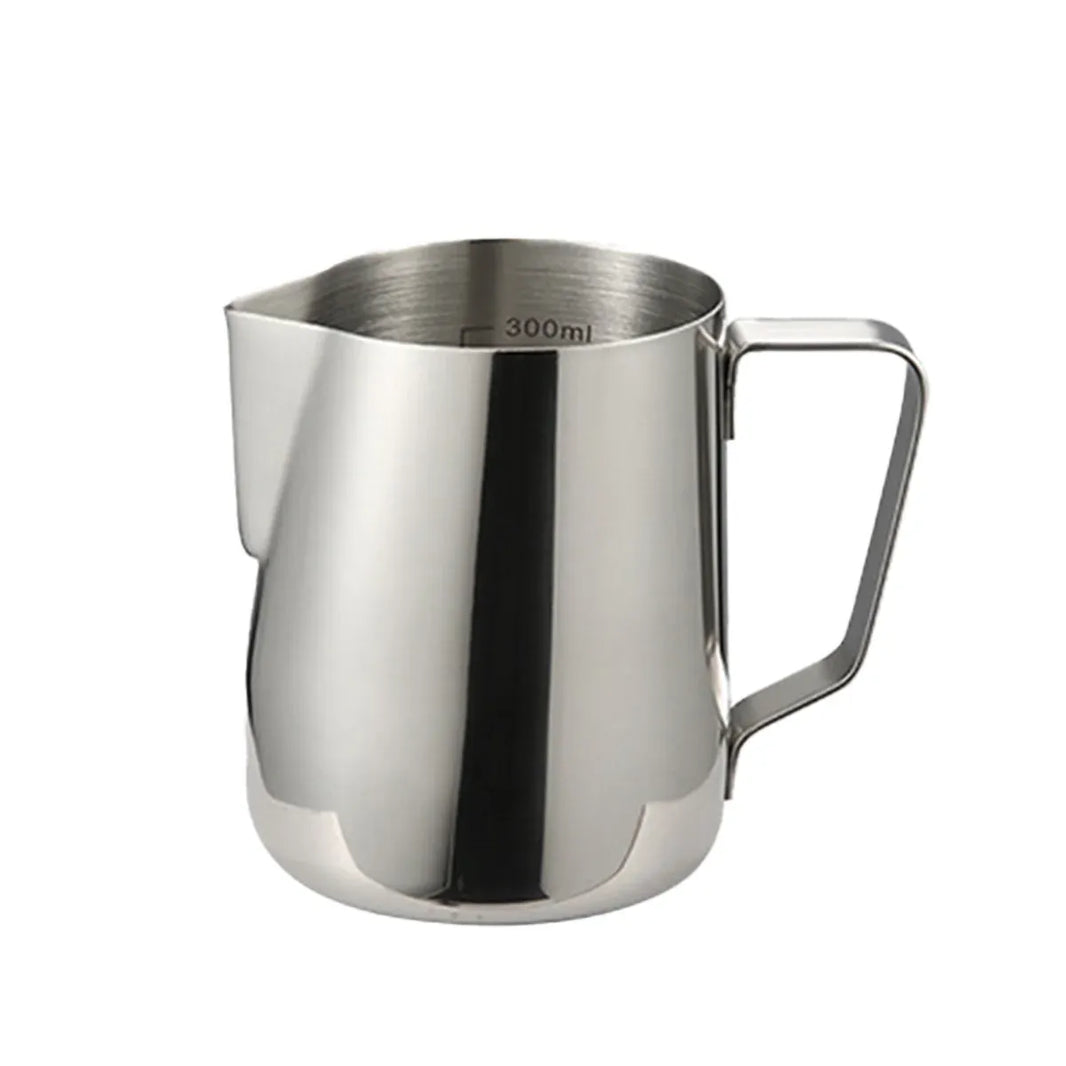
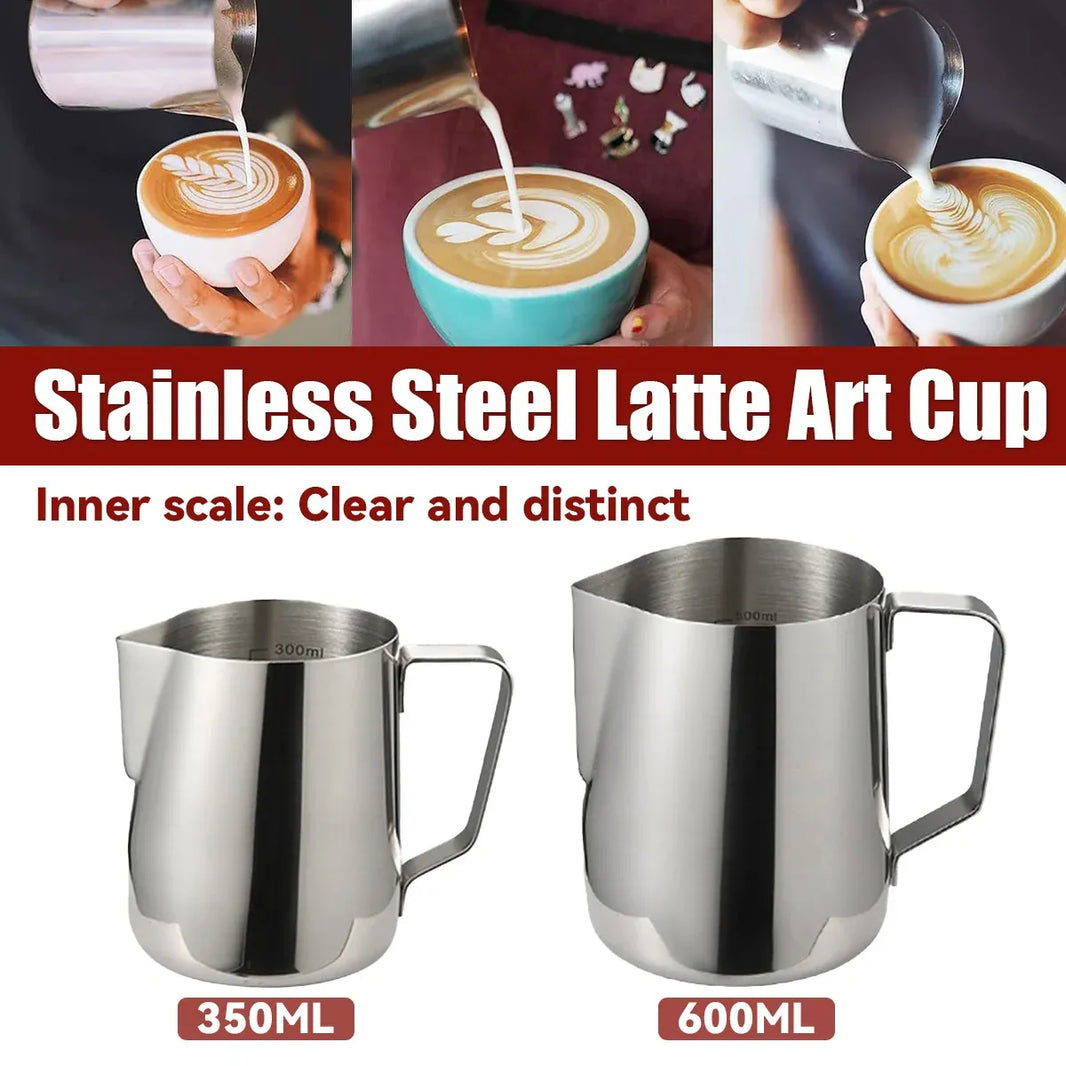
Stainless Steel Latte Art Cup 350ml 600ml Milk Frothing Pitcher Coffee Barista - 350ml
Regular price $29.90 AUDRegular priceUnit price per$35.39 AUDSale price $29.90 AUDSale -
Stainless Steel Steak Tongs Multi-Functional Kitchen Tool for BBQ and Fried Fish
Regular price $45.90 AUDRegular priceUnit price per$56.67 AUDSale price $45.90 AUDSale -
2x Ice Cube Tray Ball Mould Cube Silicone For Whisky Cocktails
Regular price $18.90 AUDRegular priceUnit price per -
Digital Kitchen Timer 99 Minute Countdown Clock With LCD Display and Metal Mount - White
Regular price $13.90 AUDRegular priceUnit price per$17.00 AUDSale price $13.90 AUDSale -
Knife Sharpening Steel Set of 3
Regular price $35.90 AUDRegular priceUnit price per$79.00 AUDSale price $35.90 AUDSale -
Apron Rans Manhattan Cotton - Taupe
Regular price $32.90 AUDRegular priceUnit price per$34.95 AUDSale price $32.90 AUDSale -
Apron Ladelle Professional Series Stripe Navy Cotton 70 x 95 cm
Regular price $38.90 AUDRegular priceUnit price per$44.95 AUDSale price $38.90 AUDSale -
Apron Ladelle Zest Cotton 68 x 78 cm
Regular price $30.90 AUDRegular priceUnit price per$39.95 AUDSale price $30.90 AUDSale -
Bamboo Food Wrap Dispenser Cutter 3 Grids Foil Cling Film Storage Holder Box Kitchen
Regular price $36.90 AUDRegular priceUnit price per -
Kitchen Knife Set 6 Pieces Everich Chef Knives Stainless Steel Nonstick with Scissor
Regular price $40.90 AUDRegular priceUnit price per$52.49 AUDSale price $40.90 AUDSale -
Wooden Utensil Set Child
Regular price $13.90 AUDRegular priceUnit price per$15.90 AUDSale price $13.90 AUDSale -
Stainless Steel Glass Lid with Bakelite Handle 28cm - KOMAN
Regular price $37.90 AUDRegular priceUnit price per$59.00 AUDSale price $37.90 AUDSale -
Thermometer 5-Star Chef Laser Infrared Digital Food Temperature Gun Smoker Pizza BBQ
Regular price $30.90 AUDRegular priceUnit price per$64.99 AUDSale price $30.90 AUDSale -


Stainless Steel Ice Chisel Chipper Stable Practical Bar Ice Crusher Chisel Chipper for Home Type B
Regular price $39.90 AUDRegular priceUnit price per$44.99 AUDSale price $39.90 AUDSale -
White Plastic Chef Shaped Kitchen Timer Manual Mechanical Accurate Countdown
Regular price $29.90 AUDRegular priceUnit price per -
Stainless Steel Kitchen Cooking Timer, 60-Minute Long Ring Bell Alarm Loud, Kitchen Cooking Wind Up Timer Mechanical
Regular price $34.90 AUDRegular priceUnit price per -
Professional Measurement Conversion Chart Refrigerator Magnet Stainless Steel Conversions for Cups Tablespoons Teaspoons
Regular price $27.90 AUDRegular priceUnit price per -
Kitchen Timer, 60 Minutes Ice Bucket Shaped Stainless Steel Mechanical Wind-Up Timer Time Reminder for Kitchen Baking, Offices
Regular price $29.90 AUDRegular priceUnit price per$30.41 AUDSale price $29.90 AUDSale -
Stainless Steel Spaghetti Measurer Tool Quick Pasta Measuring Tool for Kitchen Cooking Tool (Silver, 2pcs)
Regular price $22.90 AUDRegular priceUnit price per$24.68 AUDSale price $22.90 AUDSale -
Noodle Maker Machine Stainless Steel Manual Pasta Maker Press Machine for Kitchen Home
Regular price $41.90 AUDRegular priceUnit price per$46.99 AUDSale price $41.90 AUDSale -
Kitchen Cooking Timer Stainless Steel Mechanical Timer Reminder Time Management ToolsRound
Regular price $25.90 AUDRegular priceUnit price per$28.99 AUDSale price $25.90 AUDSale




Related reading


Choose utensils for the contact they make with food and cookware. A ladle reaches into a pot, tongs grip and turn, and a press transforms an ingredient with a specific motion. A smaller selection of comfortable, washable tools can be easier to use than a crowded drawer of overlapping gadgets.
Reach and grip change the job
Longer tongs offer more reach, while shorter ones can be easier for serving at the table. Examples include both 27.5 cm and 21.3 cm tong formats. Consider the spring action and tip shape as well as length when choosing a pair.
The cooking surface sets the contact rules
Use a utensil material approved for your pan’s surface. A metal edge, silicone tip and wooden spoon behave differently when scraping or lifting. Heat limits still apply to silicone and plastic parts; material names alone do not make every utensil suitable to leave in a hot pan.
Cleaning access is part of usability
A garlic press or rocking masher can leave food in small holes, while hinged tools have joints to wash. Look for access to those areas and a place to dry the tool. For knives, plan protected storage rather than letting exposed edges share a loose utensil pile.
Further reading: SCANPAN — Use and care
Useful answers
Questions about kitchen utensils, knives & preparation tools
Should kitchen tongs be long or short?
Choose the reach for the job. Longer tongs keep your hand farther from a cooking area but need more room to move and store. Shorter tongs can feel more controlled for serving. Compare the tip shape, opening and spring action as well as the overall length.
Are silicone utensils suitable for every non-stick pan?
Use utensils allowed by the cookware maker and within the utensil’s own heat limits. A silicone tip can have a different limit from its handle or internal parts. Choose a shape that lifts and turns food without forcing an edge against the surface, and do not leave it resting on heat by default.
What makes a garlic press or other hinged tool easier to clean?
Accessible holes, joints and removable parts make it easier to remove trapped food. Look at how the mechanism opens, not just its compact storage shape. Plan a place to dry it after washing, and keep cutting edges protected rather than loose among other utensils.