
Food Preparation & Storage
Choose food preparation and storage equipment around the meals you make: tools for cutting and handling ingredients, containers for keeping or packing food, and organisers that leave the next item within reach.
Shop the collection
-
Water Cooler Dispenser Bottle Stand Hot Cold Tap
Regular price $110.90 AUDRegular priceUnit price per$191.99 AUDSale price $110.90 AUDSale -
Bench Top Water Cooler Dispenser 22L Purifier Hot Cold Room Temperature Three Taps
Regular price $122.90 AUDRegular priceUnit price per$211.99 AUDSale price $122.90 AUDSale -
Phoenix Stainless Steel 8L with Smart Carbon Filter
Regular price $335.90 AUDRegular priceUnit price per$440.00 AUDSale price $335.90 AUDSale -
Plastic Buckets 10x 10L + Lids - Empty White With Handle - Large Food Pail
Regular price $207.90 AUDRegular priceUnit price per -
CARLA HOME 2- Pack Under Sink Organizer with Sliding Drawers & Height Adjustable for Kitchen Bathroom Cabinet Organization
Regular price $100.90 AUDRegular priceUnit price per$145.95 AUDSale price $100.90 AUDSale -
Cup Flower Pot Storage Rack Multi-Layer for Home Kitchen Living Room Organizer
Regular price $25.90 AUDRegular priceUnit price per$31.11 AUDSale price $25.90 AUDSale -
5-Tier Baker's Rack Microwave Stand Storage Shelf 84.5cm
Regular price $277.90 AUDRegular priceUnit price per$334.60 AUDSale price $277.90 AUDSale -
Spice Rack Organizer for Cabinet, Spice Organizer with 36 Empty Spice Jars, Lids, Spice Labels, and Funnel Complete Set, Seasoning Organizer for Countertop, Kitchen, Pantry, Cupboard, 18x11 in
Regular price $90.90 AUDRegular priceUnit price per$83.90 AUDSale price $90.90 AUD -
2-Tier Wire Pull Out Cabinet Under Sink Organizer 14x21 Inch Drawer Basket
Regular price $70.90 AUDRegular priceUnit price per$64.90 AUDSale price $70.90 AUD -
Up to 100PCS Micron Paint Paper Strainers Sieve Filter Nylon Mesh Net Funnel - 10PCS
Regular price $16.90 AUDRegular priceUnit price per$20.66 AUDSale price $16.90 AUDSale -
Household Kitchen Cutting Board Multi-Functional Double-Sided Cutting Board
Regular price $40.90 AUDRegular priceUnit price per$48.97 AUDSale price $40.90 AUDSale -
Silicone Dish Drying Mat Heat Resistant Draining Slope Pad for Kitchen Counter - Green
Regular price $43.90 AUDRegular priceUnit price per$53.12 AUDSale price $43.90 AUDSale -
Wall-Mounted Insulated Cup Holder for Kitchen Bedroom Organizer Space Saving
Regular price $42.90 AUDRegular priceUnit price per$51.72 AUDSale price $42.90 AUDSale -
50pcs Transparent Snack Bags Biscuit Candy Bags Resealable Food Packaging - Blue
Regular price $44.90 AUDRegular priceUnit price per$54.30 AUDSale price $44.90 AUDSale -
Multi-Functional Home Chopstick Container Plastic Compartments Drainage Rack - Black
Regular price $38.90 AUDRegular priceUnit price per$46.90 AUDSale price $38.90 AUDSale -
6PCS Measuring Cups Spoons 304 Stainless Steel Baking Tools With Scale Set
Regular price $23.90 AUDRegular priceUnit price per$29.44 AUDSale price $23.90 AUDSale -
Stainless Steel Sink Drainer Basket Rack for Kitchen Dish Drying and Storage
Regular price $39.90 AUDRegular priceUnit price per$48.71 AUDSale price $39.90 AUDSale -
Automatic Pet Dog Cat Food Water Dispenser Feeder Self Feeding Bowl Bottle - Food
Regular price $33.90 AUDRegular priceUnit price per$41.06 AUDSale price $33.90 AUDSale -
530ml Stainless Steel Insulated Lunch Box Portable Food Storage Mug Soup Meals - Pink
Regular price $40.90 AUDRegular priceUnit price per$49.98 AUDSale price $40.90 AUDSale -
Retractable Kitchen Storage Rack Pot Lid Holder Cutting Board Organizer Stand - White
Regular price $16.90 AUDRegular priceUnit price per$19.87 AUDSale price $16.90 AUDSale -
Telescopic Kitchen Storage Rack Table Top Pot Lid Holder Drawer Organizer Shelf
Regular price $14.90 AUDRegular priceUnit price per$17.71 AUDSale price $14.90 AUDSale -
Black Four-Tier Spice Rack 34 x 11 x 32 cm - 1 Piece
Regular price $44.90 AUDRegular priceUnit price per$54.24 AUDSale price $44.90 AUDSale -
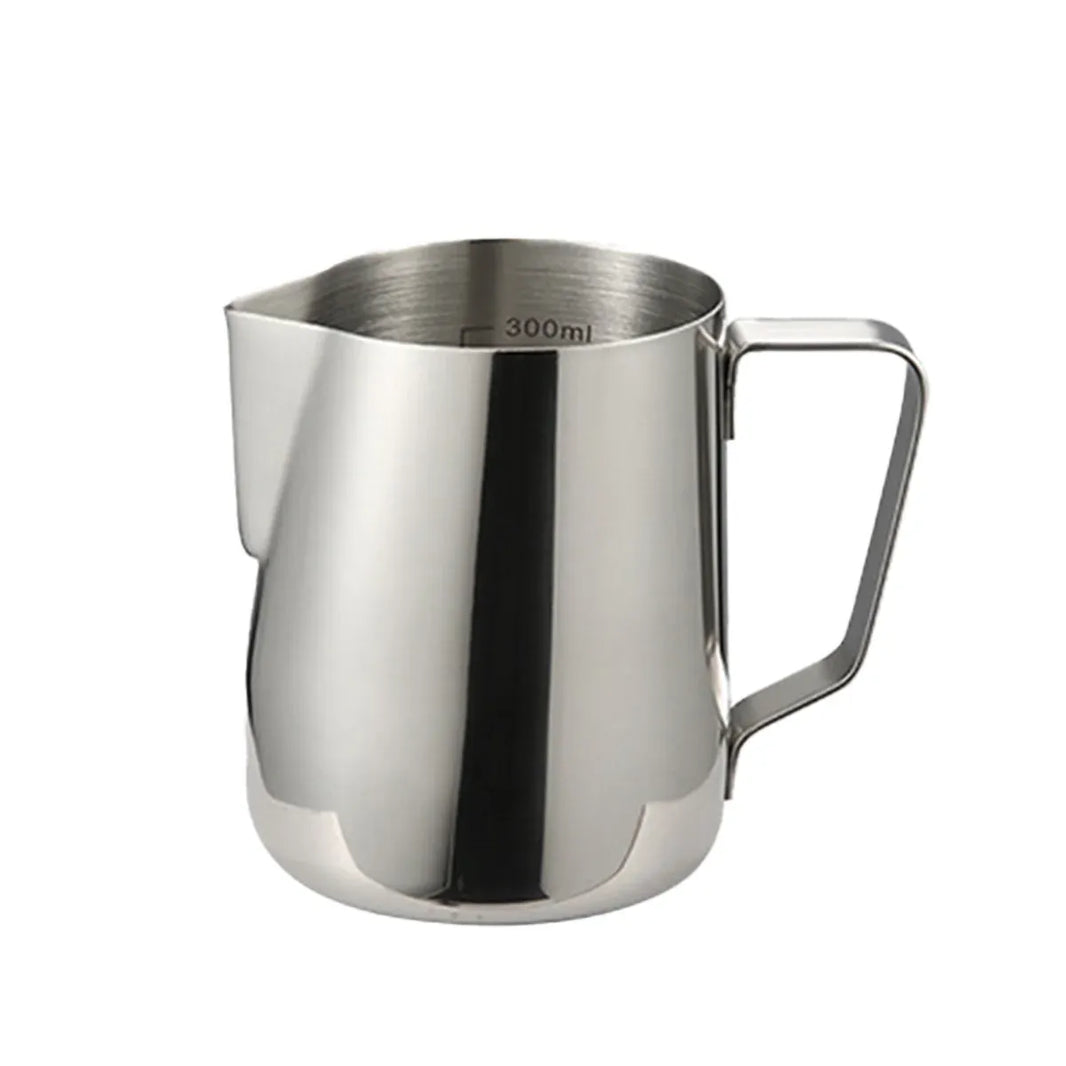
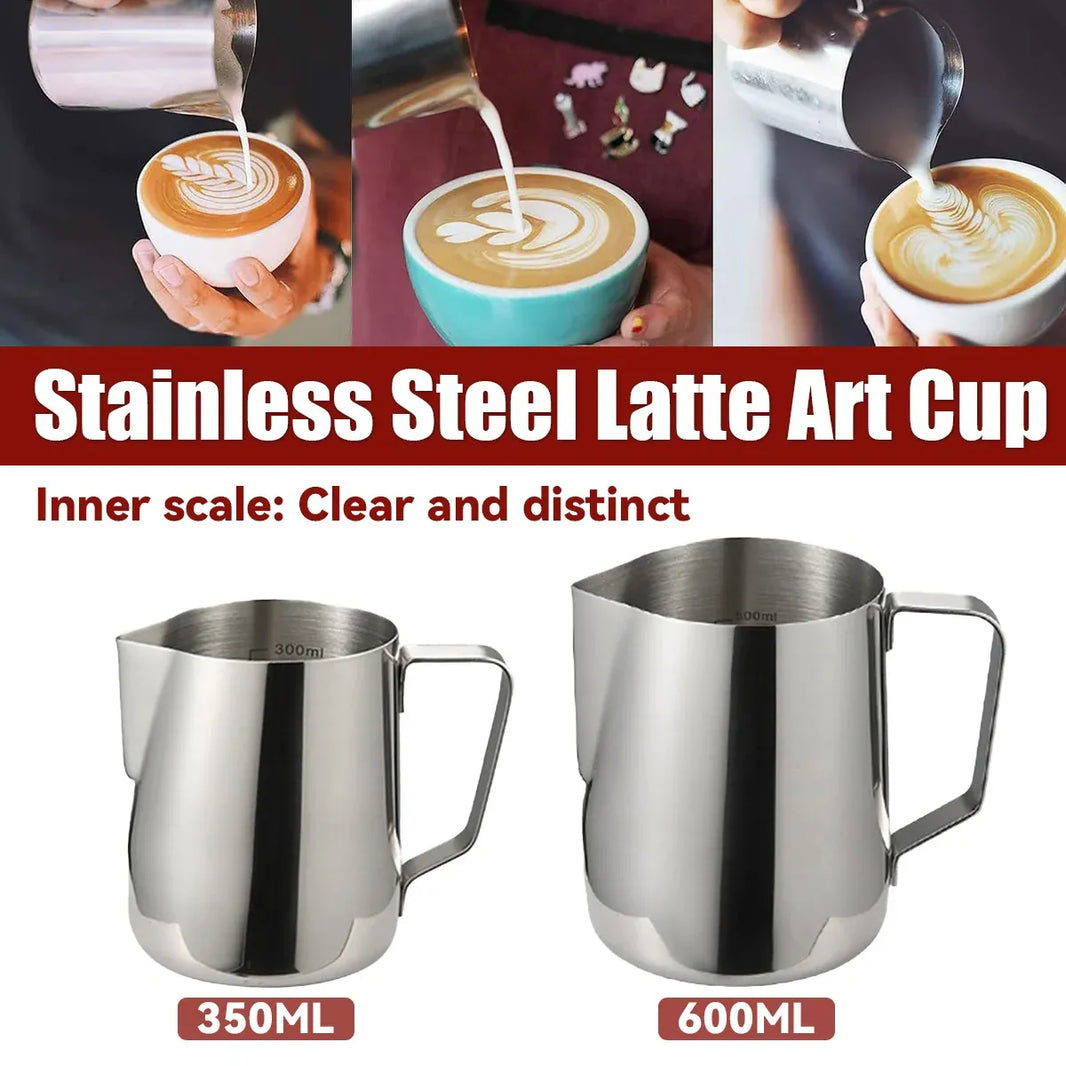
Stainless Steel Latte Art Cup 350ml 600ml Milk Frothing Pitcher Coffee Barista - 350ml
Regular price $29.90 AUDRegular priceUnit price per$35.39 AUDSale price $29.90 AUDSale -
CARLA HOME Dish Drying Rack with Wooden Handles, Removable Cutlery Holder & Drainboard for Kitchen Countertop
Regular price $47.90 AUDRegular priceUnit price per$69.99 AUDSale price $47.90 AUDSale




Related reading


Choose food preparation and storage equipment around the meals you make: tools for cutting and handling ingredients, containers for keeping or packing food, and organisers that leave the next item within reach. Start with the part of that routine that needs improving, then compare usable capacity and access.
Give ingredients a clear home
Choose pantry containers around the quantities you actually open. Retain the original date and storage information when decanting food. Food-contact containers should be reserved for food and suitable for their intended conditions; a household storage box is not automatically equivalent.
Keep preparation tools close to the task
A slicer needs a stable work area and a place to catch the cut food. Utensils need reachable storage without crowding the preparation surface. Use racks and drawer organisers to separate frequently used items from tools that only come out occasionally.
Match the container to the next destination
A pantry jar, a lunch box and a bulk food pail solve different problems. For packed meals, think about compartments and transport; for the pantry, visibility and refill access matter more. Water filters and dispensers form a separate route for drinking-water equipment.
Further reading: Food Standards Australia New Zealand: storing food safely
Useful answers
Questions about food preparation & storage
Where should I start when reorganising food preparation and storage?
Follow one meal from ingredients to packed leftovers. Notice where opening packets, cutting, finding a utensil or putting food away becomes awkward. Solve that specific step first. A better container layout may be more useful than another gadget if the main difficulty is finding and reaching ingredients.
Should pantry ingredients and packed lunches use the same containers?
They can have different priorities. A pantry container needs refill access and shelf fit, while a lunch box needs a manageable shape for carrying and eating. Decide on the destination and temperature conditions before choosing. An organiser or insulated bag does not replace the food-contact container itself.
What information should stay with food after I decant it?
Retain the original date, storage directions and ingredient information so another person can identify the contents and any allergens. Make the label easy to read without opening several containers. Choose a container you can clean and dry properly between batches, rather than simply topping up unidentified leftovers.