
Postal, Platform & Industrial Scales
A weighing scale should suit the size of the object, the weight range and the detail you need to distinguish.
Shop the collection
-
300kg Electronic Digital Platform Scale Computing Postal Shop Scales Weight
Regular price $93.90 AUDRegular priceUnit price per$242.87 AUDSale price $93.90 AUDSale -
Blue Electronic Computing Platform Scale, 150 kg Capacity, 20 g Increments – SOGA
Regular price $111.80 AUDRegular priceUnit price per$227.80 AUDSale price $111.80 AUDSale -
Digital Crane Scale, 1100 lbs/500 kg Max Capacity, Heavy Duty Industrial Hanging Scale with Cast Aluminum Case & LCD Display, 100 g Division & 3 Unit Switch, Auto-Off Setting for Garage
Regular price $54.90 AUDRegular priceUnit price per$50.90 AUDSale price $54.90 AUD -
Digital Crane Scale, 4400 lbs/2000 kg Max Capacity, Heavy Duty Industrial Hanging Scale with Cast Aluminum Case & LCD Display, 500 g Division & 3 Unit Switch, Remote Control for Garage Factory
Regular price $100.90 AUDRegular priceUnit price per$92.90 AUDSale price $100.90 AUD -
Digital Crane Scale, 880 lbs/400 kg Max Capacity, Handheld Hanging Scale with Cast Aluminum Case & LCD Display, 100 g Division & 3 Unit Switch, Auto-Off Setting for Farm Hunting Fishing, Orange
Regular price $51.90 AUDRegular priceUnit price per$47.90 AUDSale price $51.90 AUD -
Digital Jewelry Scale Mini Scale Digital High Precision Digital Scale Electronic Scale Pocket with and compact size, take it anywhere.
Regular price $30.90 AUDRegular priceUnit price per$31.09 AUDSale price $30.90 AUDSale -
Metal Mechanical Scale Weight Replacement Iron 150 Gram Black
Regular price $31.90 AUDRegular priceUnit price per -
Klika 500 Kg Electronic Crane Scales Industrial Hanging Digital Weight
Regular price $110.90 AUDRegular priceUnit price per -
Klika 3 Tonne Industrial Hanging Crane Scale
Regular price $288.90 AUDRegular priceUnit price per -
Kartrite Crane Scales Hanging 300Kg Industrial Electronic
Regular price $56.90 AUDRegular priceUnit price per -
VEVOR Lab Analytical Balance Digital Precision Scale 5000gx0.01g High Precision
Regular price $85.90 AUDRegular priceUnit price per$78.90 AUDSale price $85.90 AUD -
VEVOR Digital Crane Scale, 2200 lbs/1000 kg, Industrial Heavy Duty Hanging Scale with Remote Control, Cast Aluminum Case & LED Screen, High Precision for Construction, Factory, Farm, Hunting (Orange)
Regular price $93.90 AUDRegular priceUnit price per$86.90 AUDSale price $93.90 AUD -
Black Electronic Computing Platform Scale, 150 kg Capacity, 20 g Increments – SOGA
Regular price $111.80 AUDRegular priceUnit price per -
Blue Electronic Computing Platform Scale, 300 kg Capacity, 50 g Increments – SOGA
Regular price $122.80 AUDRegular priceUnit price per$226.80 AUDSale price $122.80 AUDSale -
Black Electronic Computing Platform Scale, 300 kg Capacity, 50 g Increments – SOGA
Regular price $122.80 AUDRegular priceUnit price per$226.80 AUDSale price $122.80 AUDSale -
Black Electronic Computing Platform Scale, 150 kg Capacity, 20 g Increments, Set of 2 – SOGA
Regular price $215.80 AUDRegular priceUnit price per -
Blue Electronic Computing Platform Scale, 150 kg Capacity, 20 g Increments, Set of 2 – SOGA
Regular price $215.80 AUDRegular priceUnit price per$299.80 AUDSale price $215.80 AUDSale -
Black Electronic Computing Platform Scale, 300 kg Capacity, 50 g Increments, Set of 2 – SOGA
Regular price $237.80 AUDRegular priceUnit price per$329.80 AUDSale price $237.80 AUDSale -
Black Electronic Computing Platform Scale, 300 kg Capacity, 50 g Increments, Set of 4 – SOGA
Regular price $464.80 AUDRegular priceUnit price per$804.80 AUDSale price $464.80 AUDSale -
Blue Electronic Computing Platform Scale, 300 kg Capacity, 50 g Increments, Set of 2 – SOGA
Regular price $237.80 AUDRegular priceUnit price per$329.80 AUDSale price $237.80 AUDSale -
Blue Electronic Computing Platform Scale, 300 kg Capacity, 50 g Increments, Set of 4 – SOGA
Regular price $464.80 AUDRegular priceUnit price per$804.80 AUDSale price $464.80 AUDSale -
Black Electronic Computing Platform Scale, 150 kg Capacity, 20 g Increments, Set of 4 – SOGA
Regular price $422.80 AUDRegular priceUnit price per$731.80 AUDSale price $422.80 AUDSale -
Blue Electronic Computing Platform Scale, 150 kg Capacity, 20 g Increments, Set of 4 – SOGA
Regular price $422.80 AUDRegular priceUnit price per$732.80 AUDSale price $422.80 AUDSale -
Digital Platform Scale 150KG Electronic Scales Shop Market Commercial Postal
Regular price $78.90 AUDRegular priceUnit price per$121.99 AUDSale price $78.90 AUDSale


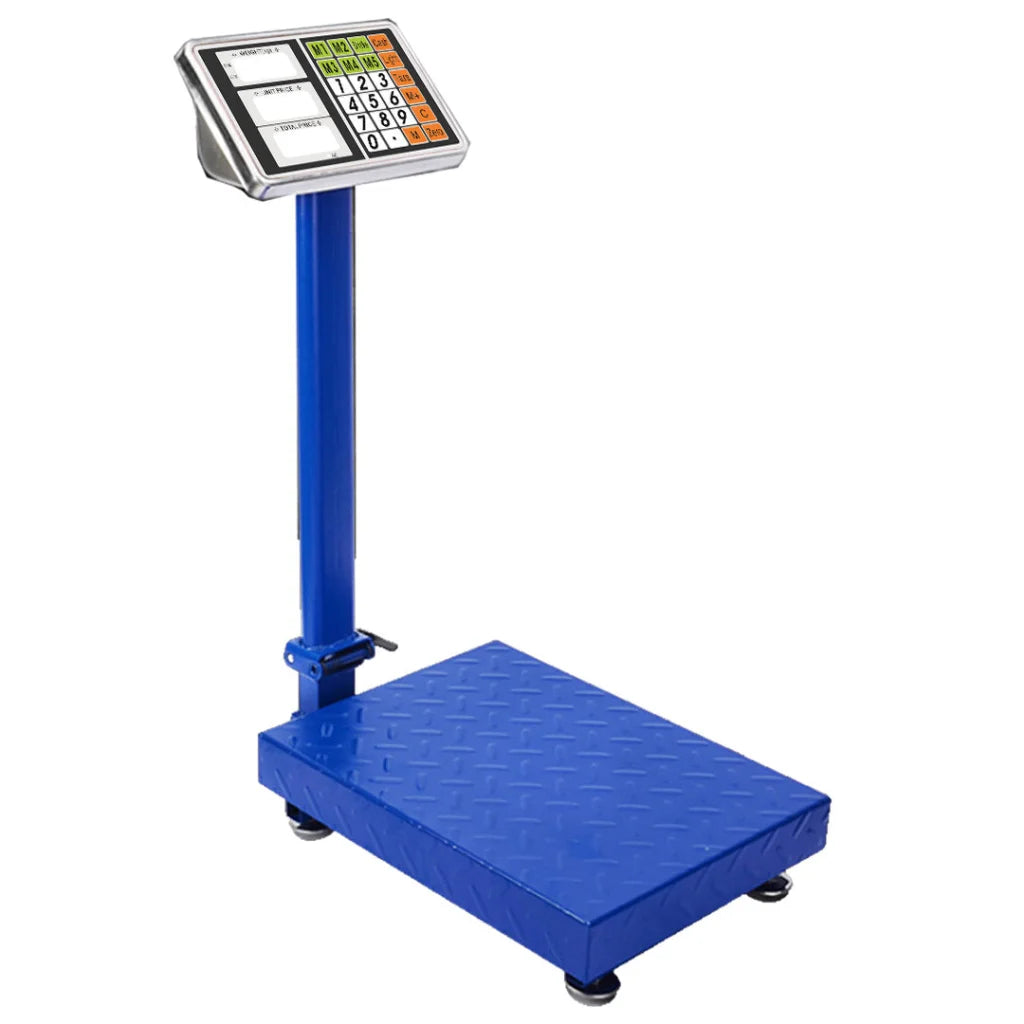


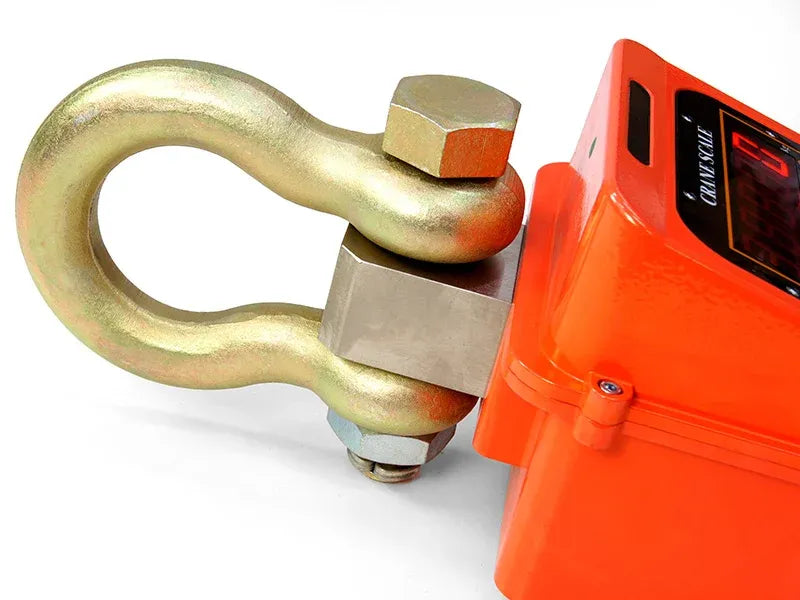


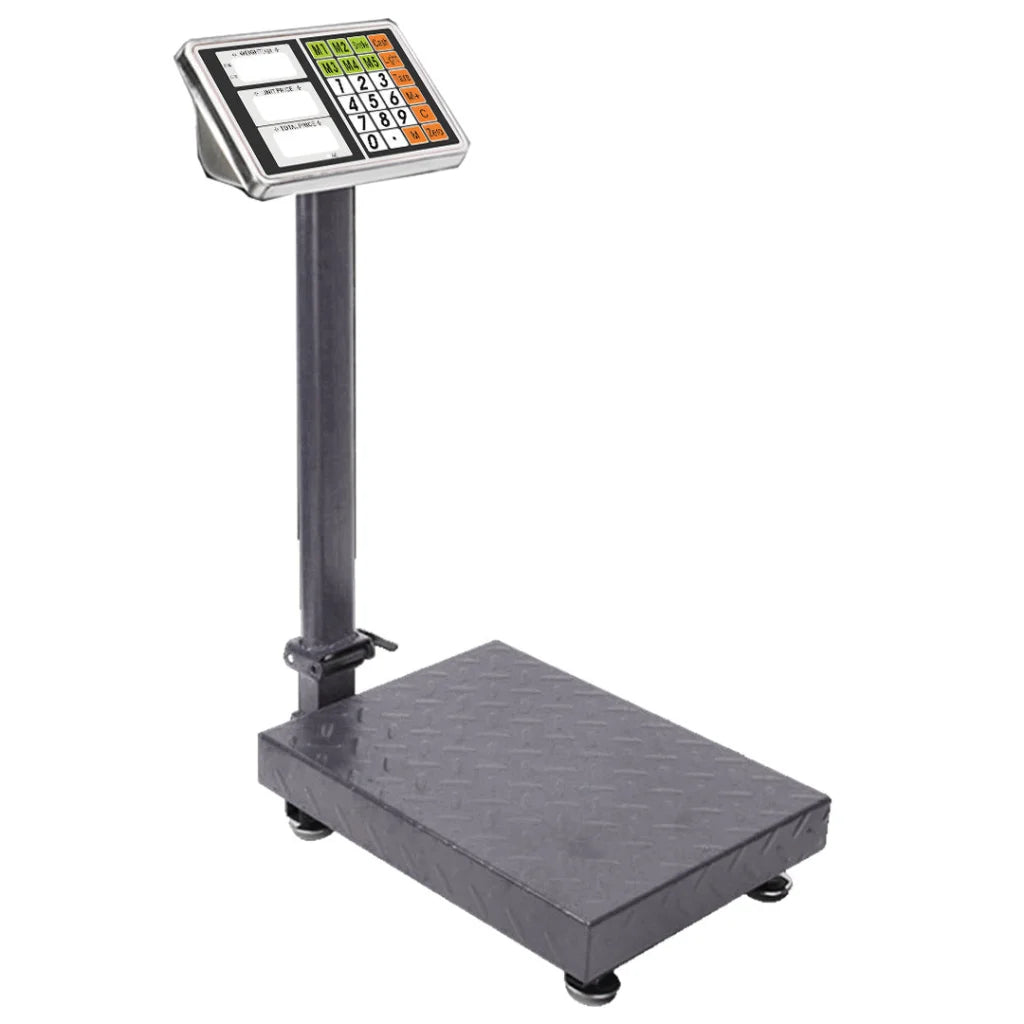


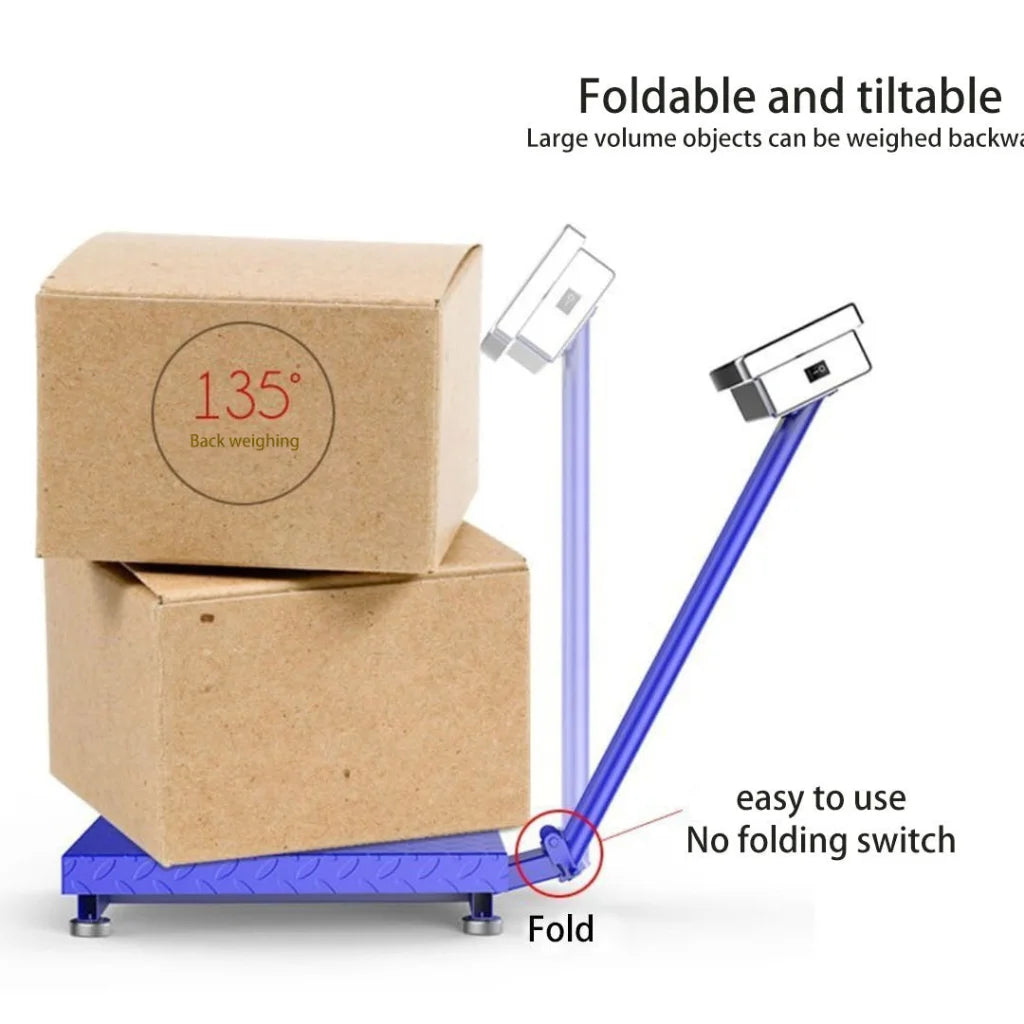
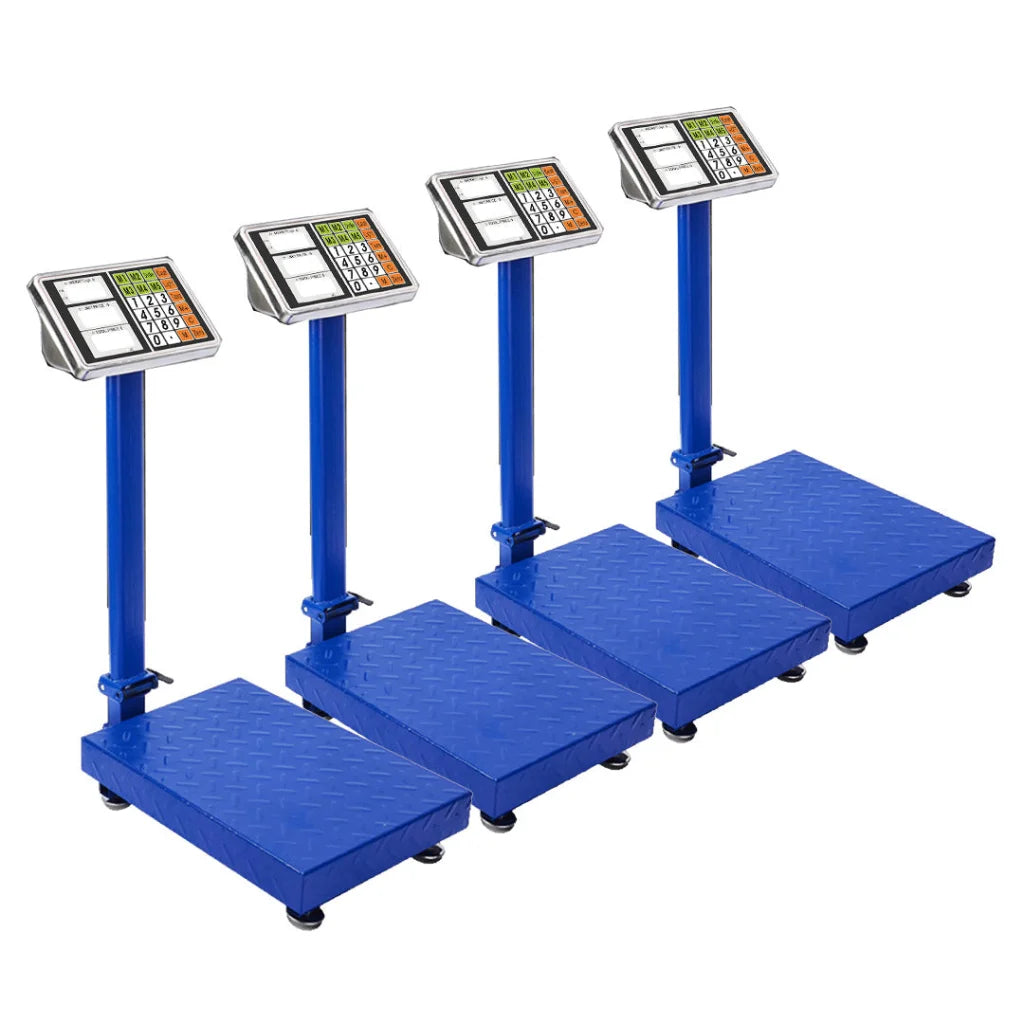


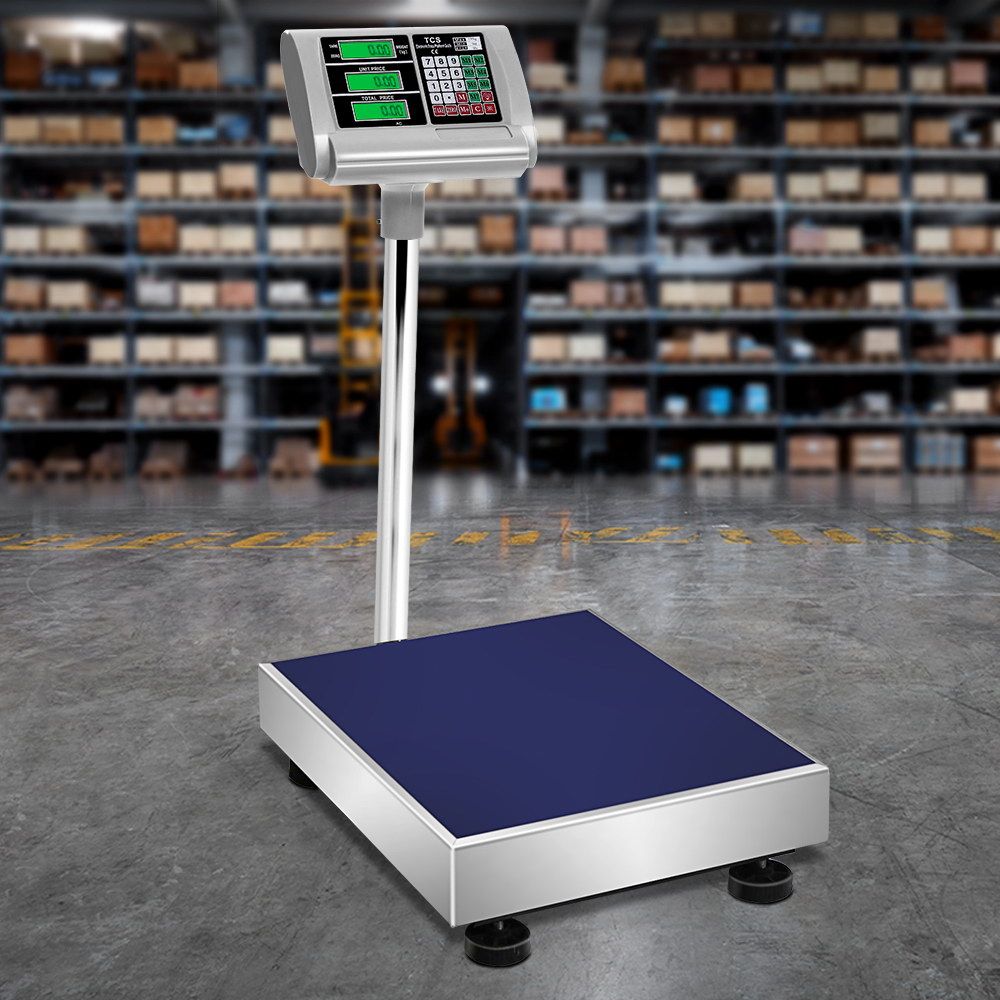

A weighing scale should suit the size of the object, the weight range and the detail you need to distinguish. Platform, hanging and pocket formats serve different tasks. This collection also contains household scales, so select by the documented application rather than assuming every item is approved for commercial transactions.
Fit the object to the weighing arrangement
A platform needs to support the intended package without obstructing the display or surrounding equipment. A hanging scale requires a suitable, separately assessed lifting arrangement. The maximum measured weight does not establish that a scale is designed to lift people or replace approved lifting equipment.
Compare increments as well as maximum load
A higher capacity can come with coarser display increments. For small parcels or components, decide the smallest difference you need to see before choosing the largest number on the specification. Readability is not the same as accuracy, so use the documented performance and calibration requirements for the task.
Check trade-use approval separately
If weight determines the price charged for goods, Australian trade-measurement requirements apply. The National Measurement Institute says trade instruments must be approved, suitable and verified before use. A product described as postal, commercial or industrial is not proof of that status; obtain the relevant approval and verification information for the intended transaction.
Further reading: National Measurement Institute: measurement for trade · Mettler Toledo: weighing capacity, readability and precision
Further reading: National Measurement Institute: trade verification · National Measurement Institute: pattern approval
Useful answers
Postal, Platform & Industrial Scales questions, answered
How should I compare scale capacity and display increments?
Start with the heaviest item and the smallest weight difference you need to distinguish. A high-capacity scale may display coarser increments than a small-item model. Readability is not the same as accuracy, so compare both specifications and the documented calibration requirements for your task.
Can any commercial scale be used to calculate a selling price?
No. Commercial or industrial wording does not establish Australian trade approval. Where measurement determines the transaction, confirm the instrument’s pattern approval, suitability and verification requirements before use. Obtain the relevant documentation for the exact model; do not infer approval from its capacity or appearance.
Should I choose a platform scale or a hanging scale for parcels?
Choose a weighing arrangement suited to how the object can be supported. A platform must accommodate the package without obstructing the display; a hanging format needs an appropriate separately assessed suspension arrangement. A weighing capacity does not make the scale approved lifting equipment or suitable for people.