
I've lost count of how many times people have asked me in Australia, "What is the bottom tray of an oven for?" And honestly, I don't blame them. That little drawer beneath the oven is one of the most misunderstood parts of an Australian kitchen. Some folks use it as storage, others forget it exists, and a few know it can actually be a game-changer when cooking.
But that’s not the only confusing part. When you start shopping around, you’ll also find yourself wondering things like: what is the tray under the oven for, what’s the standard oven tray size, and what oven trays do I actually need? It sounds simple, but the answers can save you from buying the wrong trays or misusing the oven you already have.
Let’s break it down in plain English, with tips that come from experience, not just the manual you probably never read.

What Is the Bottom Tray of an Oven For?
The function of the bottom tray really depends on the oven you own. It’s not always the same across models.
-
Older gas ovens: Here, the bottom tray is often a broiler. You slide food inside, and it’s cooked by direct heat from above. Great for melting cheese, caramelising toppings, or quickly finishing a dish.
-
Electric ovens: In many modern electric models, the drawer is a warming drawer. It’s designed to keep food hot until everything else is ready to serve.
-
Contemporary ovens: Some newer ovens give you nothing more than a storage drawer. This is where most people keep baking sheets, roasting pans, or even plastic containers (which, by the way, isn’t always safe).
So if you’re asking what the bottom tray of an oven is for, the real answer is: check your oven type. It might be more than a cupboard; it could be part of your cooking routine.
What Is the Tray Under the Oven For?
Another question that pops up often is What is the tray under the oven for. Some ovens include a separate tray beneath the cooking cavity. Its main jobs are usually:
-
Catching crumbs or spills: A drip tray stops messes from sticking to the oven base.
-
Air circulation: In some designs, it helps airflow and prevents overheating.
-
Occasional warming: A few models double this space as a warmer, much like the bottom drawer.
The important thing is not to ignore it. Pull it out now and then and give it a proper clean. Burnt crumbs smell awful and can affect how food tastes.
What Is the Standard Oven Tray Size?
Here’s where things get practical. If you’ve ever tried to shove a tray into your oven only to realise it doesn’t fit, you’ll understand why this matters.
The standard oven tray size in many households is about:
-
46–48 cm wide
-
33–35 cm deep.
But don’t take that as gospel. Compact ovens, wall-mounted ovens, and extra-wide professional-style ovens all come with different internal dimensions. Before you buy trays:
-
Grab a tape measure. Measure width and depth inside the oven, rail to rail.
-
Leave a little breathing space. Trays shouldn’t scrape the sides; airflow helps food cook evenly.
-
Check grooves or rails. Some ovens need trays made to sit in specific slots.
Think of it this way: the right tray size is as important as the right pan size on your stove. Too big, and it blocks heat flow. Too small, and you waste oven space.
What Oven Trays Do I Need?
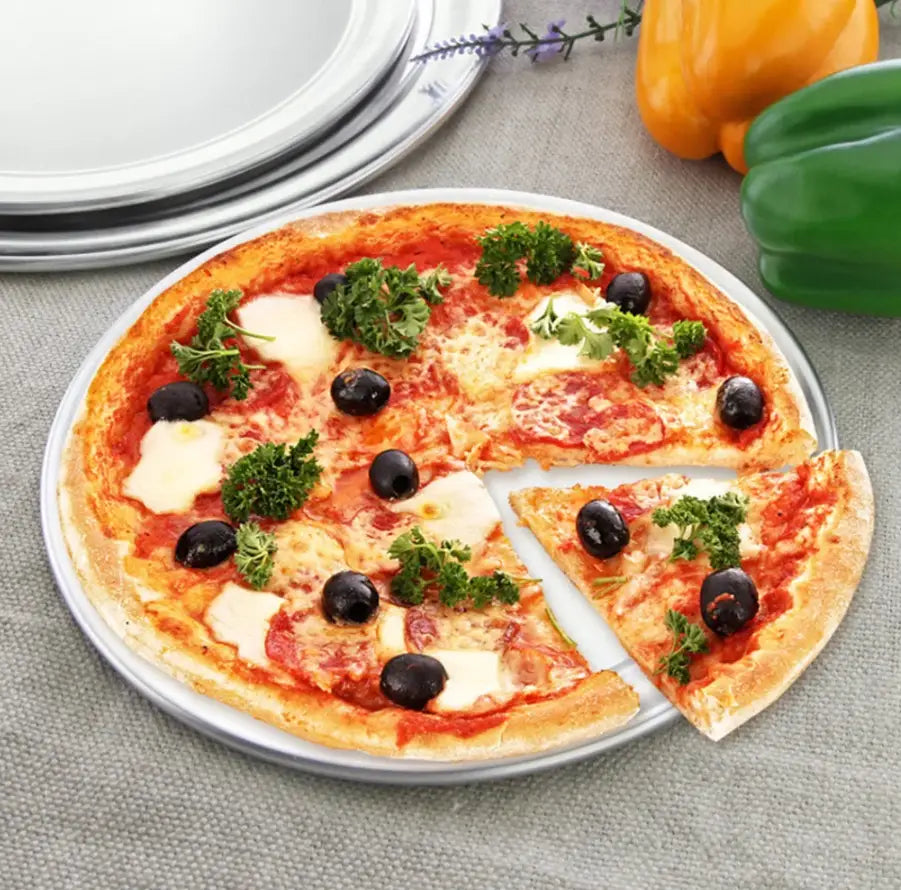
This one’s fun because it depends on what you like to cook. But every kitchen should have a few basics.
-
Baking tray: Flat with a rim around the edge. Perfect for cookies, roasting vegetables, or quick oven fries.
-
Roasting tray: Deeper than a baking tray. Best for meats, pasta bakes, or anything saucy. Some come with racks that let fat drain away.
-
Drip tray: Handy for grilling or broiling. It catches juices and fat to stop smoke and flare-ups.
-
Pizza tray or stone: If you’re serious about pizza night, these make all the difference.
-
Universal trays: Adjustable trays that expand to fit different ovens are great backups.
So when people ask what oven trays I need, I usually say: start with a flat baking tray, a deep roasting tray, and a drip tray. Add extras depending on what you cook most.
Do Oven Trays Have to Match the Oven?
Not always. Many ovens come with a fitted tray, but you can buy universal ones too. The key is getting the right size. The tray doesn’t need the brand’s logo to work — but it does need to fit comfortably inside.
For serious bakers, investing in heavy-duty trays is worth it. Thicker trays resist warping at high heat, and they distribute heat more evenly. Cheap, flimsy ones bend over time and can leave you with burnt edges and undercooked centres.
Caring for Oven Trays.
It’s easy to forget about trays until they look grimy, but looking after them keeps them usable for years.
-
Avoid harsh scrubbing on non-stick coatings; use softer sponges.
-
Burnt-on messes: Sprinkle baking soda, add a bit of water, leave overnight, then wipe clean.
-
Check for warping: A badly bent tray won’t sit flat, which means uneven cooking.
-
Dry thoroughly, Especially for steel trays. Even small patches of moisture can start rust.
A little care now saves you from buying new trays every year.
Everyday Mistakes People Make With Oven Trays.
Since we’re on the topic, here are a few common mistakes I see all the time:
-
Lining trays with foil only: Foil can block airflow and cause uneven browning. Parchment paper works better for baking.
-
Overcrowding trays: Stuffing too much onto one tray stops heat from circulating. It’s better to use two trays and switch them halfway.
-
Using warped trays: Once it’s bent, replace it. Warped trays lead to puddles of oil pooling in one corner.
Why the Bottom Tray (and Others) Really Matter.
It’s easy to underestimate trays because they feel like accessories. But they affect how food cooks, how clean your oven stays, and how efficient the whole process is. Understanding what the bottom tray of an oven is for, knowing what the tray under the oven is for, and choosing the right trays for your cooking style make everyday meals so much smoother.
Final Thoughts: Oven Tray Basics Made Simple.
Let’s recap the big questions:
-
What is the bottom tray of an oven for? It could be a broiler, a warming drawer, or storage, depending on your oven.
-
What is the tray under the oven for? Often, a crumb catcher, drip tray, or sometimes a warming drawer.
-
What is the standard oven tray size? Around 46–48 cm wide and 33–35 cm deep, but always measure your oven first.
-
What oven trays do I need? A baking tray, a roasting tray, and a drip tray are your basics, with extras depending on your cooking habits.
The next time you open that mysterious bottom drawer or shop for trays, you’ll know exactly what you’re looking at, and you’ll avoid the classic mistake of cramming the wrong tray into the wrong oven.
Because at the end of the day, cooking’s not just about recipes, it’s also about having the right tools that make the job easier (and a lot less messy).