
Wood-Style Panel Room Dividers
Panel room dividers can separate a work corner, screen an entrance or provide a backdrop without fixing a partition in place.
Shop the collection
-
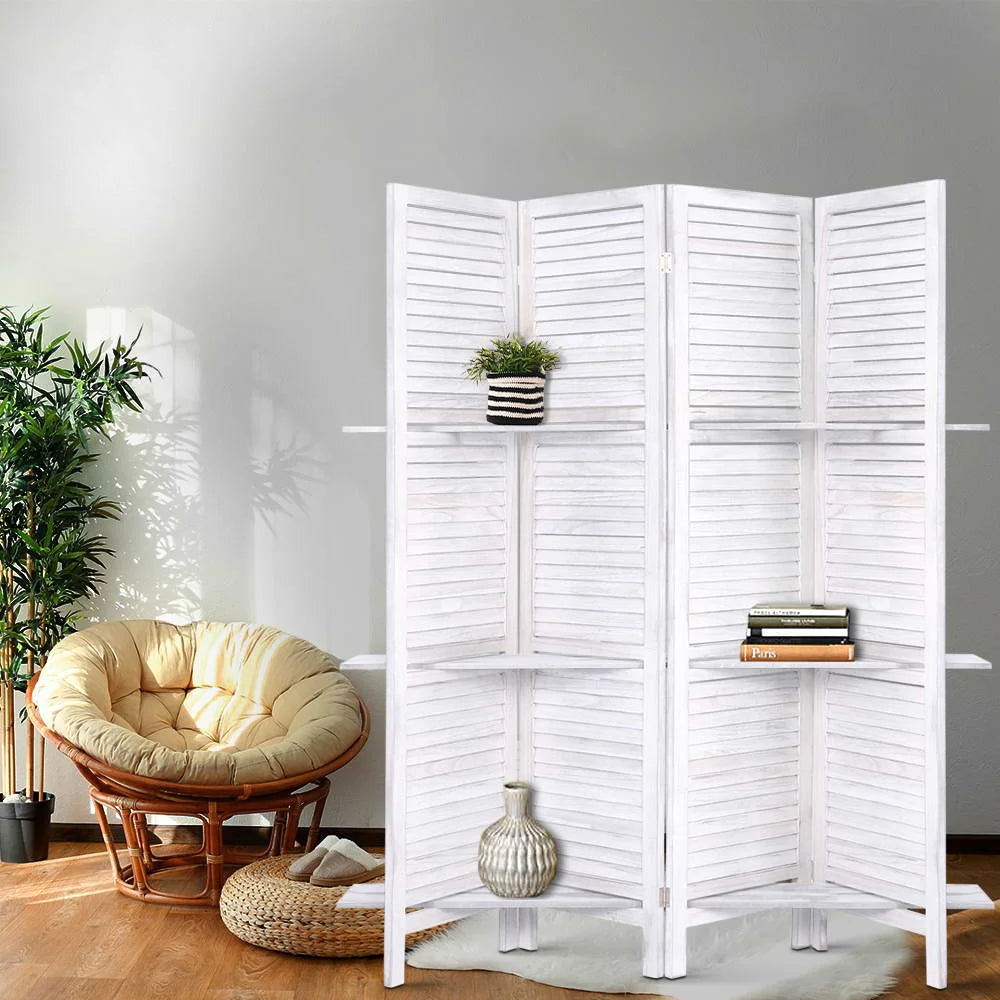
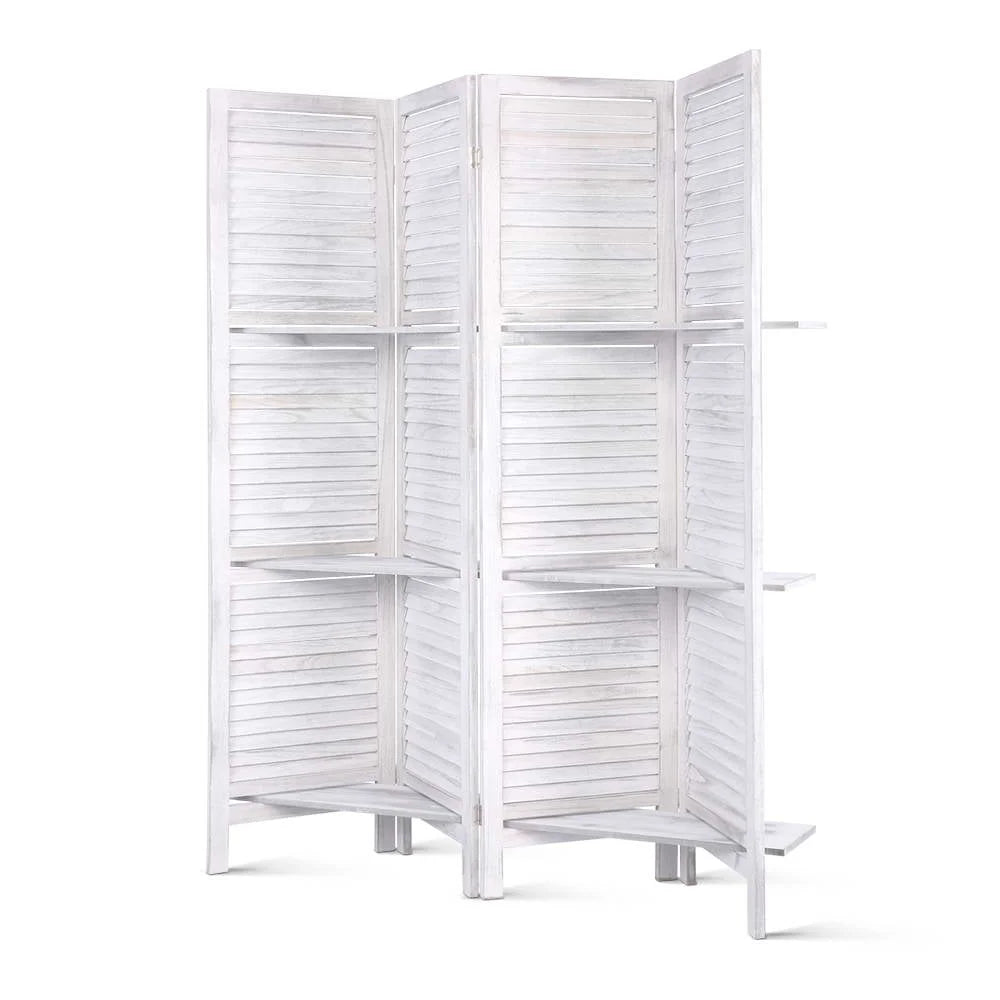 Sale
Room Divider, 4‑Panel Privacy Screen, Foldable Partition, White
Regular price $137.90 AUDRegular priceUnit price per$204.99 AUDSale price $137.90 AUDSale -
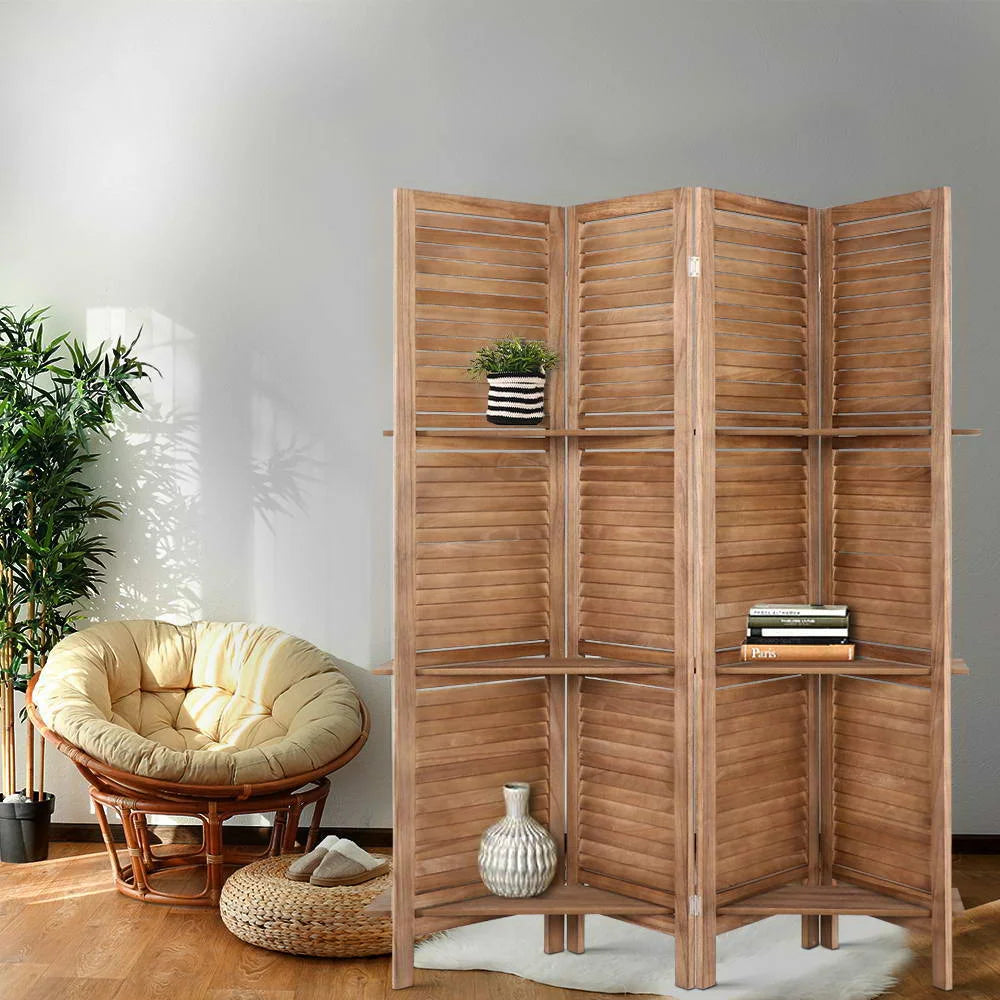
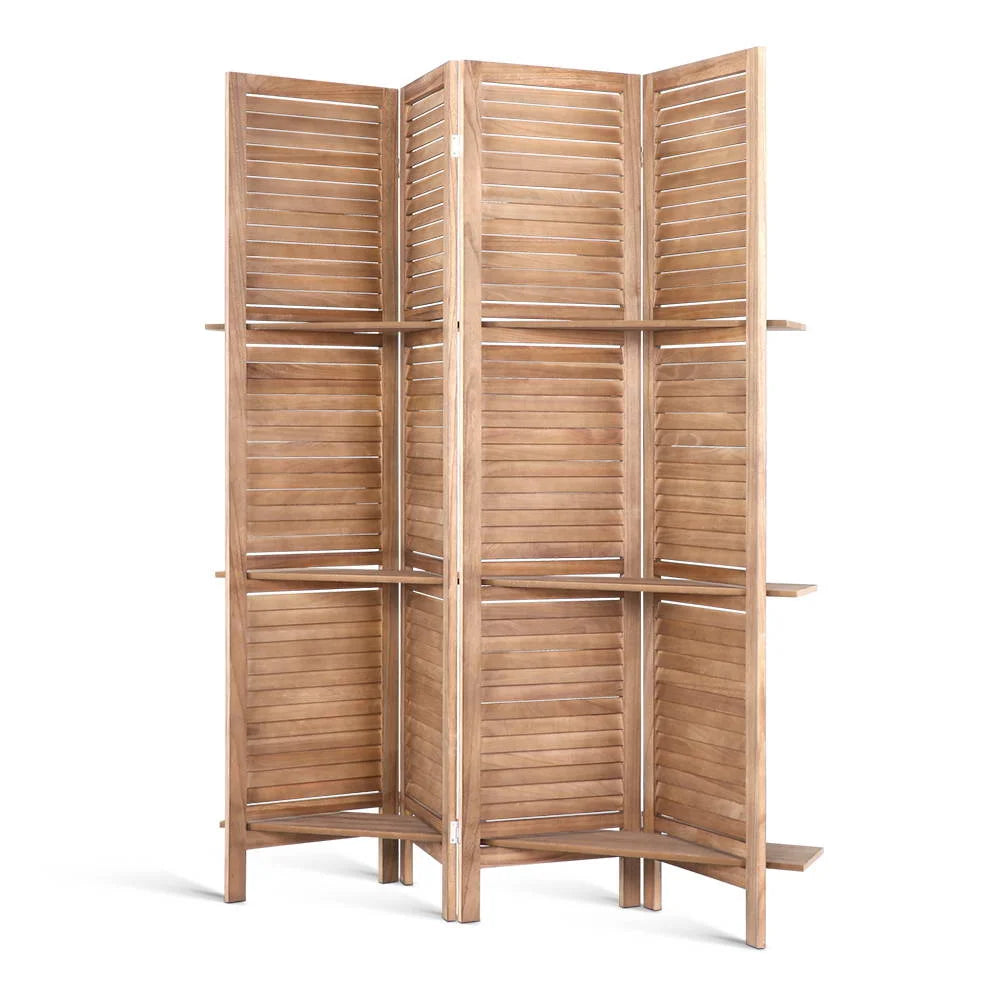 Sale
4-Panel Room Divider with Display Shelves, Oak Finish – Artiss
Regular price $137.90 AUDRegular priceUnit price per$204.99 AUDSale price $137.90 AUDSale -
 Sale
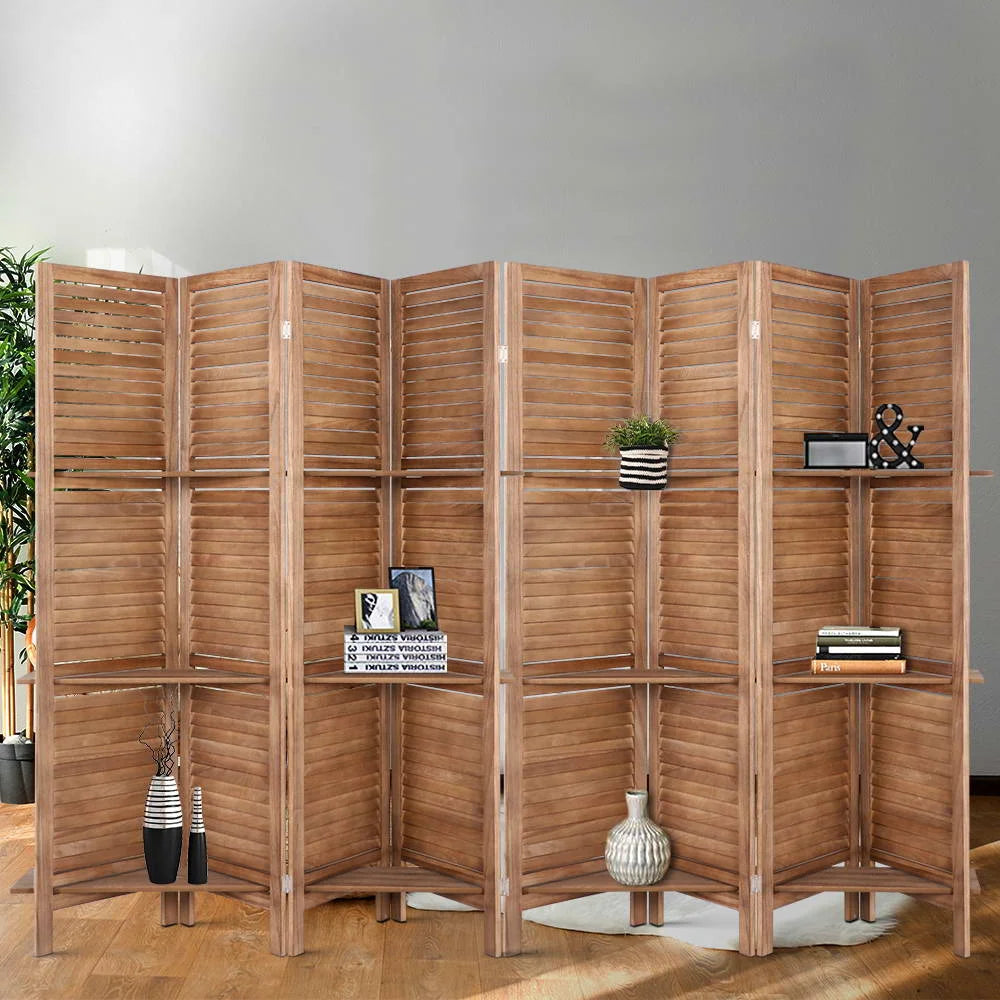
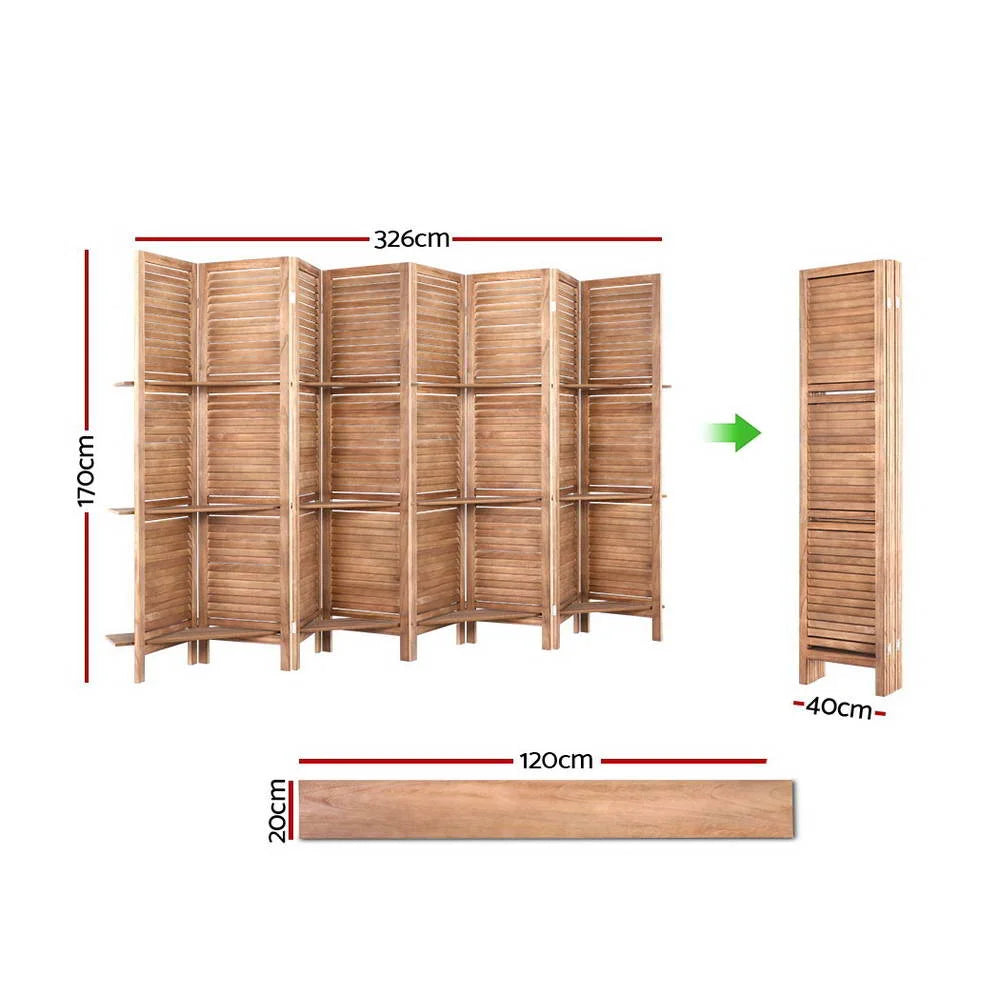
Room Divider Screen 8 Panel Privacy Dividers Shelf Wooden Timber Stand
Regular price $266.90 AUDRegular priceUnit price per$379.99 AUDSale price $266.90 AUDSale -
 Sale
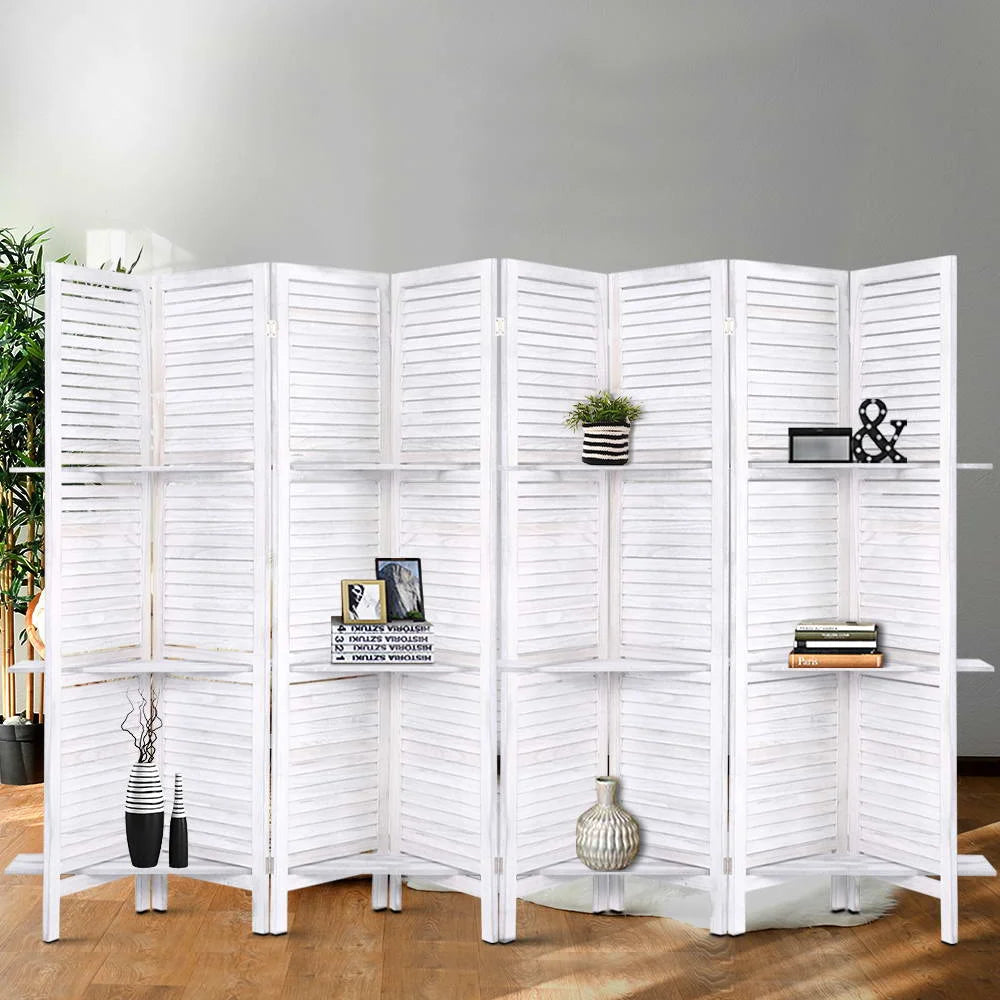
Room Divider Screen 8 Panel Privacy Foldable Dividers Timber Stand Shelf
Regular price $266.90 AUDRegular priceUnit price per$366.99 AUDSale price $266.90 AUDSale -

 Sale
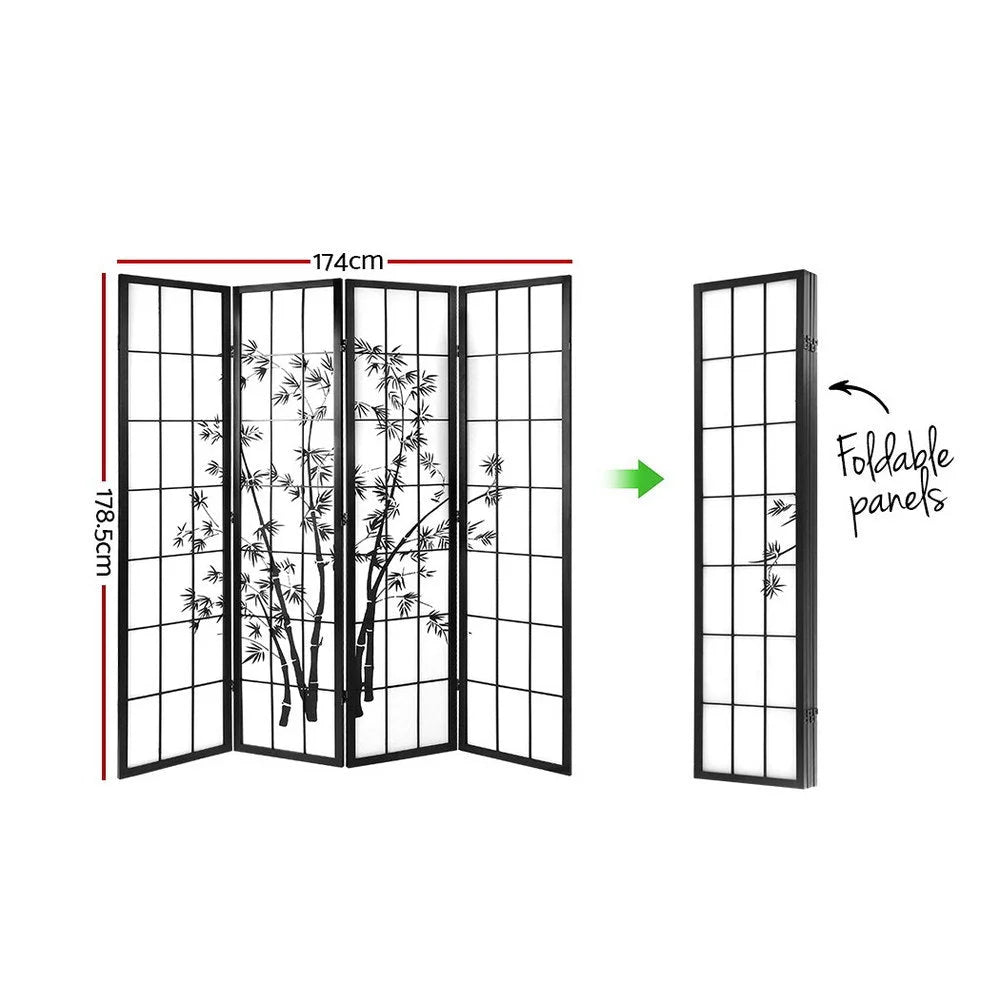
Room Divider Screen 4 Panel Privacy Dividers Pine Wood Stand Shoji Bamboo Black White
Regular price $140.90 AUDRegular priceUnit price per$204.99 AUDSale price $140.90 AUDSale -
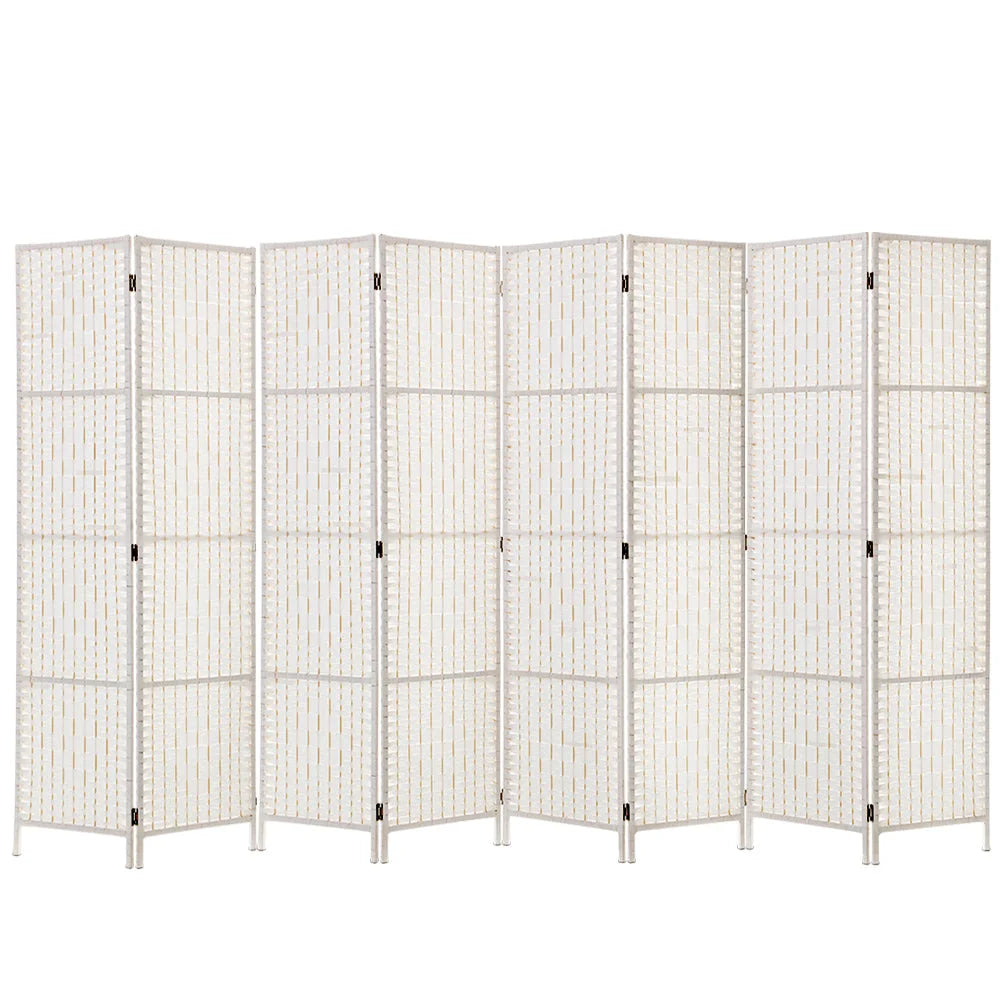
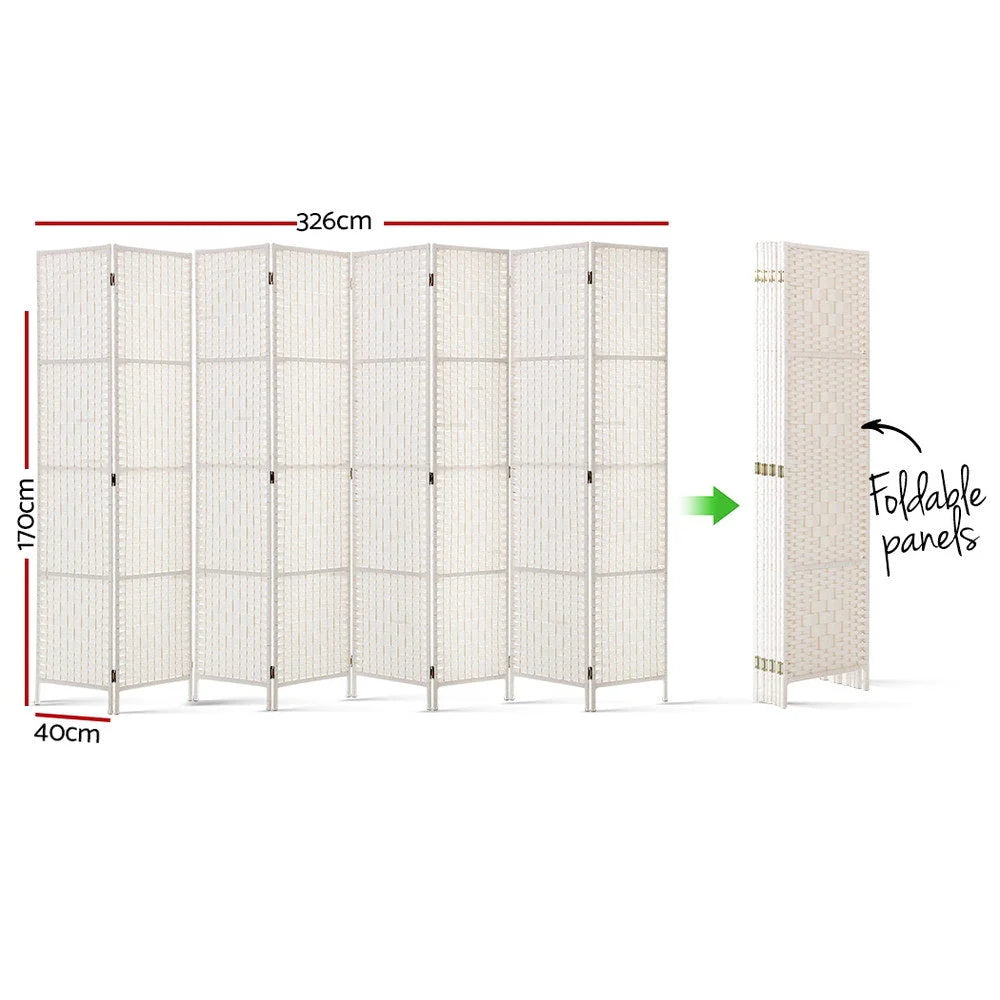 Sale
Room Divider Screen 8 Panels Privacy Rattan Timber Fold Woven Stand White
Regular price $140.90 AUDRegular priceUnit price per$244.99 AUDSale price $140.90 AUDSale -
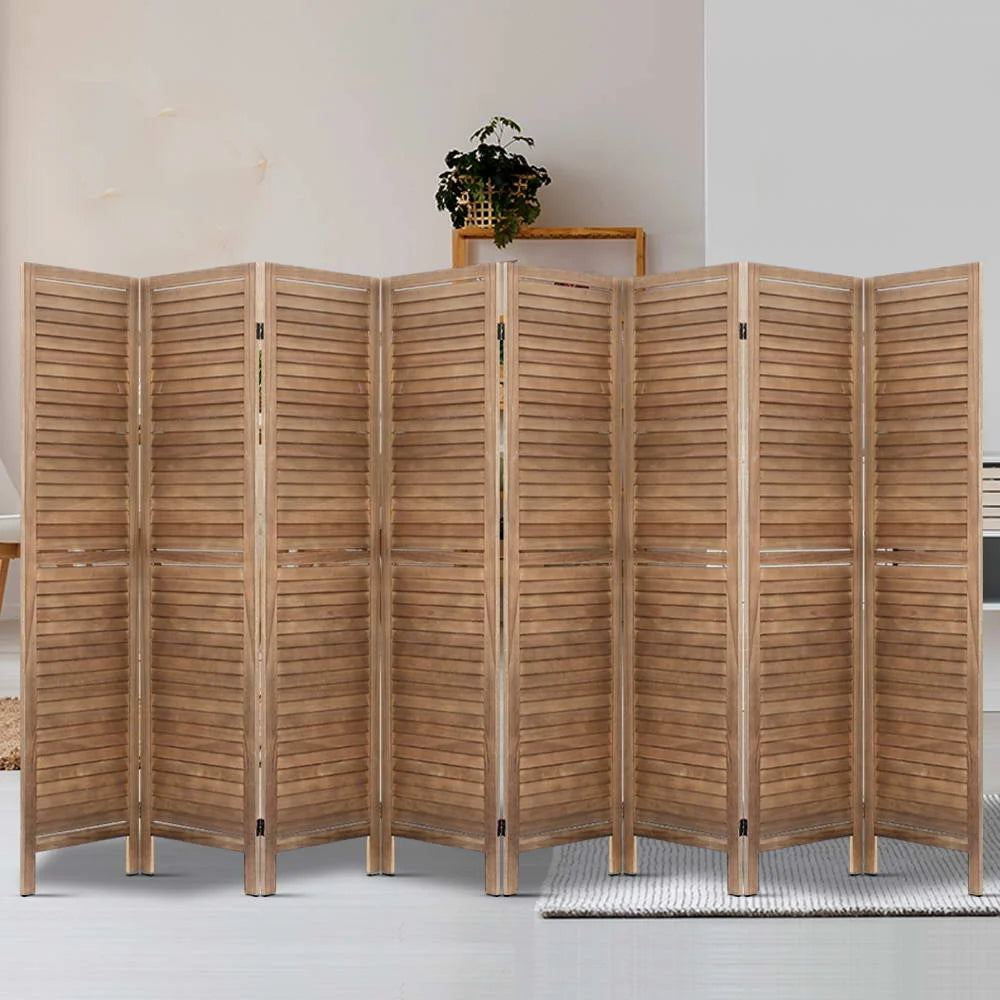
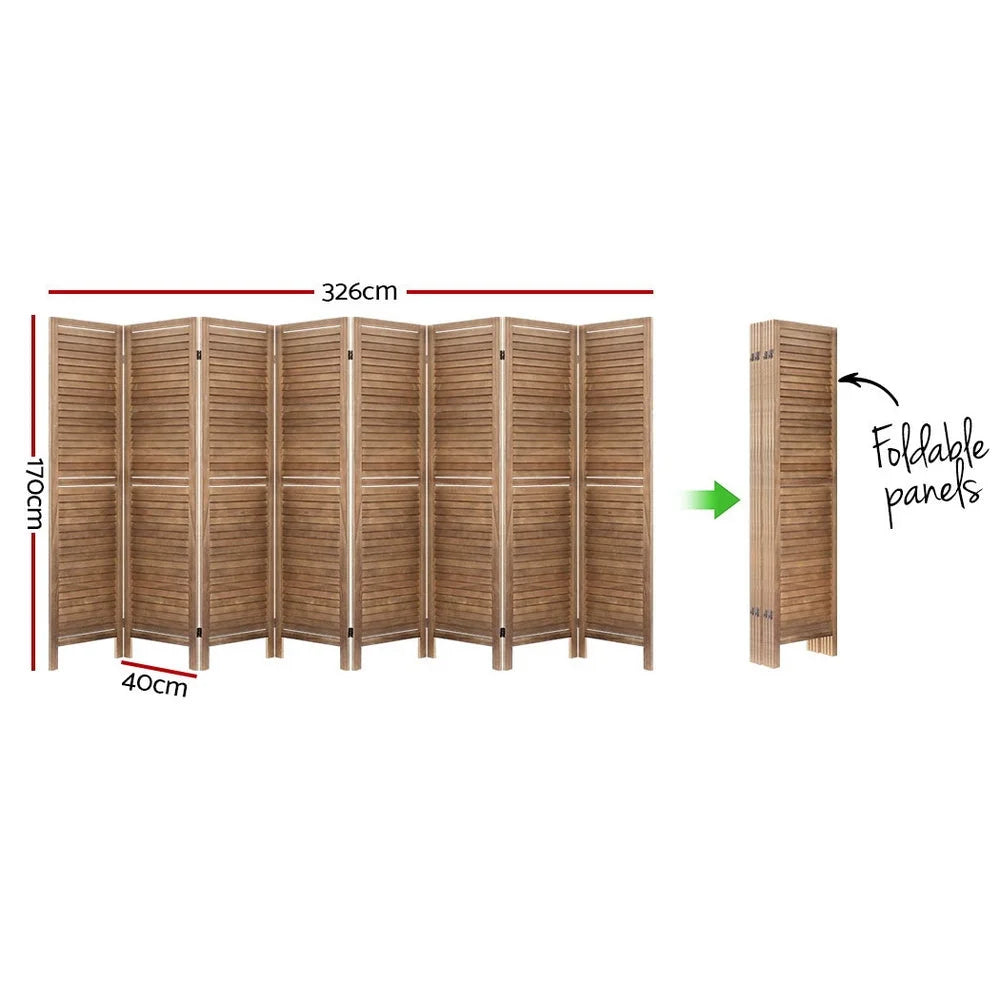 Sale
Room Divider Screen 8 Panel Privacy Wood Dividers Stand Bed Timber Brown
Regular price $219.90 AUDRegular priceUnit price per$331.99 AUDSale price $219.90 AUDSale -

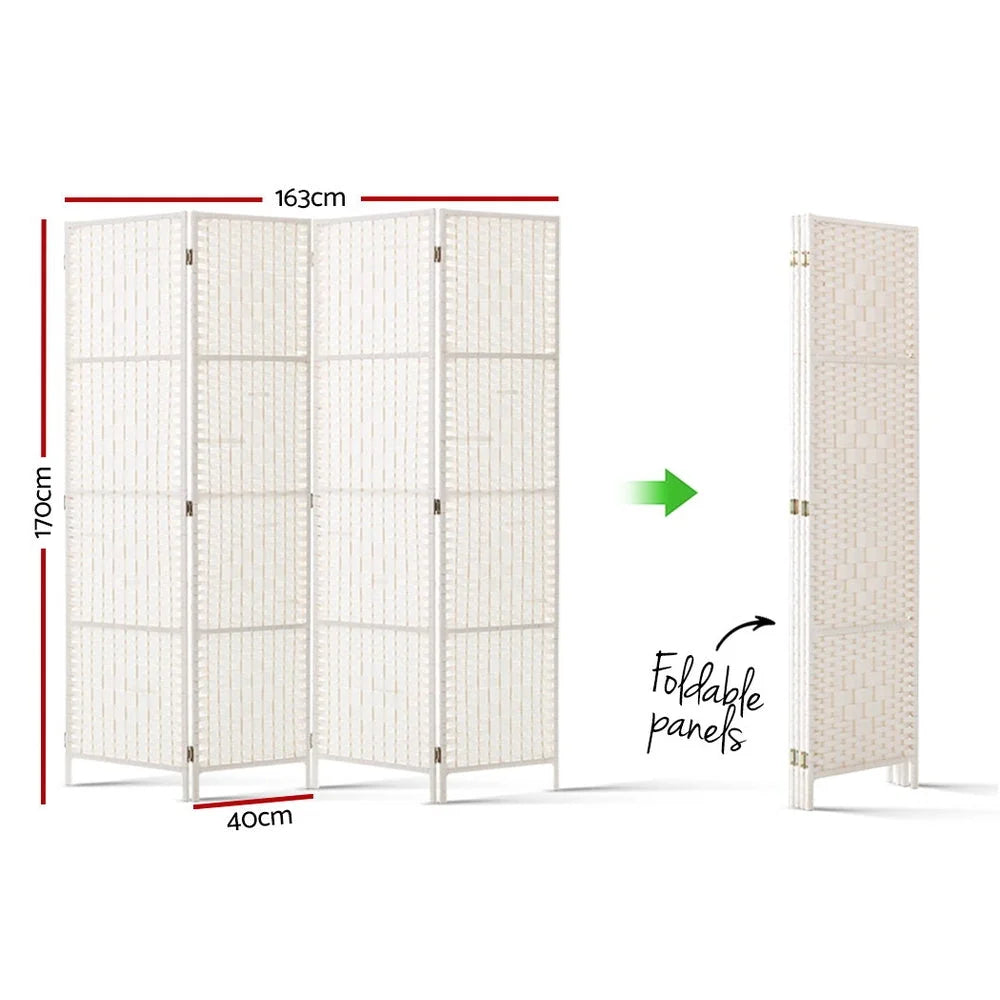 Sale
Room Divider Screen 4 Panels Privacy Rattan Timber Fold Woven Stand White
Regular price $75.90 AUDRegular priceUnit price per$116.99 AUDSale price $75.90 AUDSale -
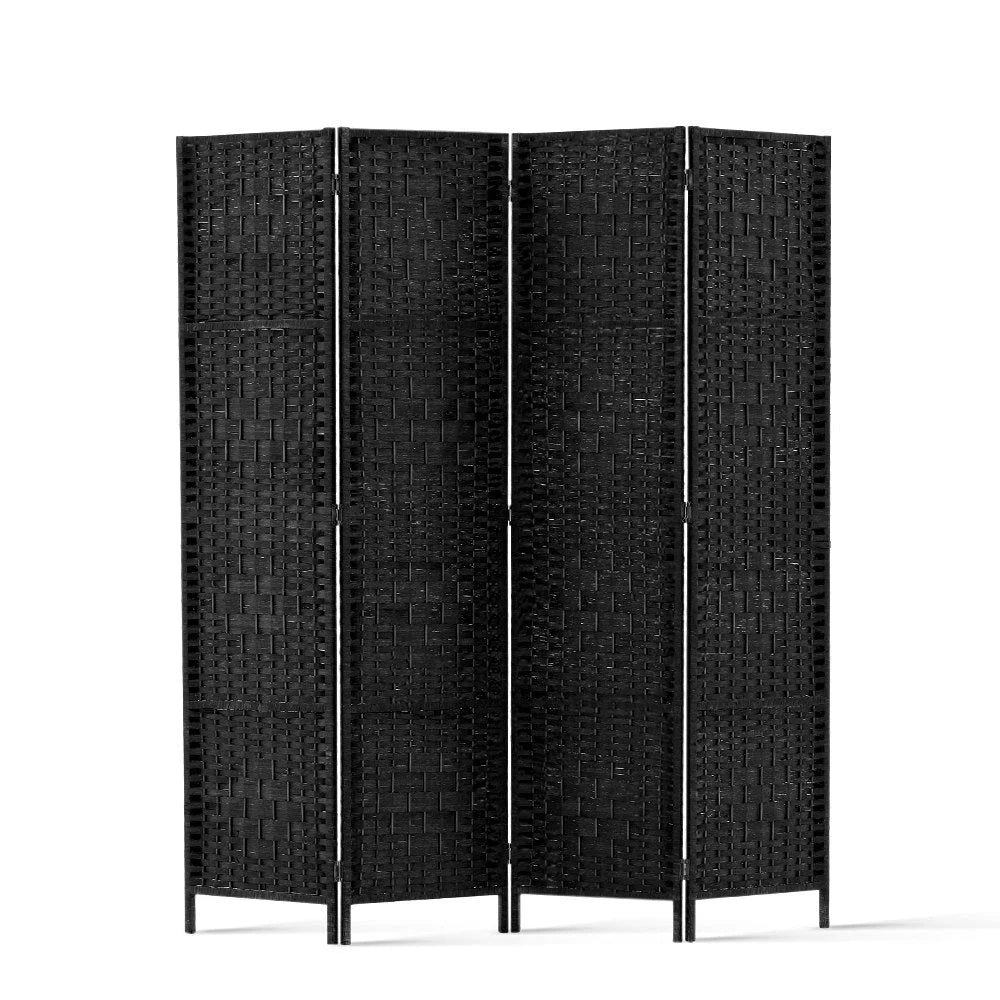
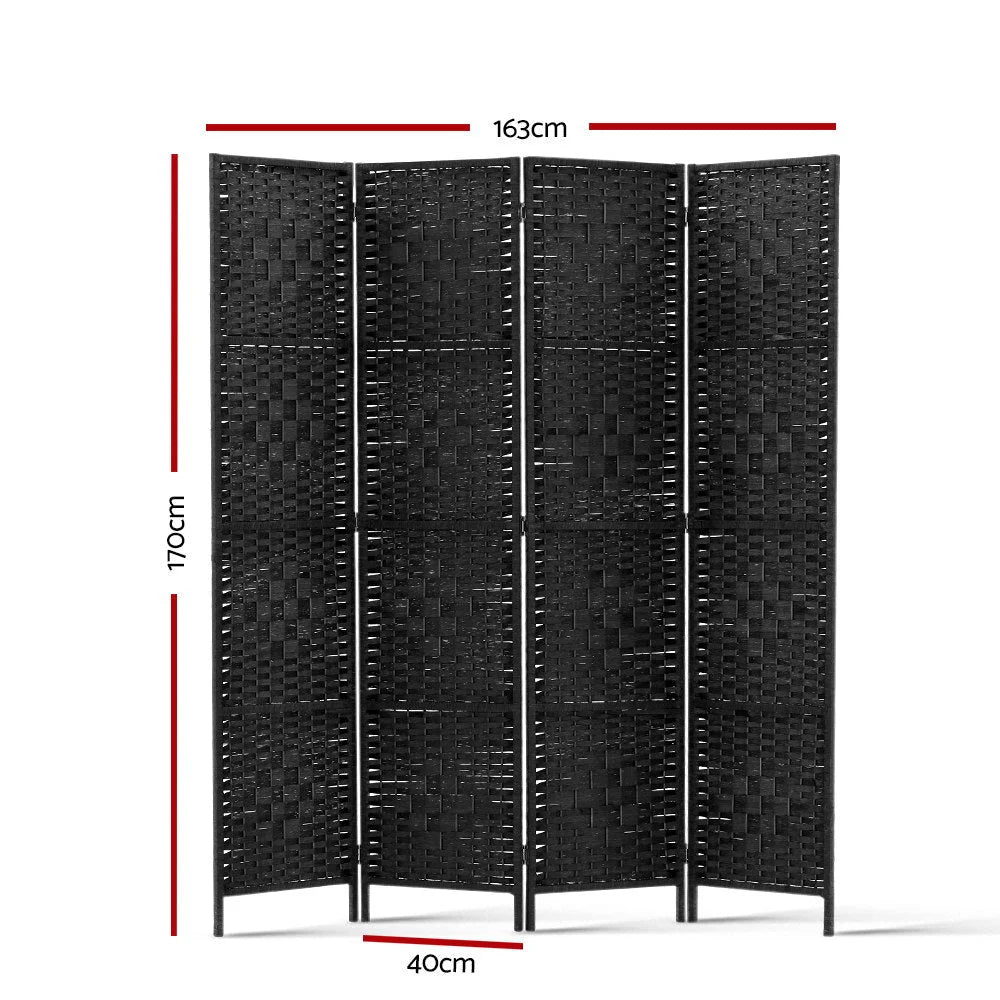 Sale
4-Panel Woven Room Divider, 163 × 170 cm, Black – Artiss
Regular price $75.90 AUDRegular priceUnit price per$116.99 AUDSale price $75.90 AUDSale -

 Sale
4-Panel Woven Room Divider, 163 × 170 cm, Natural – Artiss
Regular price $75.90 AUDRegular priceUnit price per$116.99 AUDSale price $75.90 AUDSale -

 Sale
8-Panel Woven Room Divider, 326 × 170 cm, Natural – Artiss
Regular price $140.90 AUDRegular priceUnit price per$244.99 AUDSale price $140.90 AUDSale -
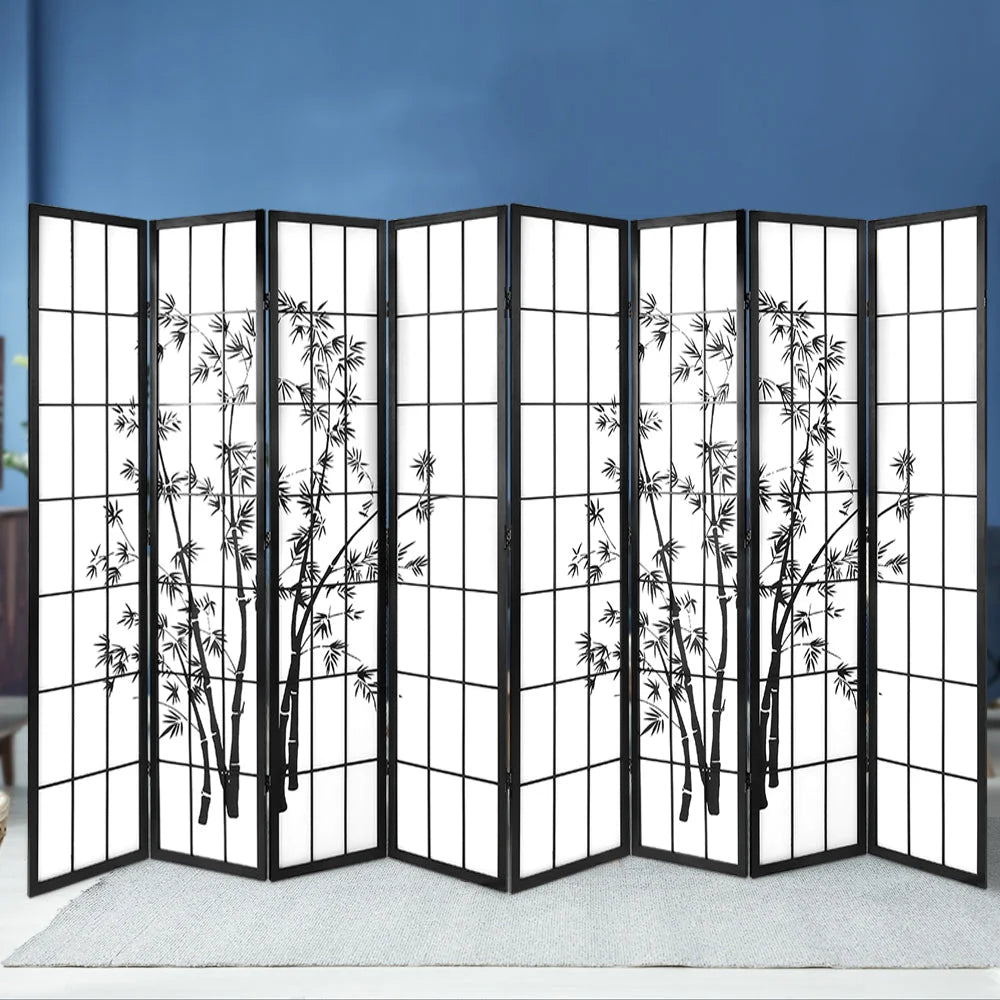
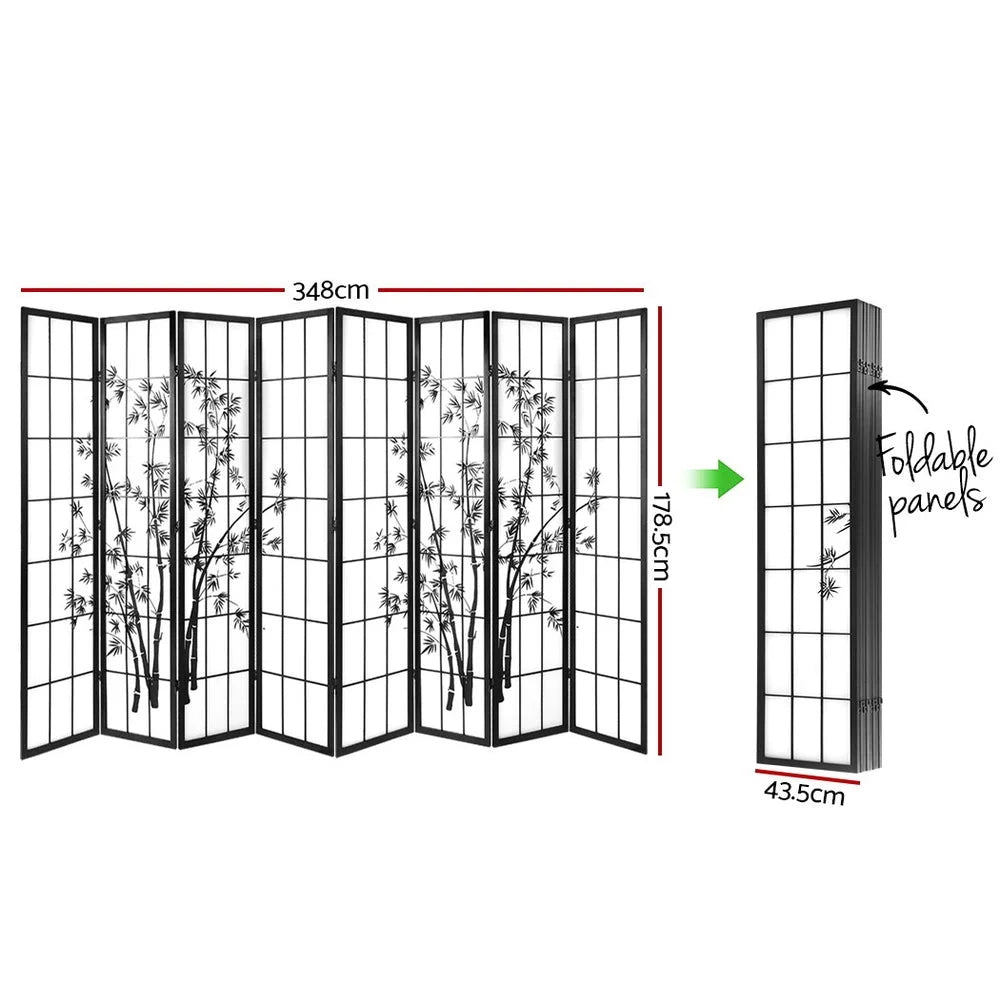 Sale
Room Divider Screen 8 Panel Privacy Dividers Pine Wood Stand Shoji Bamboo Black White
Regular price $255.90 AUDRegular priceUnit price per$349.99 AUDSale price $255.90 AUDSale -
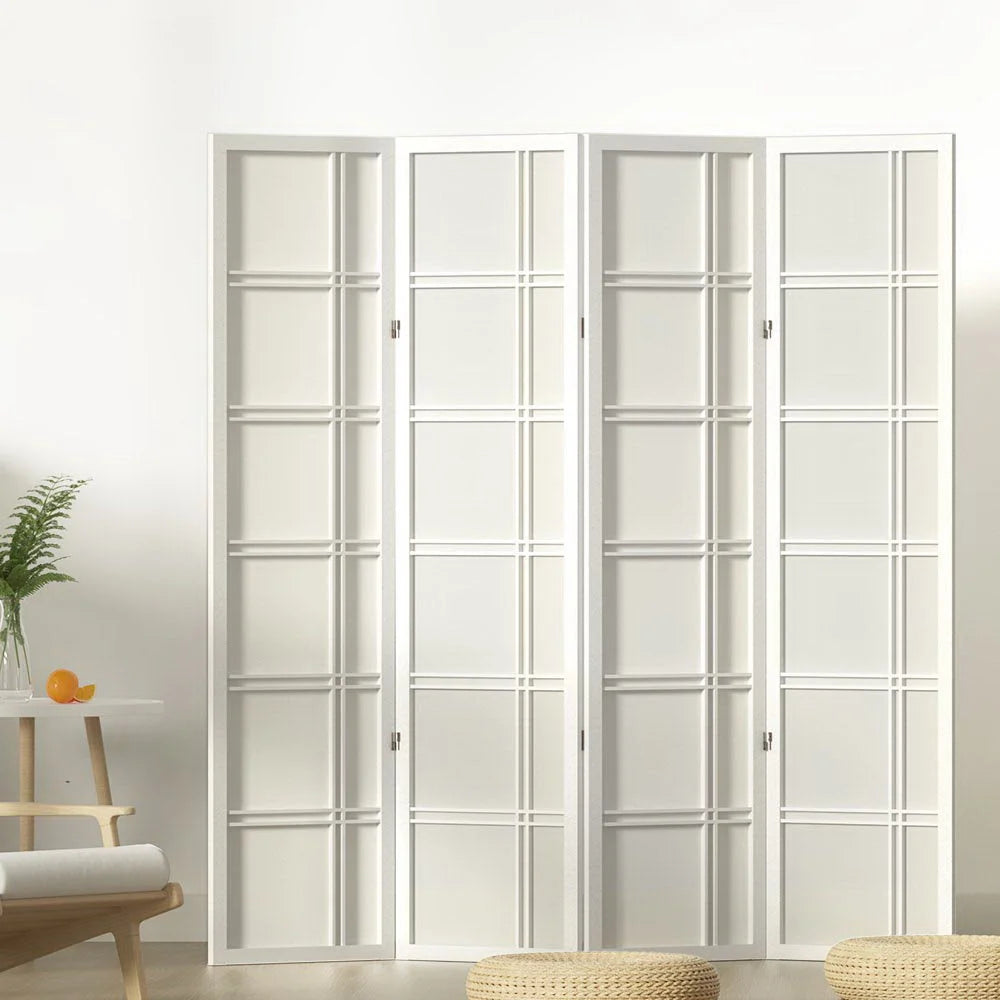
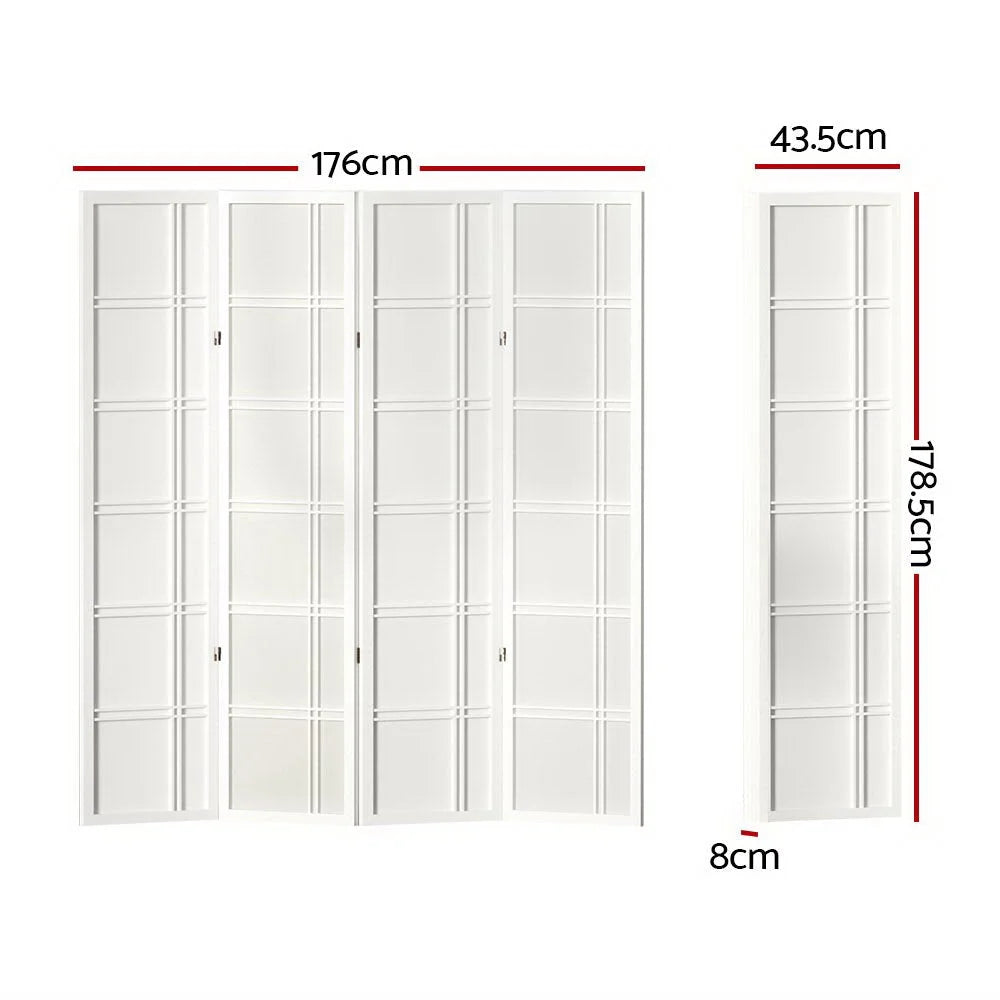 Sale
Room Divider Screen 4 Panel 176x179cm - Nova White
Regular price $137.90 AUDRegular priceUnit price per$199.99 AUDSale price $137.90 AUDSale -
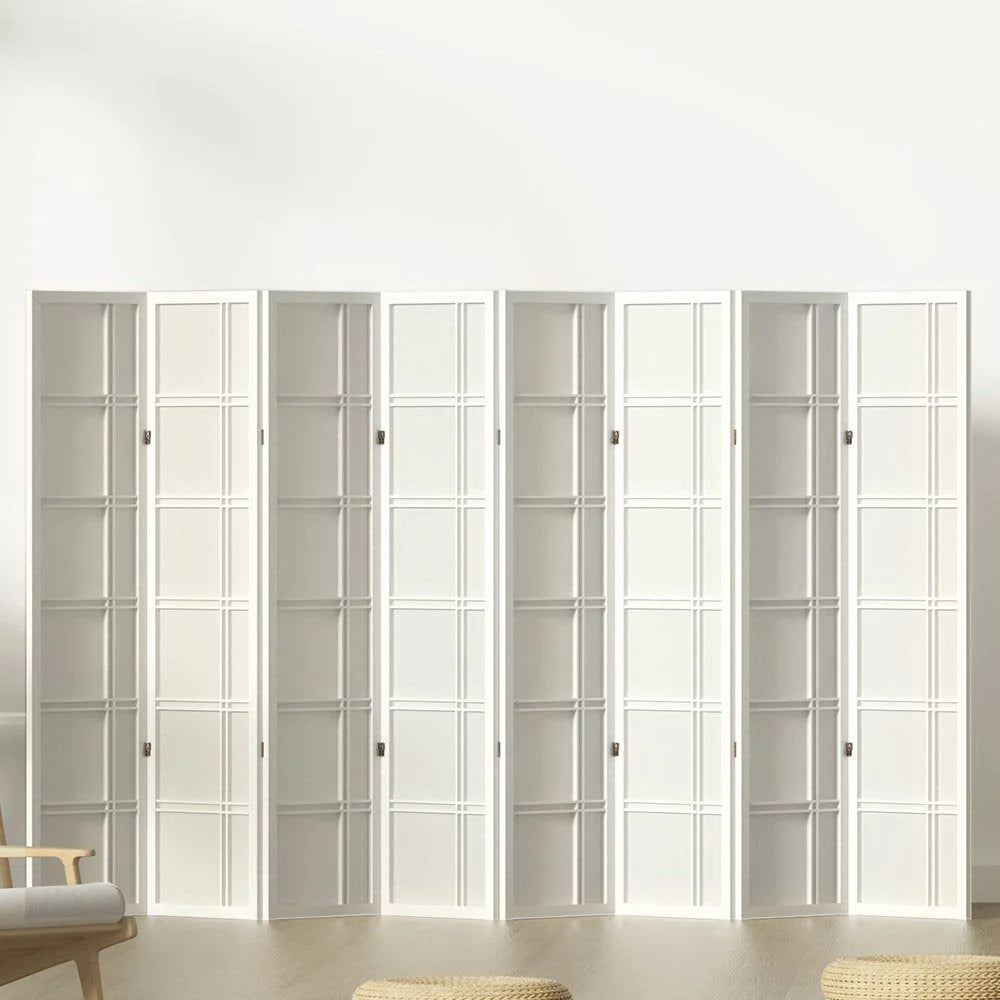
 Sale
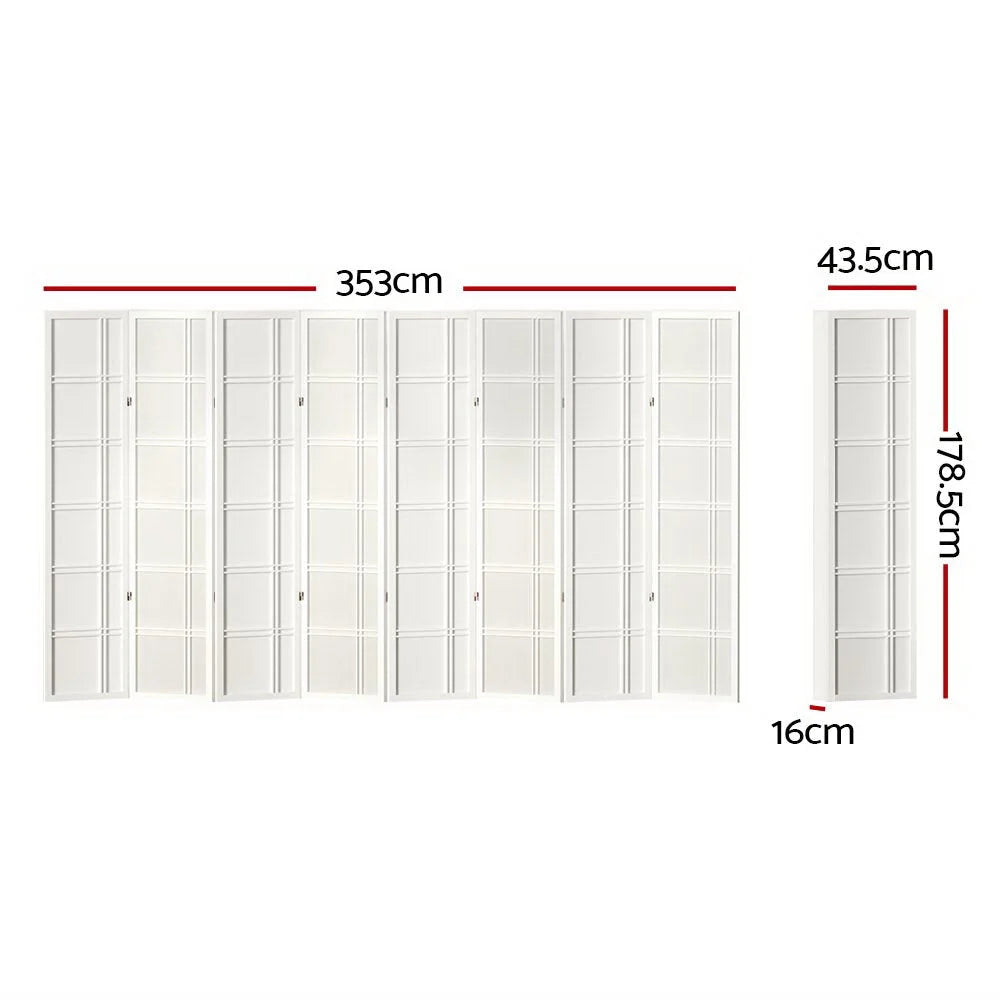
Room Divider Screen 8 Panel 353x179cm - Nova White
Regular price $256.90 AUDRegular priceUnit price per$316.99 AUDSale price $256.90 AUDSale -
 Sale
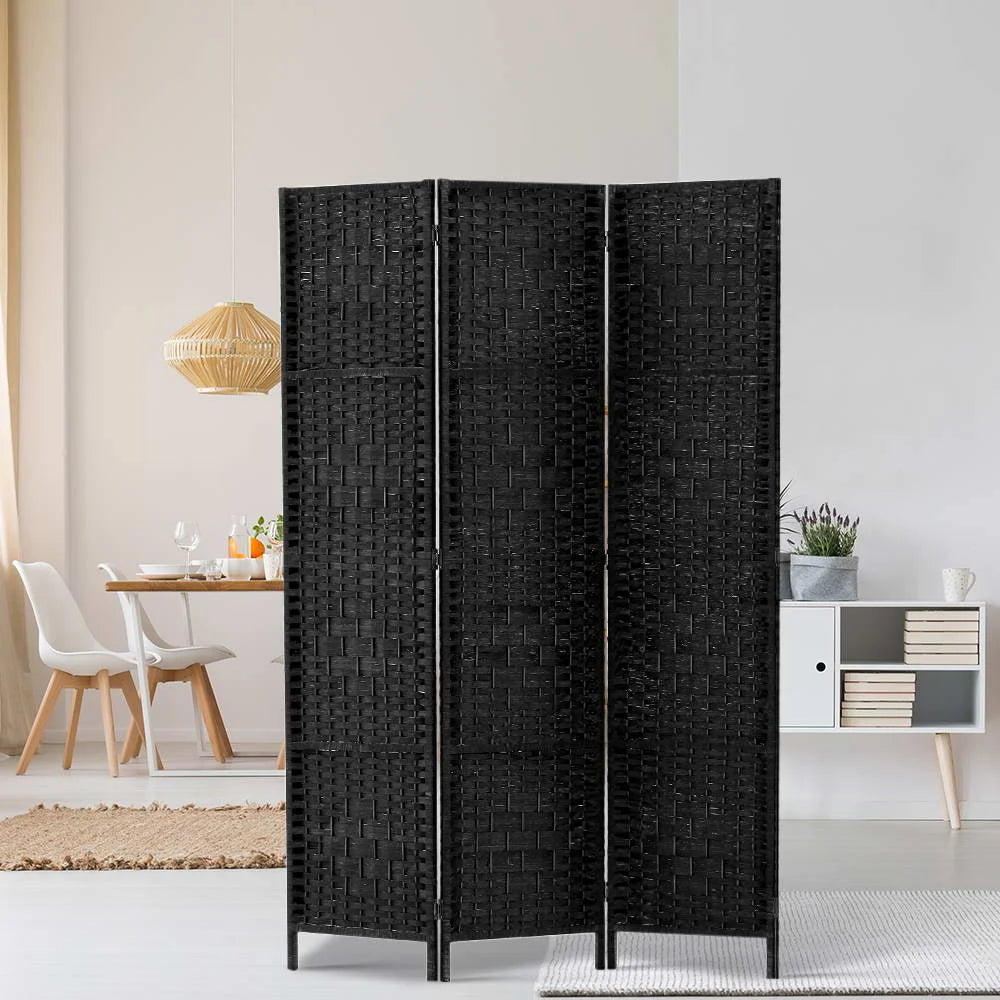
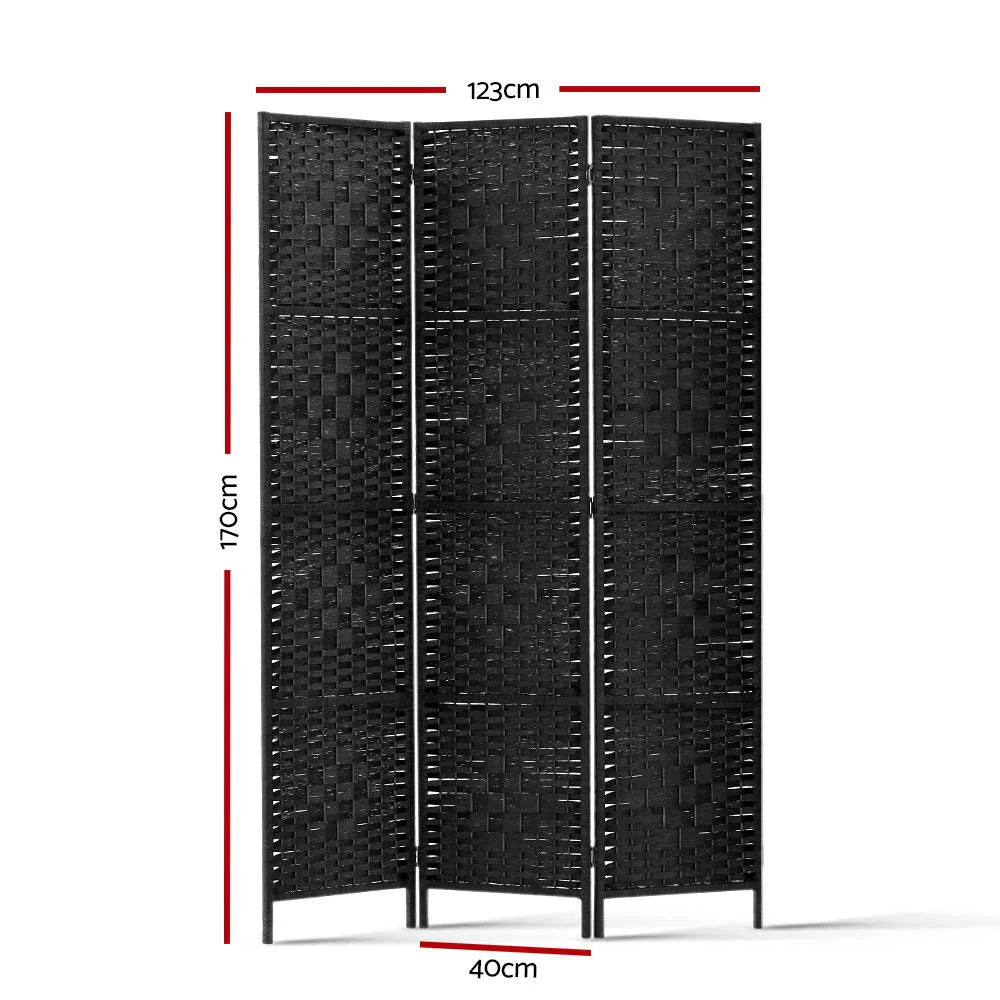
Room Divider Screen 3-Panel 123x170CM Woven - Black
Regular price $69.90 AUDRegular priceUnit price per$104.99 AUDSale price $69.90 AUDSale -
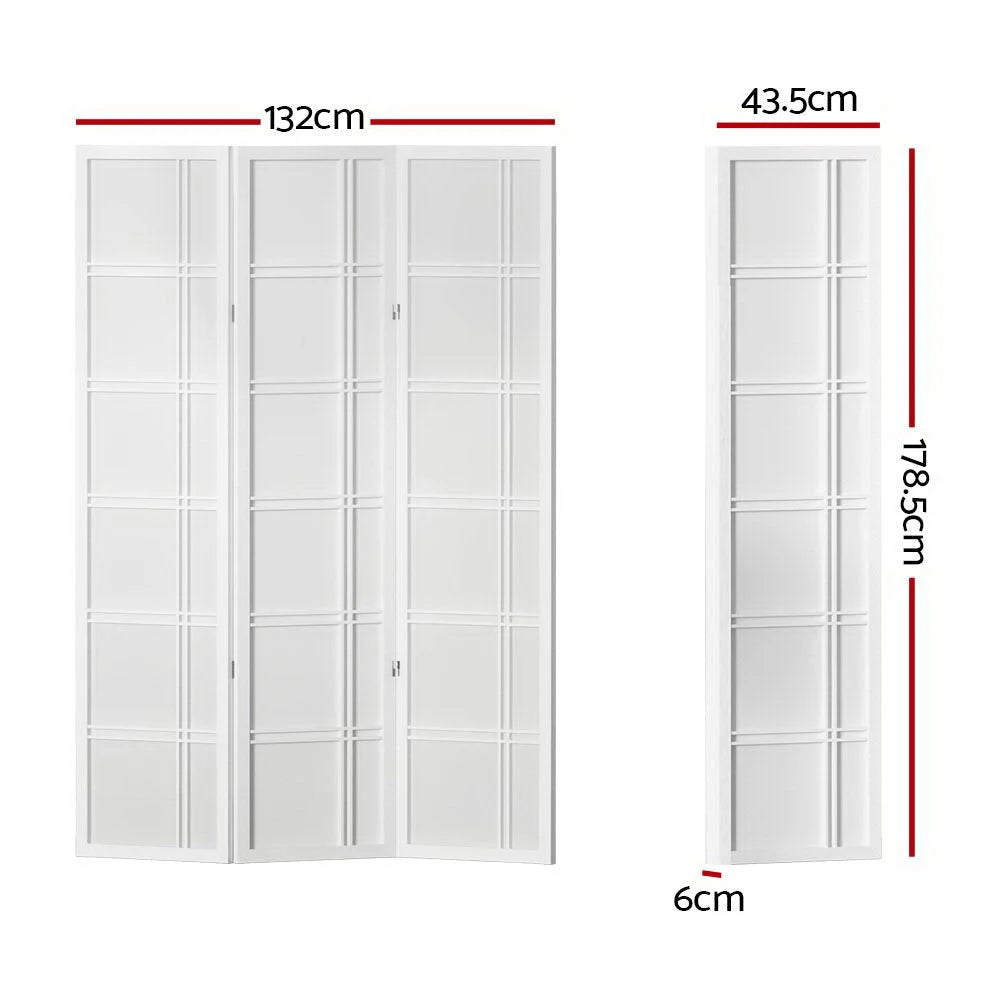 Sale
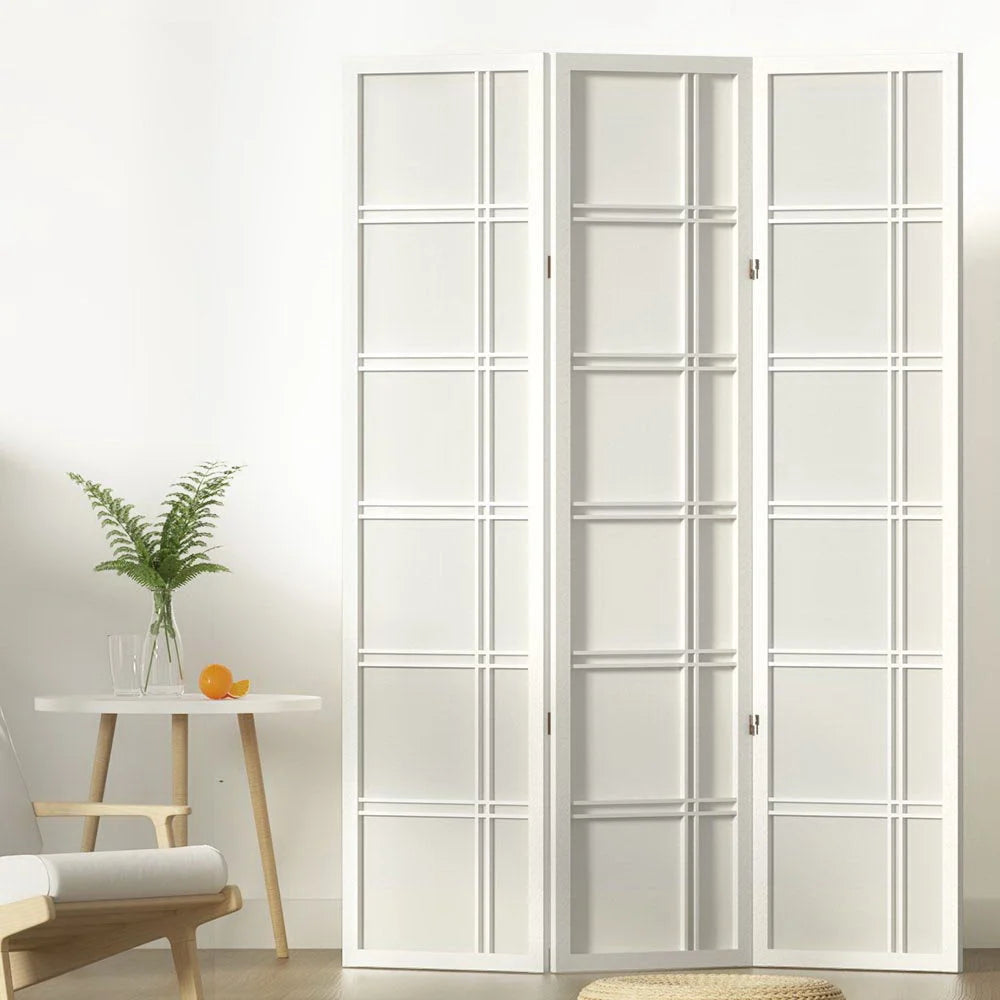
Room Divider Screen 3 Panel 132x179cm - Nova White
Regular price $99.90 AUDRegular priceUnit price per$166.99 AUDSale price $99.90 AUDSale -
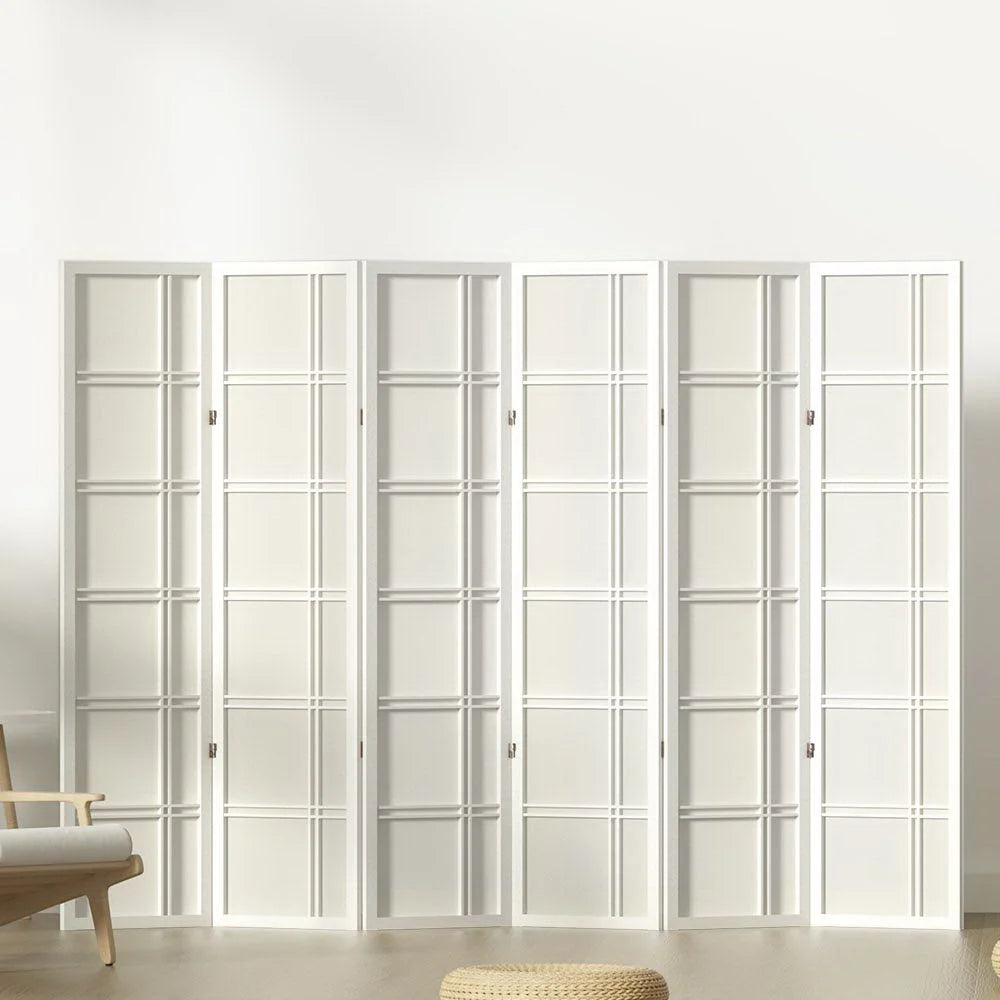
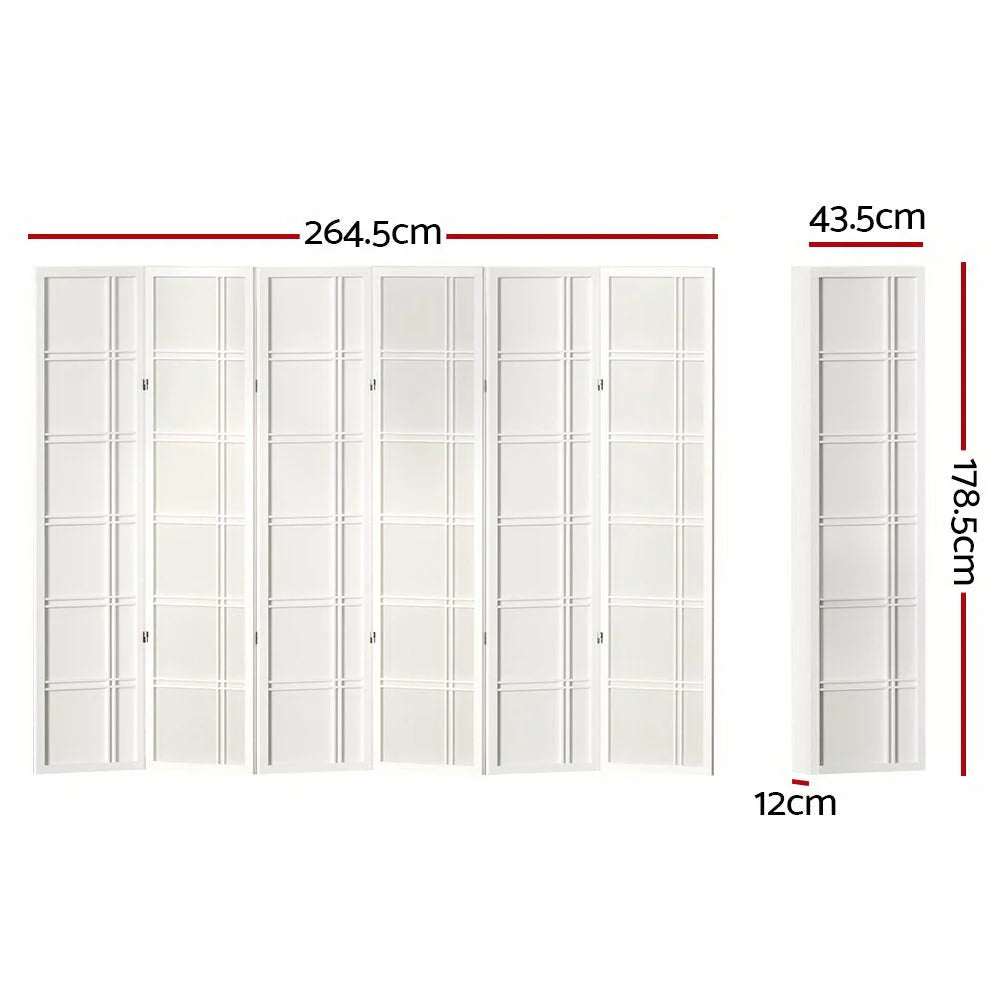 Sale
Room Divider Screen 6 Panel 265x179cm - Nova White
Regular price $169.90 AUDRegular priceUnit price per$276.99 AUDSale price $169.90 AUDSale -

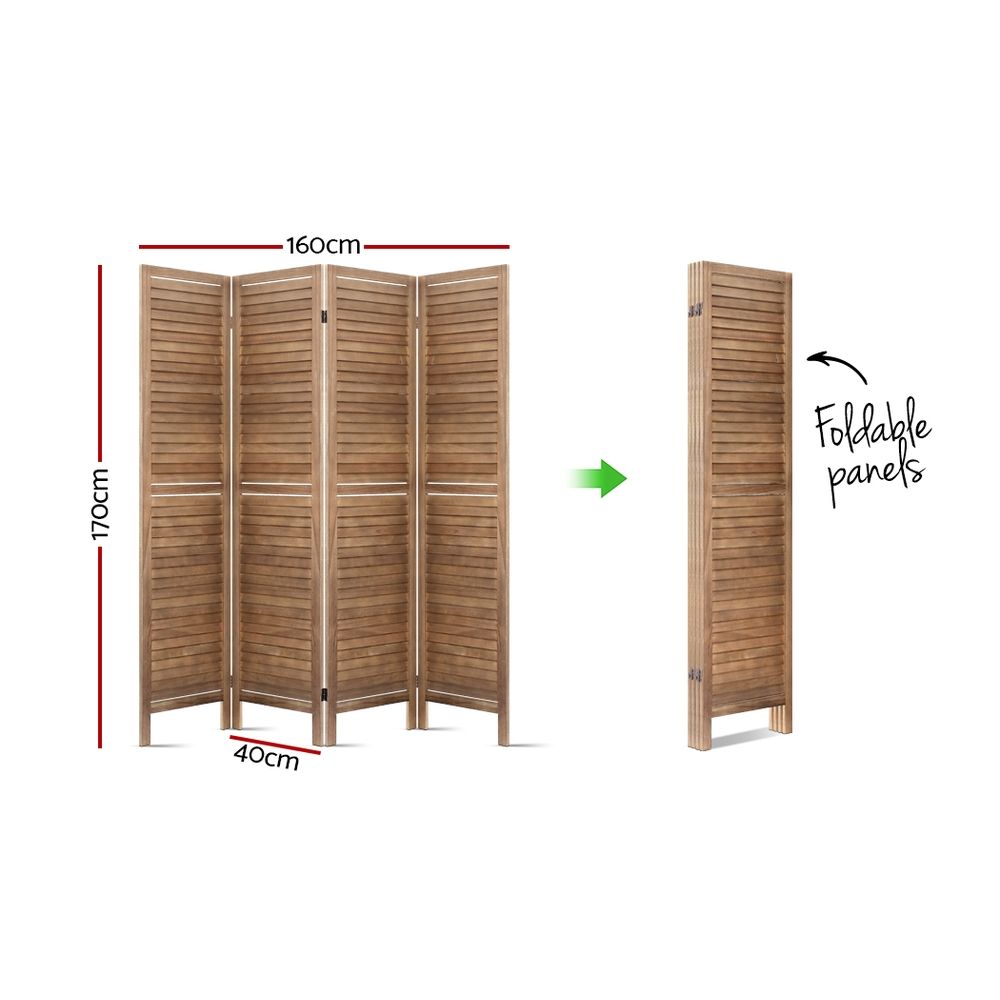 Sale
Room Divider, 4‑Panel Privacy Screen, Foldable Partition, Brown
Regular price $119.90 AUDRegular priceUnit price per$187.99 AUDSale price $119.90 AUDSale


Panel room dividers can separate a work corner, screen an entrance or provide a backdrop without fixing a partition in place. Compare the frame, infill and finish separately: a wooden frame does not make every visible part solid timber or equally opaque. The standing width matters more than the span when laid flat.
1. Look at the panel infill
Solid-looking panels, woven inserts and slats create different levels of visual screening. Examine both the construction description and the gaps around the frame. A divider can feel substantial from one angle while letting views through from another, especially when light comes from behind it.
2. Use the assembled span
More panels can cover a wider area, but the standing arrangement reduces the flat width. Shelf-equipped screens may need a particular opening angle. Plan the actual floor footprint with enough clearance for people to pass without brushing the panels, and confirm any joining steps for multi-part sets.
3. Coordinate the finish without assuming a material
Compare the stated frame material, surface finish and cleaning method. Painted timber, engineered panels and woven components age and clean differently. Use the divider as a movable visual element; it is not a substitute for structural partitioning, sound isolation or a secure barrier.
Useful answers
Wood-Style Panel Room Dividers: your questions
Does a wooden frame mean the whole room-divider panel is solid wood?
No. The frame can surround woven material, slats or an engineered insert, each with a different appearance and level of screening. Compare the frame and infill separately. A wood-coloured finish does not establish solid-timber construction, and an attractive front view may hide gaps visible from the side.
How do I judge whether a panel screen gives enough privacy?
Consider who needs to be screened and from which position. A seated work area has a different sightline from someone standing at the doorway. Look at panel gaps and light passing through the infill; a weave can soften the view while leaving shapes visible when the space behind it is brightly lit.
Are more panels always better for a wider opening?
More panels can add coverage, but also add hinges, weight and floor depth when angled. Compare the recommended standing arrangement with the space available rather than multiplying the width of one panel. If the set joins separate sections or includes shelves, its useful configuration may be more restricted.