
Tool Cabinets
A tool cabinet keeps small tools visible and larger equipment in defined compartments between jobs.
Shop the collection
-
Tool Box Chest Cabinet 6 Drawer Garage Storage Organiser with Wheels
Regular price $249.90 AUDRegular priceUnit price per$349.99 AUDSale price $249.90 AUDSale -
Tool Chest and Trolley Box Cabinet 7 Drawers Cart Garage Storage Black
Regular price $194.90 AUDRegular priceUnit price per$282.99 AUDSale price $194.90 AUDSale -
Tool Box Trolley Chest Cabinet 6 Drawers Cart Garage Toolbox Set Black
Regular price $173.90 AUDRegular priceUnit price per$292.99 AUDSale price $173.90 AUDSale -
Tool Chest and Trolley Box Cabinet 16 Drawers Cart Garage Storage Black
Regular price $341.90 AUDRegular priceUnit price per$459.99 AUDSale price $341.90 AUDSale -
Giantz 3 Drawer Tool Box Cabinet Chest Toolbox Garage Storage Organiser
Regular price $169.90 AUDRegular priceUnit price per$299.99 AUDSale price $169.90 AUDSale -
Tool Box Cabinet, 7‑Drawer, Garage Toolbox Organizer, Black
Regular price $179.90 AUDRegular priceUnit price per$282.99 AUDSale price $179.90 AUDSale -
Tool Box Chest Cabinet 3 Drawer Garage Storage Organiser with Wheels
Regular price $197.90 AUDRegular priceUnit price per$266.99 AUDSale price $197.90 AUDSale -
Tool Box Trolley 15 Drawers Chest Cabinet Cart Garage Storage Boxes Organizer Black
Regular price $325.90 AUDRegular priceUnit price per$454.99 AUDSale price $325.90 AUDSale -
Tool Box Chest Trolley 16 Drawers Cabinet Cart Garage Toolbox Black
Regular price $321.90 AUDRegular priceUnit price per$499.99 AUDSale price $321.90 AUDSale -
Bullet Pro 16 Drawer Tool Box Cabinet Chest Storage, Toolbox Garage Organiser Set, Red
Regular price $531.90 AUDRegular priceUnit price per -
Multi Drawer Parts Storage Cabinet Unit Organizer 22 Home Garage Tool Box
Regular price $61.90 AUDRegular priceUnit price per -
Tool Box Trolley 17 Drawers Chest Cabinet Cart Garage Mechanic Toolbox Black
Regular price $337.90 AUDRegular priceUnit price per$516.99 AUDSale price $337.90 AUDSale -
BULLET Pro 7 Drawer Tool Box Cabinet Trolley Storage, Toolbox Garage Organiser Set, Red
Regular price $361.90 AUDRegular priceUnit price per -
Bullet Pro 4 Drawer Tool Box Cabinet Trolley Storage, with 1-Door Toolbox Garage Organiser Set, Black
Regular price $284.90 AUDRegular priceUnit price per -
Tool Cabinet Multifunctional Desktop Organizer Screwdriver Parts Rack Case
Regular price $26.90 AUDRegular priceUnit price per$31.60 AUDSale price $26.90 AUDSale -
Nail Tool Cleaning Machine 12L Large Capacity Tool Cabinet Cleaner Box
Regular price $79.90 AUDRegular priceUnit price per$73.90 AUDSale price $79.90 AUD -
Nail Tool Cleaning Machine, 12L Large Capacity, Knob Control, Tool Cabinet Cleaner Box with Timer Setting, Tempered Glass Door, 185nm Wavelength, for Labs, Home, Nail Salons, Beauty Salons
Regular price $82.90 AUDRegular priceUnit price per$76.90 AUDSale price $82.90 AUD -
Giantz Tool Trolley Cart Rolling Cabinet with Drawer Workshop Garage Storage
Regular price $110.90 AUDRegular priceUnit price per$182.99 AUDSale price $110.90 AUDSale -
Giantz Rolling Tool Cabinet Heavy-Duty Storage Cabinet Adjustable Shelf Black
Regular price $167.90 AUDRegular priceUnit price per$283.25 AUDSale price $167.90 AUDSale -
Giantz 6 Drawer Tool Chest Trolley Cabinet Cart Toolbox Storage Organiser Wheels
Regular price $238.90 AUDRegular priceUnit price per$362.99 AUDSale price $238.90 AUDSale -
Giantz Rolling Tool Cabinet Heavy-Duty Storage Cabinet Adjustable Shelf Black and Grey
Regular price $164.90 AUDRegular priceUnit price per$282.99 AUDSale price $164.90 AUDSale -
GIANTZ 5 Drawer Tool Chest Box Cabinet Lockable Garage Storage Organiser Black
Regular price $115.90 AUDRegular priceUnit price per$182.99 AUDSale price $115.90 AUDSale -
Giantz Wall Mount Steel Tool Cabinet Garage Storage Box Lockable Overhead Shelf Black
Regular price $125.90 AUDRegular priceUnit price per$216.99 AUDSale price $125.90 AUDSale -
Giantz Tool Chest Trolley Cabinet Rolling Toolbox Garage Storage Tools organizer
Regular price $137.90 AUDRegular priceUnit price per$216.99 AUDSale price $137.90 AUDSale


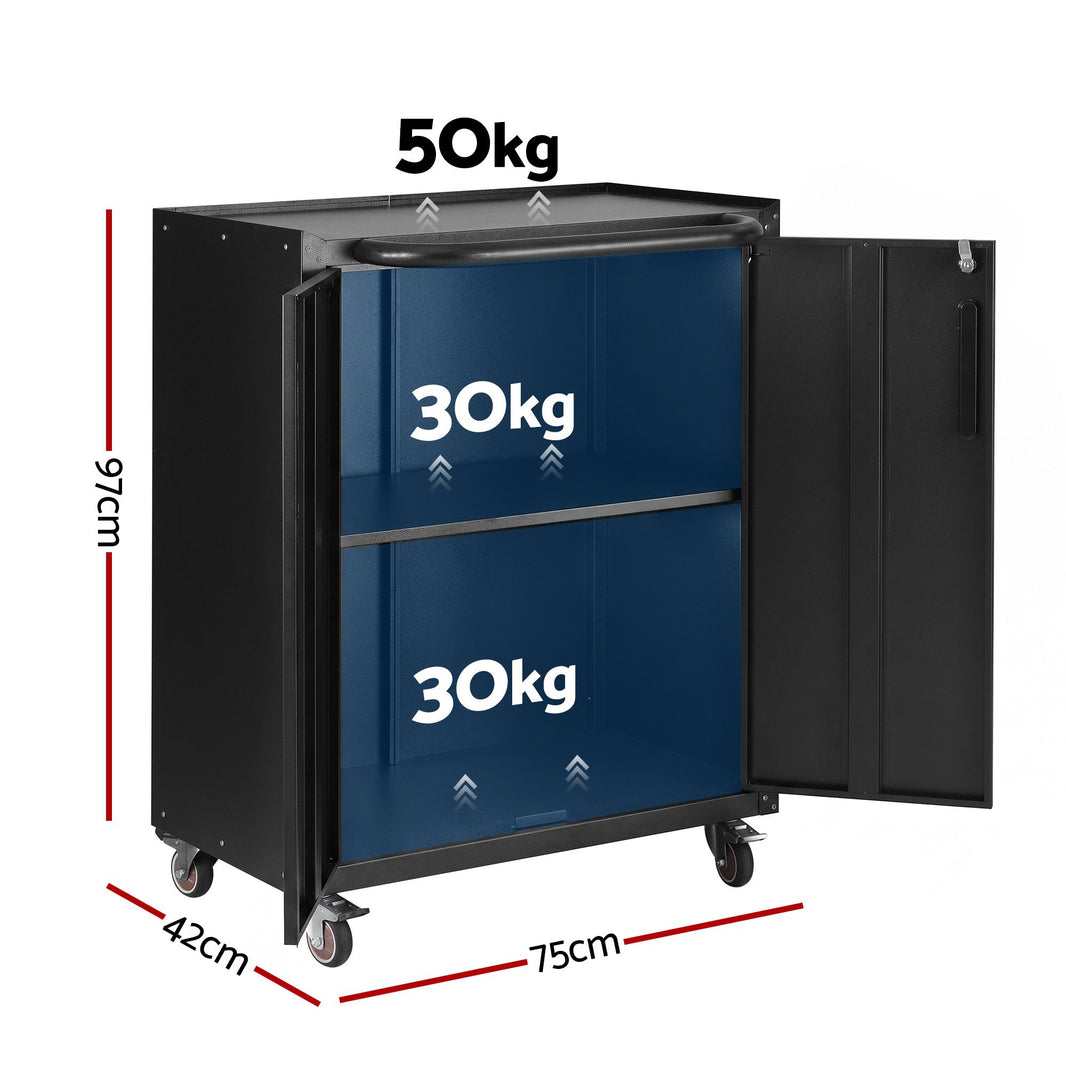


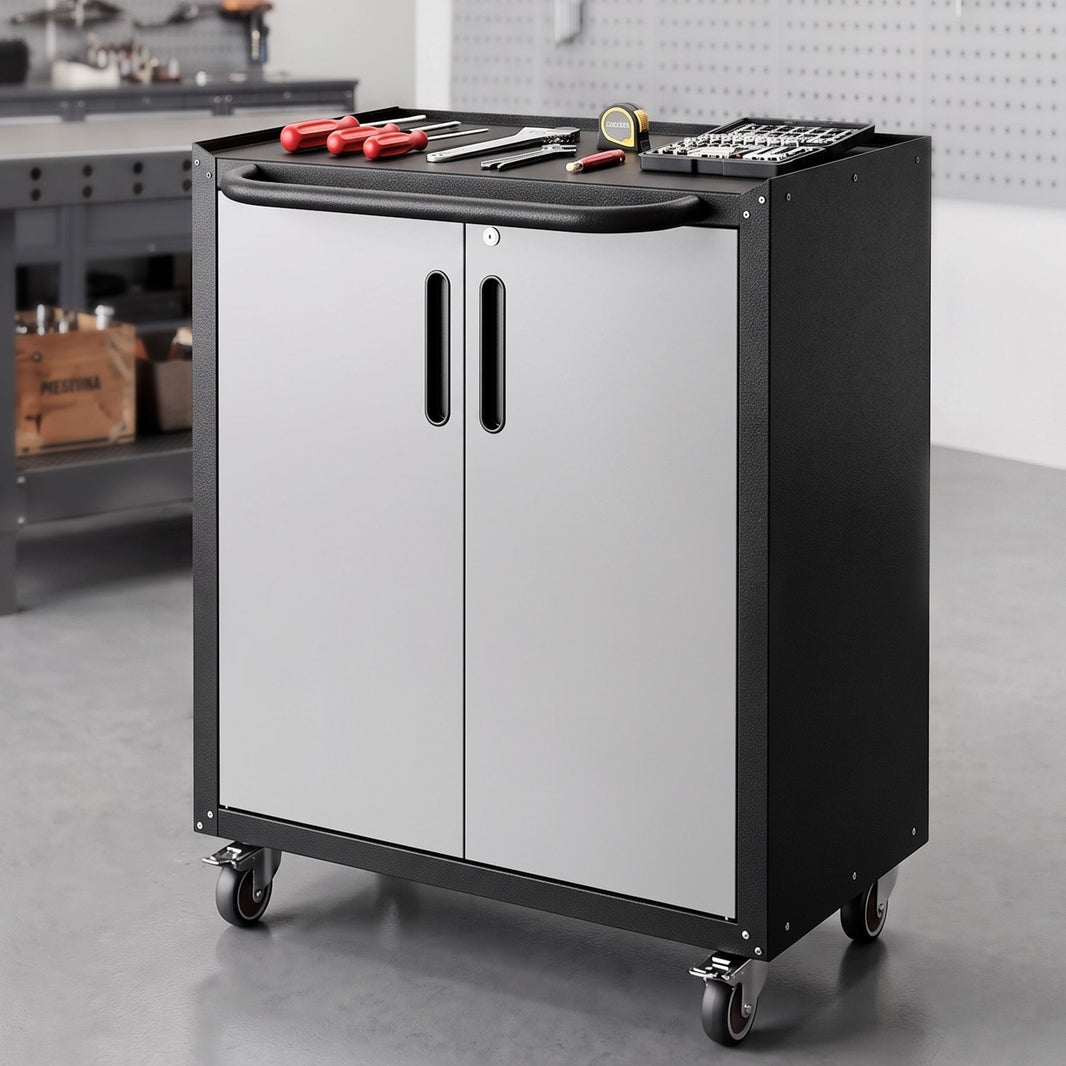
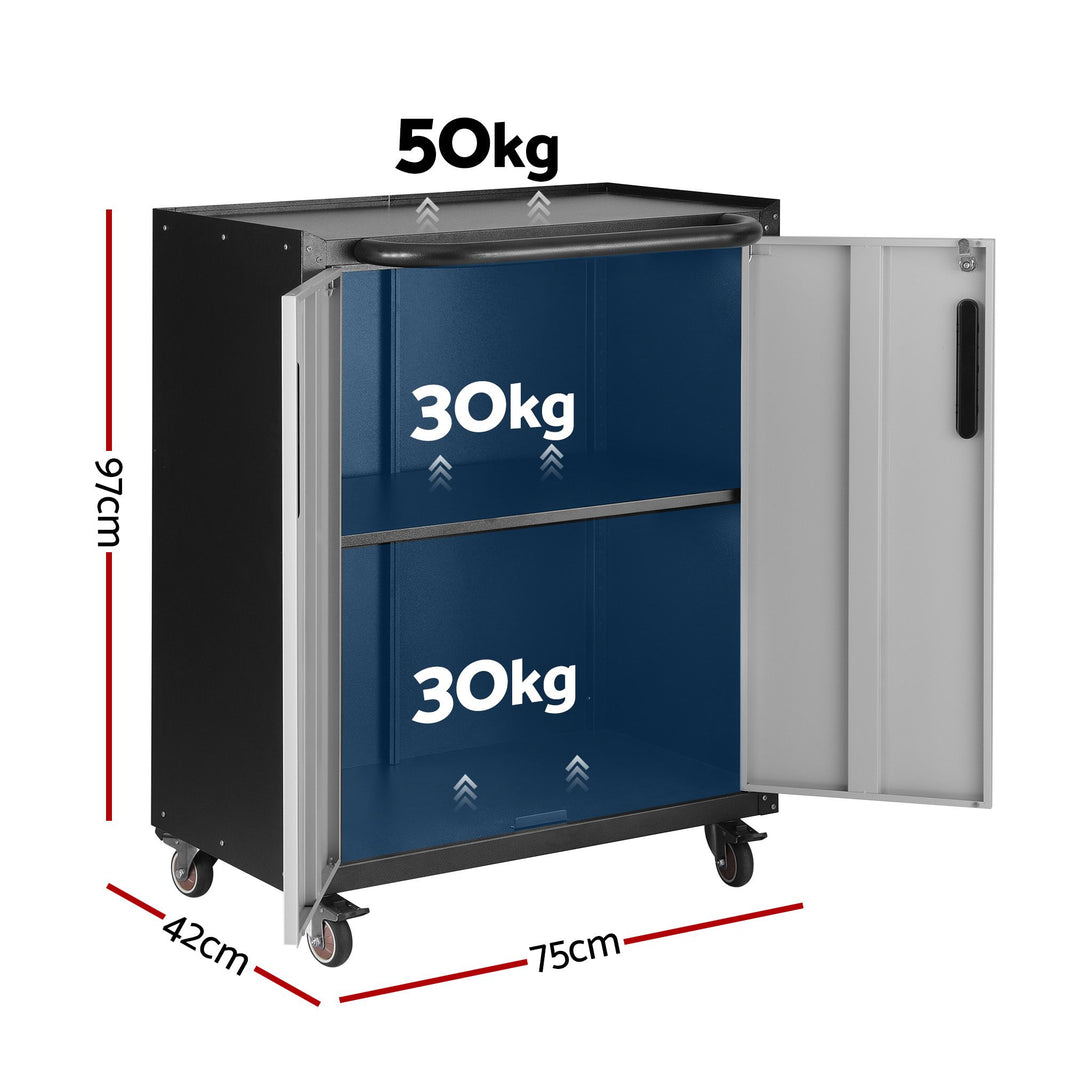


A tool cabinet keeps small tools visible and larger equipment in defined compartments between jobs. Compare the mix of shallow and deep drawers, the top arrangement and the room needed to open them. Some cabinets sit on wheels; choose that format only when its permitted movement suits your workshop routine.
Assign drawers by task or tool size
Sockets, spanners and measuring equipment are easier to find when each has a defined position. Separate delicate measuring tools from loose heavy items. Deep drawers can accommodate larger cases, while shallow ones avoid stacking small tools where labels and sizes become hard to see.
Allow for opening and retrieval
A drawer must extend far enough to reach items at the back, but that extension occupies the aisle. Check the working space with the cabinet in its intended location. A wider cabinet beside a bench may work better than a tall stack if regularly used tools would otherwise be awkward to reach.
Compare the complete cabinet arrangement
A top chest plus lower cabinet is different from one continuous drawer body. Look at how the sections join, the intended top load and each drawer’s rating. Locks help keep the kit together, but a lock alone does not establish resistance to forced entry or make a moving cabinet stable.
Useful answers
Tool Cabinets questions, answered
What drawer mix works best in a tool cabinet?
Lay out the equipment you use most often. Shallow drawers keep sockets and small tools visible; deeper ones accommodate cases or bulky items. Compare usable dimensions with your actual kit. Several shallow drawers cannot replace one compartment that fits a larger tool, and stacked small items become harder to identify.
How much clearance does a tool cabinet need in front?
Allow the space needed for the drawers you will open, your working position and removal of the longest item. Include nearby bench legs or doors in the layout. Check the maker’s opening and loading instructions; fitting the closed cabinet into an alcove does not establish a usable arrangement.
Does a lockable tool cabinet provide certified theft protection?
A lock helps keep the contents together, but it does not establish a security rating or resistance to forced entry. If secure storage is a priority, obtain documented information for that purpose. Compare drawer organisation and workshop access separately from the level of protection you need.