
Pet Collars & Identification
Pet identification collars make room for a visible tag or contact details; an ordinary collar does not transmit a location.
Shop the collection
-
Purina Cats Reflective Adjustable 23 to 27cm Collar Colour Randomly Selected x1
Regular price $28.70 AUDRegular priceUnit price per$43.70 AUDSale price $28.70 AUDSale -
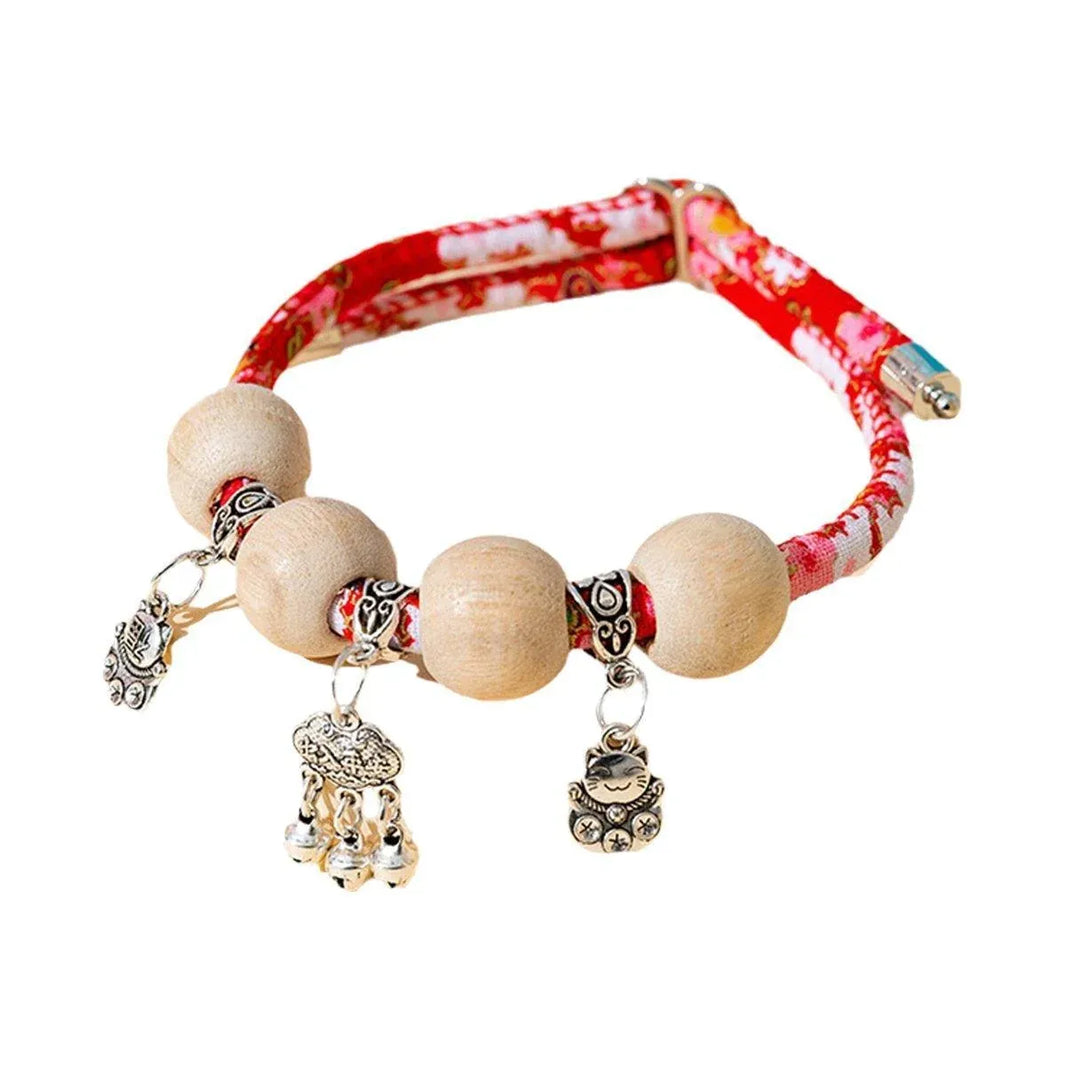

Camphor Wood Bead Collar with Bell Necklace for Cats and Dogs Pet Accessories - Red-Longevity Lock
Regular price $13.90 AUDRegular priceUnit price per$17.03 AUDSale price $13.90 AUDSale -
100% Pure Bamboo Fibre Cat Collar Plastic Buckle Navy - Moondidley Pets
Regular price $8.90 AUDRegular priceUnit price per$14.00 AUDSale price $8.90 AUDSale -
Camellia Pet Collar with Bell Adjustable for Cats Small Dogs Daily Decoration - Red
Regular price $14.90 AUDRegular priceUnit price per$17.40 AUDSale price $14.90 AUDSale -
1× Adjustable Suede Cat Collar with Bow Bell Pink Blue Black Red - Purple
Regular price $14.90 AUDRegular priceUnit price per$17.27 AUDSale price $14.90 AUDSale -
Adjustable PU Leather Cat Collar with Bell Breakaway Buckle 9 Colours - Brown
Regular price $12.90 AUDRegular priceUnit price per$15.90 AUDSale price $12.90 AUDSale -
Adjustable PU Leather Cat Collar with Bell Breakaway Buckle 9 Colours - Yellow
Regular price $12.90 AUDRegular priceUnit price per$15.57 AUDSale price $12.90 AUDSale -
1× Adjustable Suede Cat Collar with Bow Bell Pink Blue Black Red - Pink
Regular price $15.90 AUDRegular priceUnit price per$19.56 AUDSale price $15.90 AUDSale -
Adjustable PU Leather Cat Collar with Bell Breakaway Buckle 9 Colours - Purple
Regular price $12.90 AUDRegular priceUnit price per$15.54 AUDSale price $12.90 AUDSale -
Camellia Pet Collar with Bell Adjustable for Cats Small Dogs Daily Decoration - White
Regular price $14.90 AUDRegular priceUnit price per$17.40 AUDSale price $14.90 AUDSale -
Reflective Cat Collar with Breakaway Buckle and Bell Adjustable for Small Pet Use - Rose Red
Regular price $8.90 AUDRegular priceUnit price per$10.20 AUDSale price $8.90 AUDSale -
1× Adjustable Suede Cat Collar with Bow Bell Pink Blue Black Red - Rose Red
Regular price $14.90 AUDRegular priceUnit price per$17.77 AUDSale price $14.90 AUDSale -
Reflective Cat Collar with Breakaway Buckle and Bell Adjustable for Small Pet Use - Yellow
Regular price $8.90 AUDRegular priceUnit price per$10.20 AUDSale price $8.90 AUDSale -
Adjustable PU Leather Cat Collar with Bell Breakaway Buckle 9 Colours - Green
Regular price $12.90 AUDRegular priceUnit price per$15.64 AUDSale price $12.90 AUDSale -
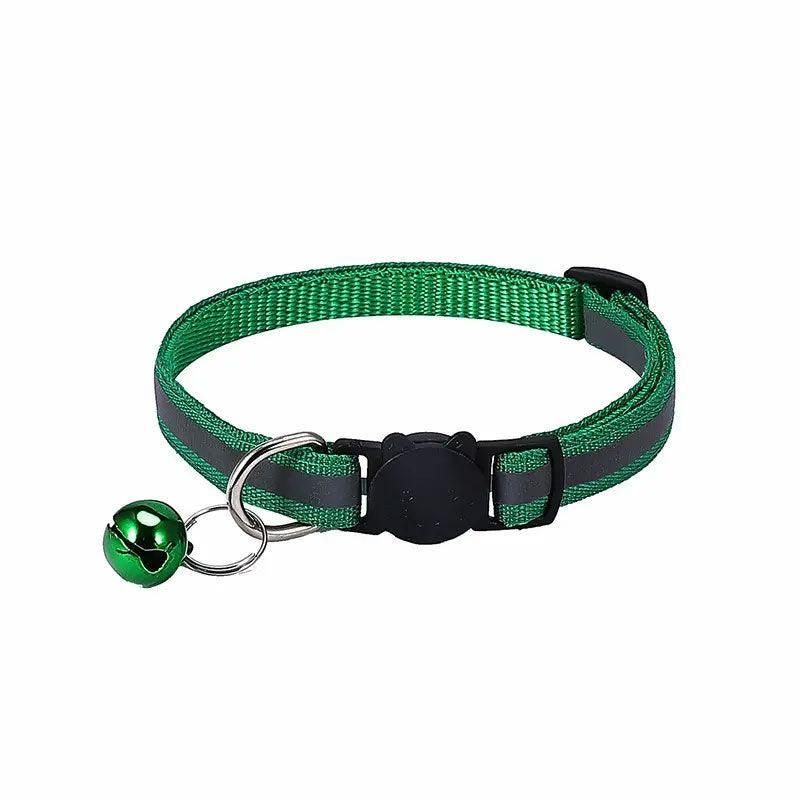
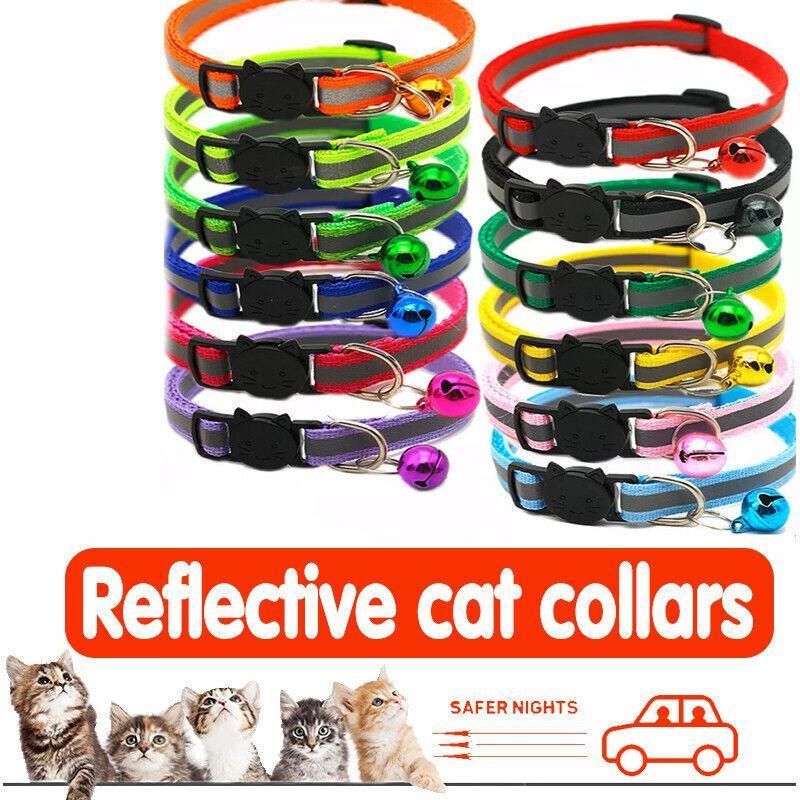
Reflective Cat Collar with Breakaway Buckle and Bell Adjustable for Small Pet Use - Apple Green
Regular price $8.90 AUDRegular priceUnit price per$10.22 AUDSale price $8.90 AUDSale -
1× Adjustable Suede Cat Collar with Bow Bell Pink Blue Black Red - Brown
Regular price $14.90 AUDRegular priceUnit price per$17.33 AUDSale price $14.90 AUDSale -
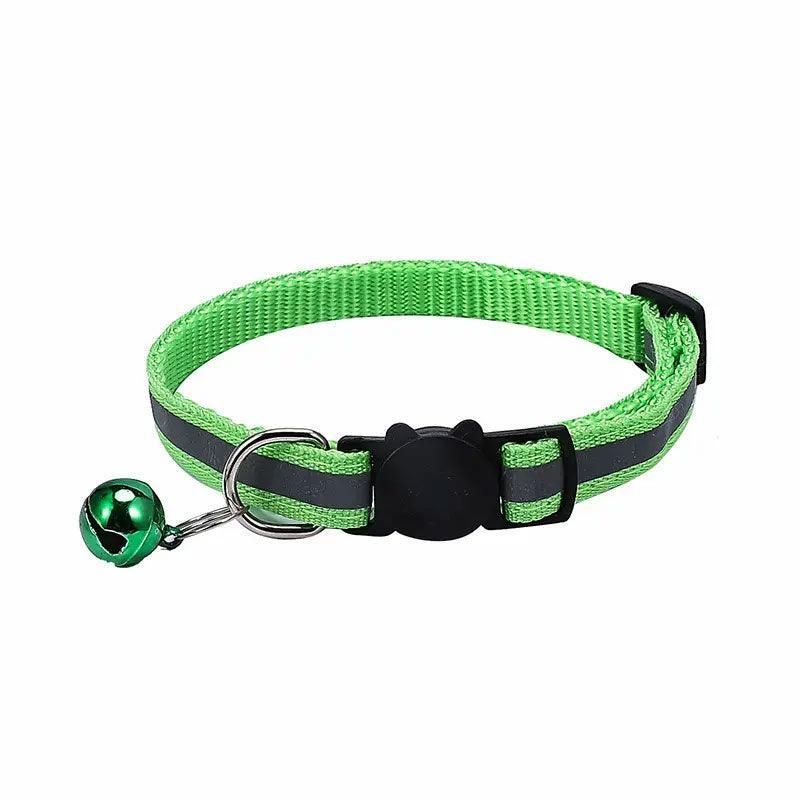
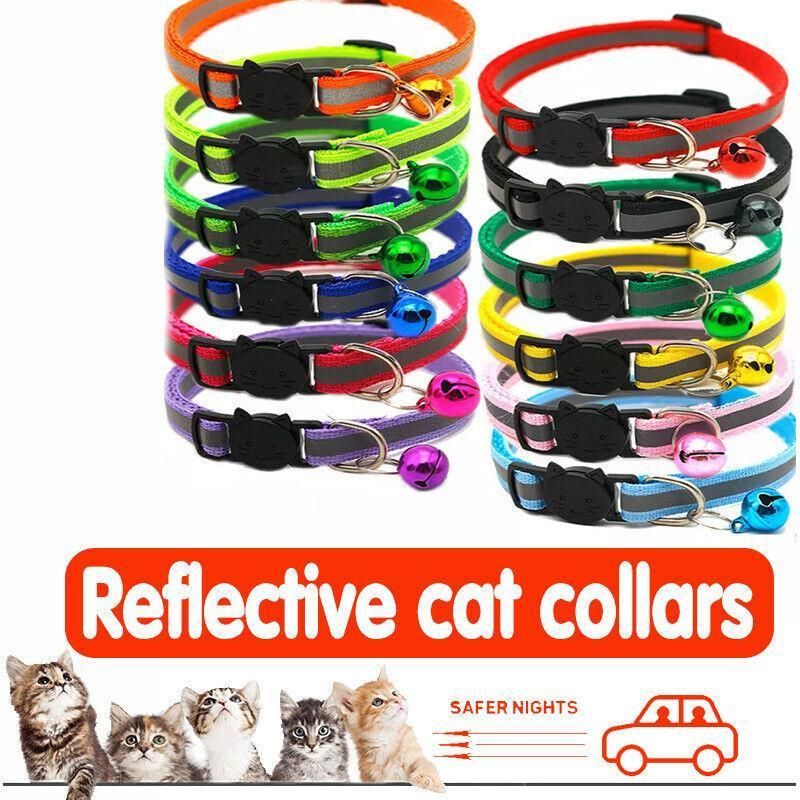
Reflective Cat Collar with Breakaway Buckle and Bell Adjustable for Small Pet Use - Light Green
Regular price $8.90 AUDRegular priceUnit price per$10.20 AUDSale price $8.90 AUDSale -
1× Adjustable Suede Cat Collar with Bow Bell Pink Blue Black Red - Red
Regular price $15.90 AUDRegular priceUnit price per$19.12 AUDSale price $15.90 AUDSale -
Camellia Pet Collar with Bell Adjustable for Cats Small Dogs Daily Decoration - Pink
Regular price $14.90 AUDRegular priceUnit price per$17.40 AUDSale price $14.90 AUDSale -

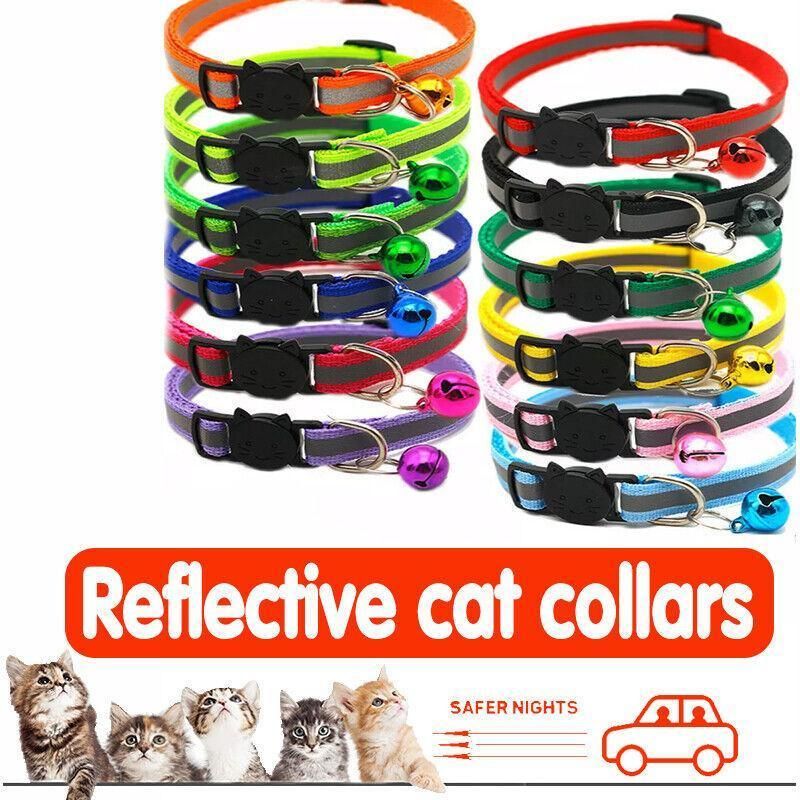
Reflective Cat Collar with Breakaway Buckle and Bell Adjustable for Small Pet Use - Light Purple
Regular price $8.90 AUDRegular priceUnit price per$10.22 AUDSale price $8.90 AUDSale


Pet identification collars make room for a visible tag or contact details; an ordinary collar does not transmit a location. Compare the neck adjustment and fastening for the animal, then establish whether an ID tag or separate device is included. For a cat, a suitable breakaway fastening is an important part of the choice.
Separate a collar from a tracking device
An ordinary collar carries or displays identification; it does not transmit a location. An electronic tracker, if supplied, needs its own compatibility, power and service checks. A decorative fitting or bell is not evidence of GPS functionality.
Visible identification is useful alongside the relevant registration and microchip arrangements. Keep contact information current rather than treating a new accessory as the whole identification plan.
Choose the fastening for the animal
Cat collars need an appropriate safety-release arrangement so a snag does not become a restraint. A walking collar or harness for a dog serves a different purpose. Do not interchange these functions simply because the neck range is similar.
Recheck the fit as the animal grows or its coat changes. Ensure any tag is manageable in size and does not interfere with eating or normal movement.
Inspect small parts regularly
Look at the buckle, tag ring and attached fittings for damage or loosening. A bell adds sound but does not replace containment or supervision.
If adding a tracker separately, compare the device dimensions with its holder and the collar’s adjustment. The holder alone does not provide location information, and added hardware should not interfere with the fastening.
Further reading: RSPCA: choosing a cat collar · RSPCA: what to do if a cat is missing
Useful answers
Pet Collars & Identification FAQs
Does a pet identification collar track my pet’s location?
An ordinary collar or tag does not transmit a location. It can display contact details, while an electronic tracker is a separate device with its own power and service requirements. This selection is collar-led, so do not assume a bell, holder or decorative fitting includes GPS functionality.
Why is a breakaway fastening important on a cat collar?
It is designed to release if the collar snags, reducing the chance that the cat remains caught. Check the fastening type rather than relying on appearance or a plastic buckle alone. A dog walking collar has a different role and should not automatically be substituted just because its neck range fits.
Does a visible ID tag replace a microchip?
They serve different purposes. A tag can let someone contact you quickly, while a microchip is read with a scanner and linked to recorded details. Keep contact information current on both relevant systems, and follow the identification requirements where you live; buying a collar does not update any database.