
Stock Pots, Dutch Ovens & Multi-Purpose Pots
Soup, pasta and a slow-cooked casserole place different demands on a pot.
Shop the collection
-

 Sale
Tri-Ply 18/10 Stainless Steel Saucepan with Glass Lid, 28 cm, Set of 2 – SOGA
Regular price $162.80 AUDRegular priceUnit price per$299.80 AUDSale price $162.80 AUDSale -
 Sale
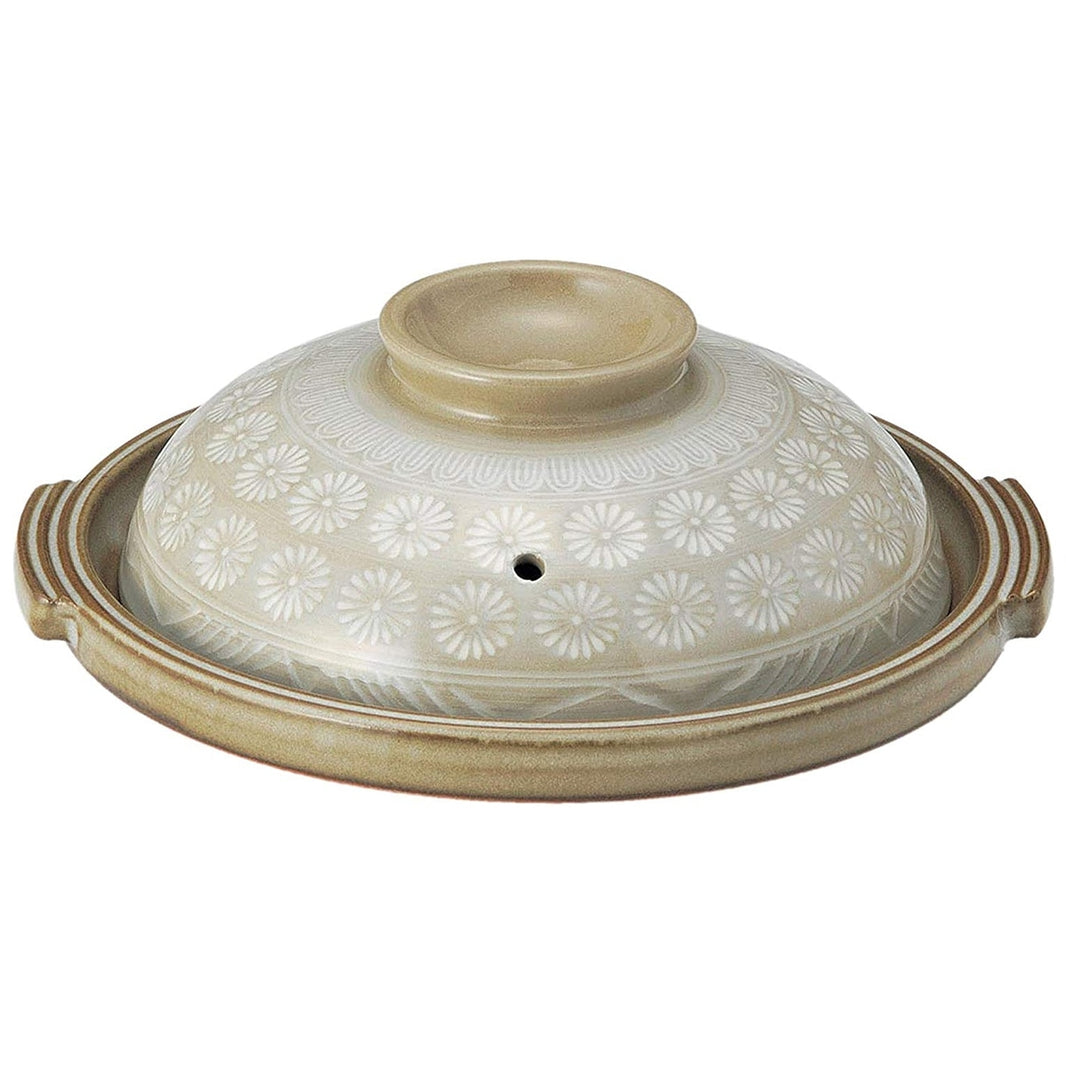
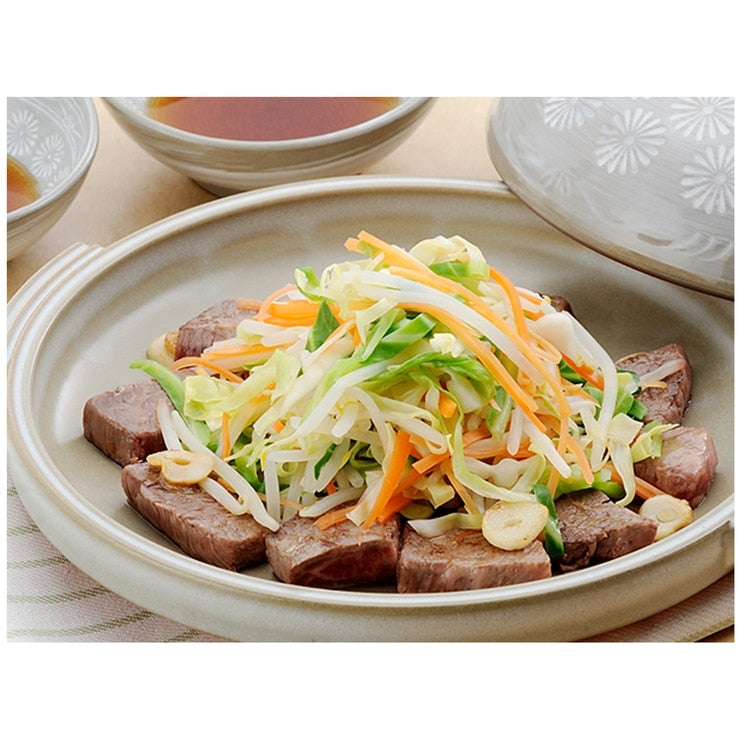
Ginpo Mishima Toban Pot (#8)
Regular price $111.90 AUDRegular priceUnit price per$144.95 AUDSale price $111.90 AUDSale -
 Sale
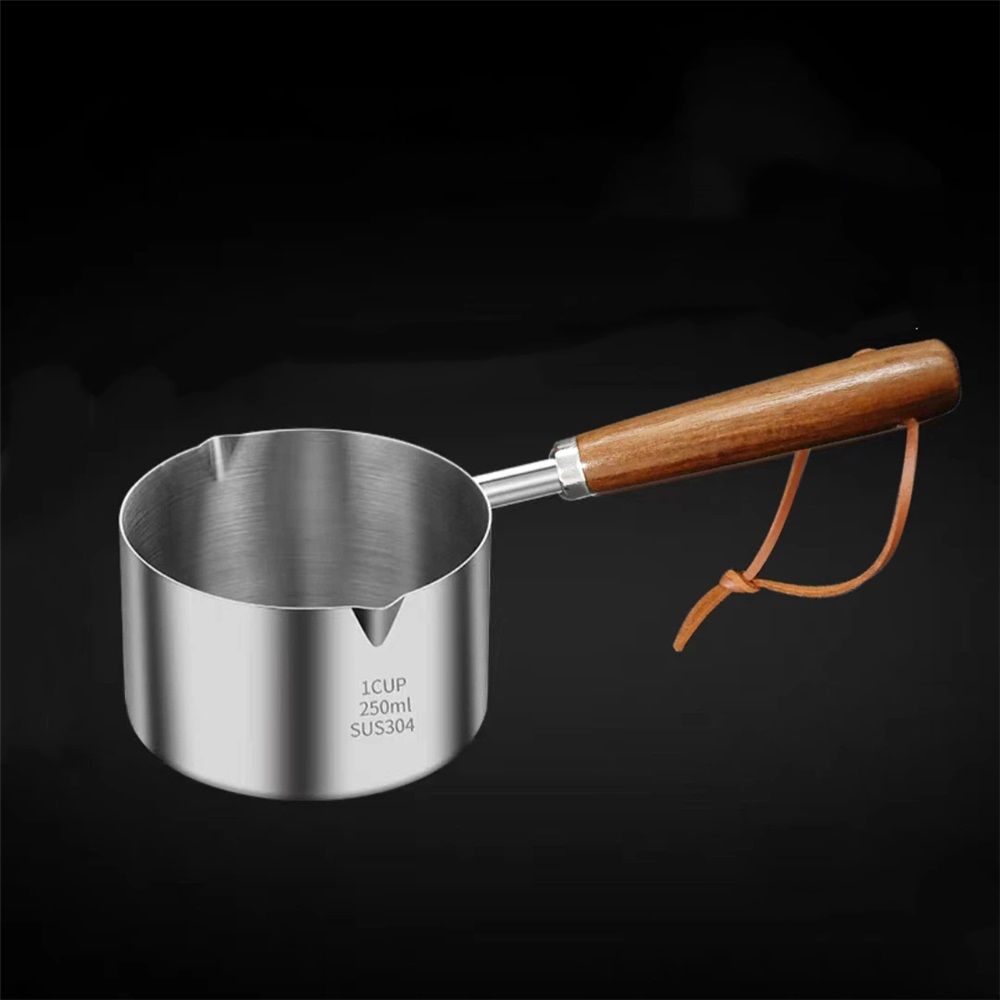
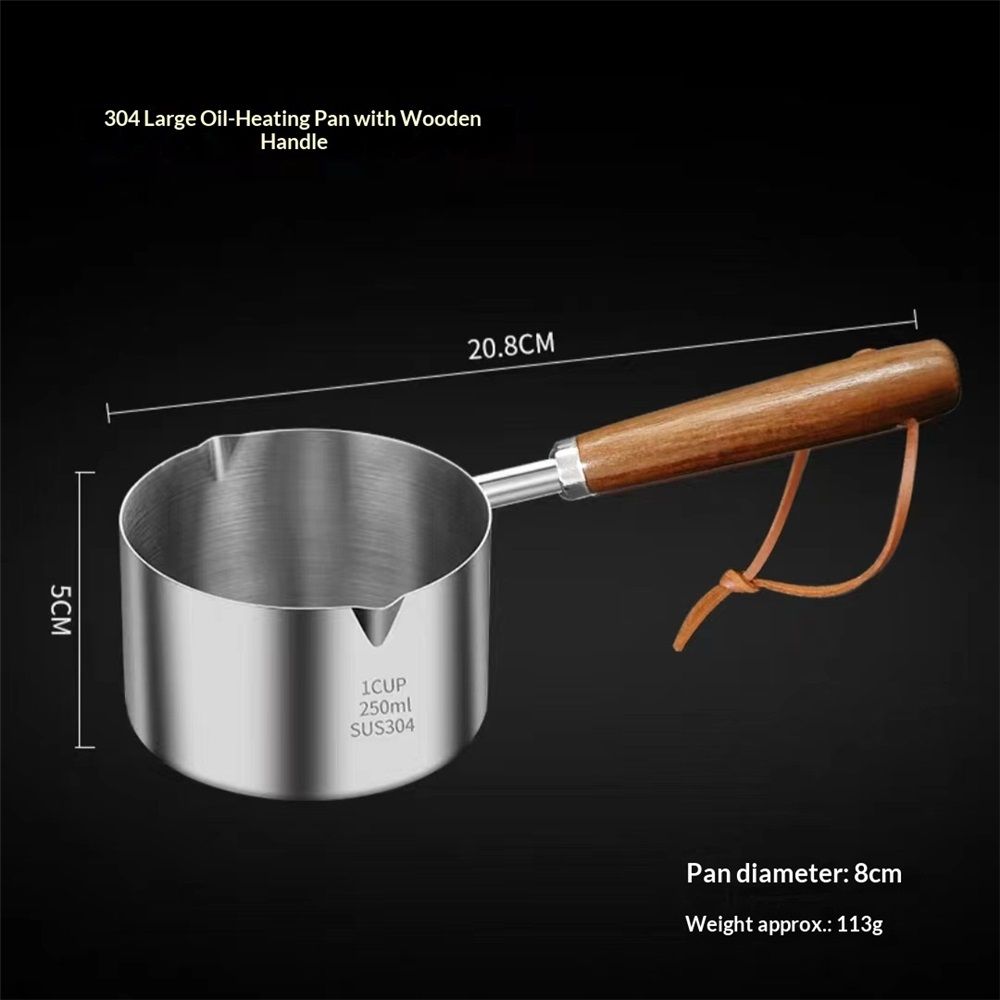
2 pack Mini Sauce Pan Cooking Pot with Wooden Handle, Stainless Steel Small Milk Pan and Butter Warmer, with pour spout,250ml
Regular price $35.90 AUDRegular priceUnit price per$40.03 AUDSale price $35.90 AUDSale -
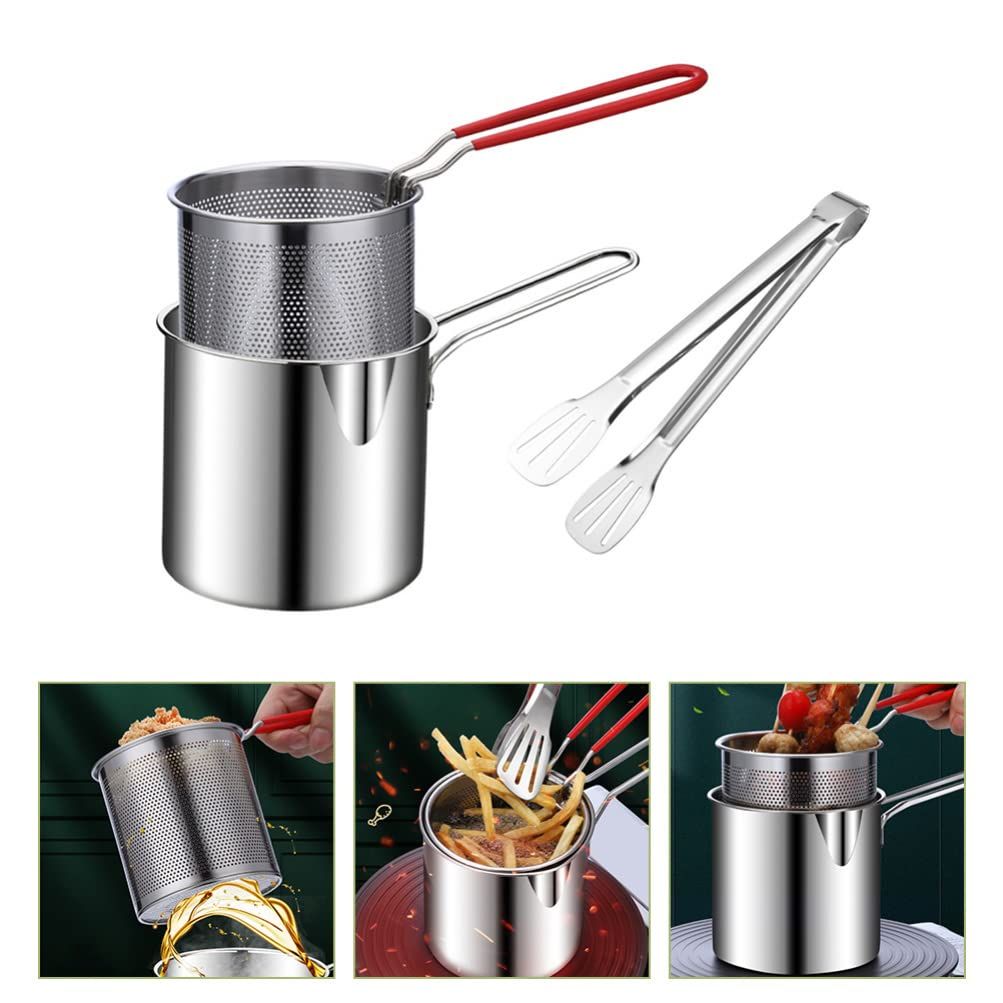
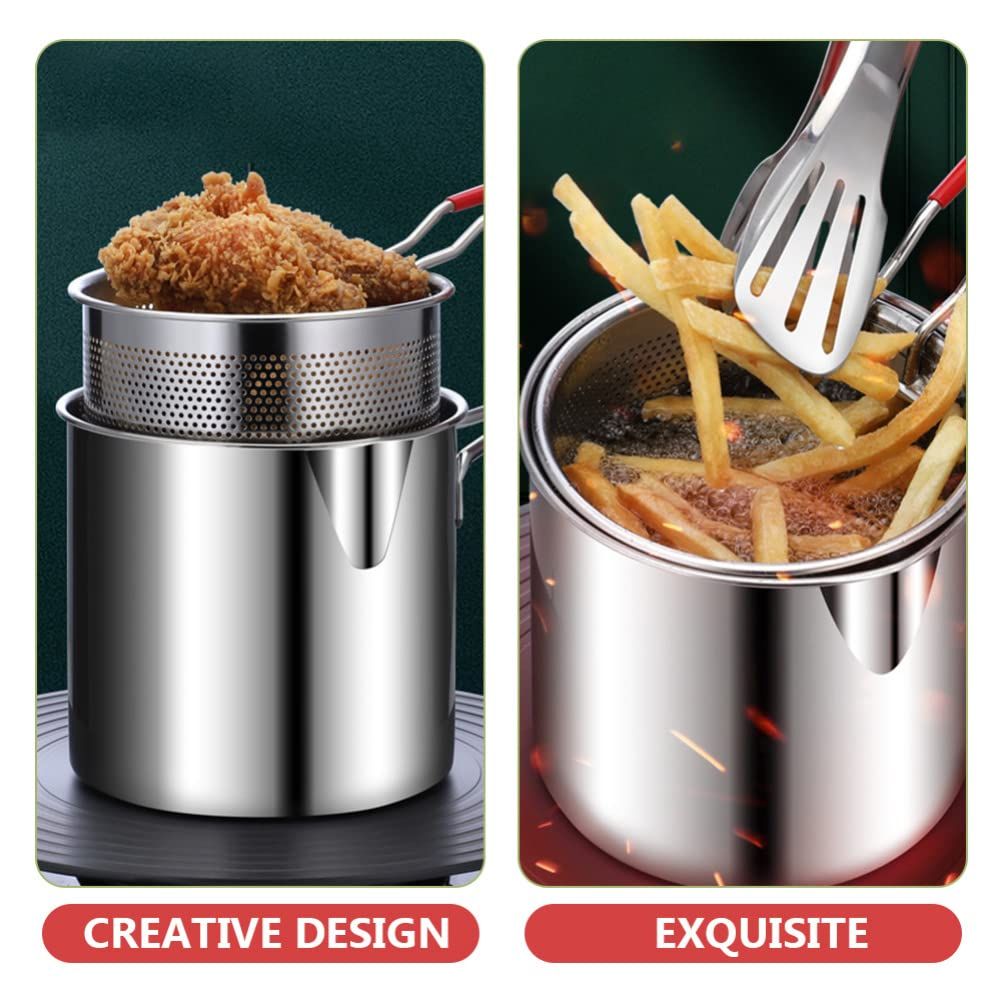
Stainless Steel Stock Fry Pot with Strainer Basket, Deep Fryers Frying Pot for Frying Fish Shrimp Chicken and Fries (with Clip)
Regular price $44.90 AUDRegular priceUnit price per$43.08 AUDSale price $44.90 AUD -
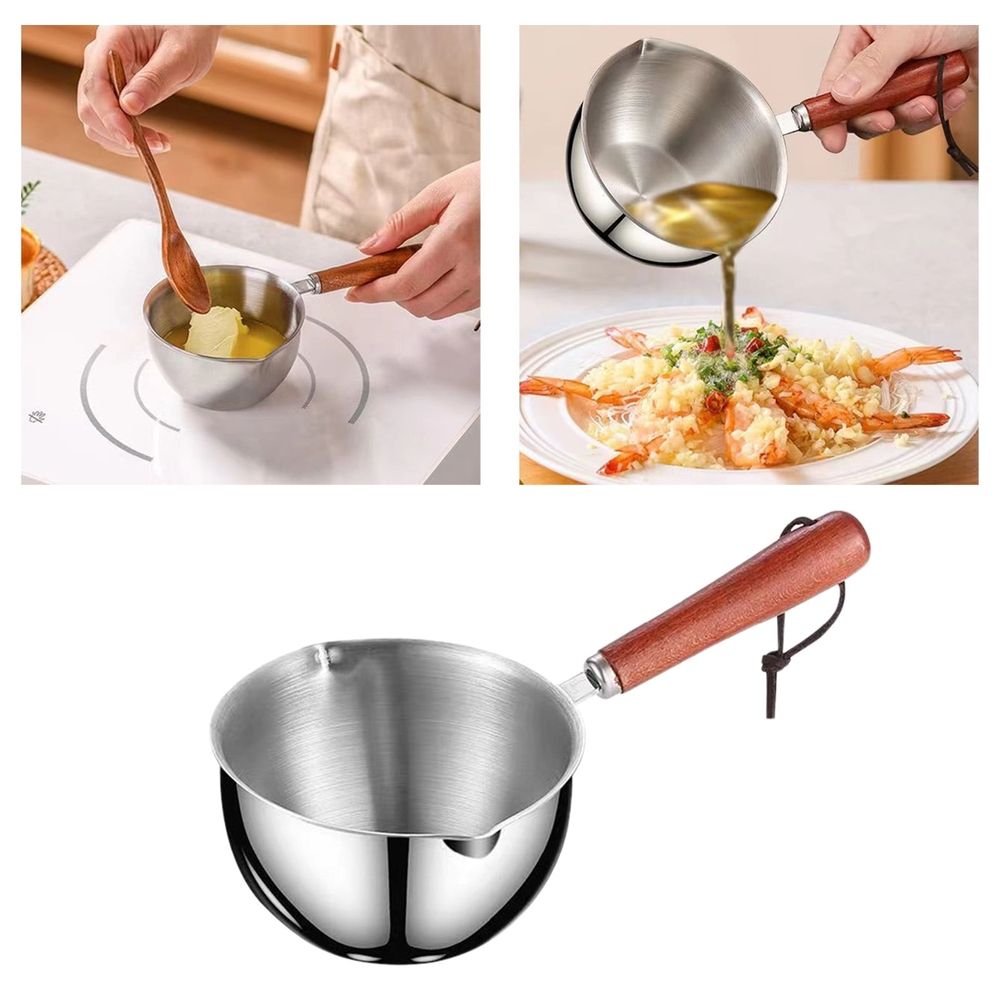

304 Stainless Steel Mini Soup Pot with Wooden Handle, 500ml Milk Warmer for Coffee, Tea, and Sauces, Small Saucepan for Heating Soup, Melting Butter
Regular price $25.90 AUDRegular priceUnit price per -
 Sale
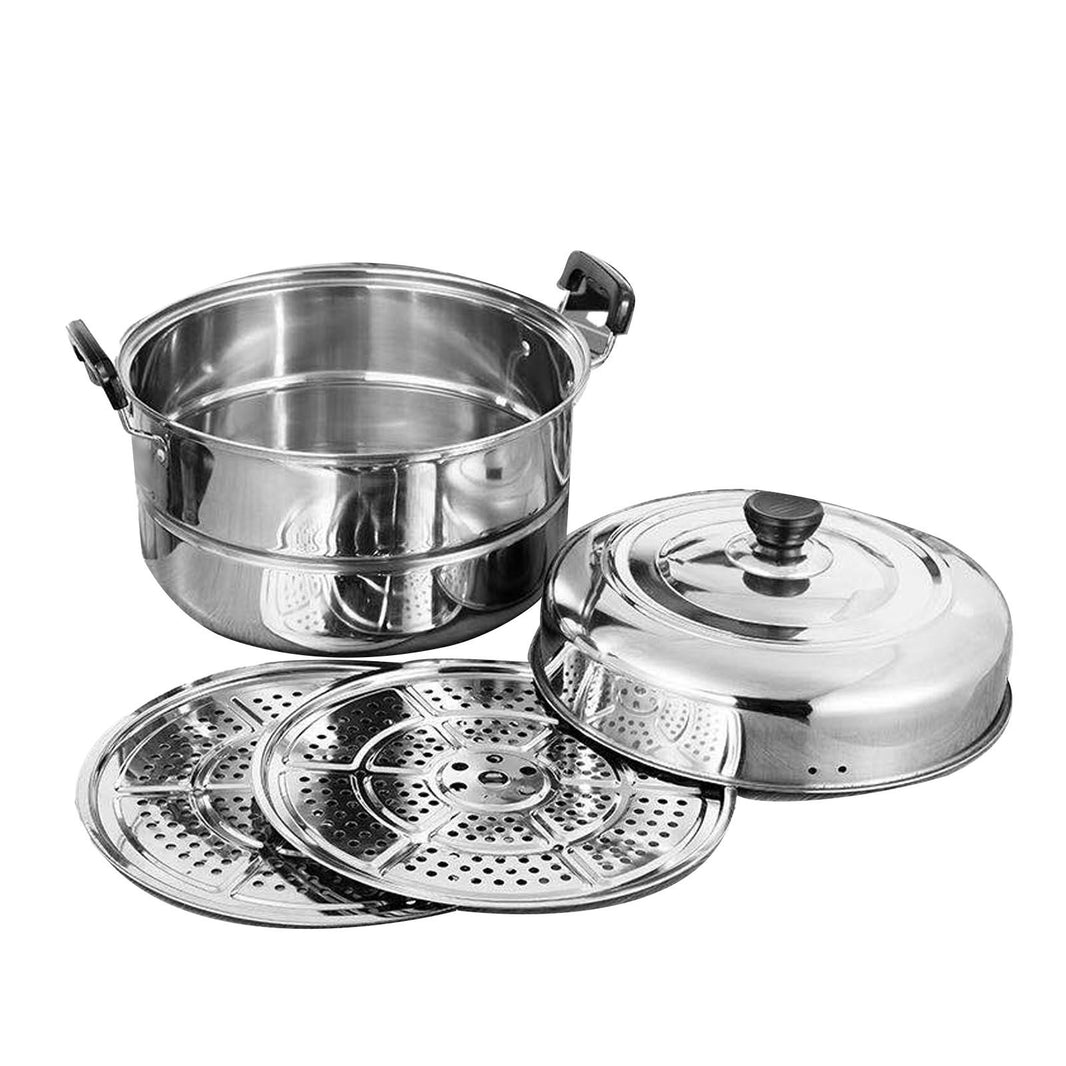
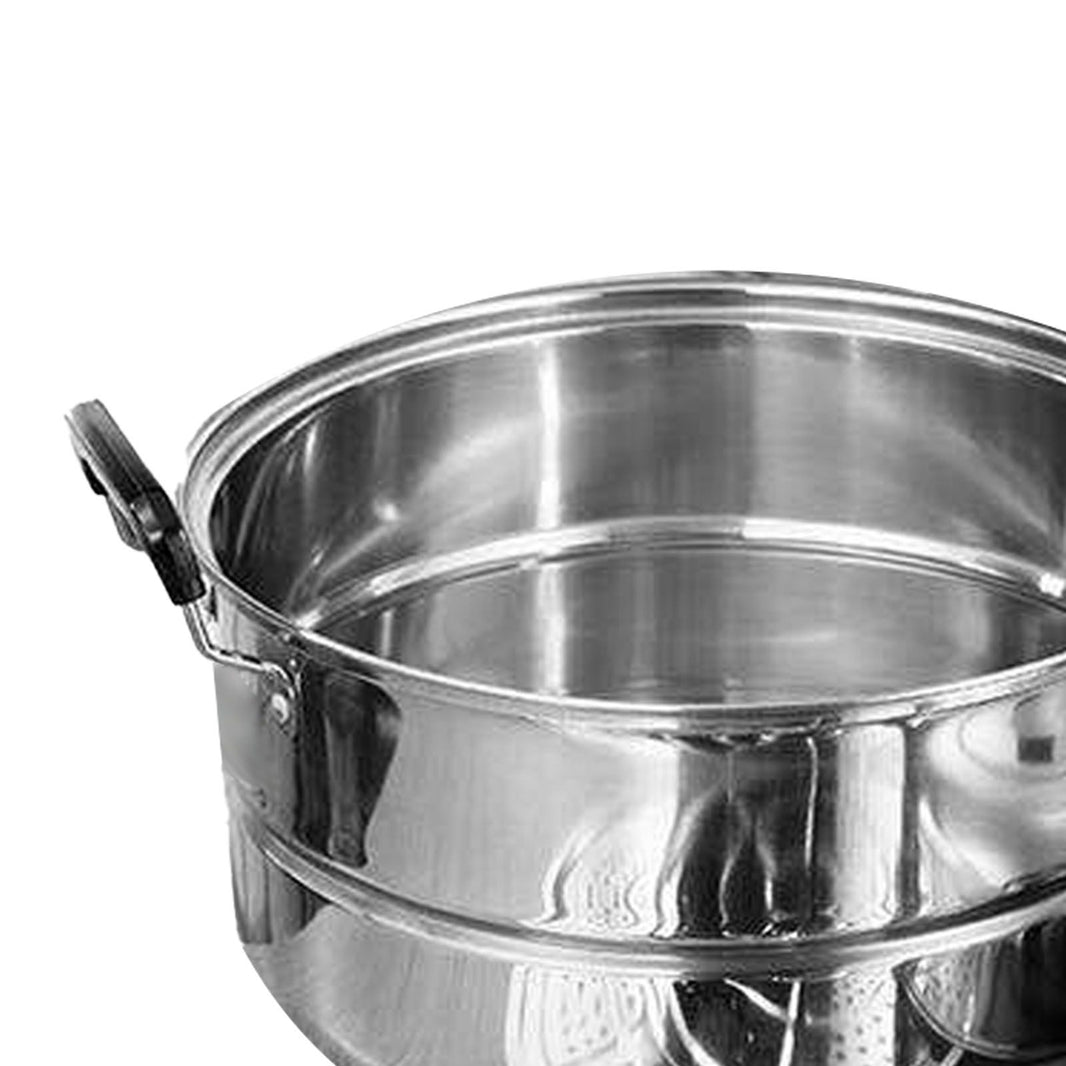
Thickened Stainless Steel Steam Pot Multi Layer Multipurpose Large Stock Cooking Pot for Induction Cooker Gas Stove
Regular price $287.90 AUDRegular priceUnit price per$322.99 AUDSale price $287.90 AUDSale -
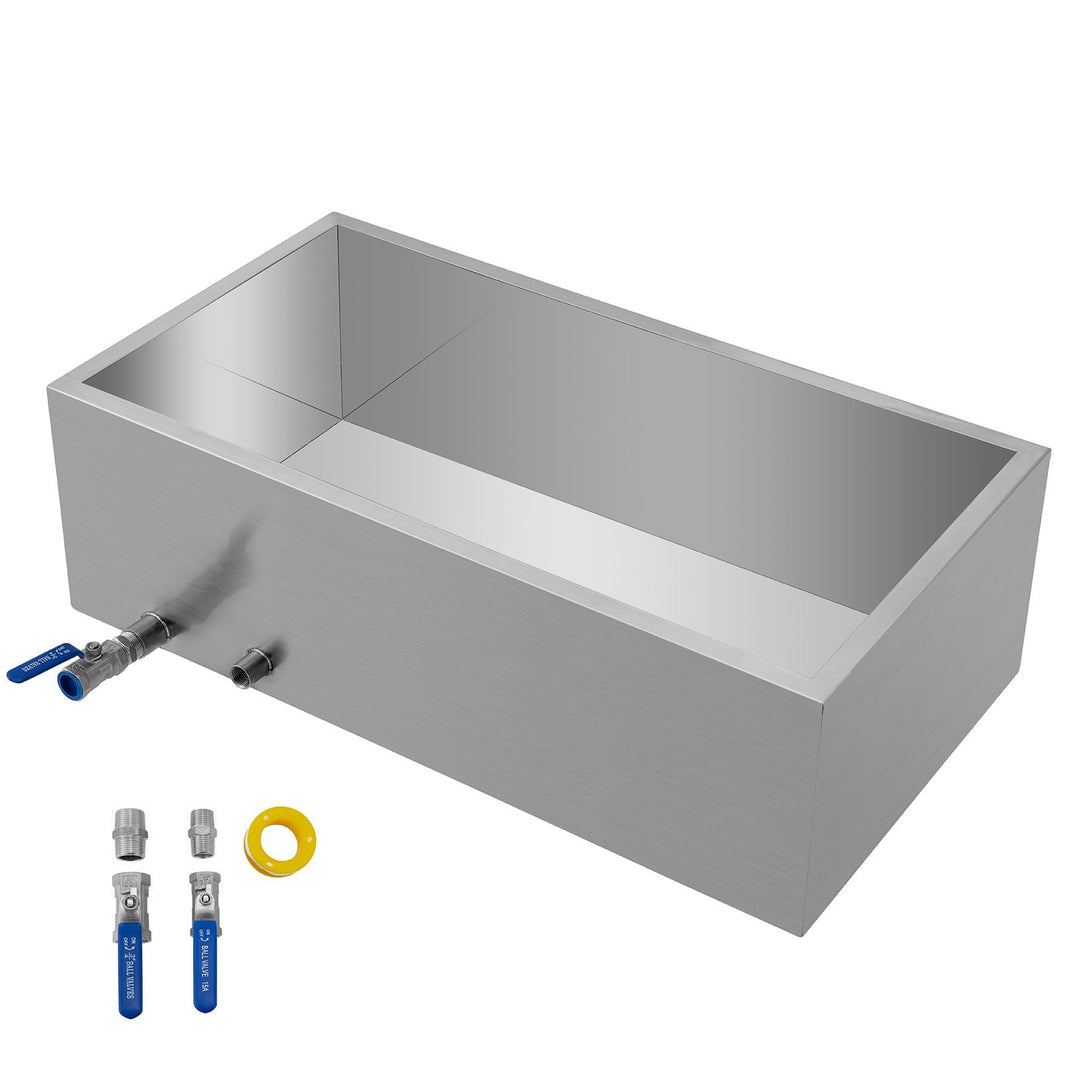
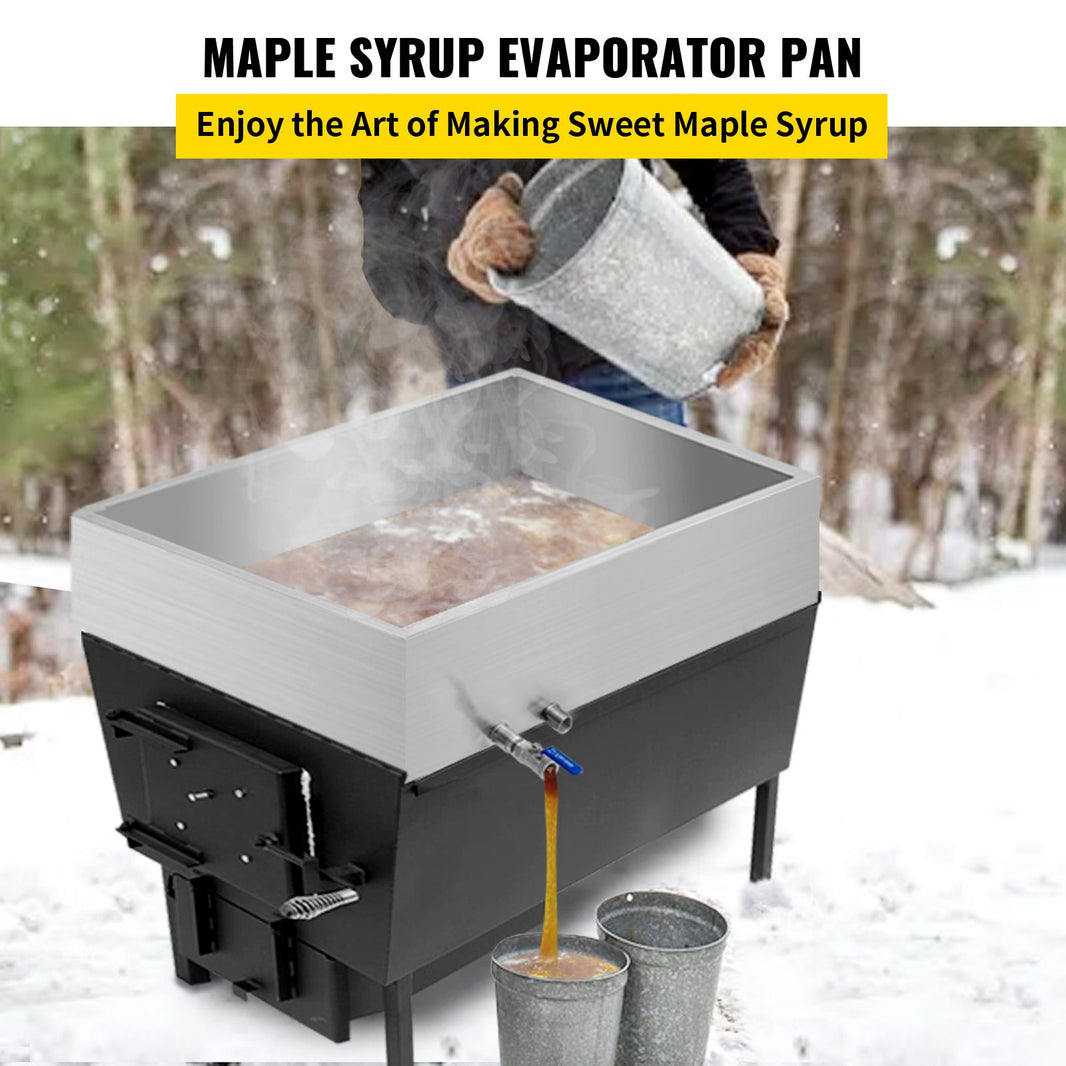
Maple Syrup Evaporator Pan 76x41x24 cm Stainless Steel Maple Syrup Boiling Pan with Valve for Boiling Maple Syrup
Regular price $408.90 AUDRegular priceUnit price per$378.90 AUDSale price $408.90 AUD -
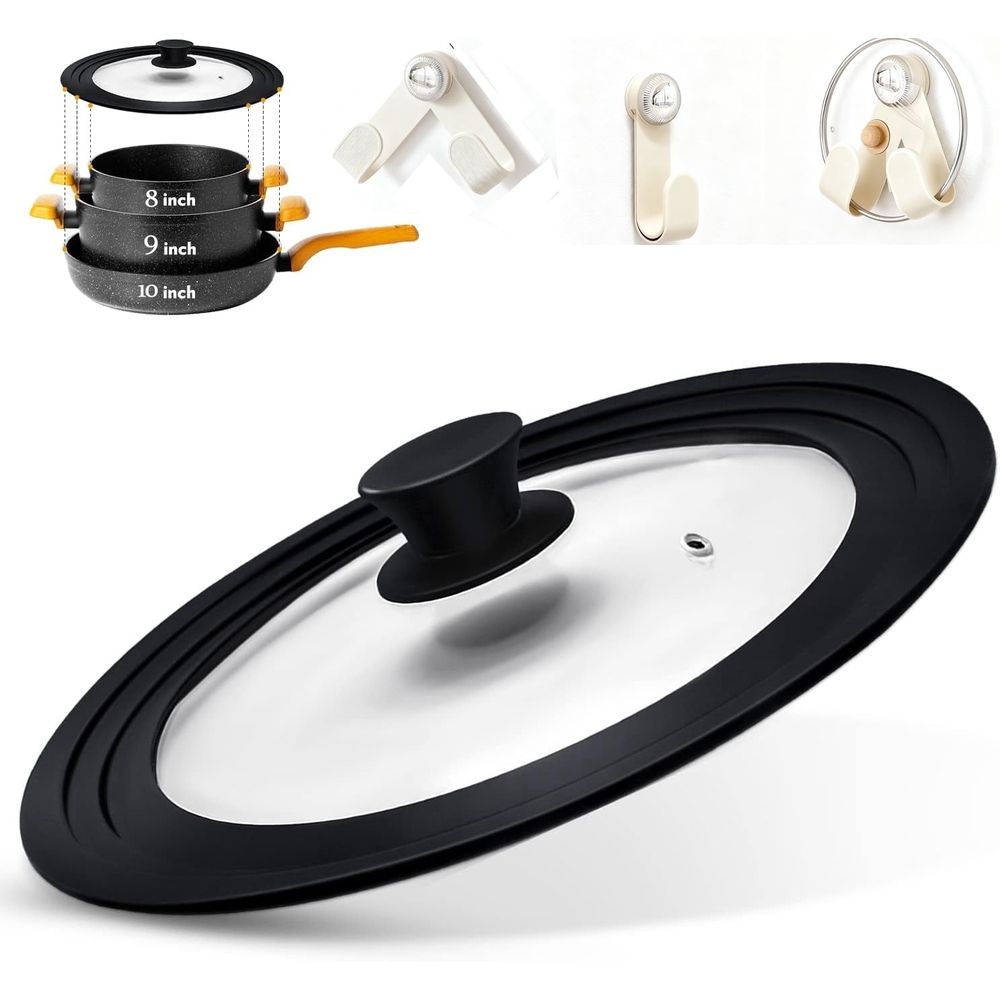
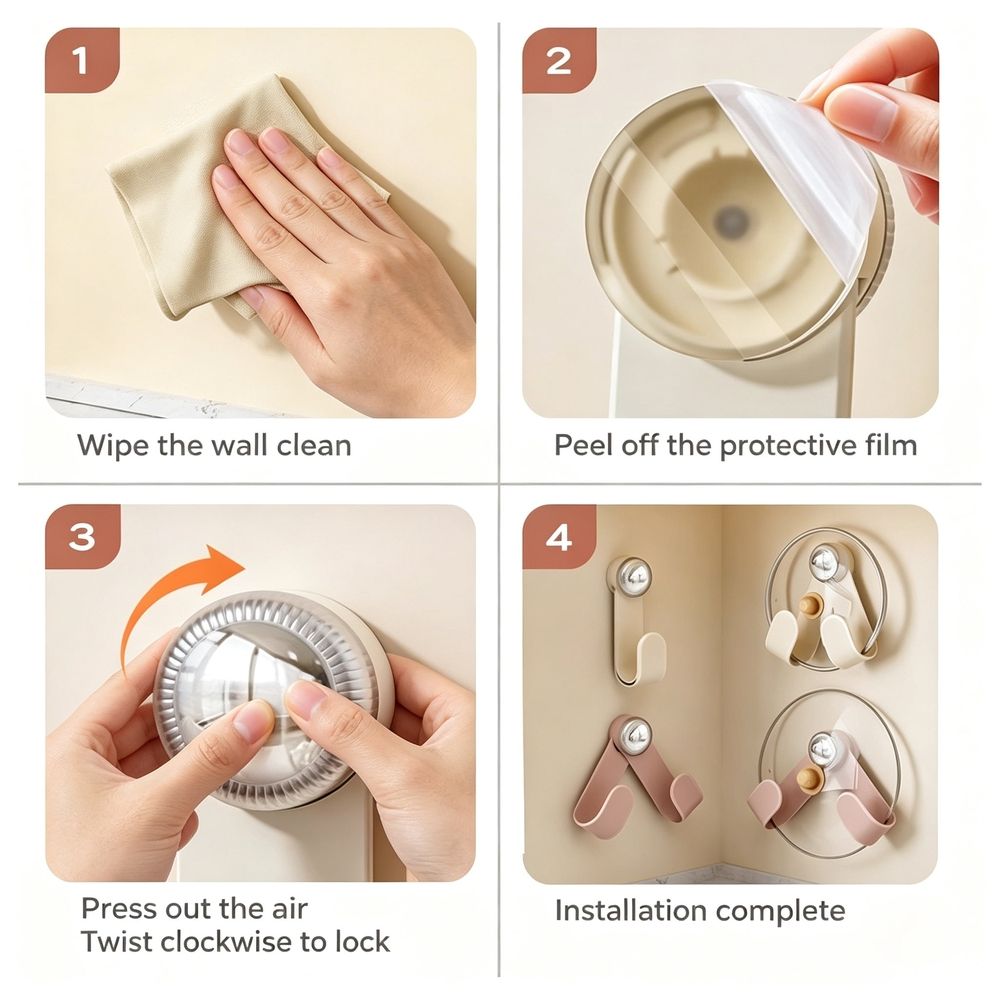
Lid for Pots, Pans and Skillets, Pot Lid With Heat Resistant Silicone Rim and Tempered Glass,Fits 8", 9", 10" Diameter Pots and Pans with Stent,Black
Regular price $38.90 AUDRegular priceUnit price per -
 Sale
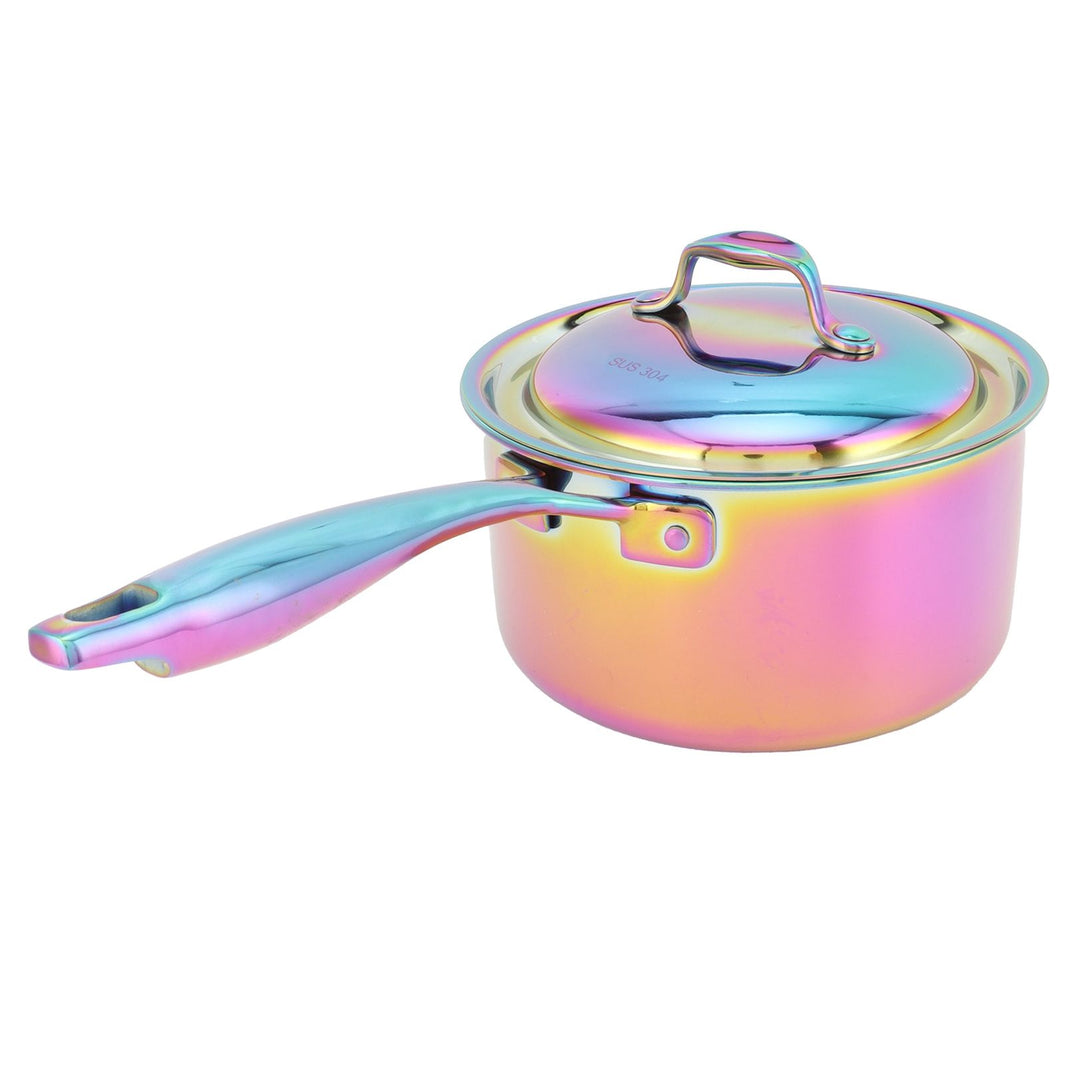
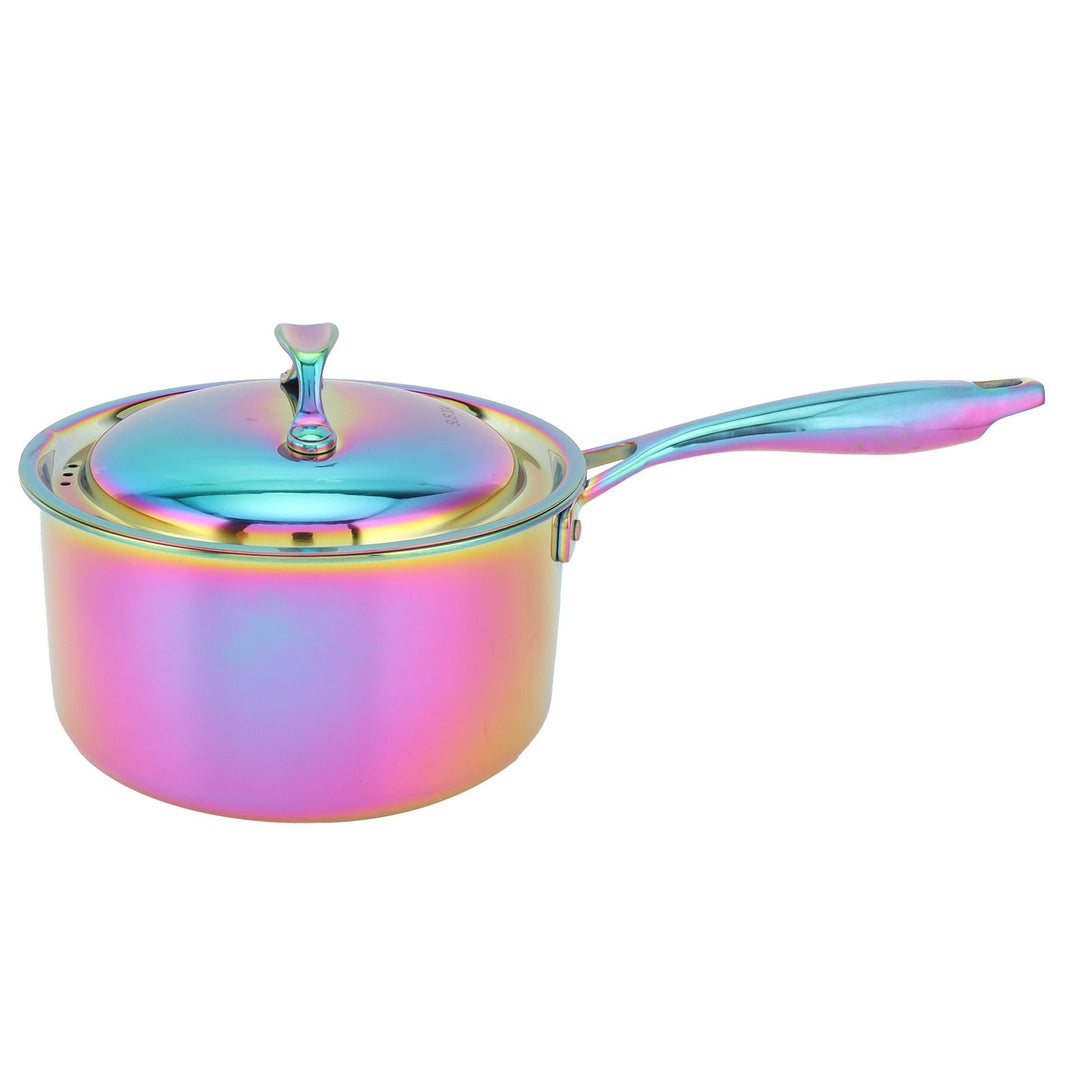
Stainless Steel Thickened Milk Pot with Lid Compound 3‑Layer Bottom Complementary Food PotColorful
Regular price $128.90 AUDRegular priceUnit price per$144.99 AUDSale price $128.90 AUDSale -
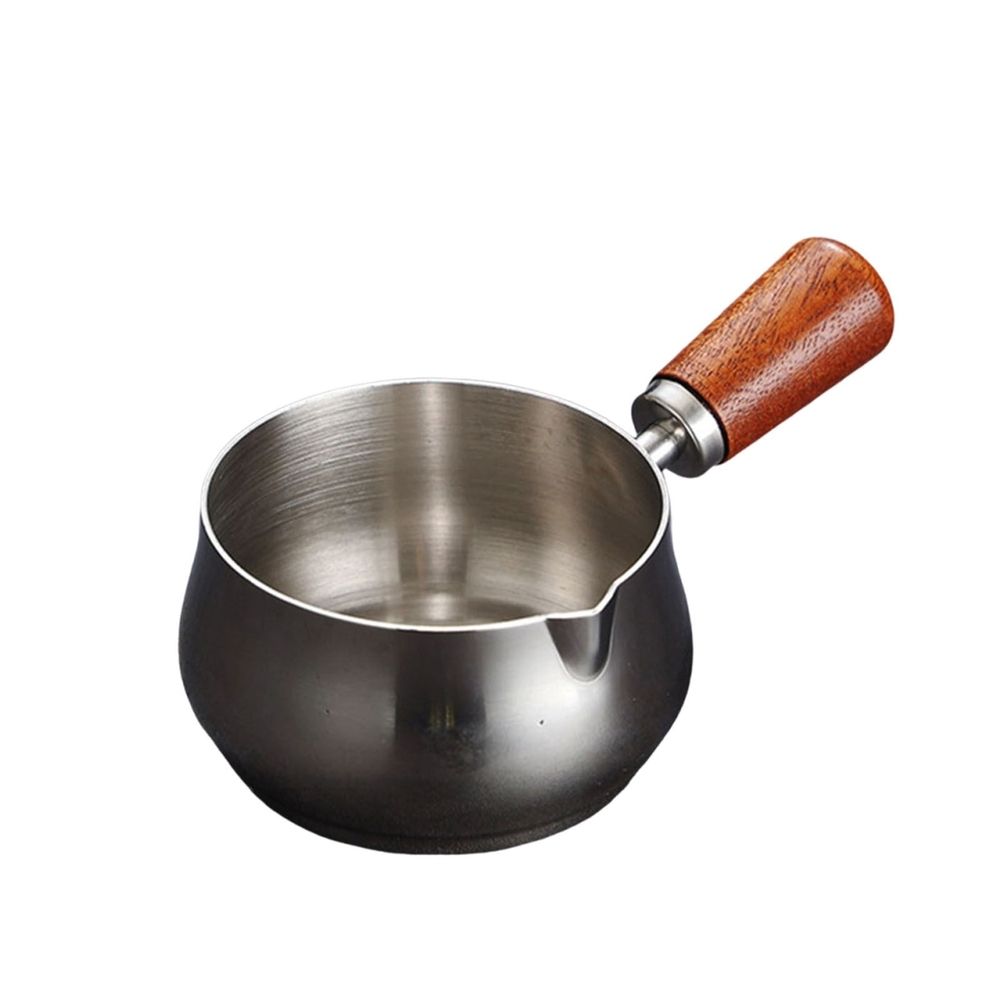
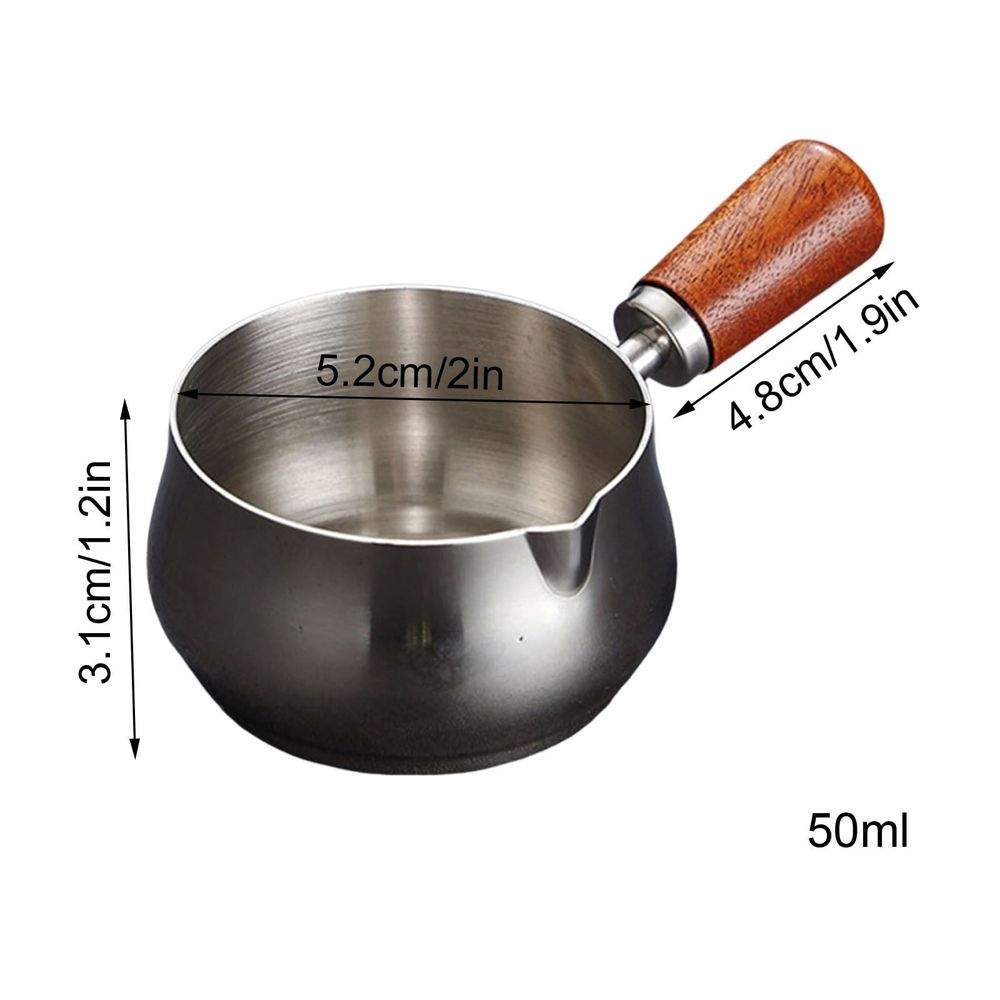
304 Stainless Steel Mini Pan with Wooden Handle 60ml Small Melting Pot for Chocolate Milk Warmer Turkish Coffee Maker Sauce Warmer Oil Heating Cup Reusable Hot Pot for Kitchen Stovetop - 1 Piece
Regular price $29.90 AUDRegular priceUnit price per -
 Sale
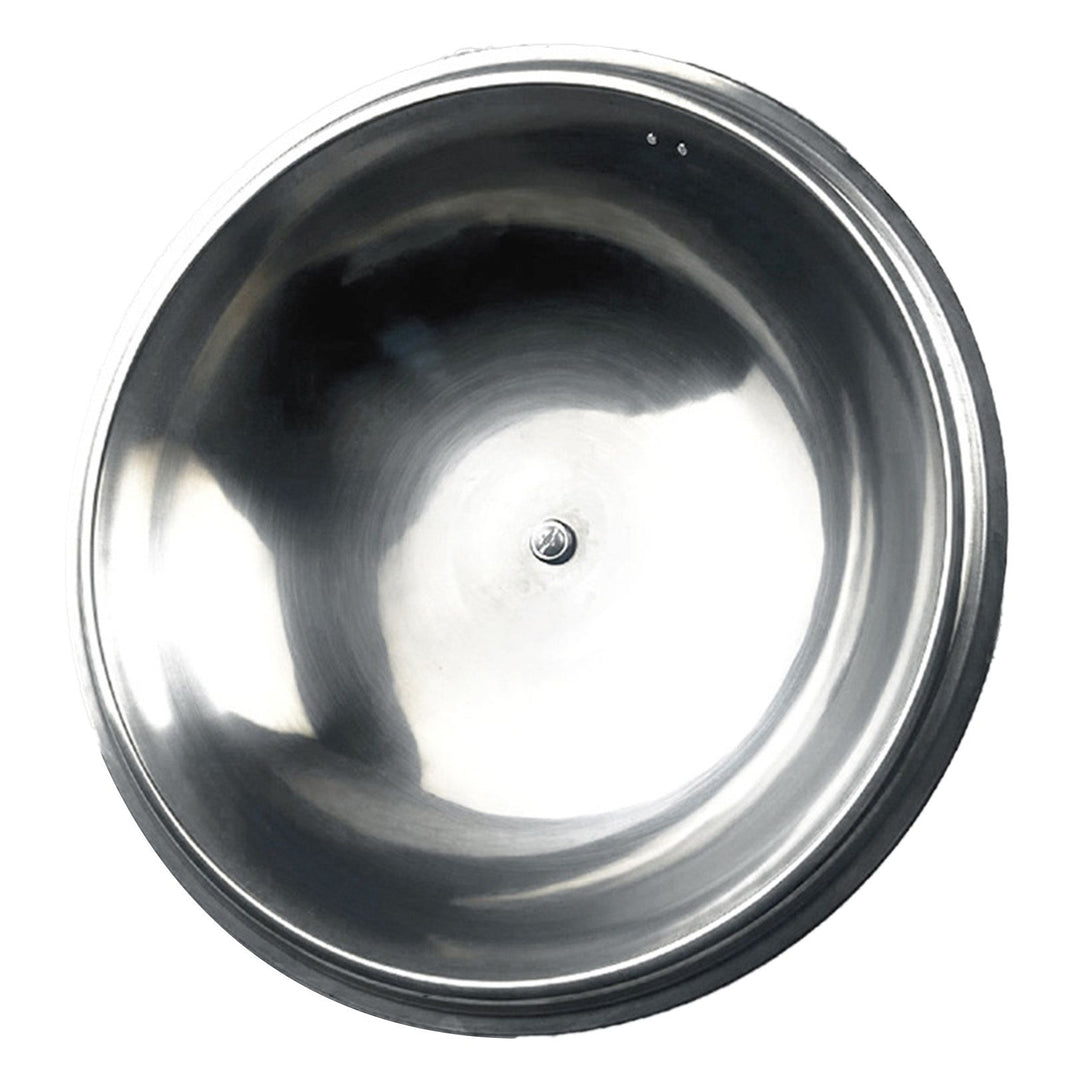
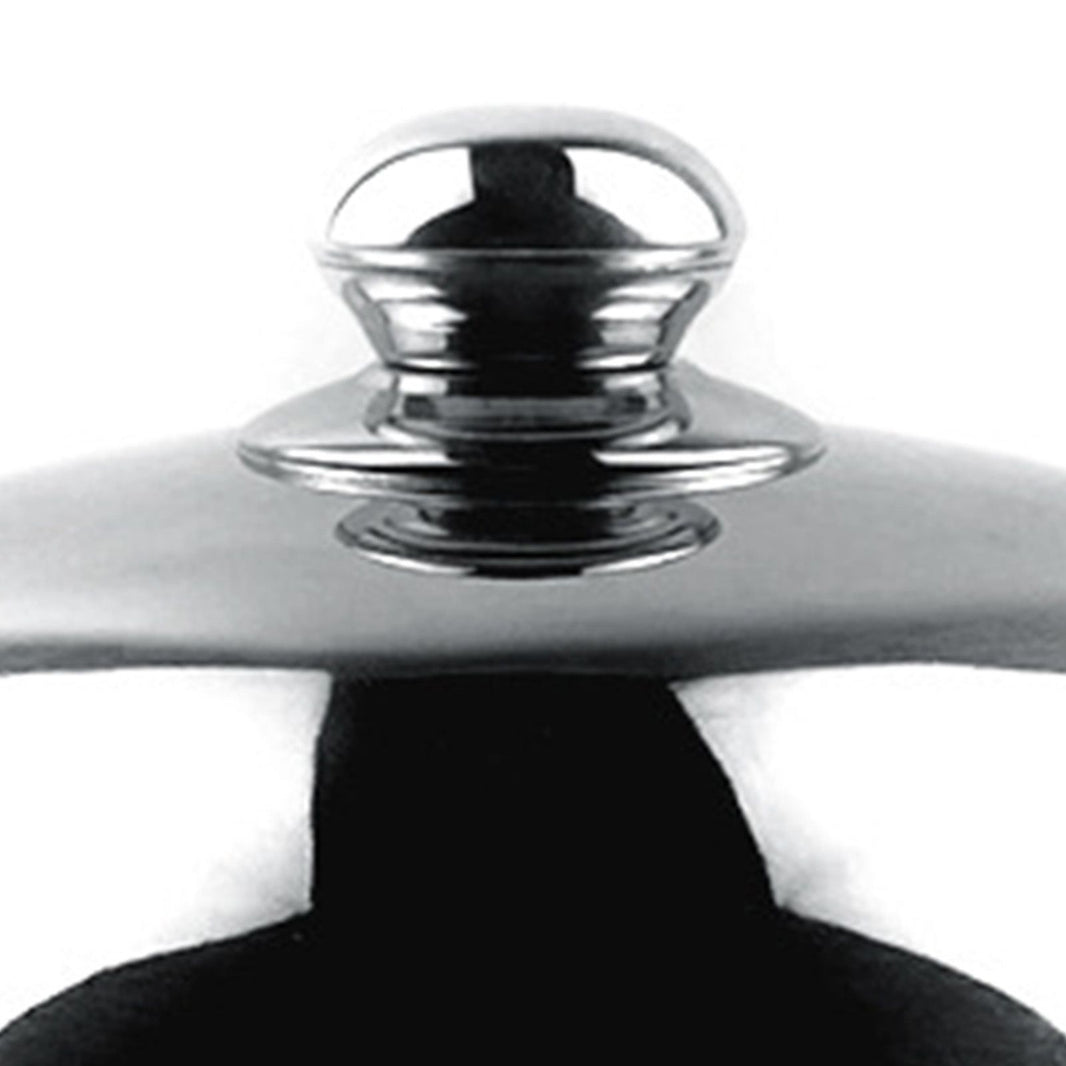
Stainless Steel Pan Cover Round Tall Partial Transparent Visual Glass Soup Pot Lid for Home Restaurant 30cm / 11.81in
Regular price $49.90 AUDRegular priceUnit price per$55.99 AUDSale price $49.90 AUDSale -
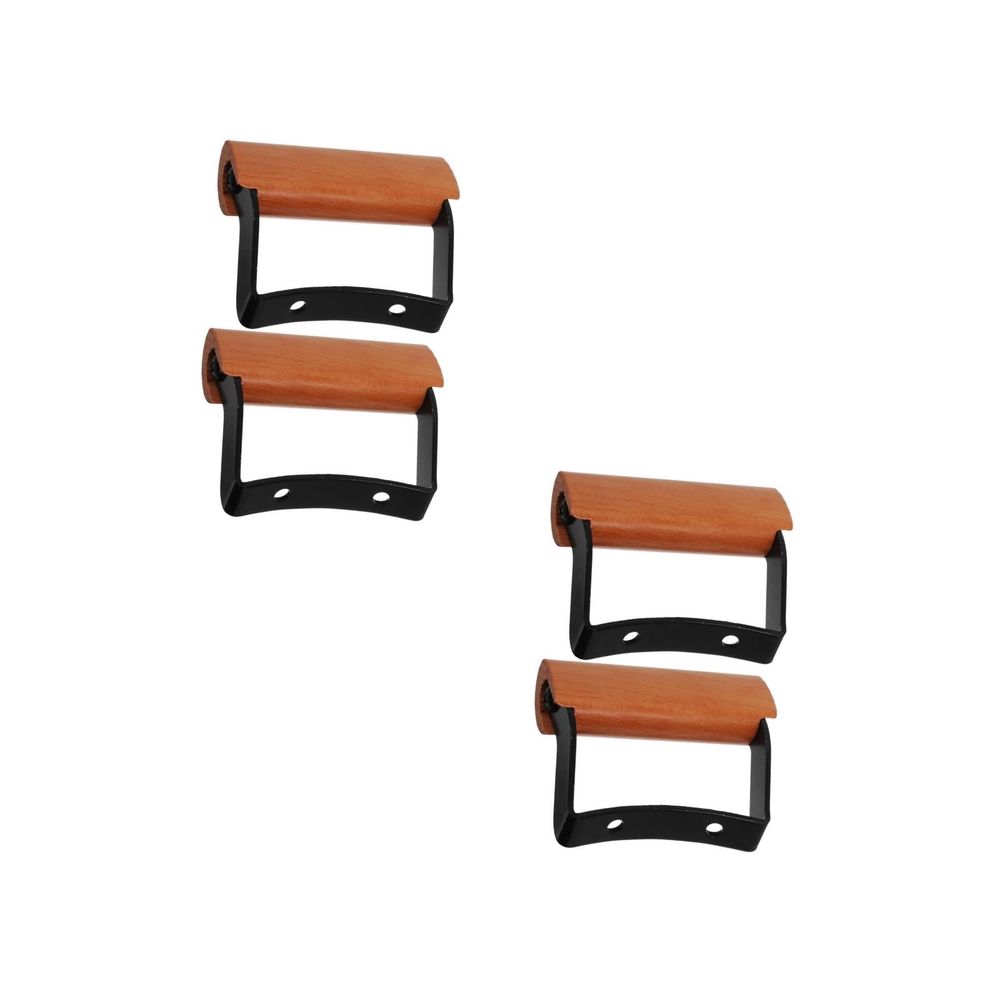
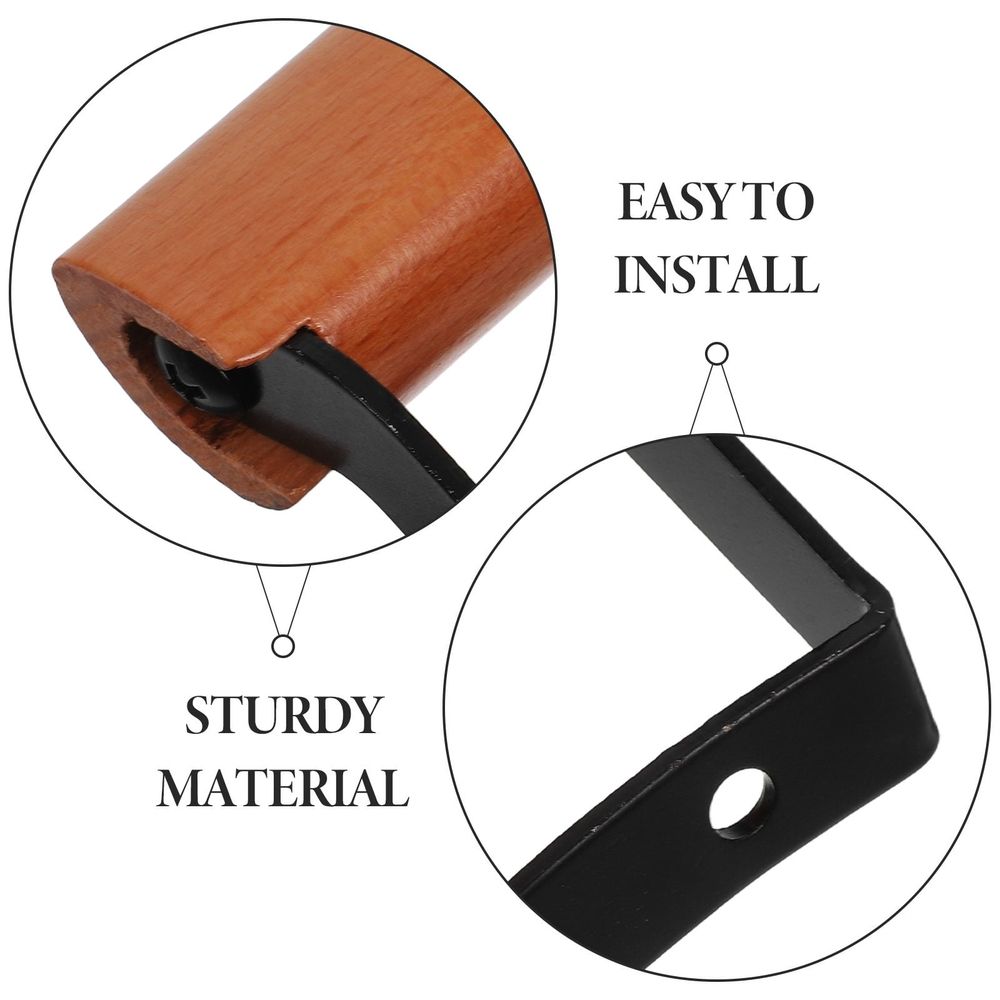
Beechwood Pot Handle Replacement Comfortable Grip Heatresistant 2Pcs
Regular price $47.90 AUDRegular priceUnit price per -

 Sale
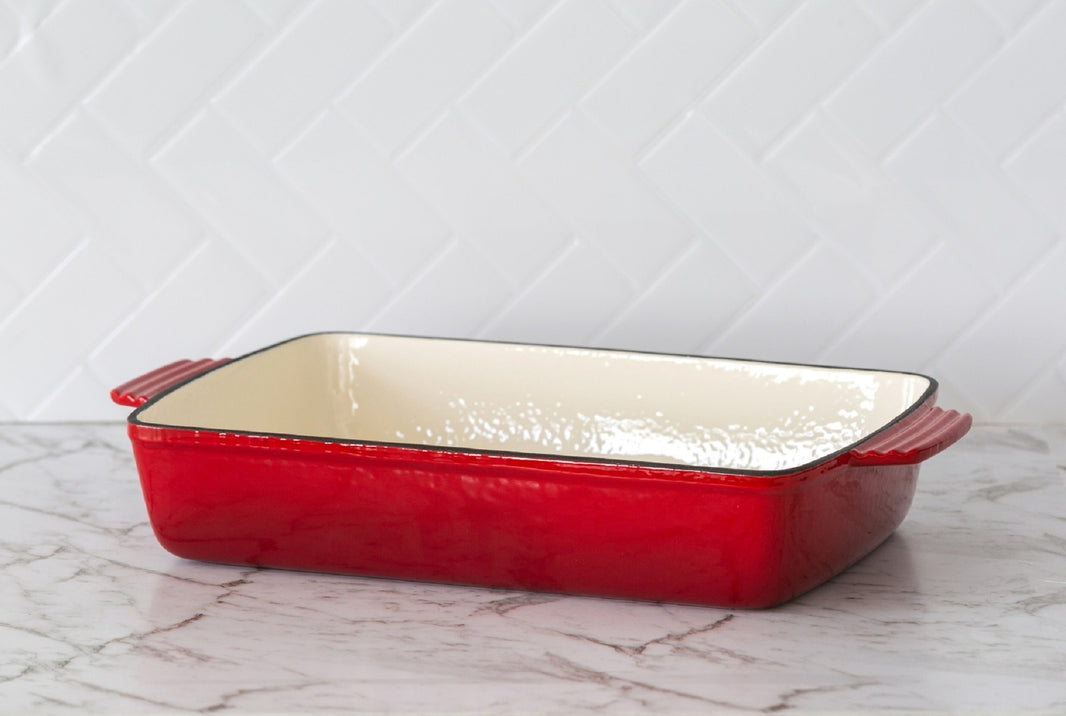
Enamelled Cast Iron 38.5x23cm Rectangular Roaster (3.4L) - Red
Regular price $69.90 AUDRegular priceUnit price per$99.95 AUDSale price $69.90 AUDSale -
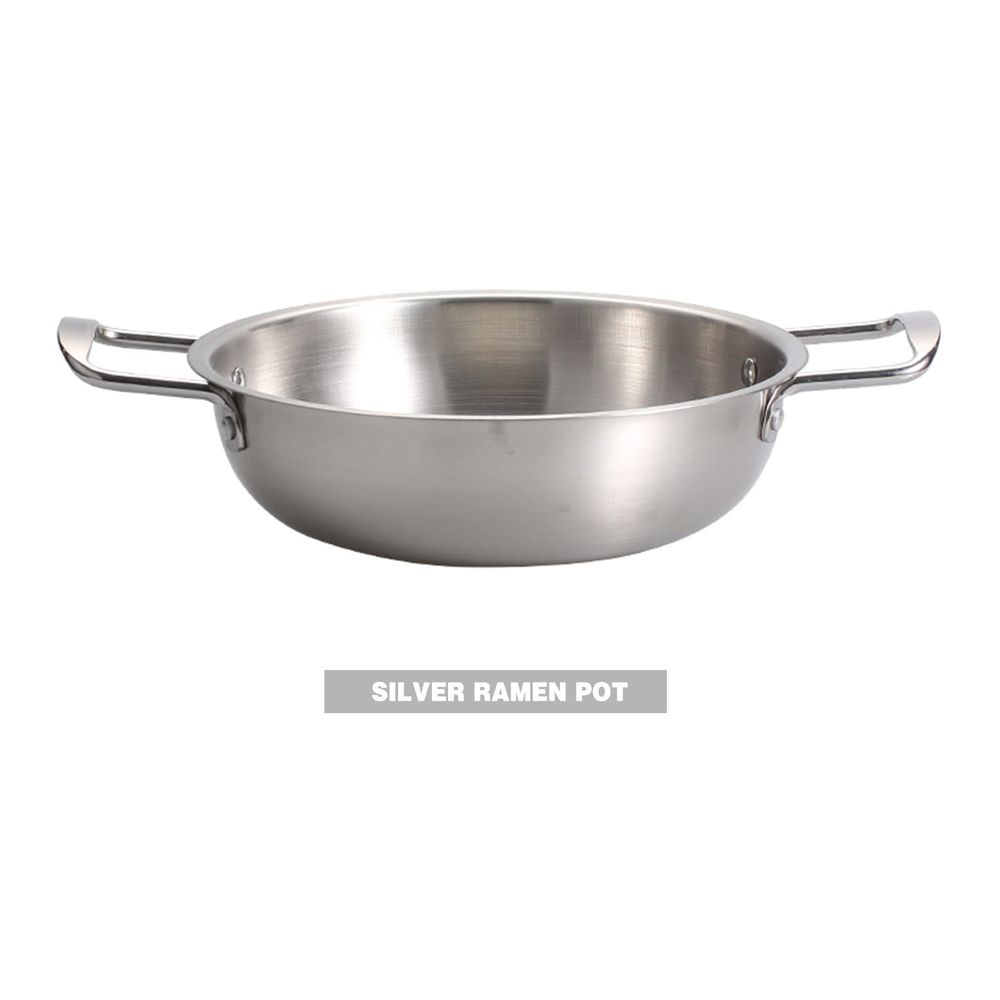
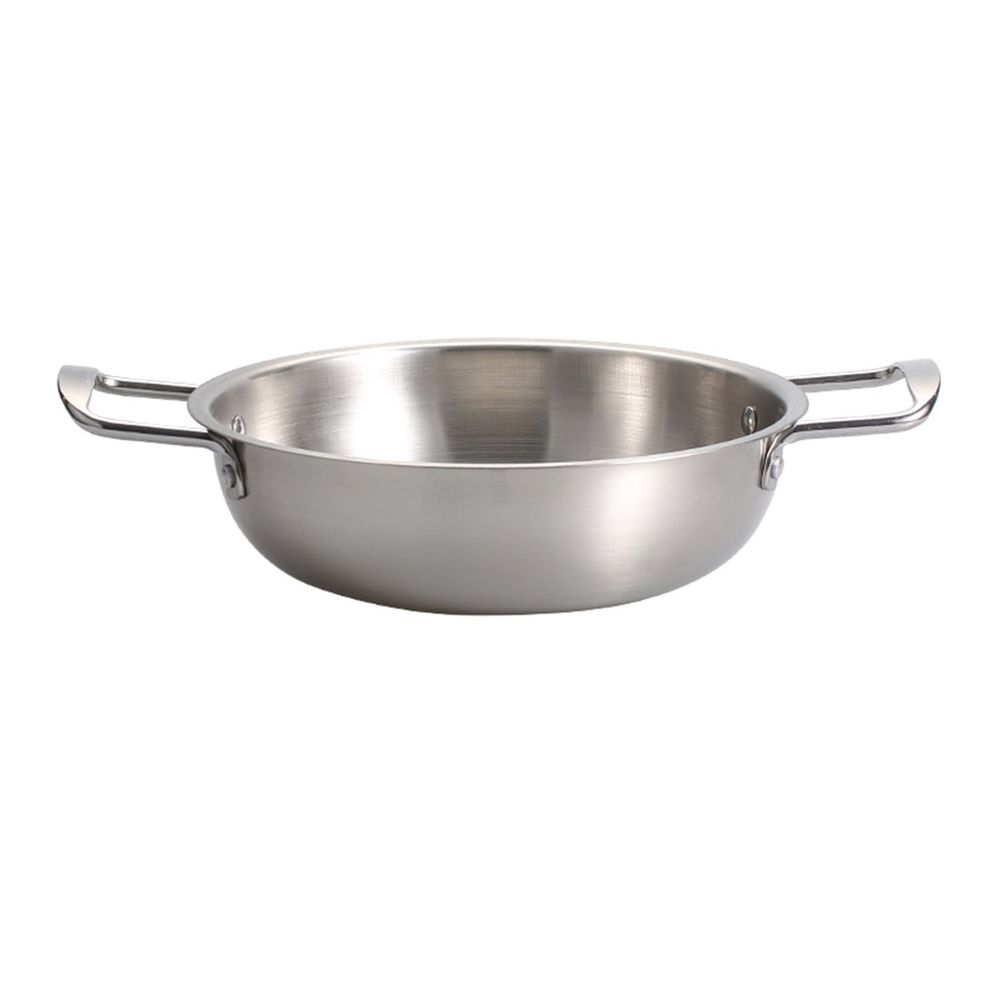
Promotional Offer! stainless steel Pot, stainless steel Dutch Oven Best Chef Pots and Pans Induction Cooker Pots stock Pots, silver, 10.92*7.41*2.34In, Tableware
Regular price $28.90 AUDRegular priceUnit price per -
 Sale
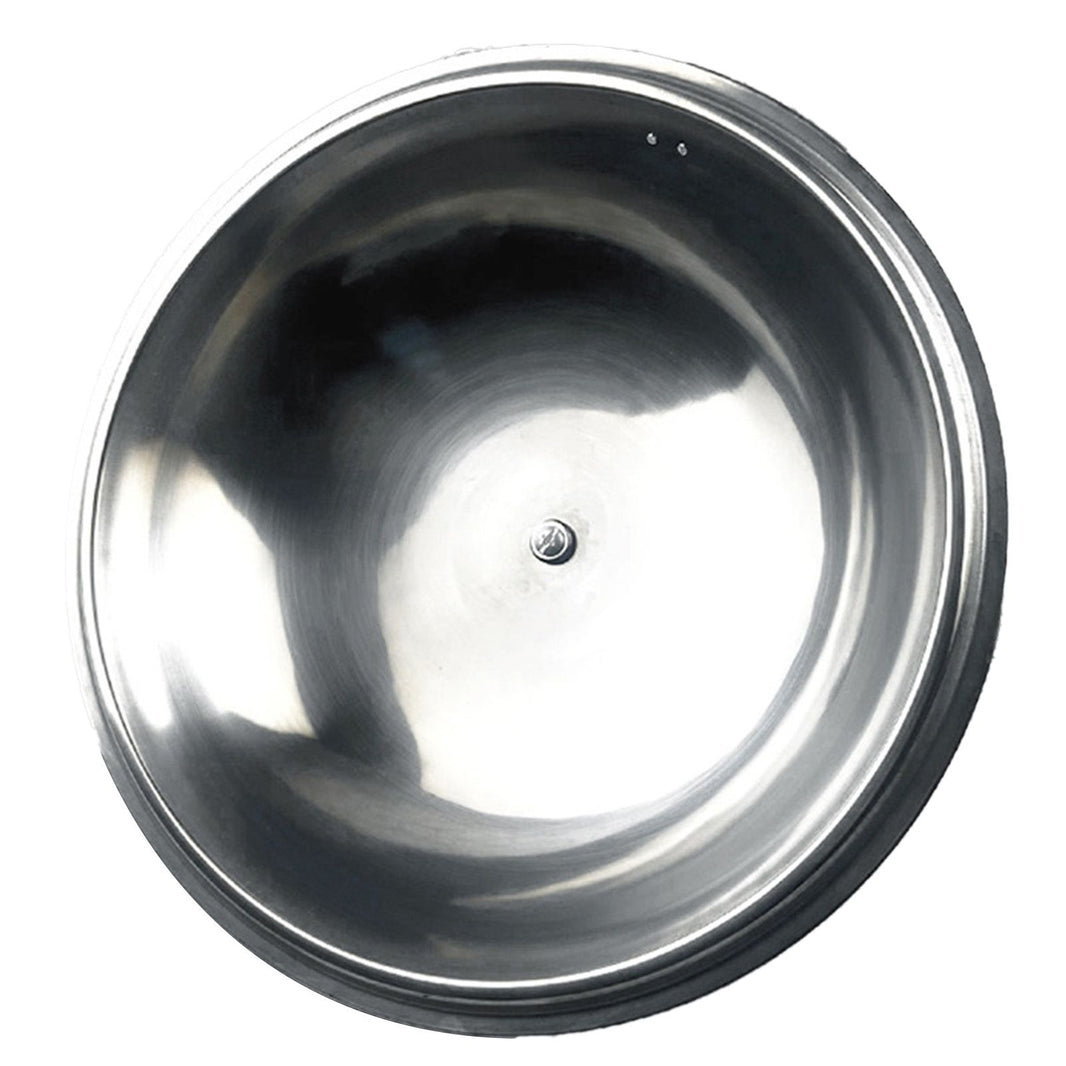
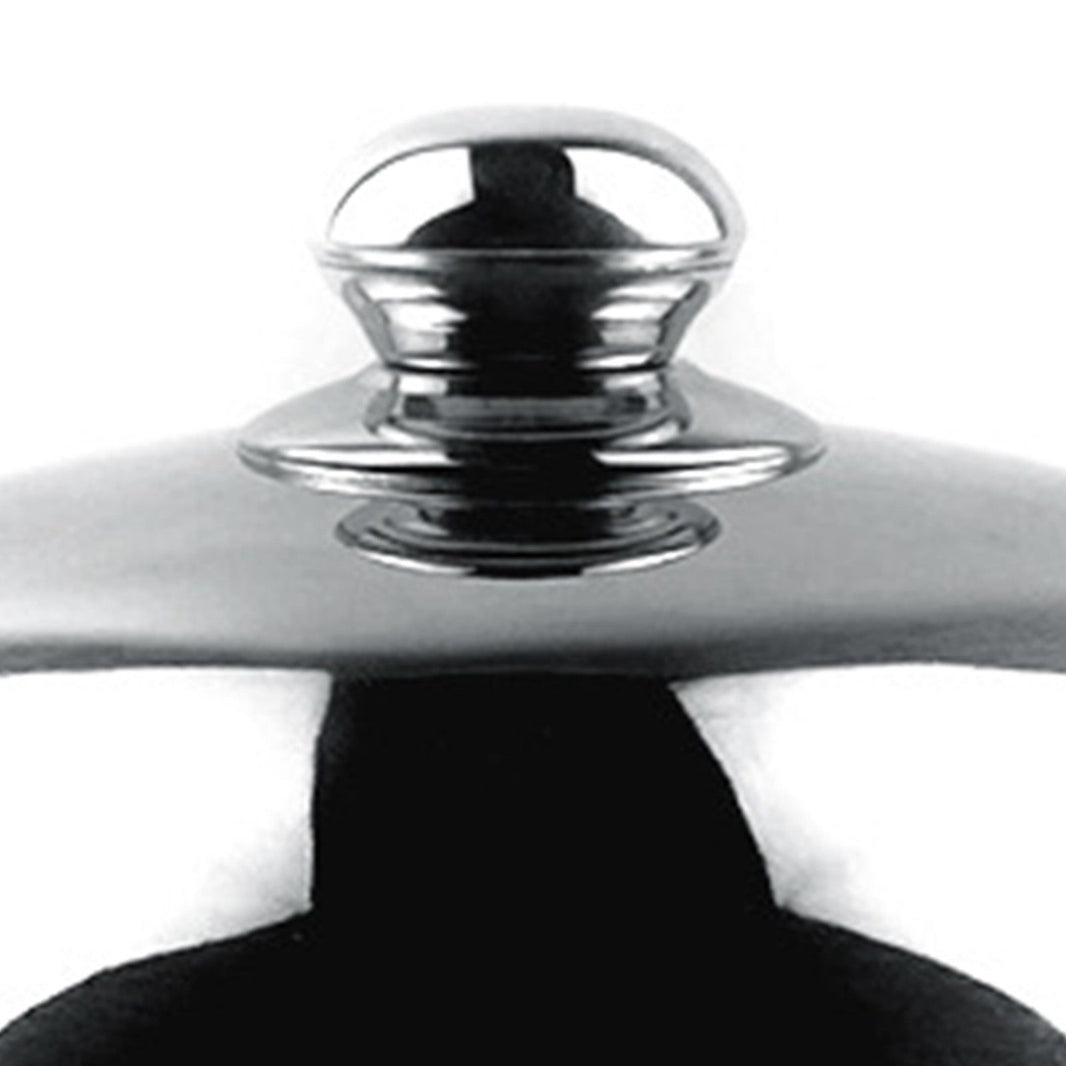
Stainless Steel Pan Cover Round Tall Partial Transparent Visual Glass Soup Pot Lid for Home Restaurant 38cm / 14.96in
Regular price $69.90 AUDRegular priceUnit price per$77.99 AUDSale price $69.90 AUDSale -
 Sale
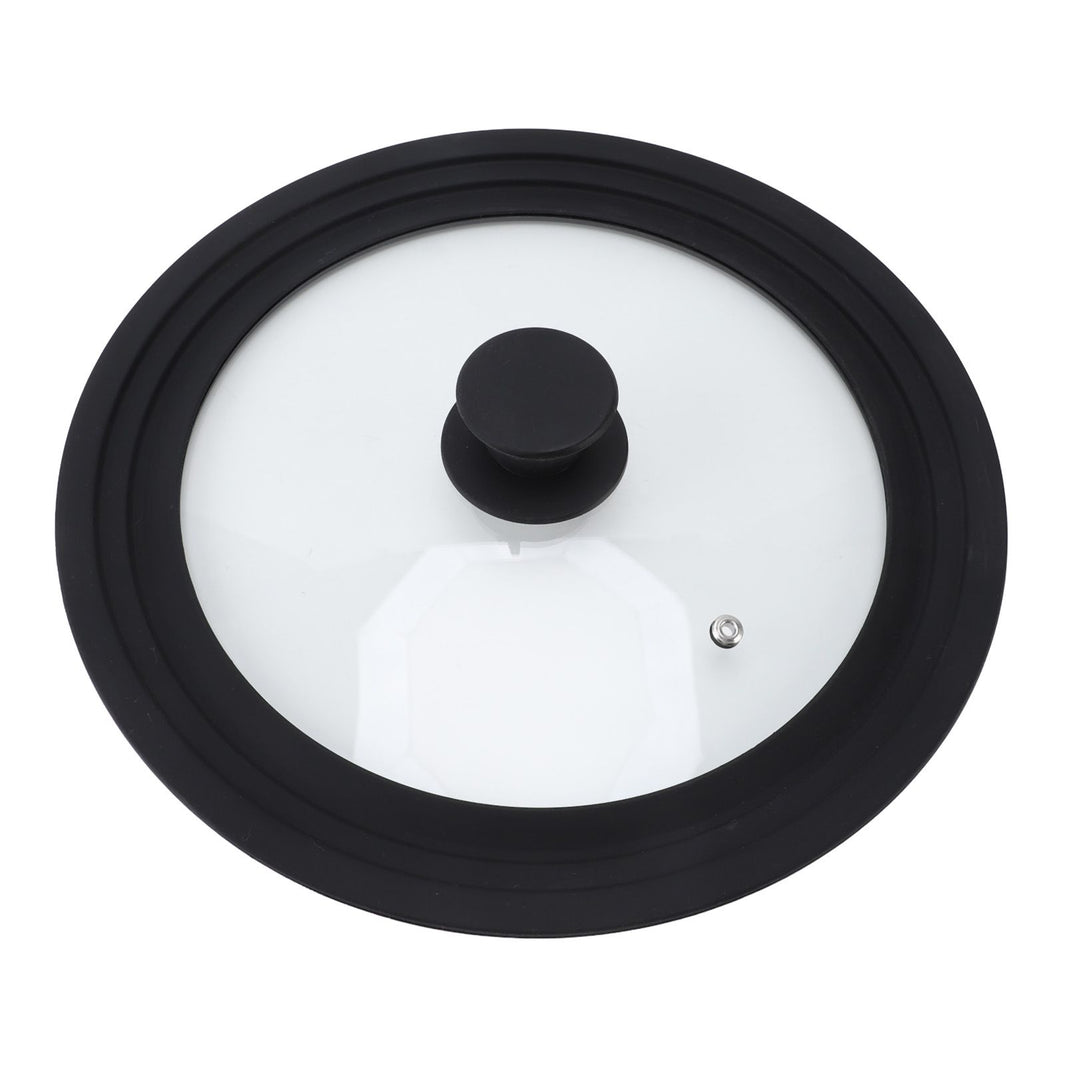
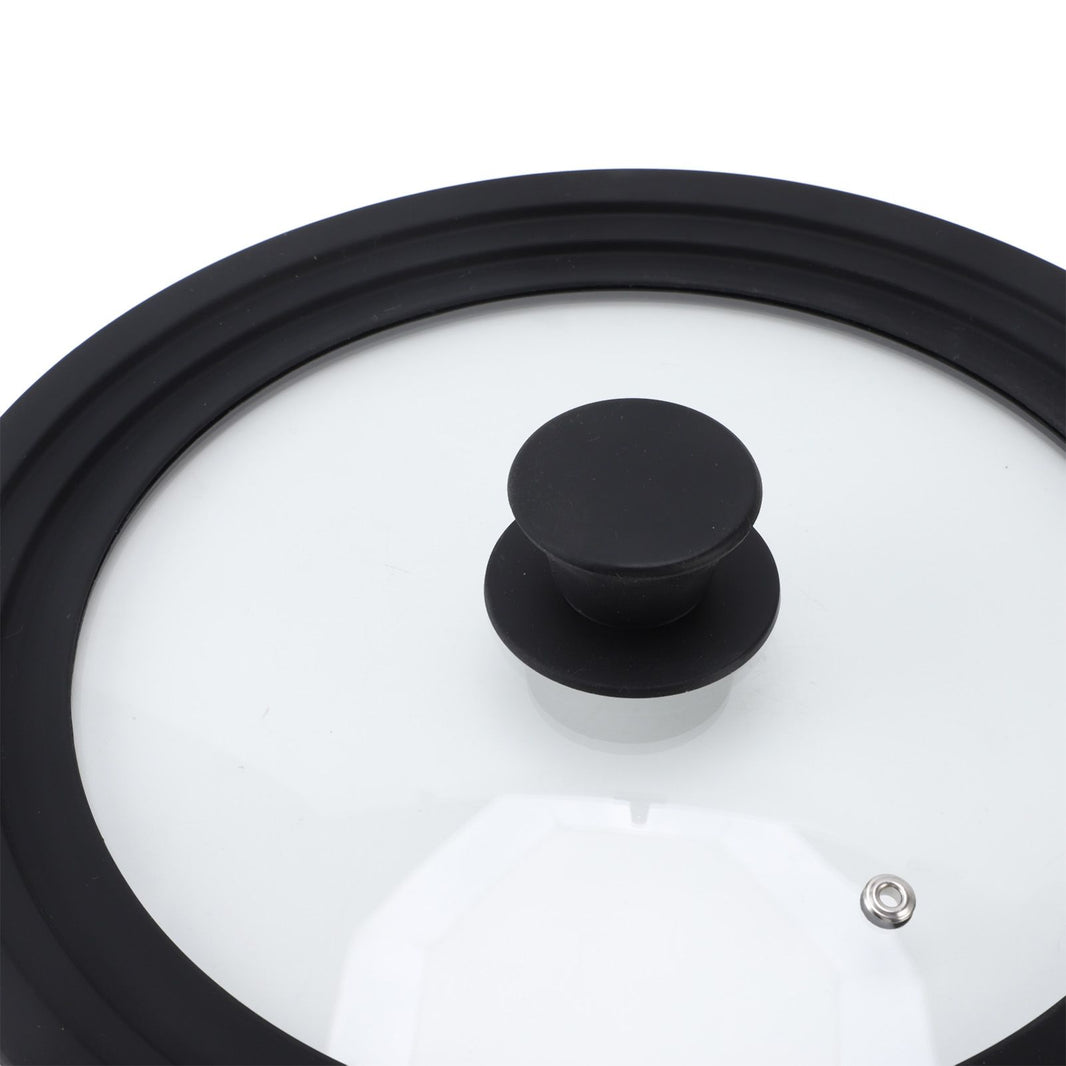
Round Glass Pot Lid Heat Resistance Silicone Rim Universal Kitchen Pan Cover for 24cm 26cm 28cm Diameter Pots
Regular price $44.90 AUDRegular priceUnit price per$49.99 AUDSale price $44.90 AUDSale -
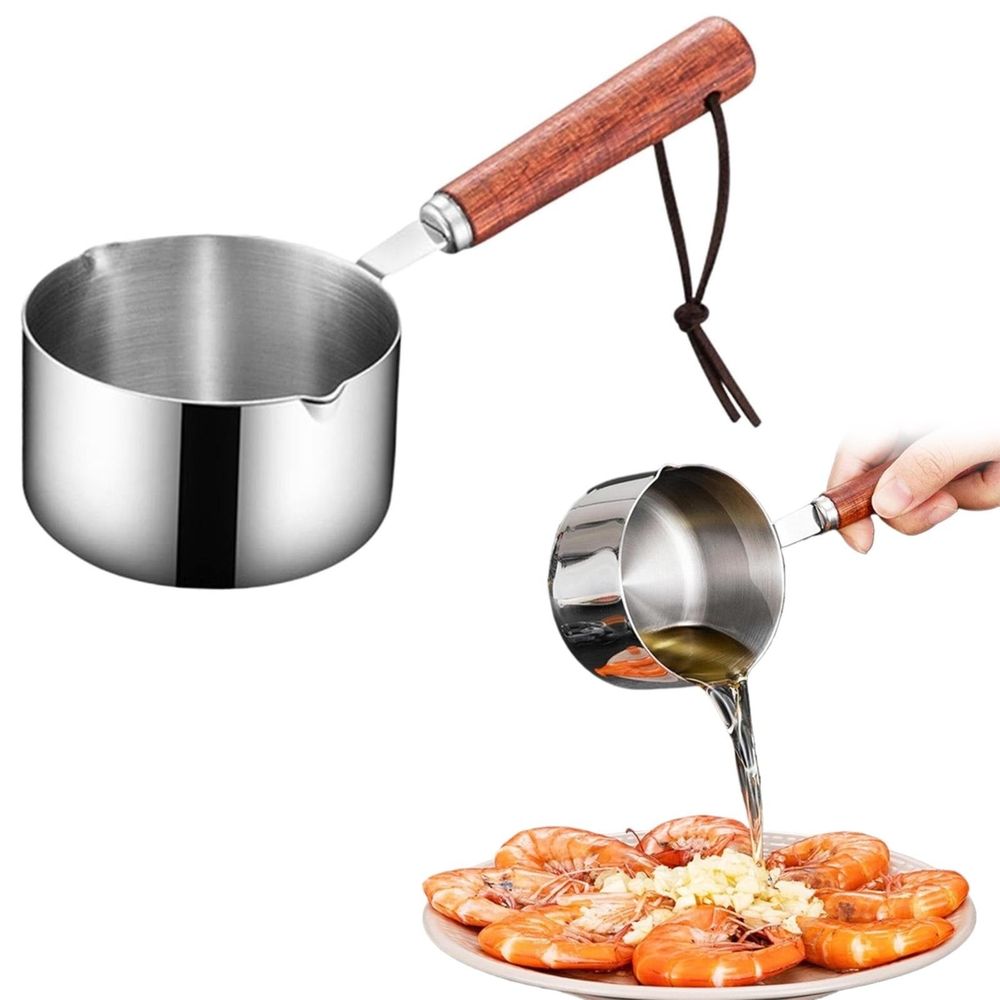
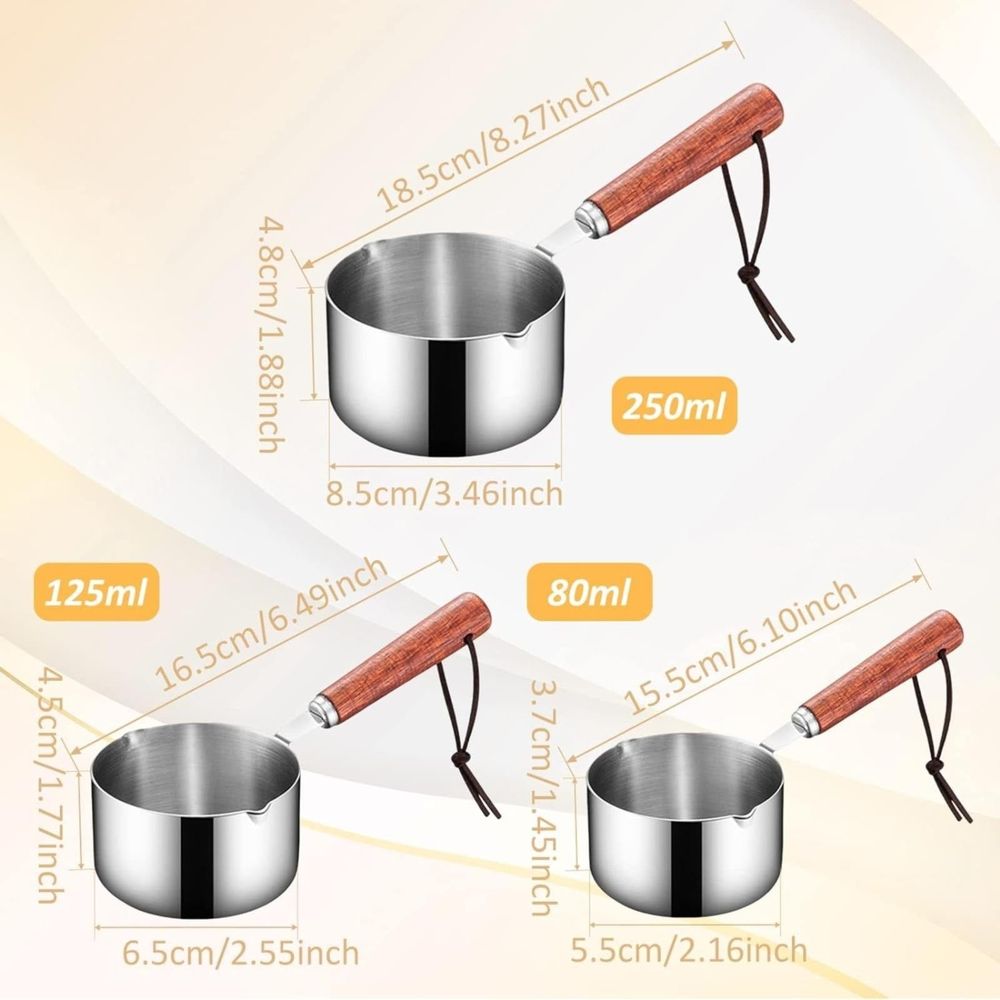
250ml Butter Warmer Pot with Wooden Handle for Seafood, Mini Milk Warmer Pot Stainless Steel Milk Warmer for Coffee, Butter Melting Pot Small Heating Cookware Soup Wamer Pan
Regular price $33.90 AUDRegular priceUnit price per -
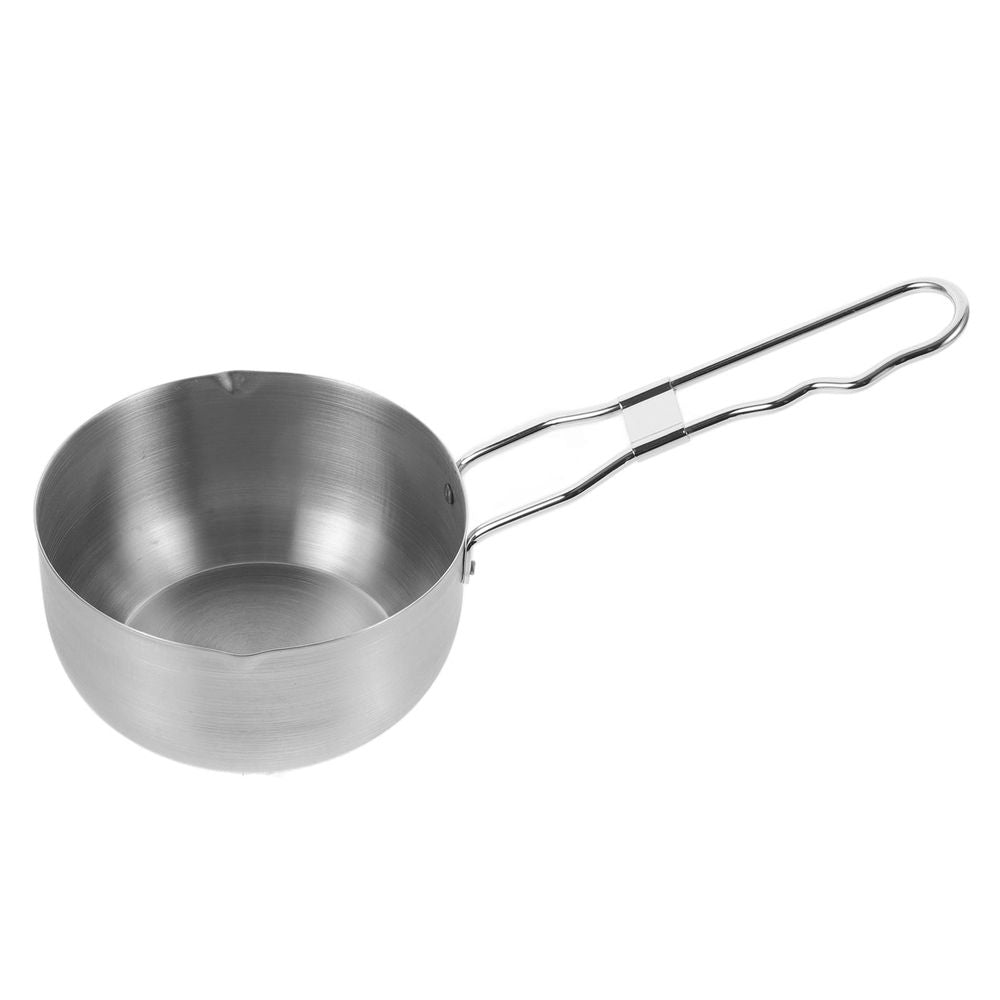
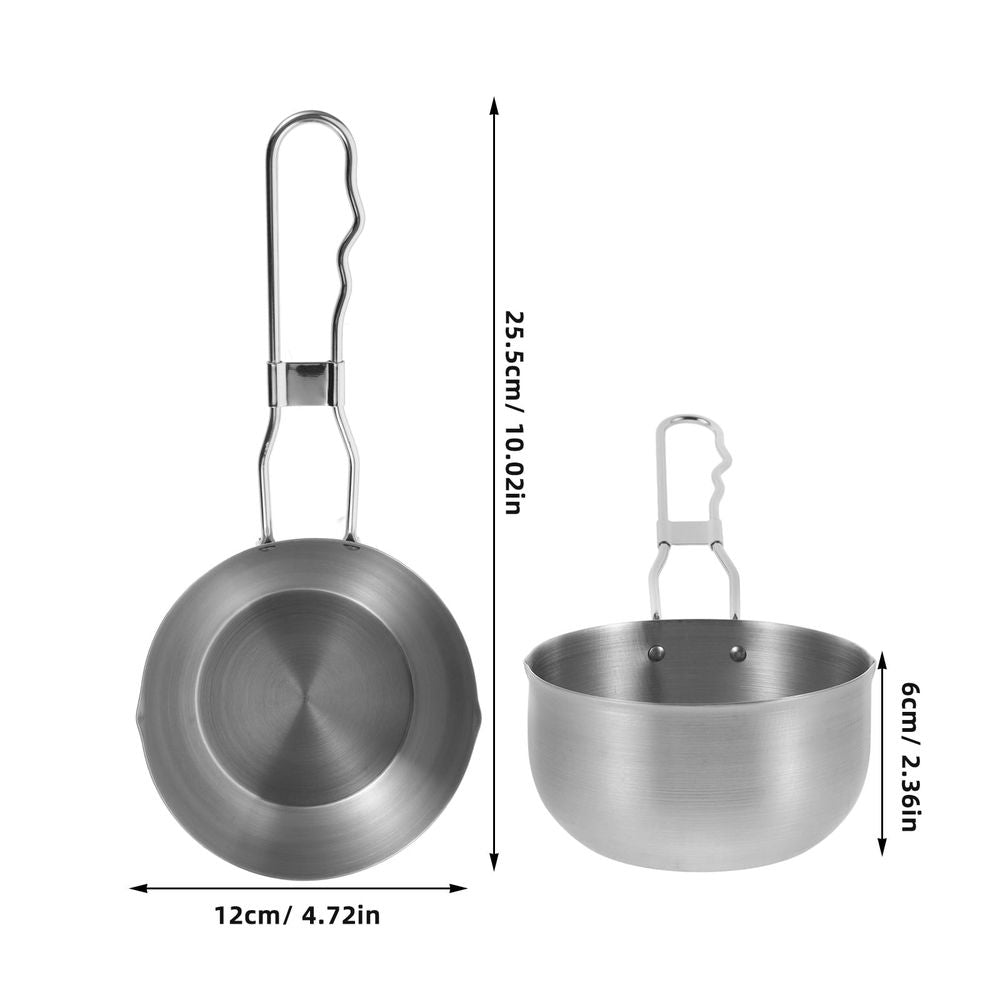
Metal Sauce Pan with Handle, 1-Pack Warmer Pot for Heating and Cooking
Regular price $34.90 AUDRegular priceUnit price per -
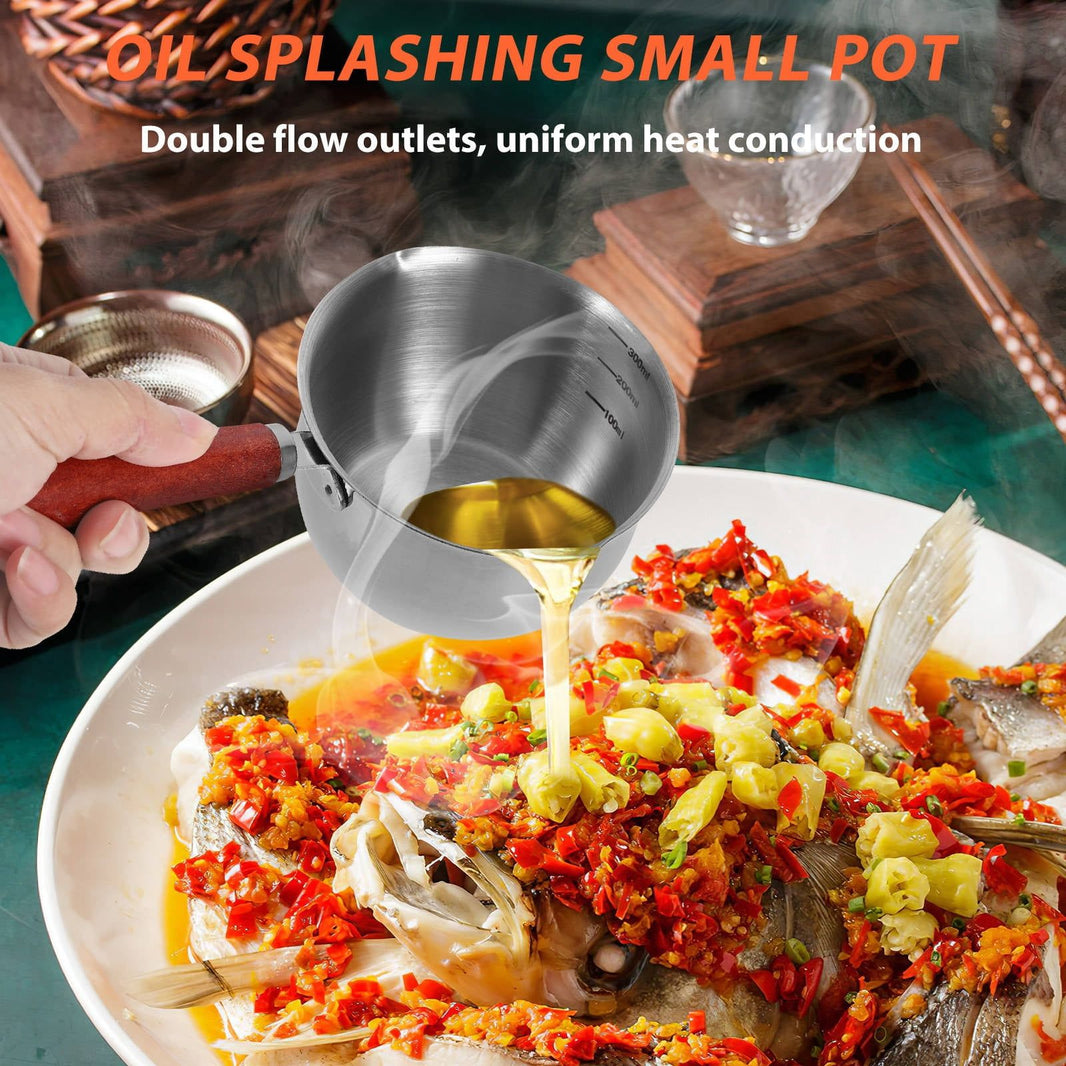
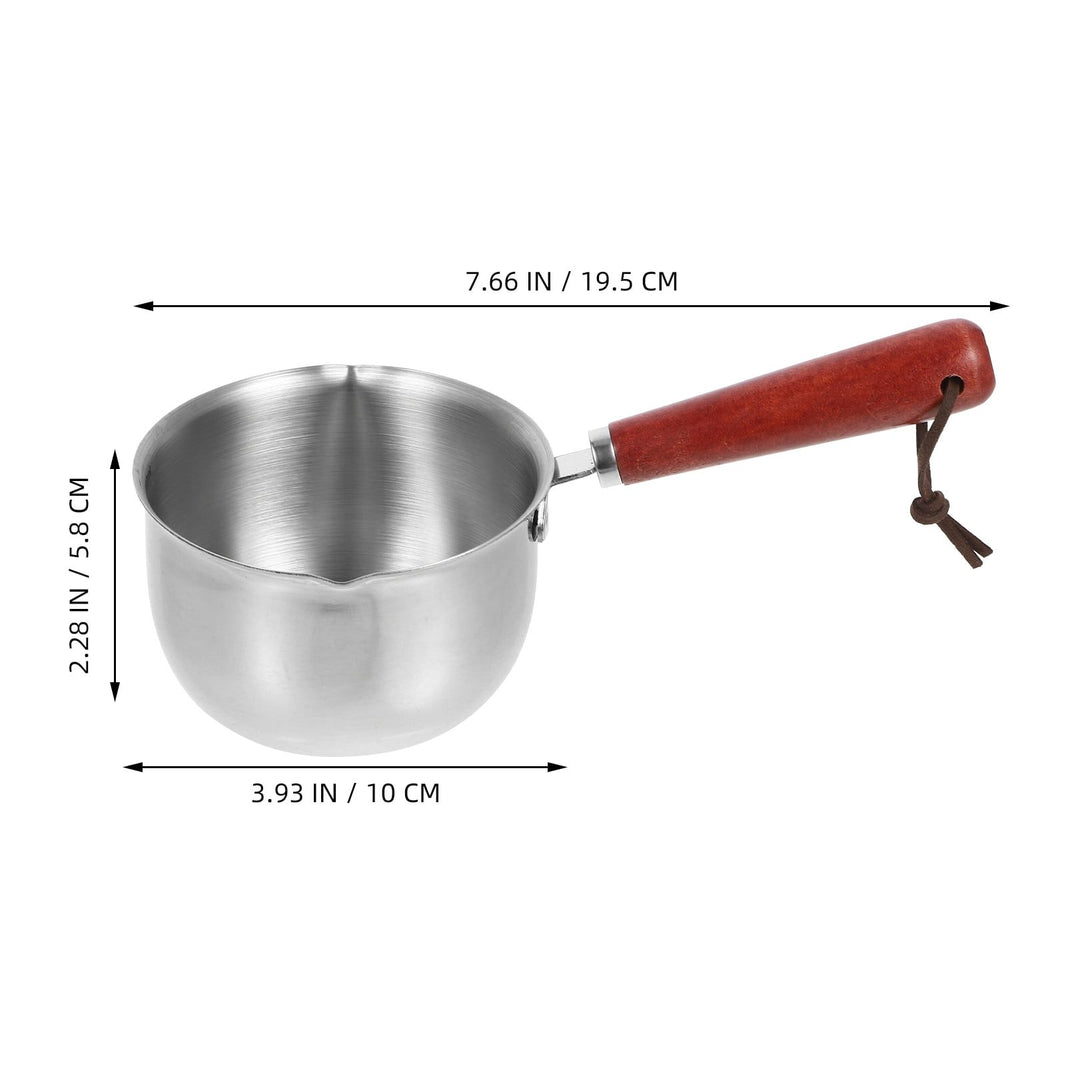
Mini Butter Warmer Milk Pan for Even Heat Distribution 1Pcs
Regular price $41.90 AUDRegular priceUnit price per -
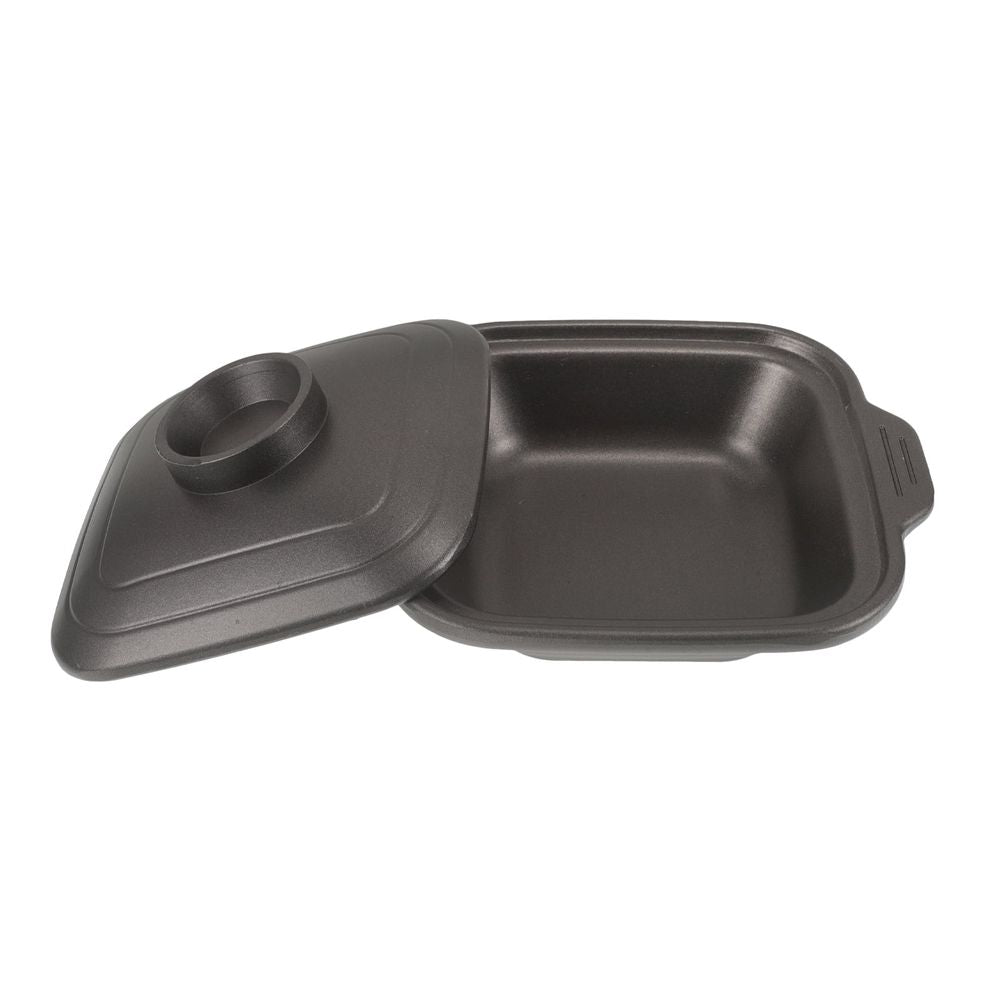

Aluminum Stew Pot for Kitchen Cooking, Non-Stick Cookware, 1 Piece Multi-Purpose Cooking Pot
Regular price $64.90 AUDRegular priceUnit price per -
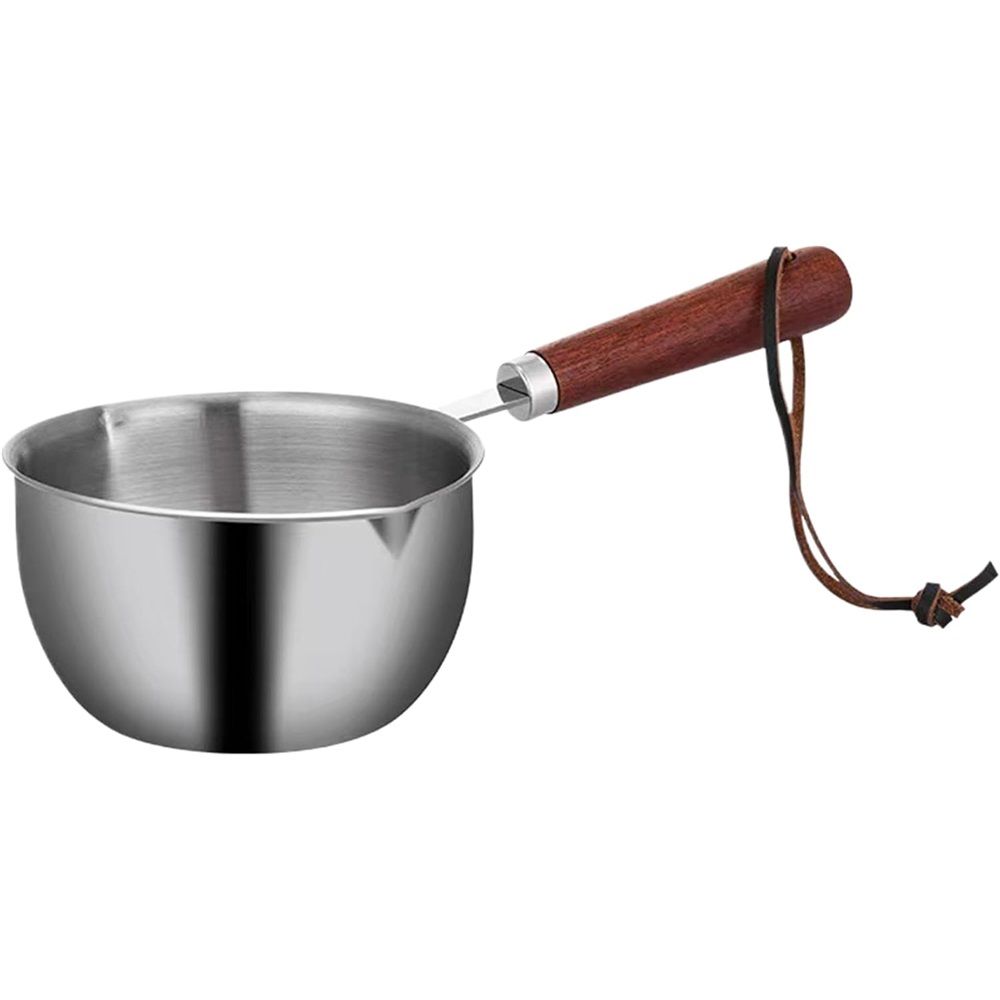
 Sale
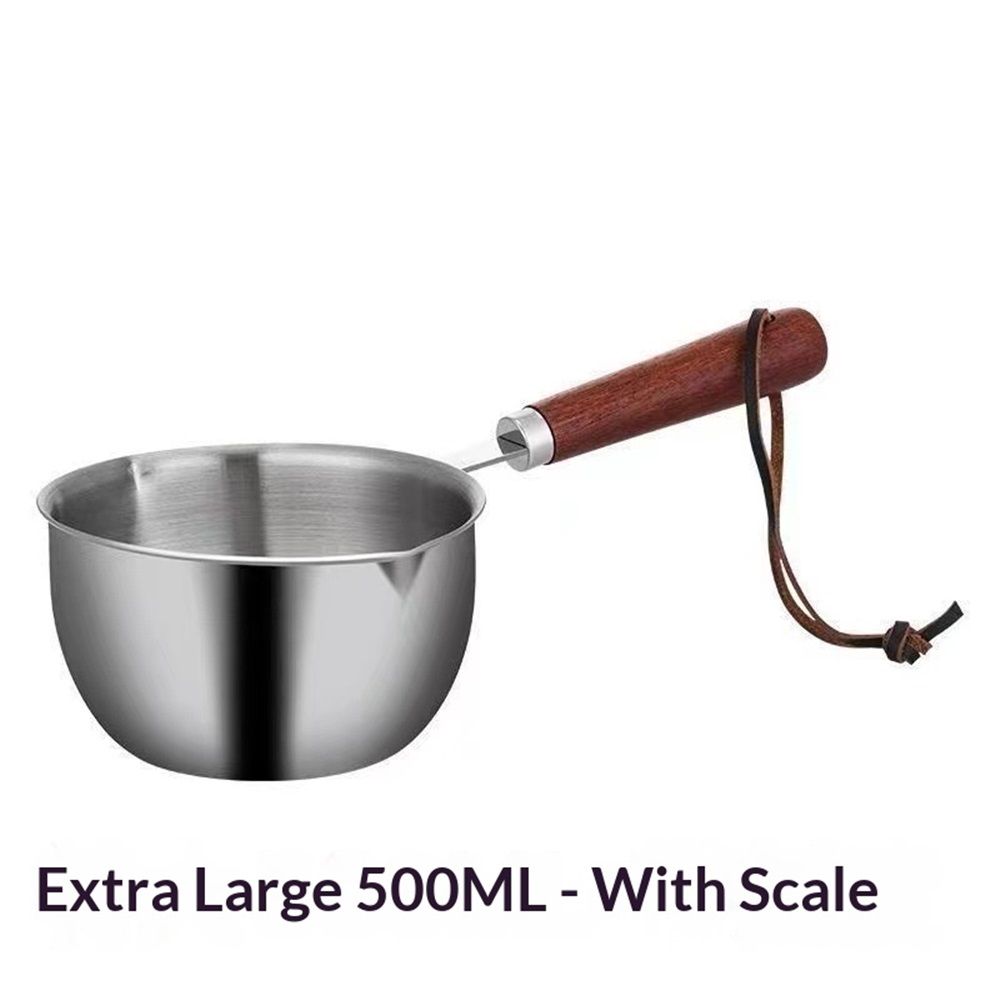
Stainless steel mini pot - butter warmer, (500ml) coffee/milk warmer, mini sauce pan for coffee, ideal for seafood butter warmers,melting pot With dual spouts and wooden handle
Regular price $22.90 AUDRegular priceUnit price per$28.10 AUDSale price $22.90 AUDSale -
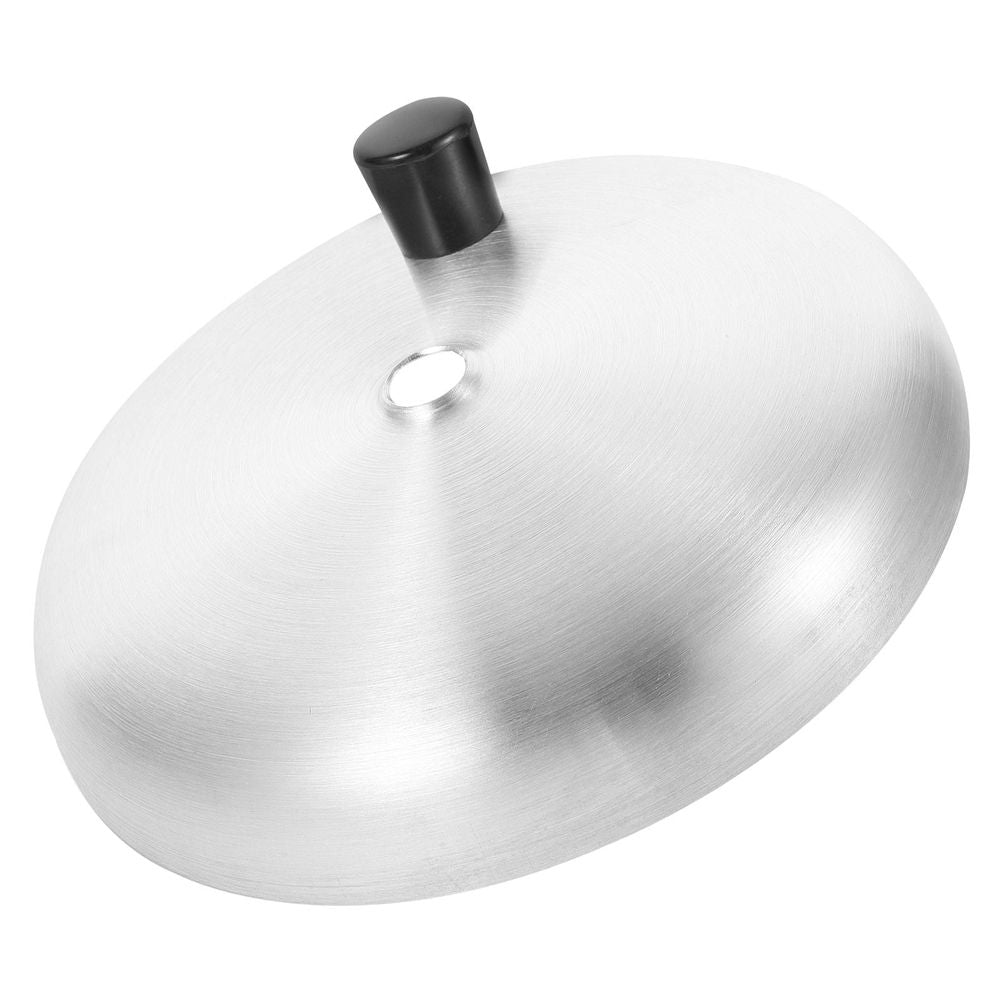
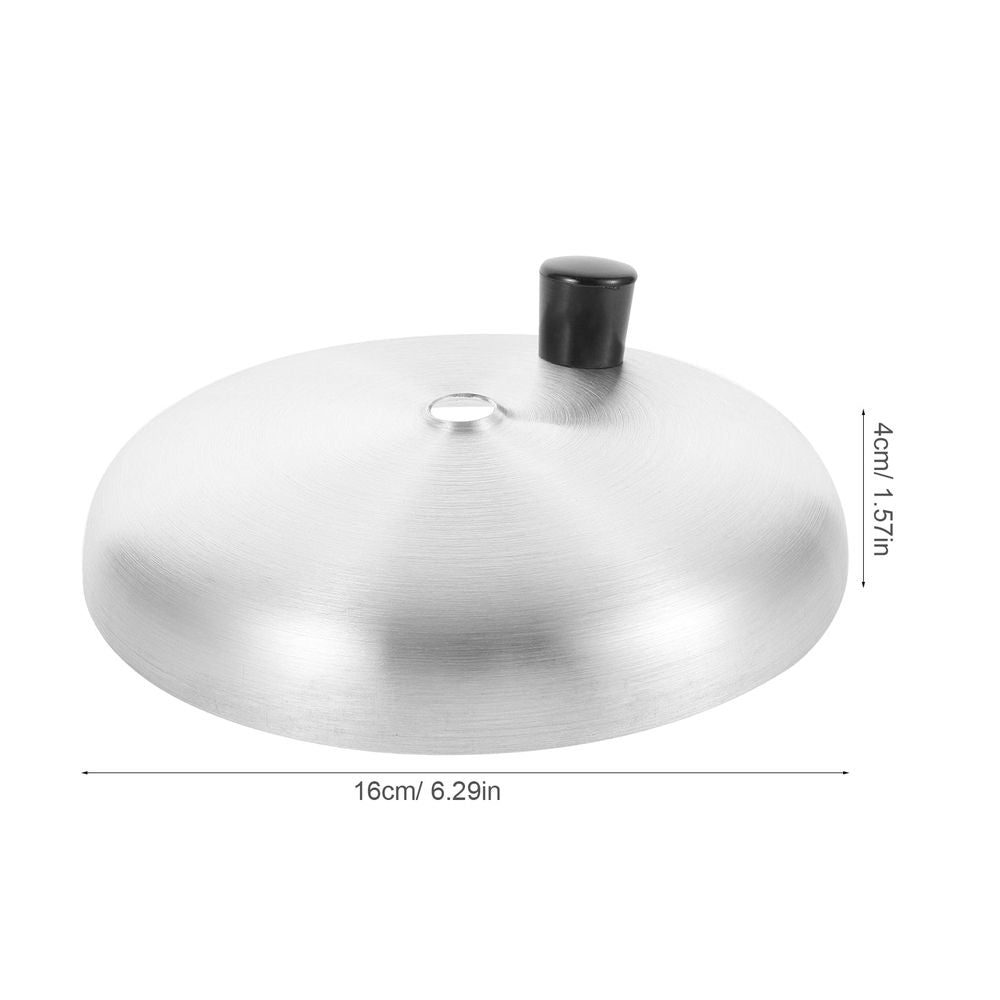
Stainless Steel Cooking Pot Lid with Vent Hole, Universal Metal Pan Cover for Kitchen Cookware and Cookware Accessories
Regular price $28.90 AUDRegular priceUnit price per -
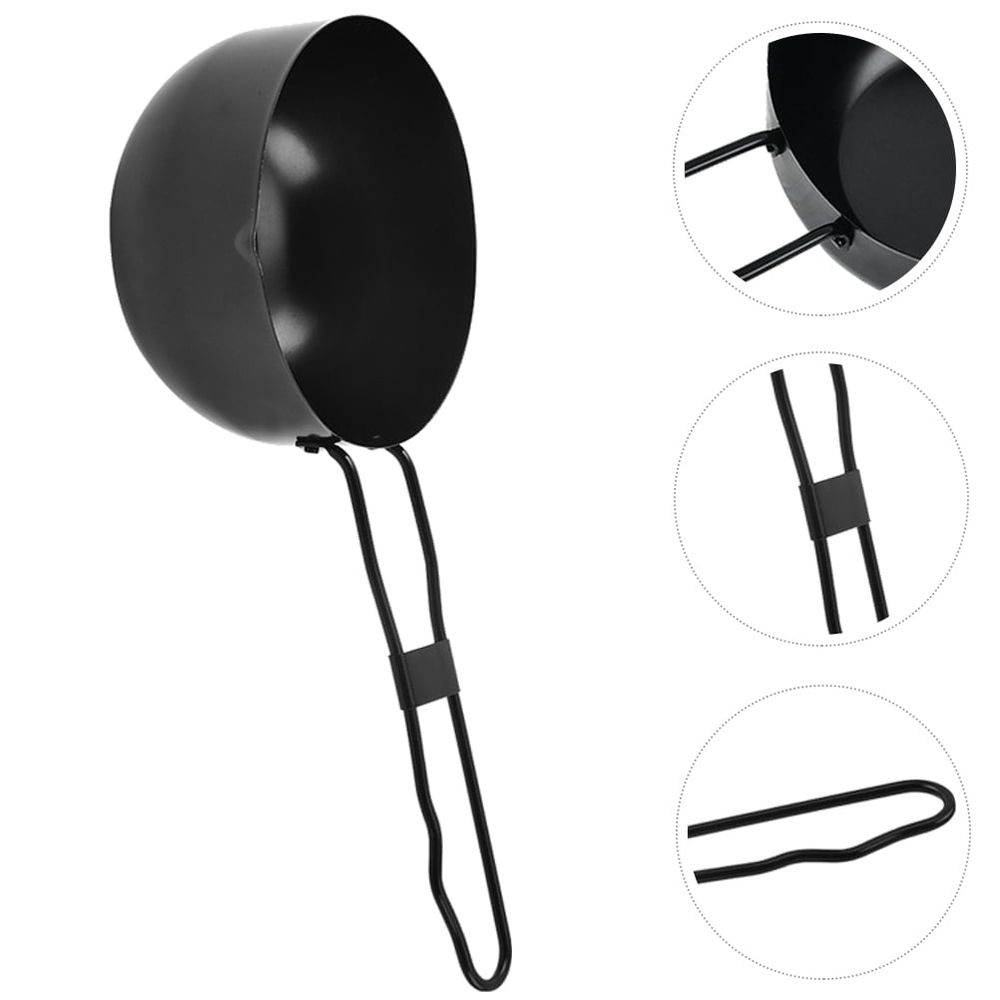
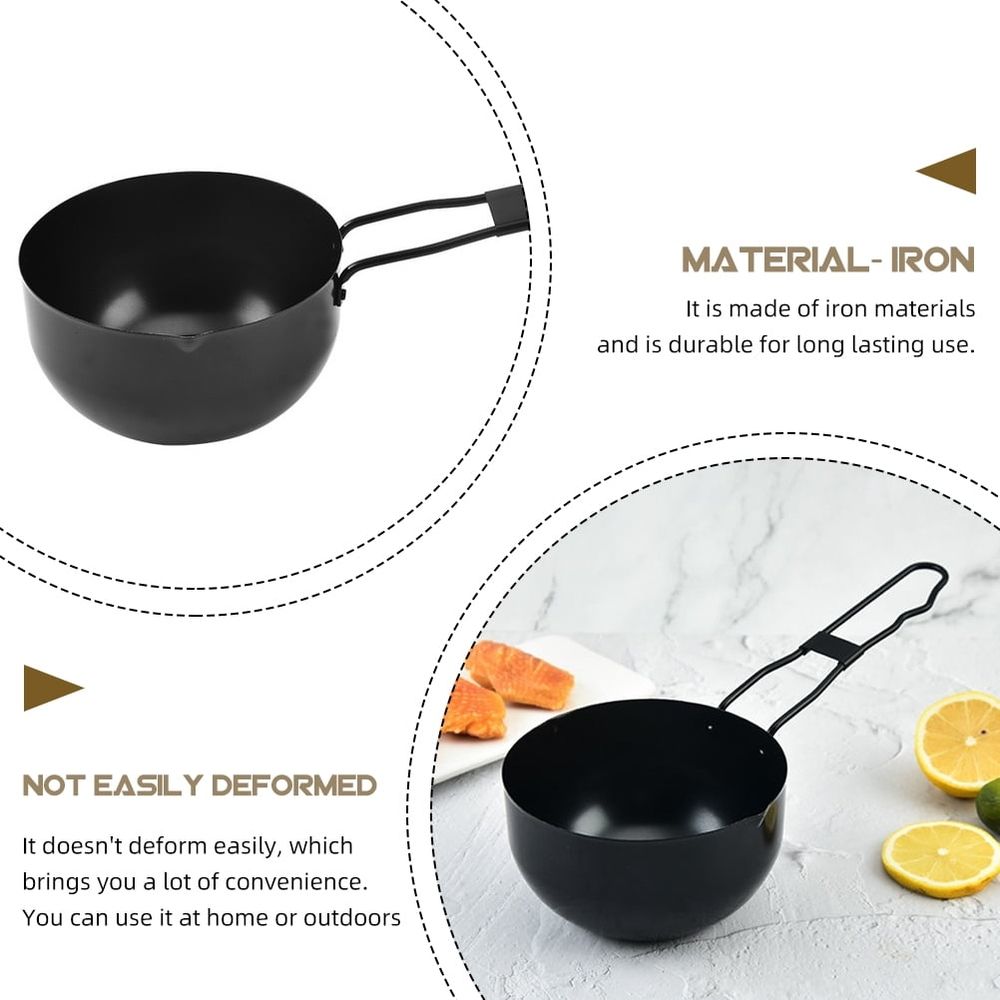
Small Pot Chinese Clay Pot Iron 1Pack
Regular price $50.90 AUDRegular priceUnit price per -
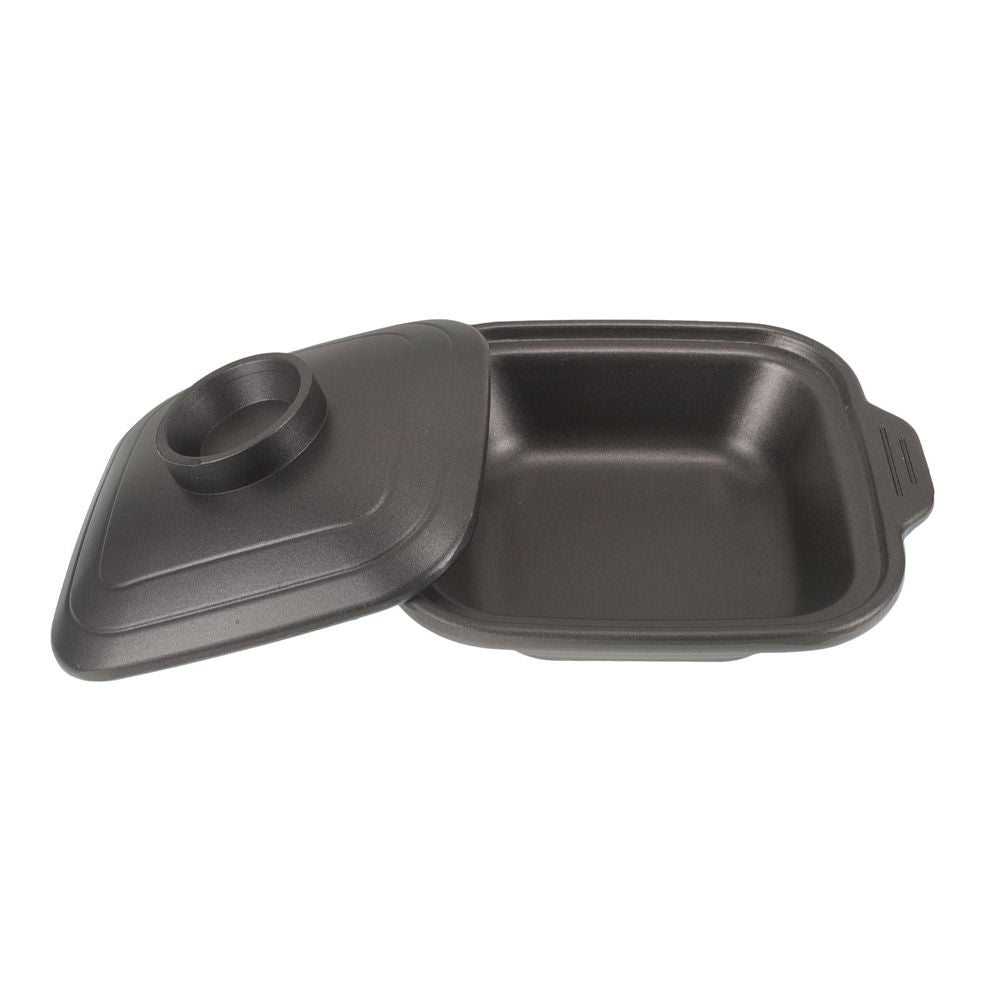

Aluminum Stew Pot for Kitchen Cooking, Non-Stick Cookware, 1 Piece Multi-Purpose Cooking Pot
Regular price $64.90 AUDRegular priceUnit price per


Related reading


Soup, pasta and a slow-cooked casserole place different demands on a pot. A tall vessel contains a larger volume of liquid; a broad Dutch oven gives ingredients more base area. This collection includes several pot styles, so choose the shape and weight around the food you cook rather than judging by litres alone.
1. Height and width change the cooking space
A tall pot leaves more depth for liquid, whereas a wider base gives ingredients room for browning before a stew. Also consider stirring: reaching into a high pot on a raised hob can be less comfortable than working in a lower vessel.
2. A filled pot weighs much more
Examples include a cast-iron Dutch oven listed at 5.7 L. Its capacity is useful for comparison, but the pot, lid and food all contribute to the lift. Look at the handle positions and the route from the hob to your serving or washing area.
3. Separate the coating from the core material
Enamel-covered cast iron is not maintained in the same way as bare seasoned iron. Non-stick saucepans and stainless pots also have different instructions. Oven compatibility must include the lid and handles; a pot that works on the hob is not automatically suitable everywhere.
Useful answers
Questions about stock pots, dutch ovens & multi-purpose pots
Is a tall stockpot or a wide Dutch oven better for stew?
A broad base gives ingredients room when browning before the liquid is added. A tall stockpot provides depth for larger liquid batches. Choose around your method and usual quantity, then consider stirring height, hob space and how you will lift the filled vessel.
How much spare room should I leave in a stockpot?
Choose usable headroom for stirring and for the recipe’s movement as it cooks, rather than planning to fill to the rim. Pasta, simmering stock and a thick stew behave differently. Use the recipe and the pot’s instructions to set the working fill level; nominal litres are only a starting comparison.
Does enamelled cast iron need the same care as bare cast iron?
No. Enamel is a different cooking surface, so do not apply a bare-iron seasoning routine automatically. Follow the enamelled pot’s instructions for heating, utensils and cleaning. The lid knob and handles also need their own oven-use limits if the dish moves from hob to oven.