

If you’ve spent any time outdoors looking after a garden or yard, you’ll know weeds can feel like a never-ending battle. You pull them out one weekend and by the next, they’ve already crept back in. That’s when most of us reach for the backpack sprayer and a bottle of Roundup. It’s quick, efficient, and gets into places you can’t reach by hand.
But then comes the big question: how much Roundup in a backpack sprayer should you actually use? Add too little and the weeds shrug it off. Add too much and you might scorch your lawn, waste money, or risk harming other plants. It’s a balancing act, and it’s worth getting right.
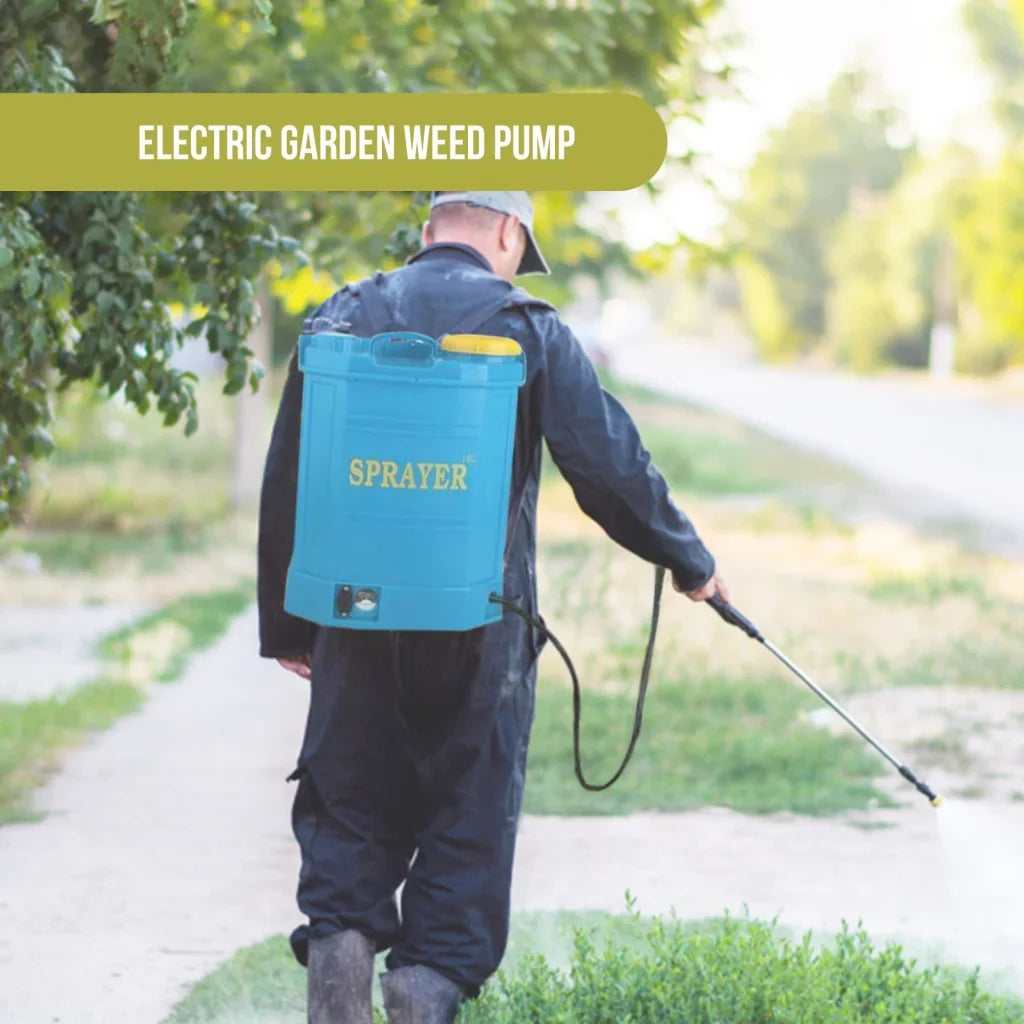
Why the Right Mix of Roundup in Backpack Sprayer Matters
Think about cooking for a moment. If you put way too much salt in a meal, you can’t take it back out. If you don’t add enough, the dish tastes bland. Mixing Roundup is a bit the same. The correct amount gives you clean results, weeds gone without fuss. Too little means they survive and come back. Too much, and you’re not only wasting product but potentially harming the soil and anything nearby.
That’s why knowing exactly how much Roundup to add to the backpack sprayer isn’t just about killing weeds; it’s about doing the job properly, safely, and without spending more than you need to.
The Usual Ratios for How Much Roundup in a Backpack Sprayer
Most Roundup products suggest a similar mixing range: roughly 10 to 20 millilitres of concentrate for every litre of water. To put it simply:
-
If your sprayer holds 12 litres, you’ll need around 120–240ml of concentrate.
-
For a 15-litre sprayer, you’ll measure about 150–300ml.
-
With a 20-litre sprayer, you’re looking at 200–400ml.
That’s the general guide, but don’t forget to read the label on your bottle. Different Roundup formulas can be slightly stronger or weaker, and the last thing you want is to assume they’re all the same.
How Much Roundup Do You Need for a Backpack Sprayer?
Not every patch of weeds is alike, so the mix you use sometimes needs a tweak. A few things to keep in mind:
-
Type of weeds , Light, leafy weeds like dandelions are easy to knock out with the standard mix. Thick, tough invaders like blackberry or couch grass may need something stronger.
-
Your sprayer size. It sounds obvious, but a lot of people forget what size tank they’re carrying. Misjudging this is a common mistake.
-
Product strength: Some Roundup bottles are concentrated, others are pre-diluted. Double-check before mixing.
-
The area you’re covering , A small veggie patch may only need one tank. An acreage or larger block could mean three or four refills.
Taking these into account helps you fine-tune how much Roundup in the backpack sprayer you’ll actually need each time.
Measuring the Roundup Properly
Here’s where many people trip up: they pour by “eye.” It feels quicker, but it’s not reliable. One heavy splash and you’ve ruined the mix. The easiest solution is to use a little measuring cup or even a syringe marked with millilitres. It keeps things accurate and consistent.
If you’re cautious and not sure how much Roundup in a backpack sprayer is safe, start with the lower end of the mix, closer to 10ml per litre. You can always spray again later if the weeds bounce back. It’s better to do two lighter treatments than one heavy dose that goes wrong.
Safety Steps While Mixing
Roundup works well because it’s strong, so it’s worth protecting yourself while handling it. Before you measure out how much Roundup in the backpack sprayer you need, put on gloves and some safety glasses. Mix outdoors or at least in a breezy area, and make sure kids and pets aren’t nearby. A little bit of preparation keeps everyone safe and avoids accidents.
Getting the Most from How Much Roundup in a Backpack Sprayer
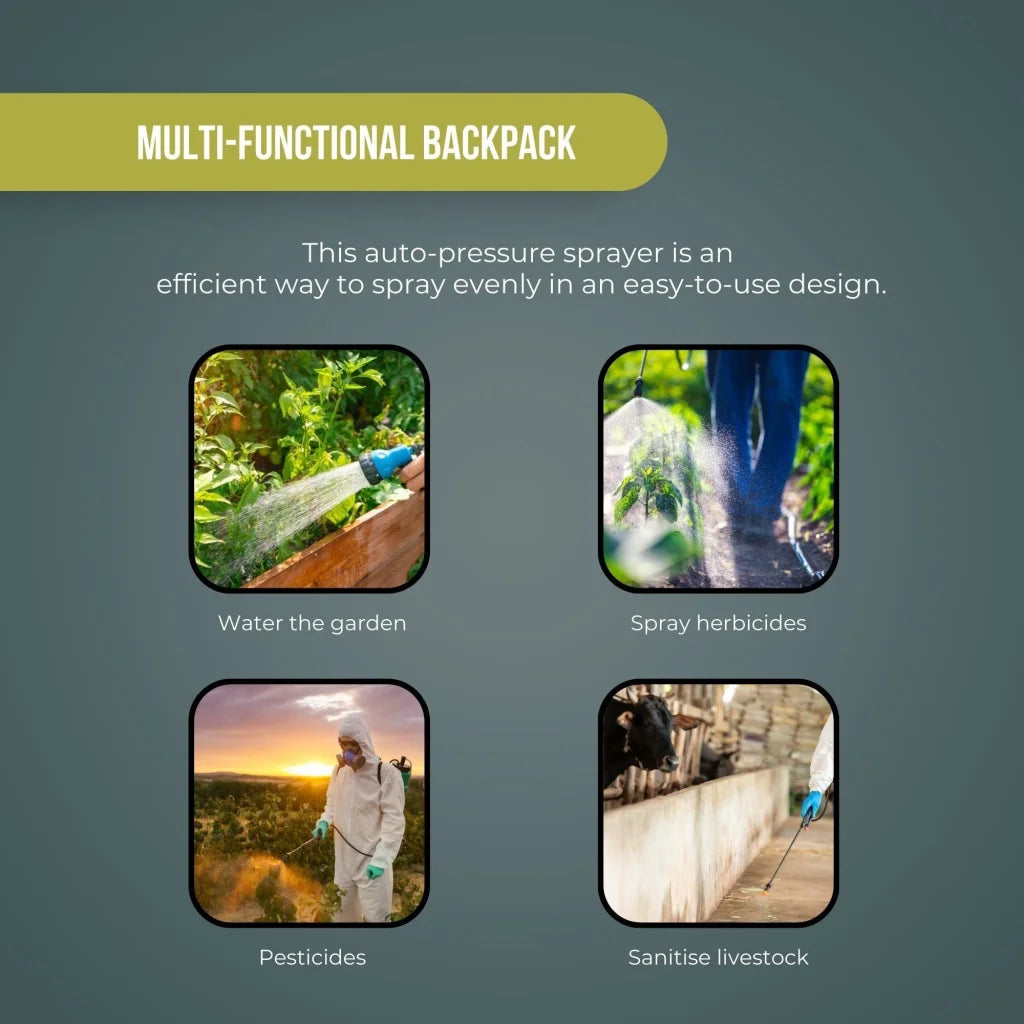
Once you’ve got the mix right, the spraying technique makes a big difference:
-
Pick your day carefully. Calm, dry weather is best. Wind spreads the spray, and rain washes it off before it works.
-
Aim for the leaves. Roundup works through the plant’s leaves, not the soil. Spray evenly across the foliage.
-
Steady movement, walk slowly and spray in a smooth motion so coverage is consistent.
-
Patience, Results don’t show overnight. Usually, you’ll see weeds yellowing in a week, and by two weeks, they should be dying off.
Common Mistakes People Make
Over the years, I’ve seen the same problems come up again and again when people are working out how much Roundup to use in a backpack sprayer:
-
Guessing instead of measuring properly.
-
Thinking “more is better” and pouring in extra concentrate.
-
Mixing Roundup with other chemicals without checking the label.
-
Forgetting to clean the sprayer after use, which clogs nozzles and leaves residue.
Avoiding these simple mistakes saves time and frustration.
Cleaning Up Afterwards
Once you’ve finished spraying, don’t just shove the sprayer back in the shed. Empty any leftover solution and rinse the tank with clean water a couple of times. Spray the rinse water onto gravel or stubborn weeds so it doesn’t go to waste. Keeping your sprayer clean means it’ll last longer and be ready for the next round.
Larger Jobs and Acreage
If you’re working on something bigger than a backyard, like a small farm or block of land, you’ll simply need more tanks of solution. The process doesn’t change, but consistency matters. Measure how much Roundup in the backpack sprayer you need every time, rather than guessing, so each refill is mixed the same. Some people even mark levels on their tank with a permanent marker to make it easier.
So, How Much Roundup in a Backpack Sprayer Do You Really Need?
At the end of the day, the sweet spot for most jobs is between 10 and 20ml of Roundup concentrate per litre of water. That’s strong enough to knock out weeds without harming the rest of your garden.
The exact amount depends on what you’re spraying, the size of your sprayer, and the type of Roundup you’ve bought. If you measure carefully, take your time, and clean up after each use, you’ll save money, protect your plants, and finally get on top of those weeds.
So next time you strap on your backpack sprayer and wonder how much Roundup to add, you’ll know exactly how to mix it, no guesswork, no waste, and no more endless weeding.