
Stainless Steel Baking & Gastronorm Trays
Stainless steel trays in this selection include deep Gastronorm pans as well as shallower formats.
Shop the collection
-
 Sale
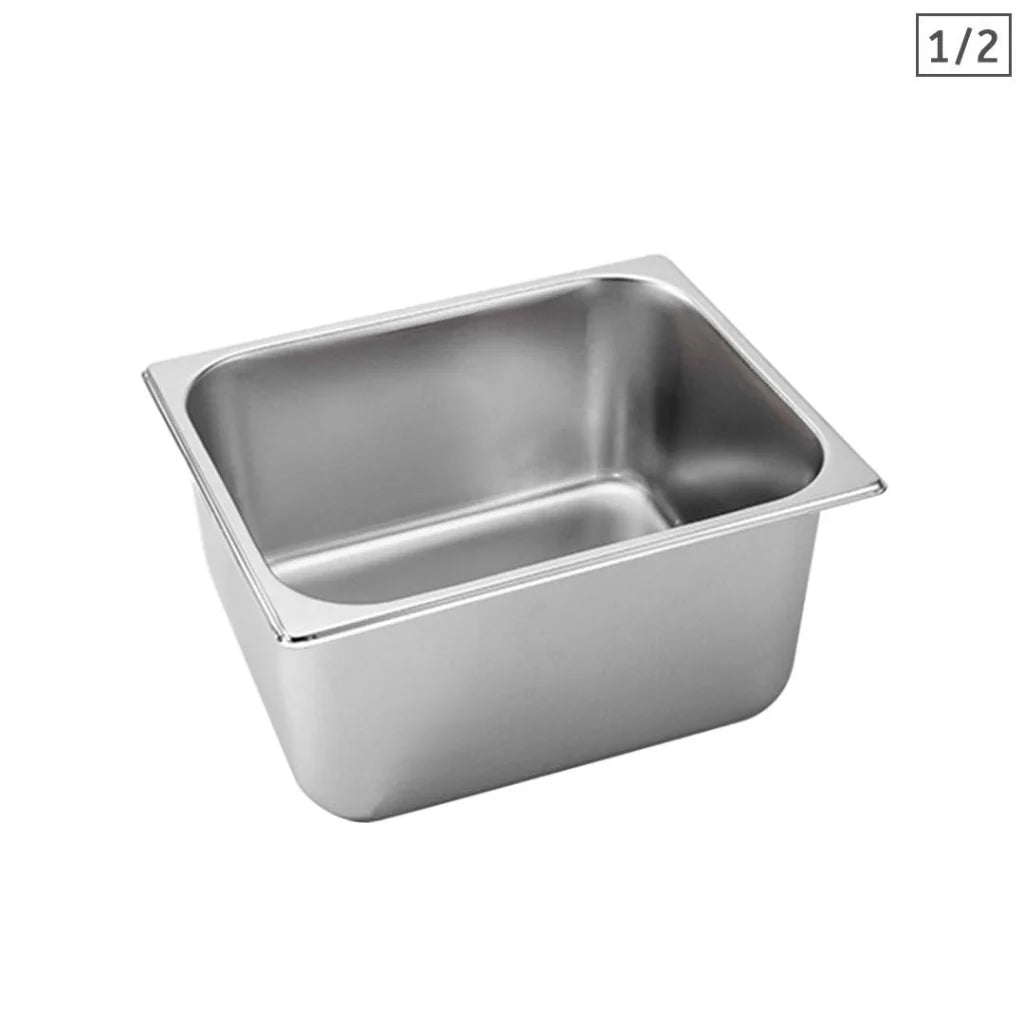
GN 1/2 Stainless Steel Gastronorm Pan, 200 mm Deep – SOGA
Regular price $30.80 AUDRegular priceUnit price per$38.80 AUDSale price $30.80 AUDSale -

 Sale
GN 1/1 Stainless Steel Gastronorm Pan, 40 mm Deep – SOGA
Regular price $33.80 AUDRegular priceUnit price per$42.80 AUDSale price $33.80 AUDSale -
 Sale
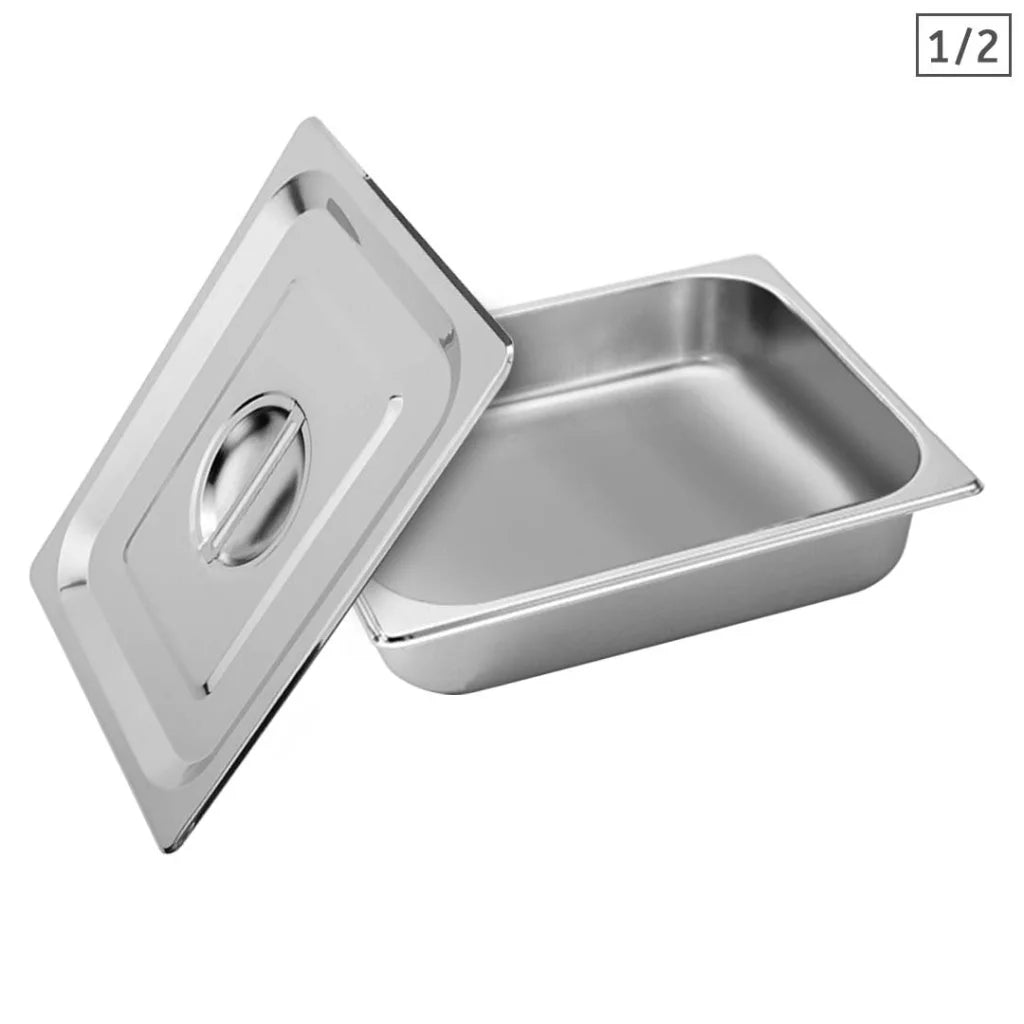
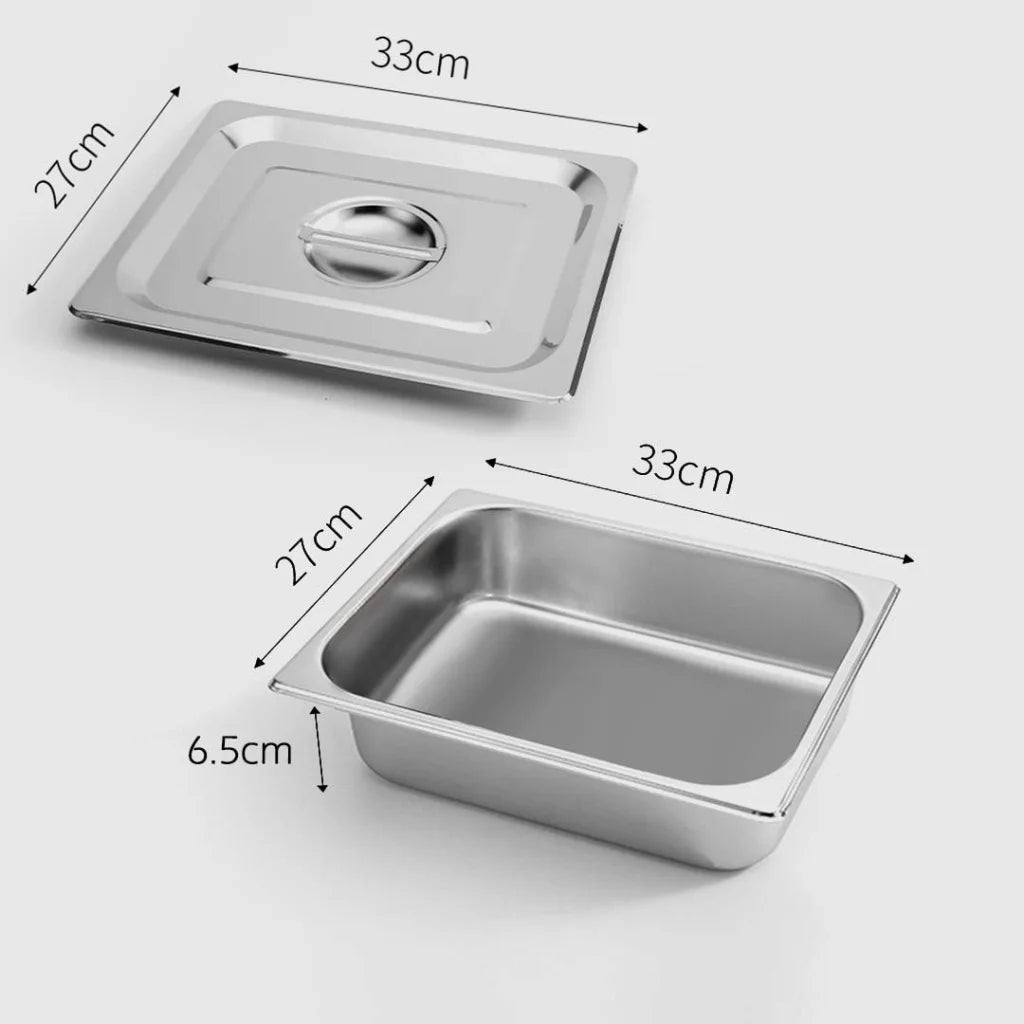
GN 1/2 Stainless Steel Gastronorm Pan with Lid, 65 mm Deep – SOGA
Regular price $41.80 AUDRegular priceUnit price per$52.80 AUDSale price $41.80 AUDSale -
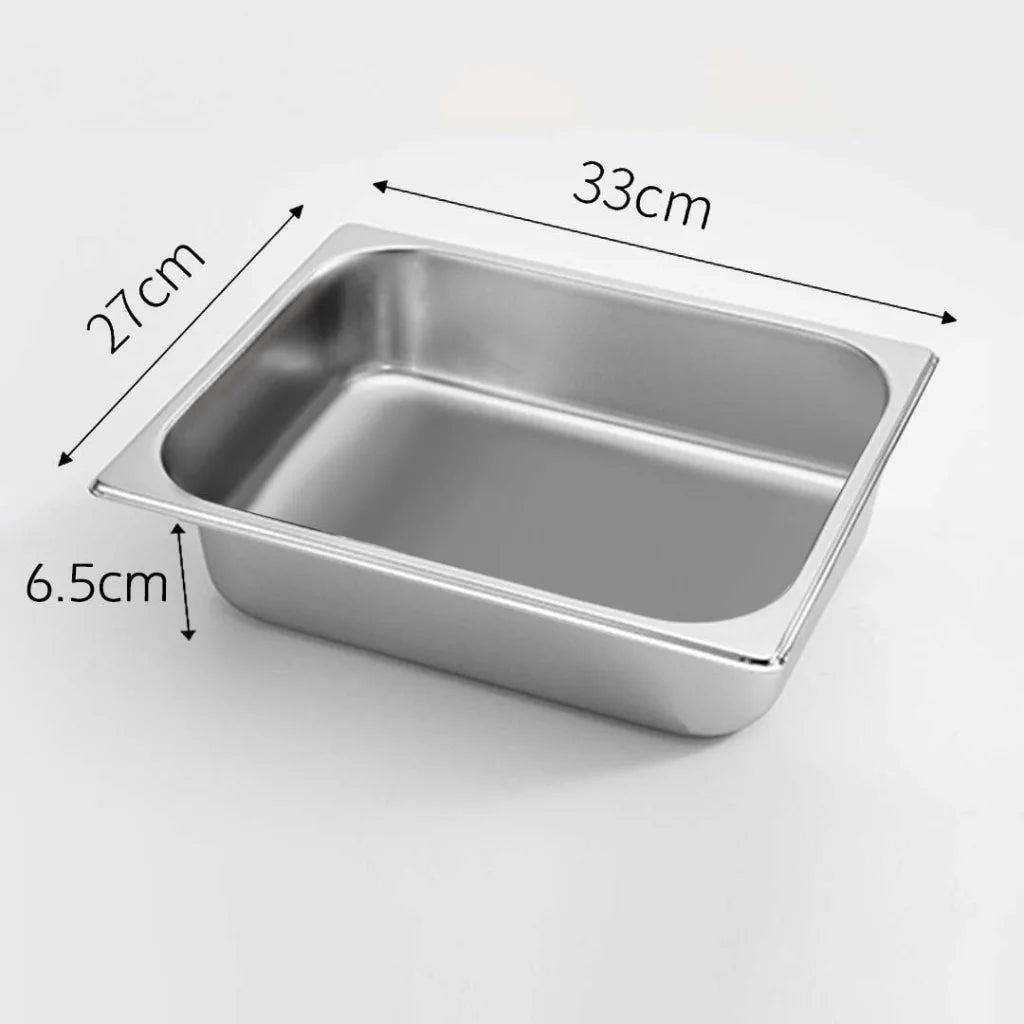 Sale
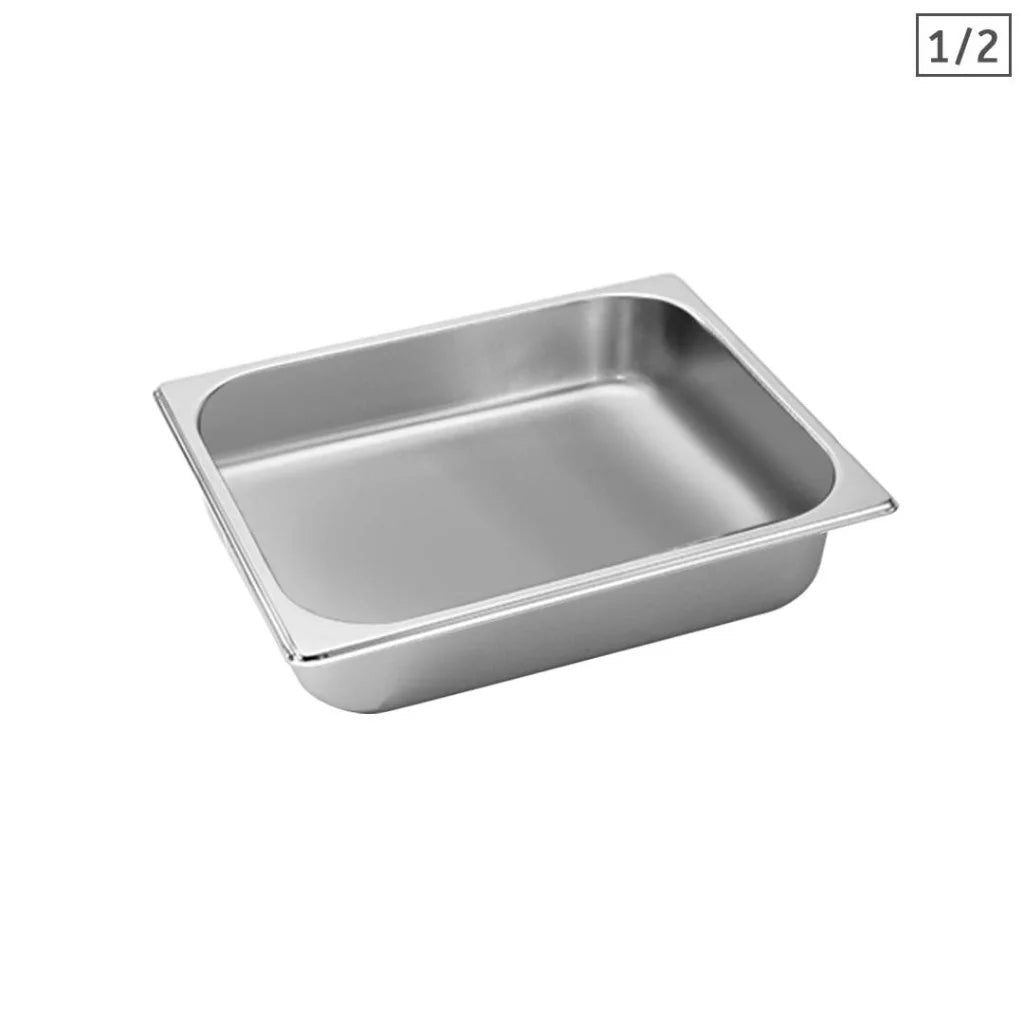
GN 1/2 Stainless Steel Gastronorm Pan, 65 mm Deep – SOGA
Regular price $30.80 AUDRegular priceUnit price per$38.80 AUDSale price $30.80 AUDSale -

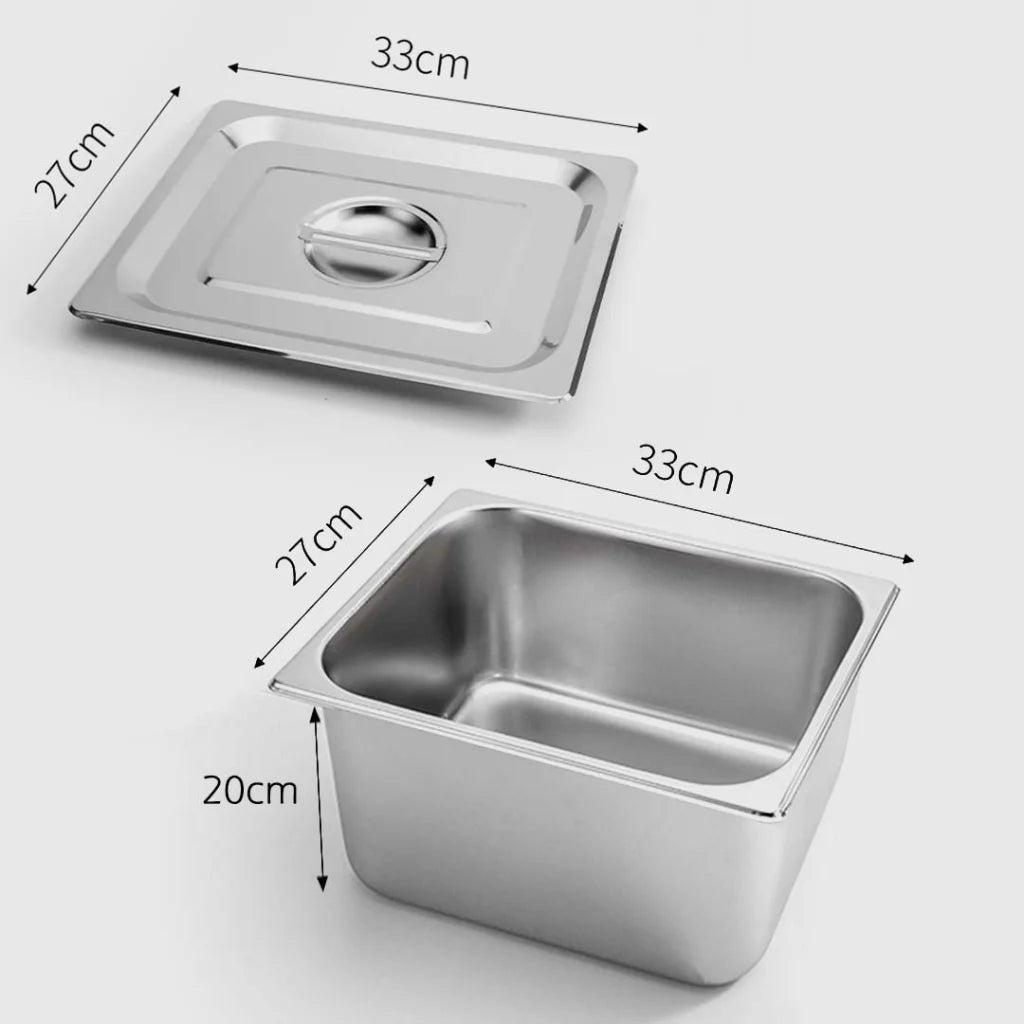 Sale
GN 1/2 Stainless Steel Gastronorm Pan with Lid, 200 mm Deep – SOGA
Regular price $44.80 AUDRegular priceUnit price per$75.80 AUDSale price $44.80 AUDSale -
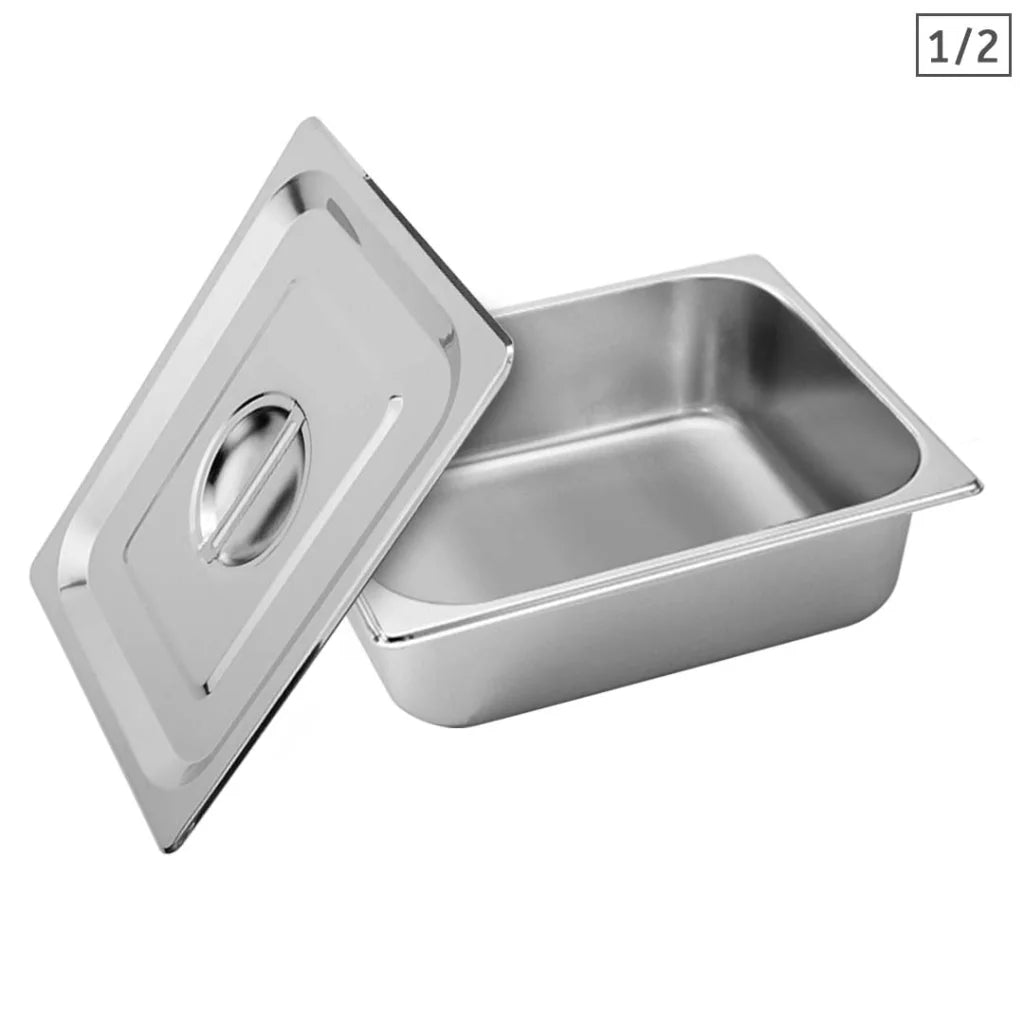
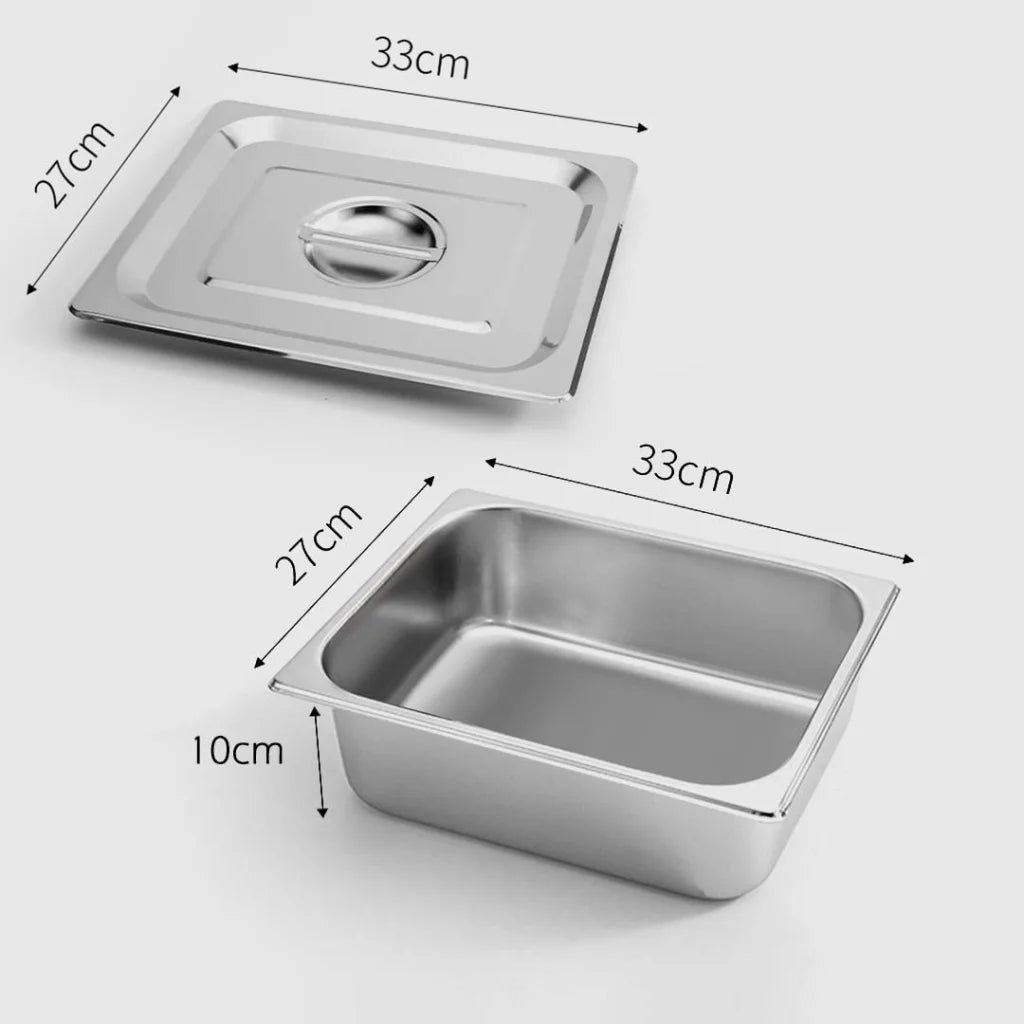 Sale
GN 1/2 Stainless Steel Gastronorm Pan with Lid, 100 mm Deep – SOGA
Regular price $44.80 AUDRegular priceUnit price per$75.80 AUDSale price $44.80 AUDSale -
 Sale
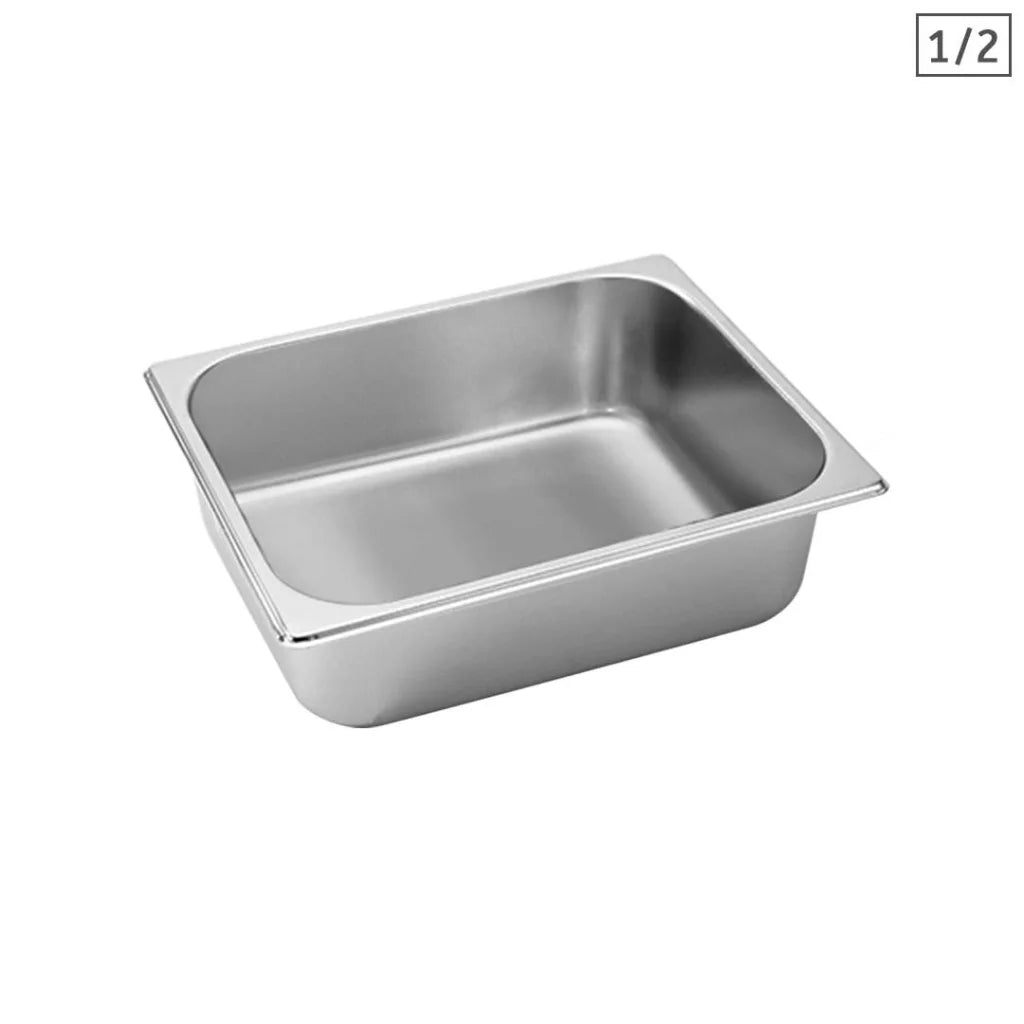
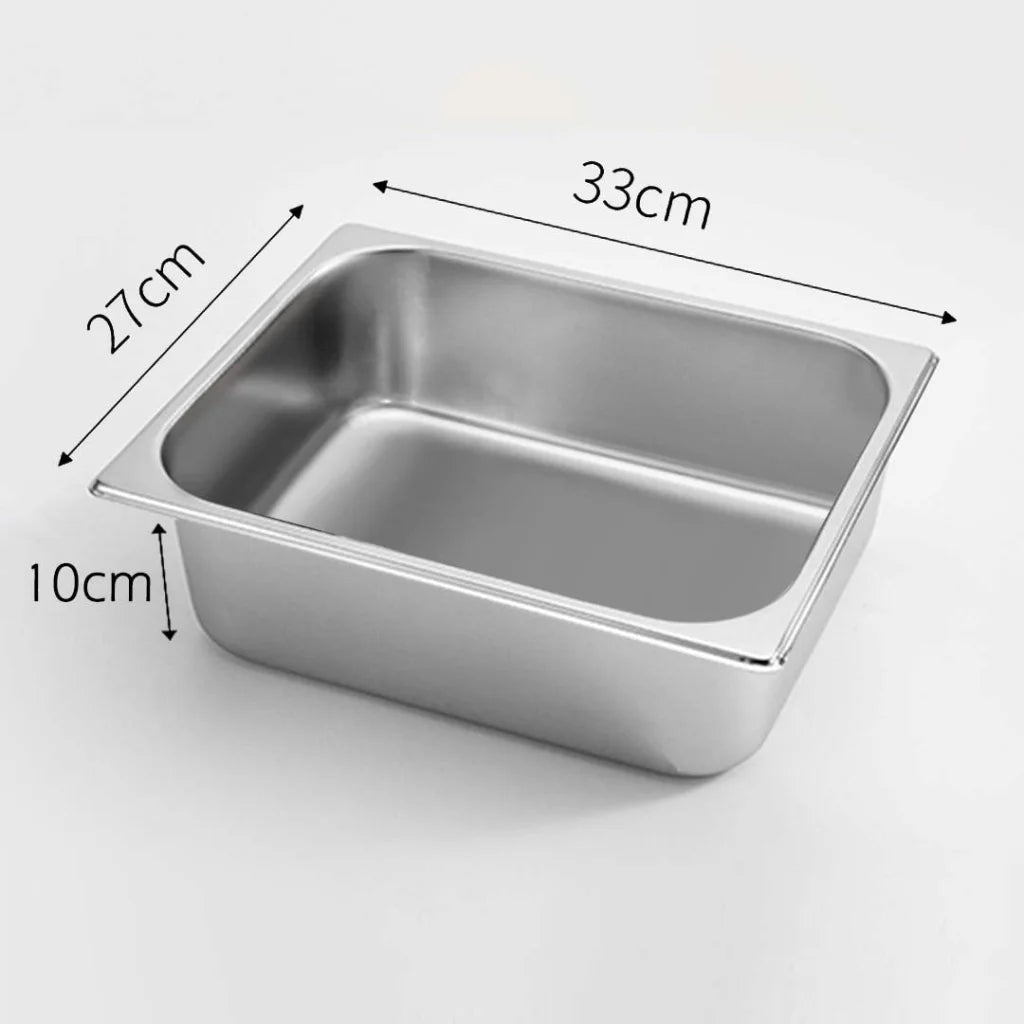
GN 1/2 Stainless Steel Gastronorm Pan, 100 mm Deep – SOGA
Regular price $30.80 AUDRegular priceUnit price per$38.80 AUDSale price $30.80 AUDSale -
 Sale
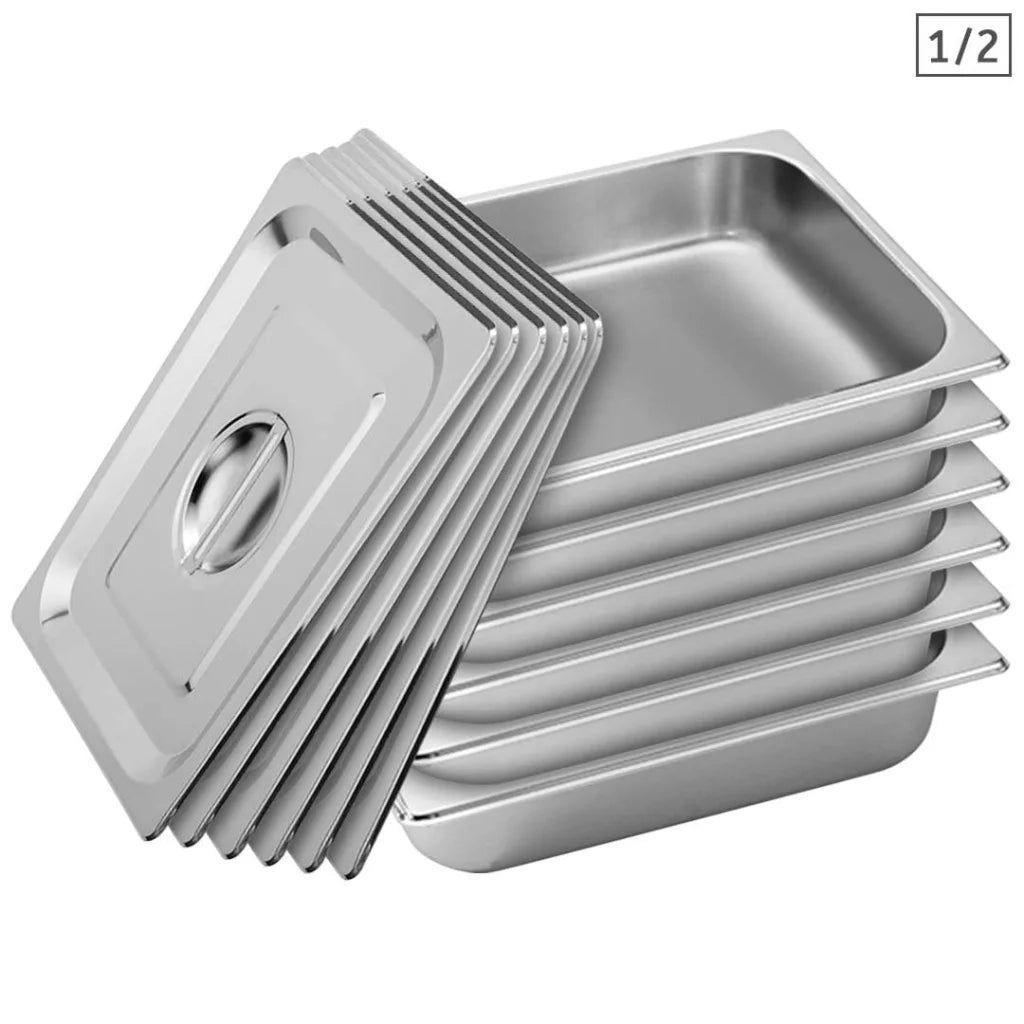
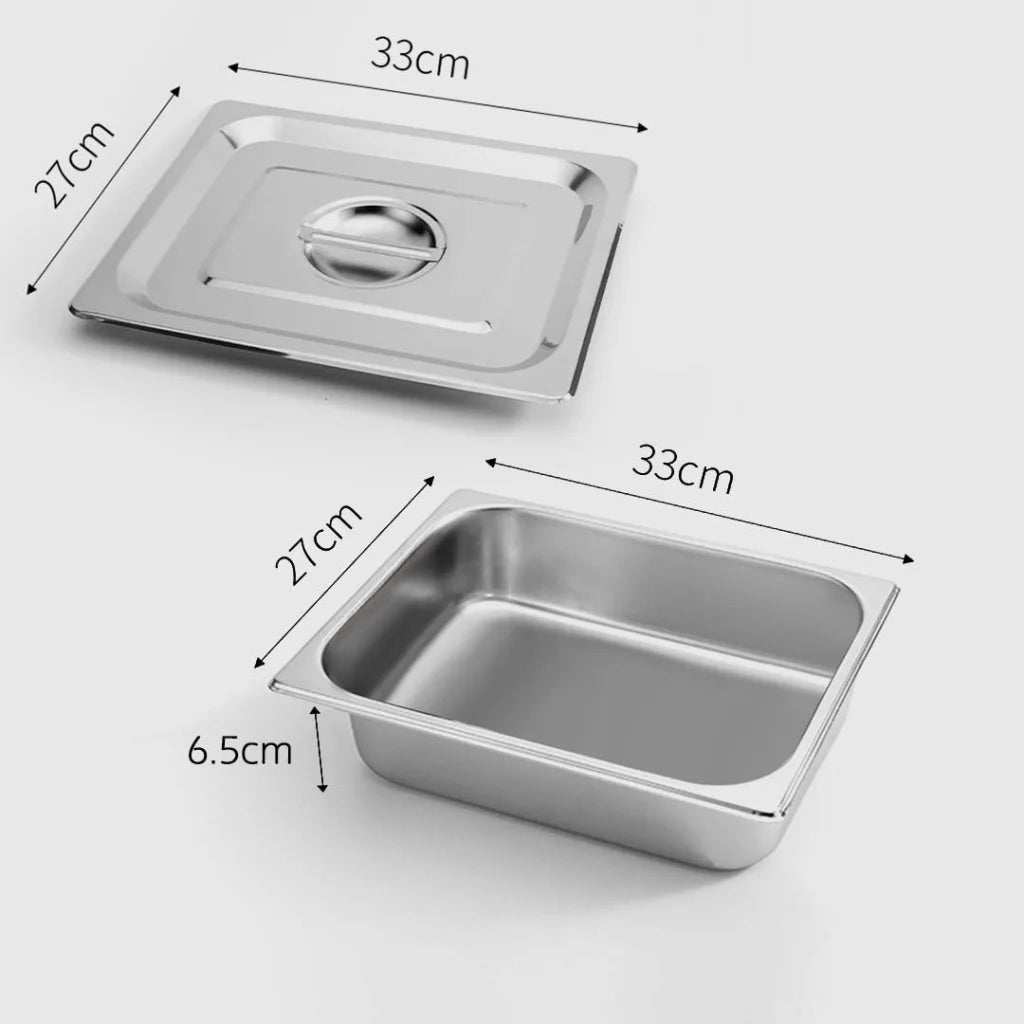
GN 1/2 Stainless Steel Gastronorm Pans with Lids, 65 mm Deep, Set of 6 – SOGA
Regular price $183.80 AUDRegular priceUnit price per$255.80 AUDSale price $183.80 AUDSale -
 Sale
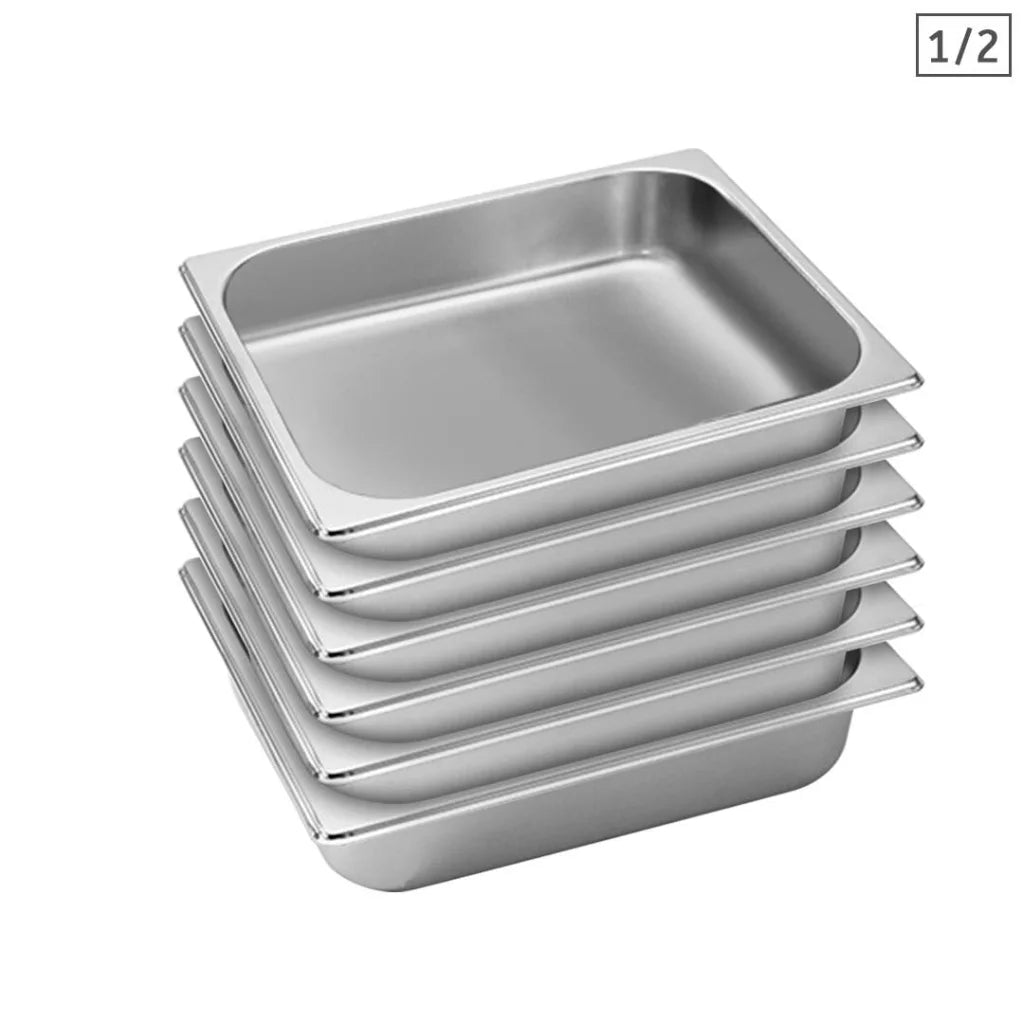
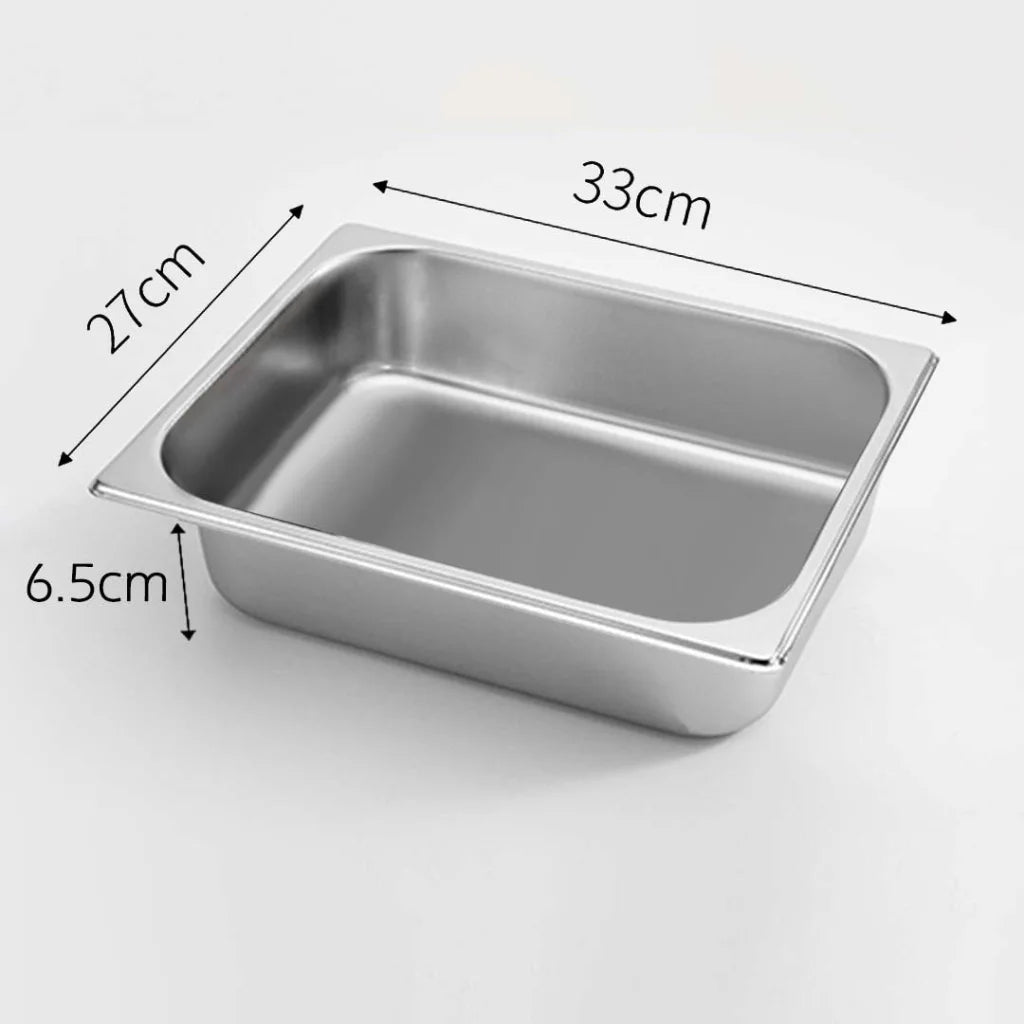
GN 1/2 Stainless Steel Gastronorm Pans, 65 mm Deep, Set of 6 – SOGA
Regular price $103.80 AUDRegular priceUnit price per$212.80 AUDSale price $103.80 AUDSale -
 Sale
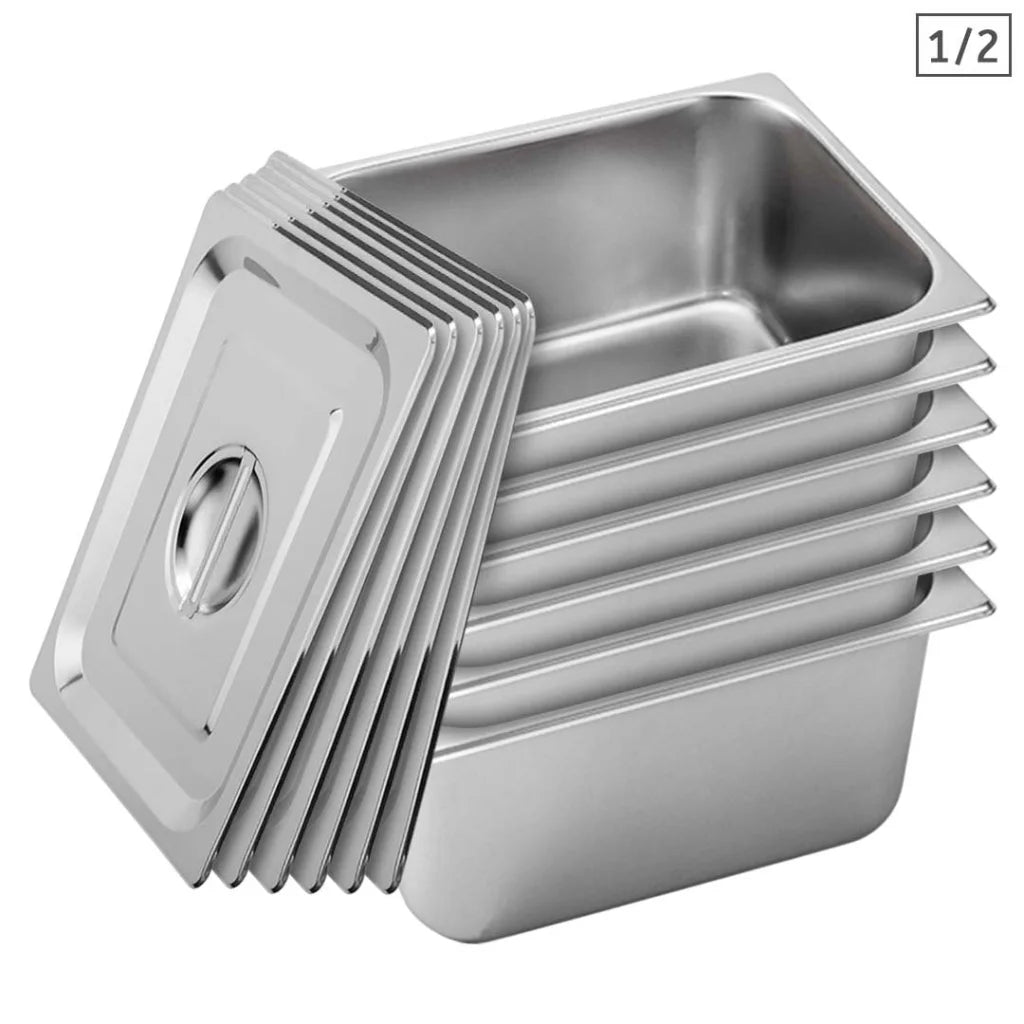
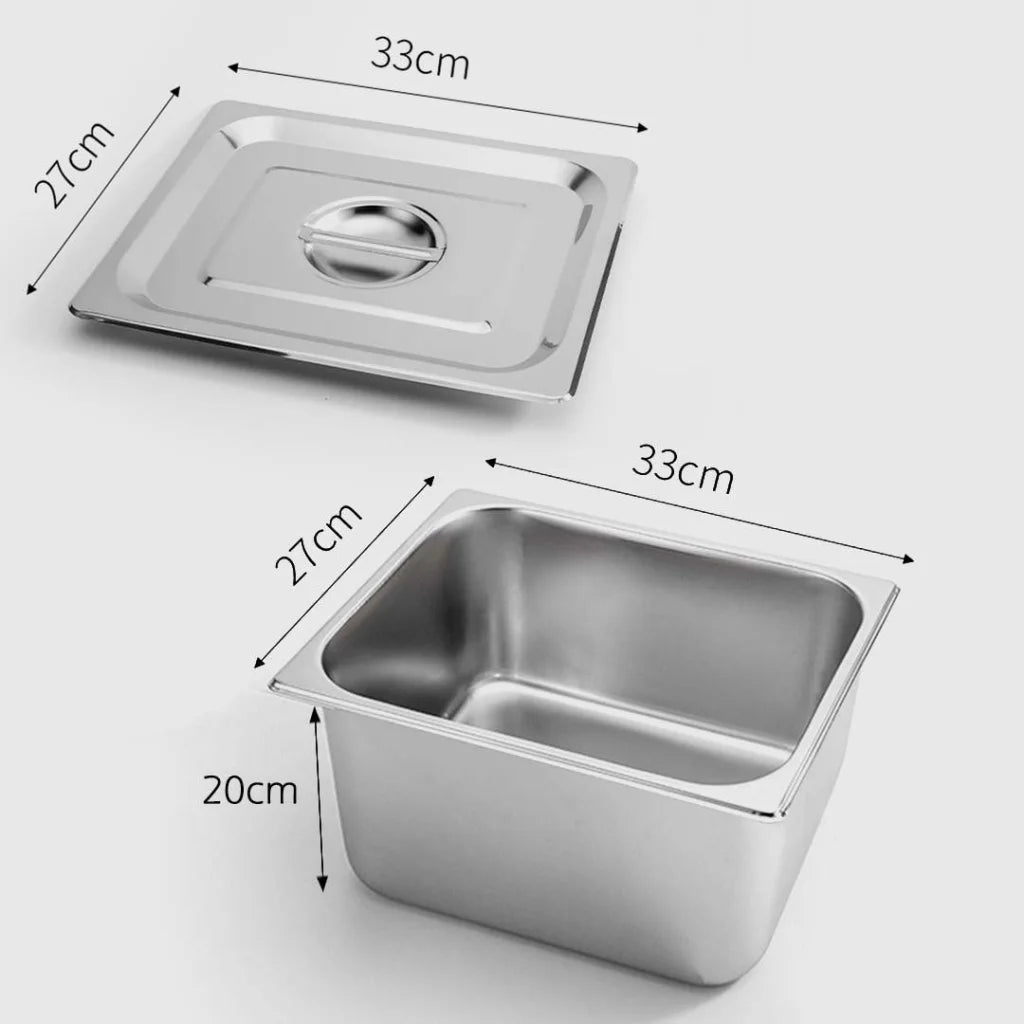
GN 1/2 Stainless Steel Gastronorm Pans with Lids, 200 mm Deep, Set of 6 – SOGA
Regular price $200.80 AUDRegular priceUnit price per$277.80 AUDSale price $200.80 AUDSale -

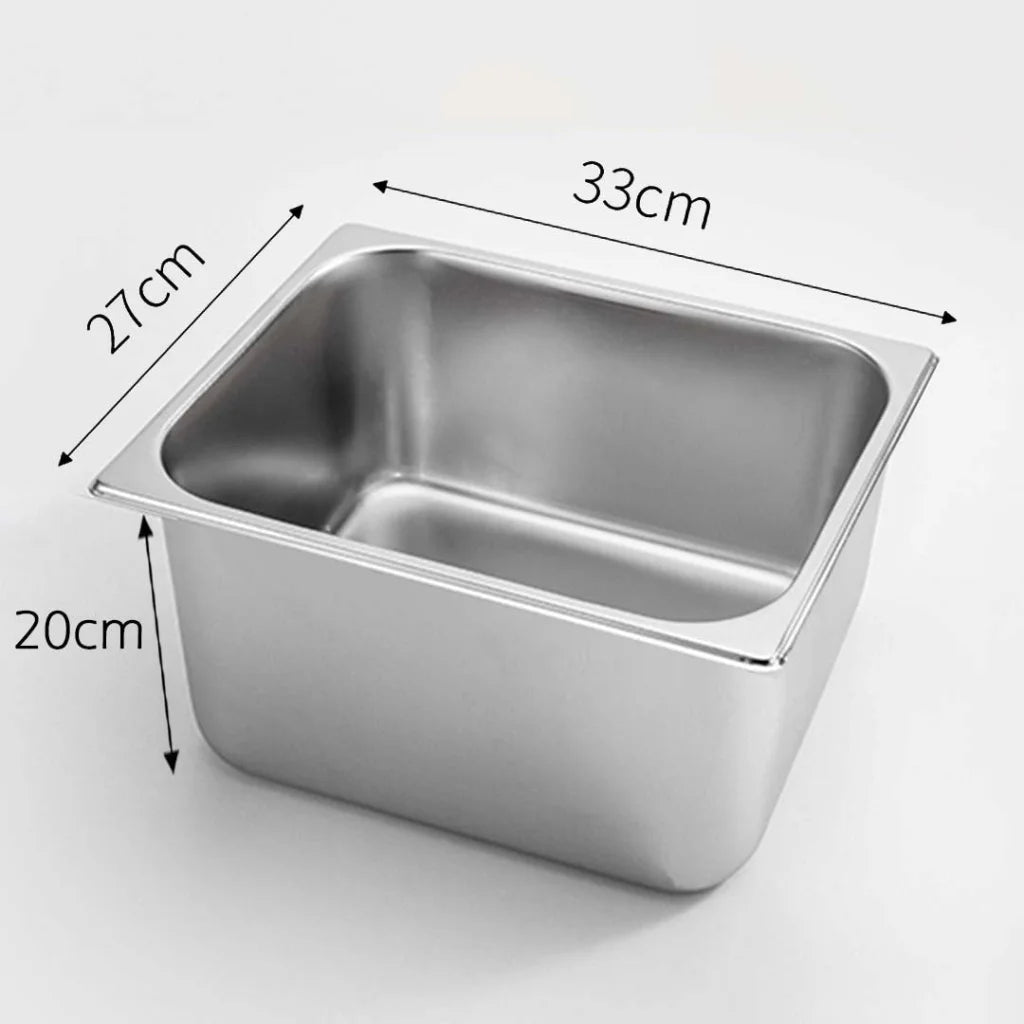 Sale
GN 1/2 Stainless Steel Gastronorm Pans, 200 mm Deep, Set of 6 – SOGA
Regular price $172.80 AUDRegular priceUnit price per$239.80 AUDSale price $172.80 AUDSale -
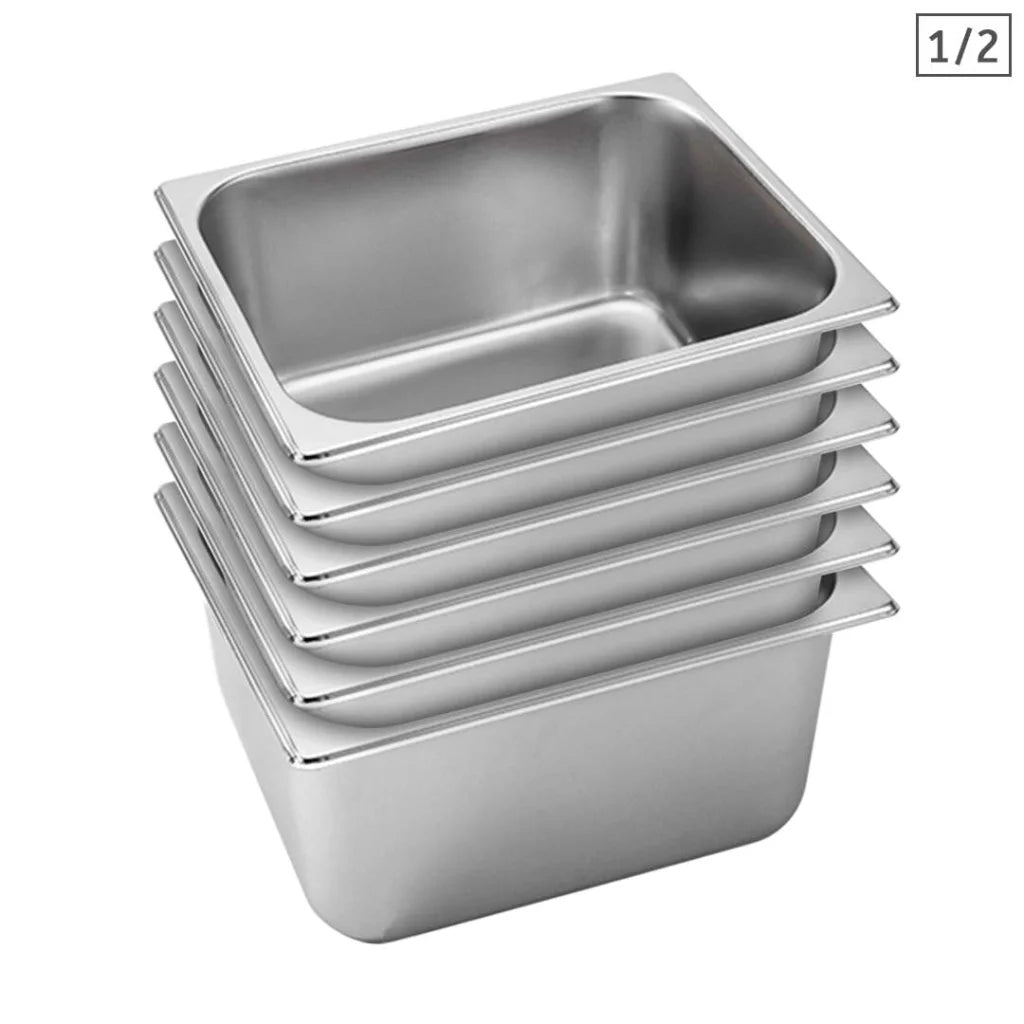
 Sale
GN 1/2 Stainless Steel Gastronorm Pans, 150 mm Deep, Set of 6 – SOGA
Regular price $172.80 AUDRegular priceUnit price per$239.80 AUDSale price $172.80 AUDSale -

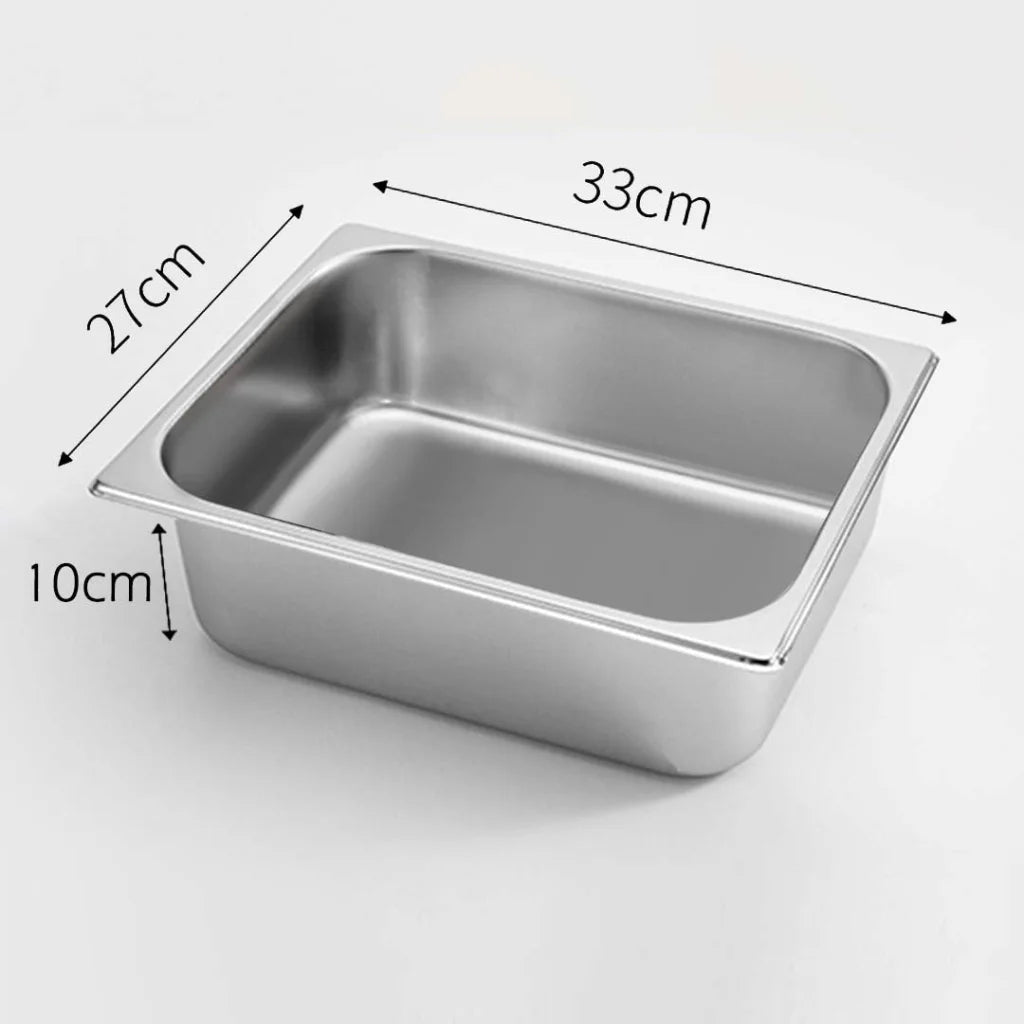 Sale
GN 1/2 Stainless Steel Gastronorm Pans, 100 mm Deep, Set of 6 – SOGA
Regular price $172.80 AUDRegular priceUnit price per$239.80 AUDSale price $172.80 AUDSale -

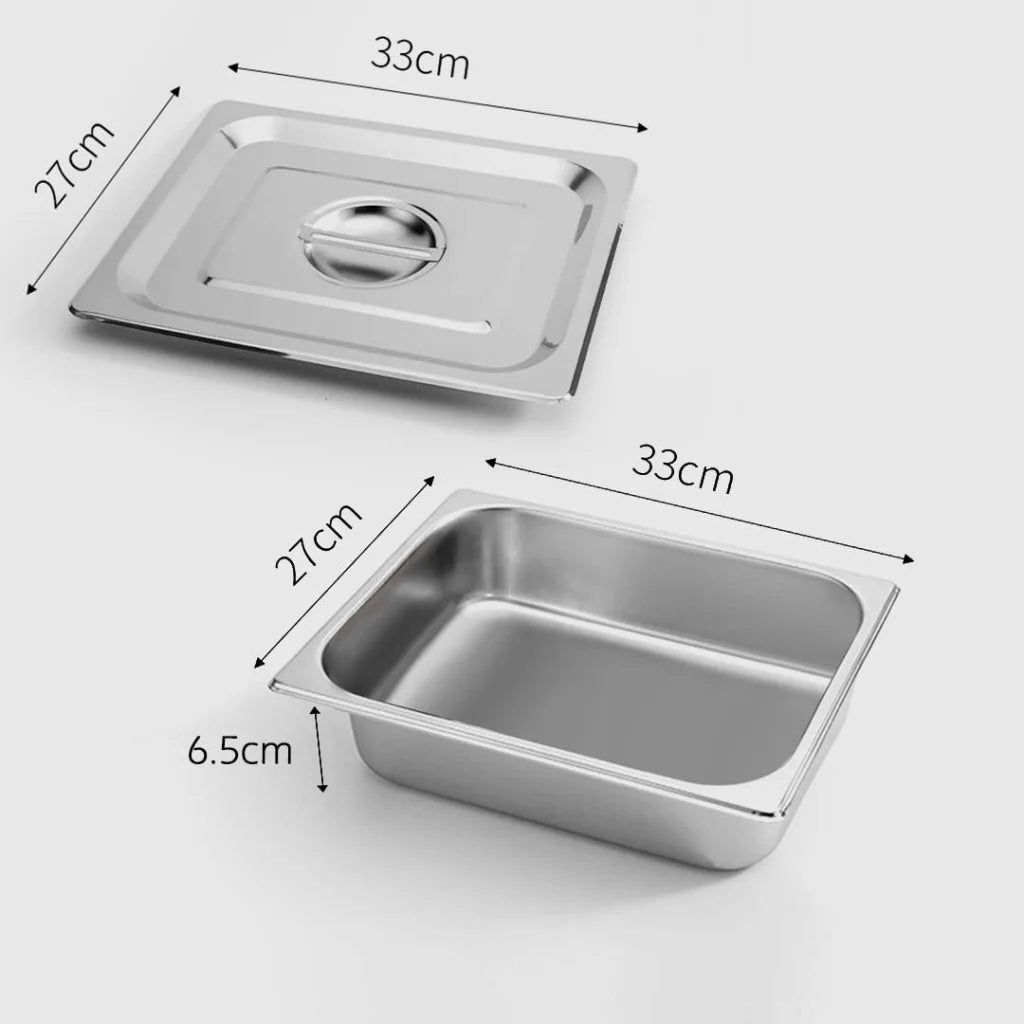 Sale
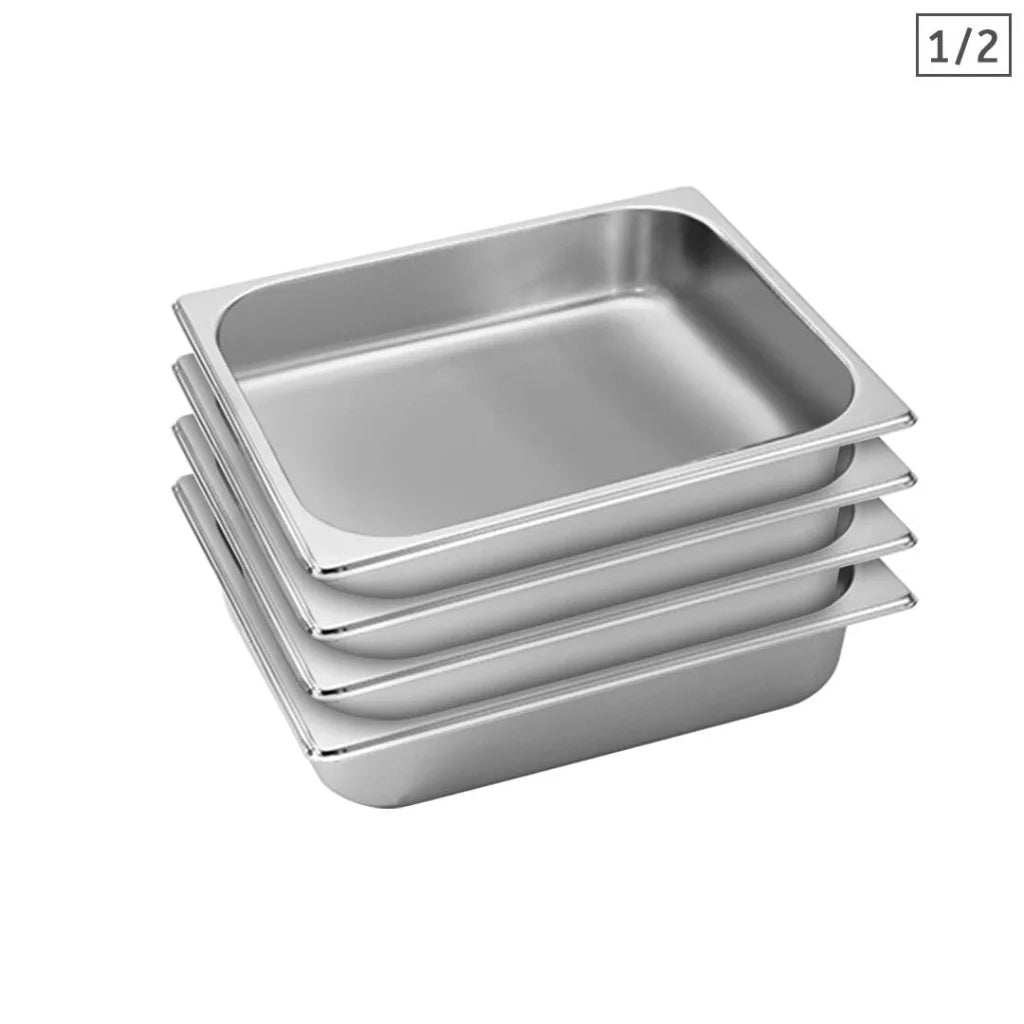
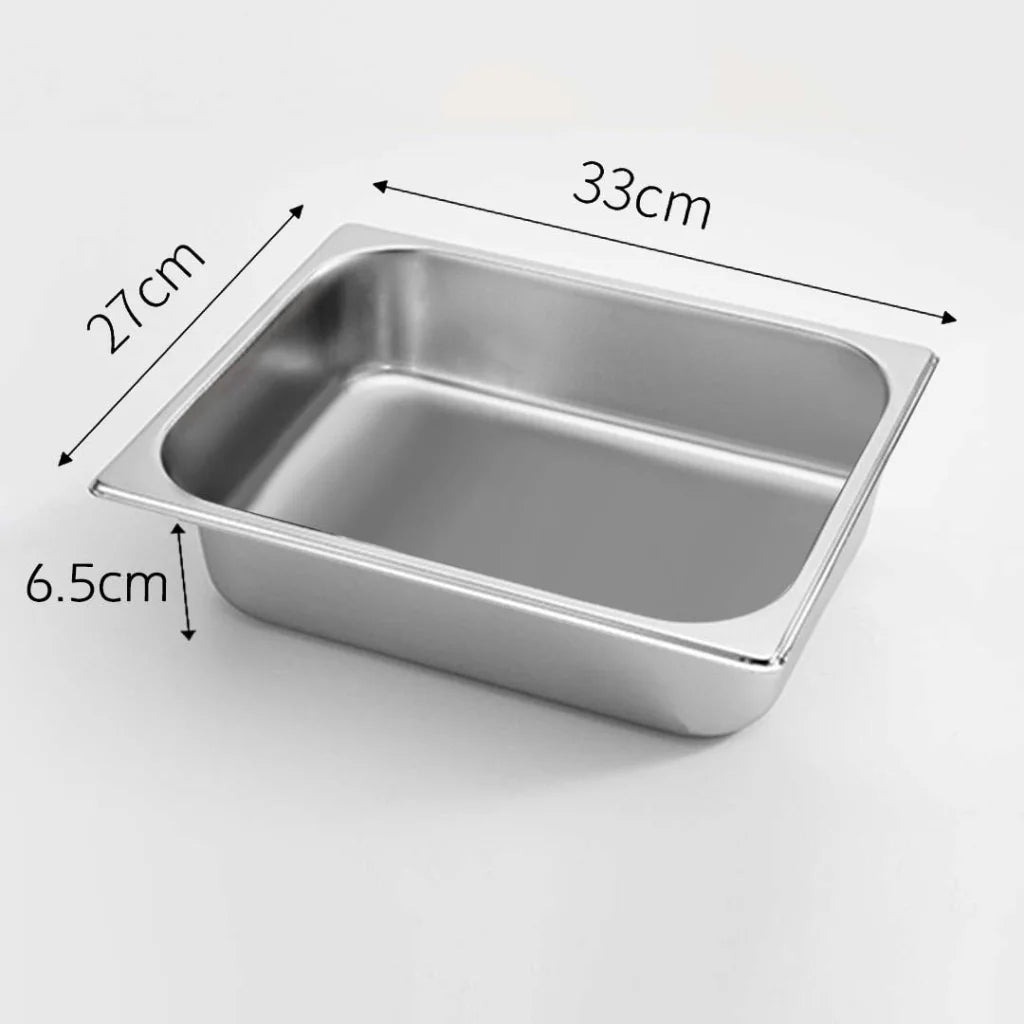
GN 1/2 Stainless Steel Gastronorm Pans with Lids, 65 mm Deep, Set of 4 – SOGA
Regular price $151.80 AUDRegular priceUnit price per$280.80 AUDSale price $151.80 AUDSale -
 Sale
GN 1/2 Stainless Steel Gastronorm Pans, 65 mm Deep, Set of 4 – SOGA
Regular price $93.80 AUDRegular priceUnit price per$191.80 AUDSale price $93.80 AUDSale -

 Sale
GN 1/2 Stainless Steel Gastronorm Pans with Lids, 200 mm Deep, Set of 4 – SOGA
Regular price $161.80 AUDRegular priceUnit price per$297.80 AUDSale price $161.80 AUDSale -
 Sale
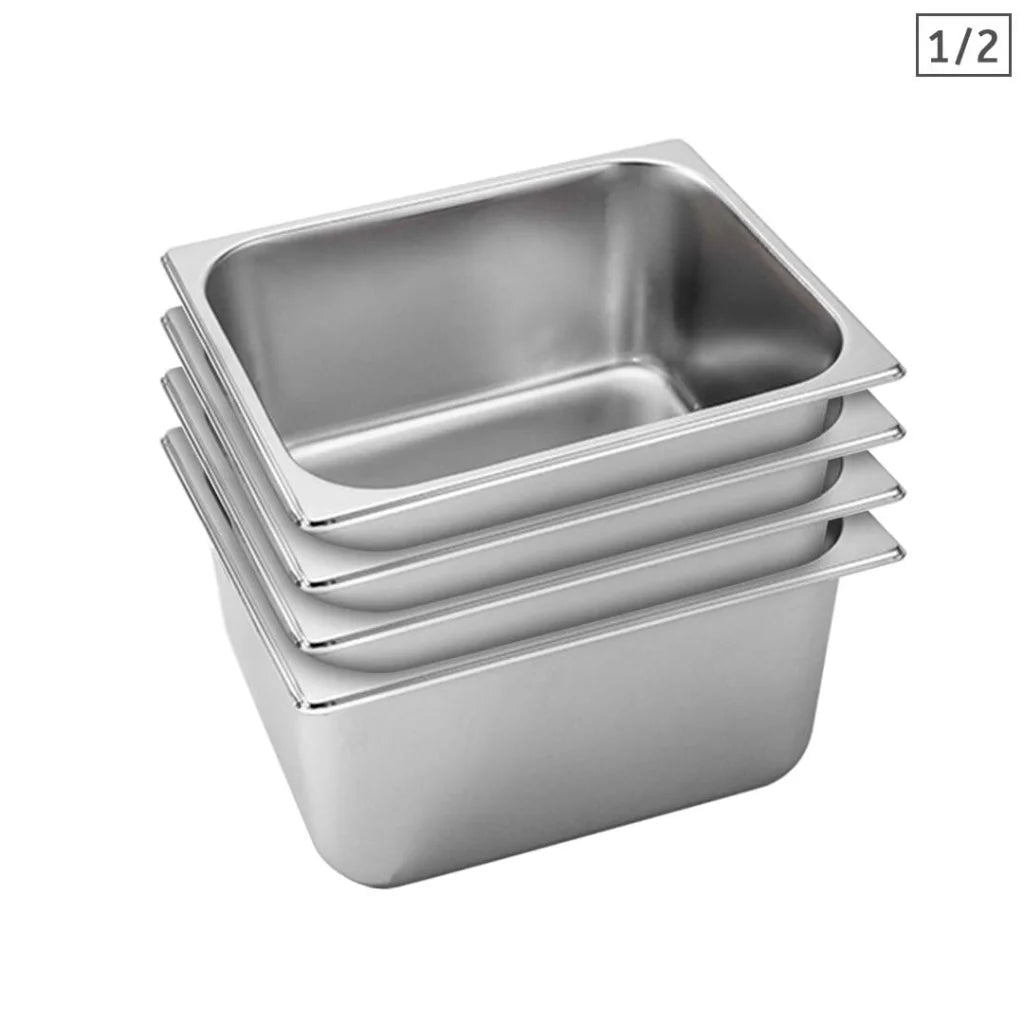
GN 1/2 Stainless Steel Gastronorm Pans, 200 mm Deep, Set of 4 – SOGA
Regular price $122.80 AUDRegular priceUnit price per$226.80 AUDSale price $122.80 AUDSale -
 Sale
GN 1/2 Stainless Steel Gastronorm Pans, 150 mm Deep, Set of 4 – SOGA
Regular price $122.80 AUDRegular priceUnit price per$226.80 AUDSale price $122.80 AUDSale -
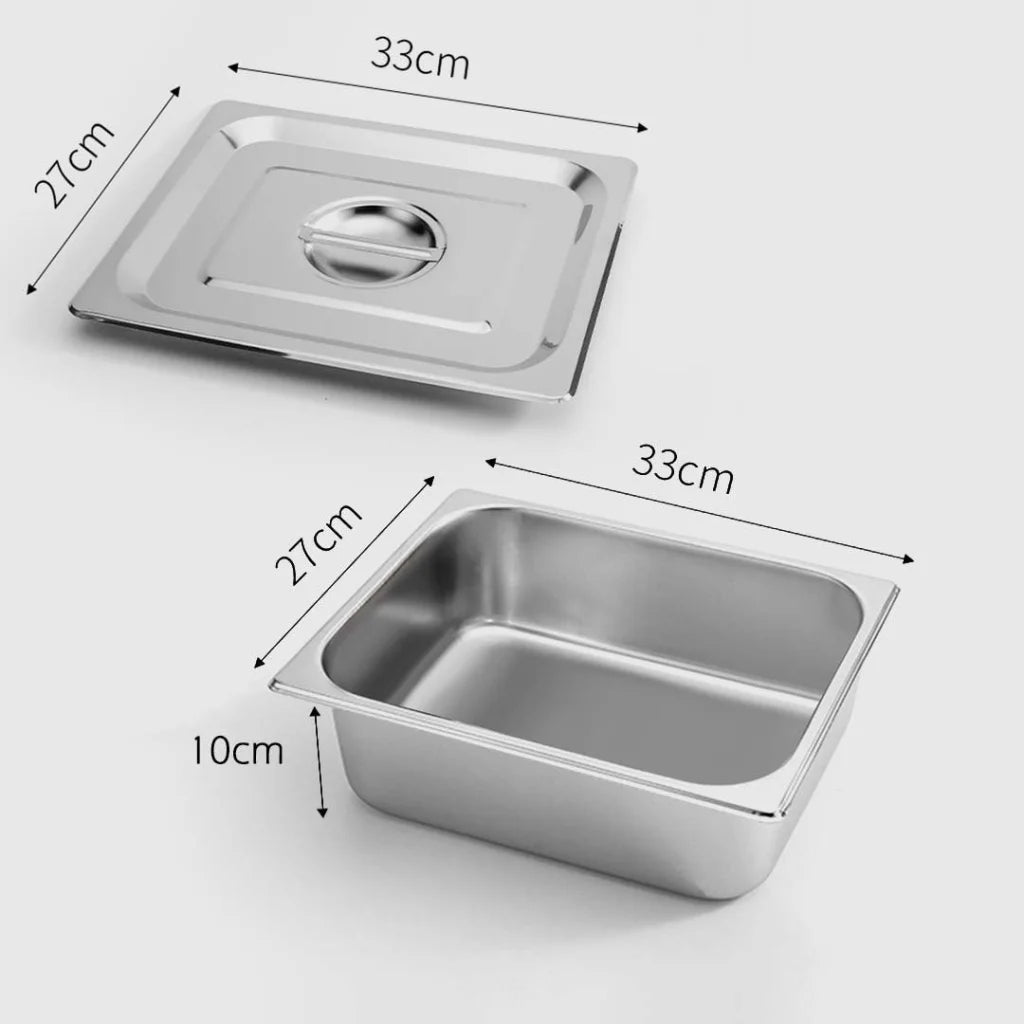 Sale
GN 1/2 Stainless Steel Gastronorm Pans with Lids, 100 mm Deep, Set of 4 – SOGA
Regular price $161.80 AUDRegular priceUnit price per$297.80 AUDSale price $161.80 AUDSale -
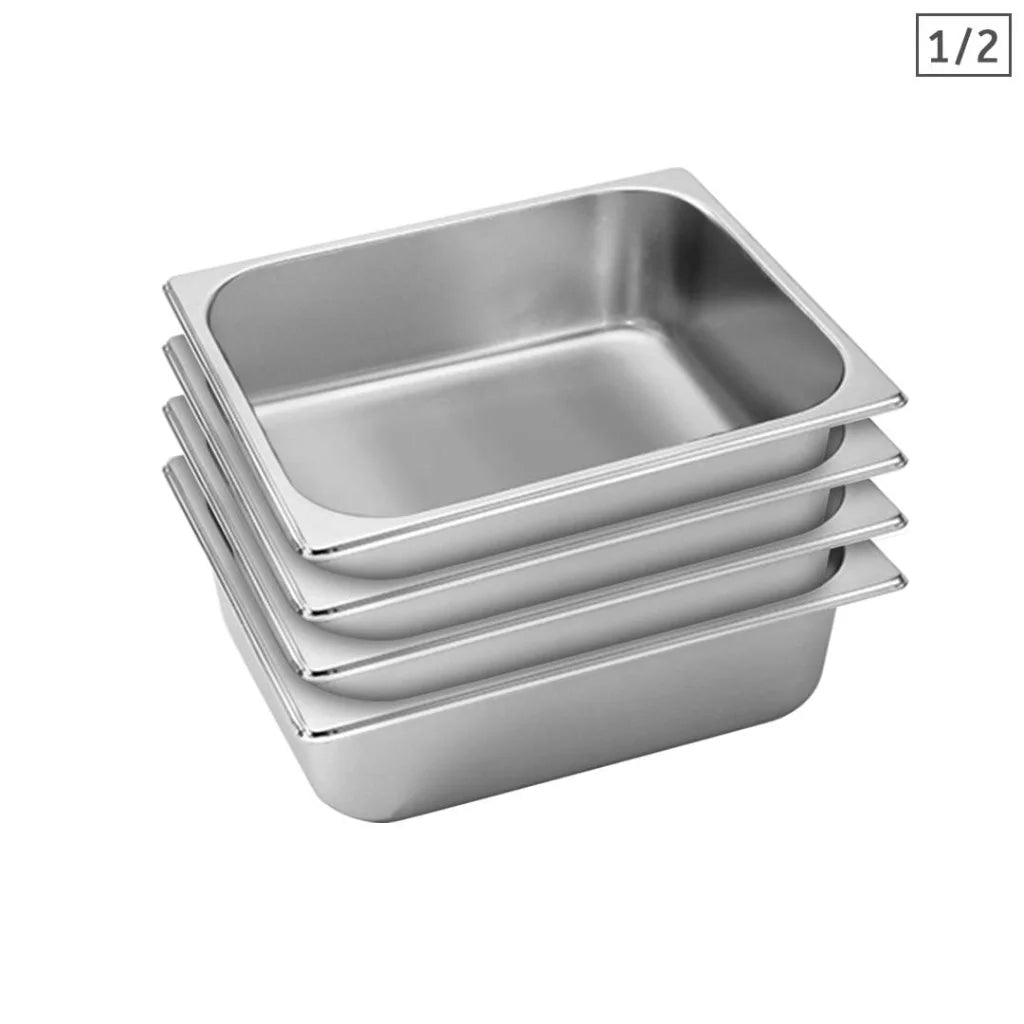
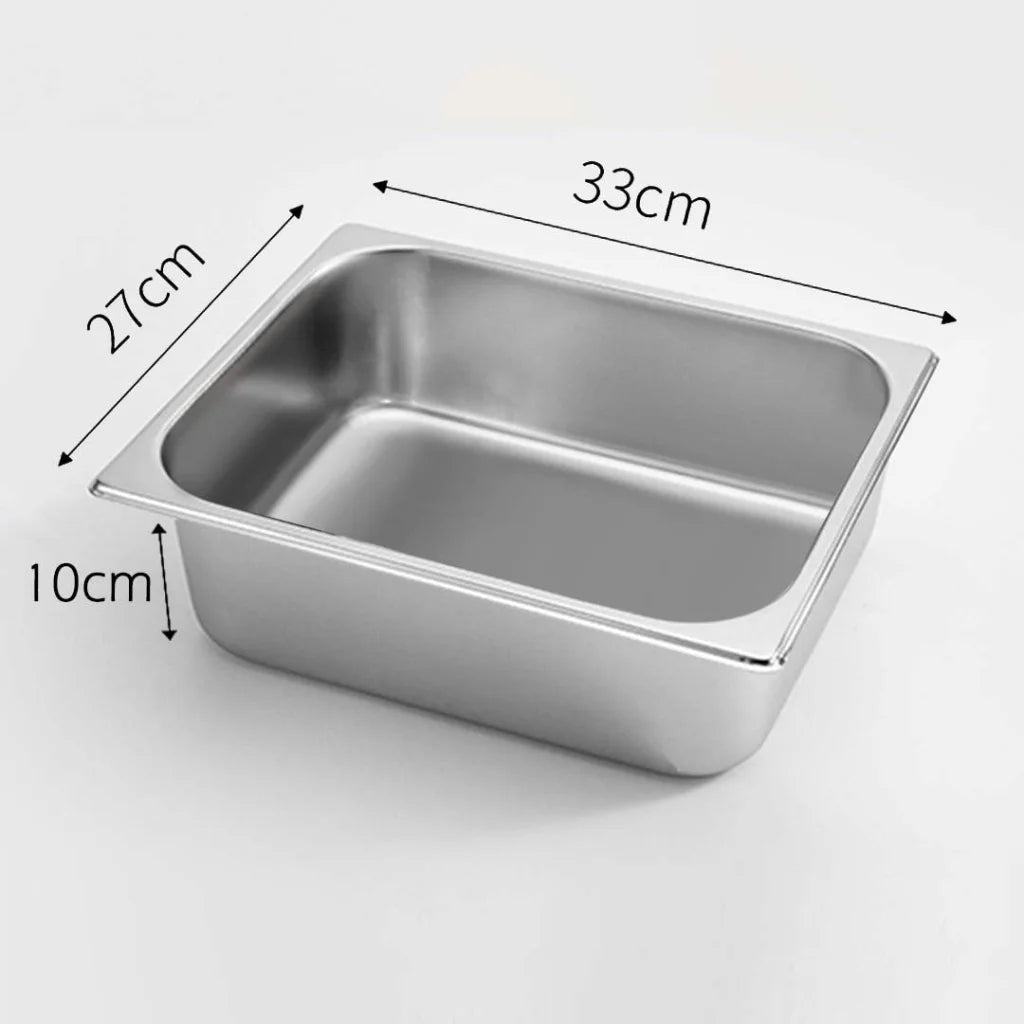 Sale
GN 1/2 Stainless Steel Gastronorm Pans, 100 mm Deep, Set of 4 – SOGA
Regular price $122.80 AUDRegular priceUnit price per$226.80 AUDSale price $122.80 AUDSale -
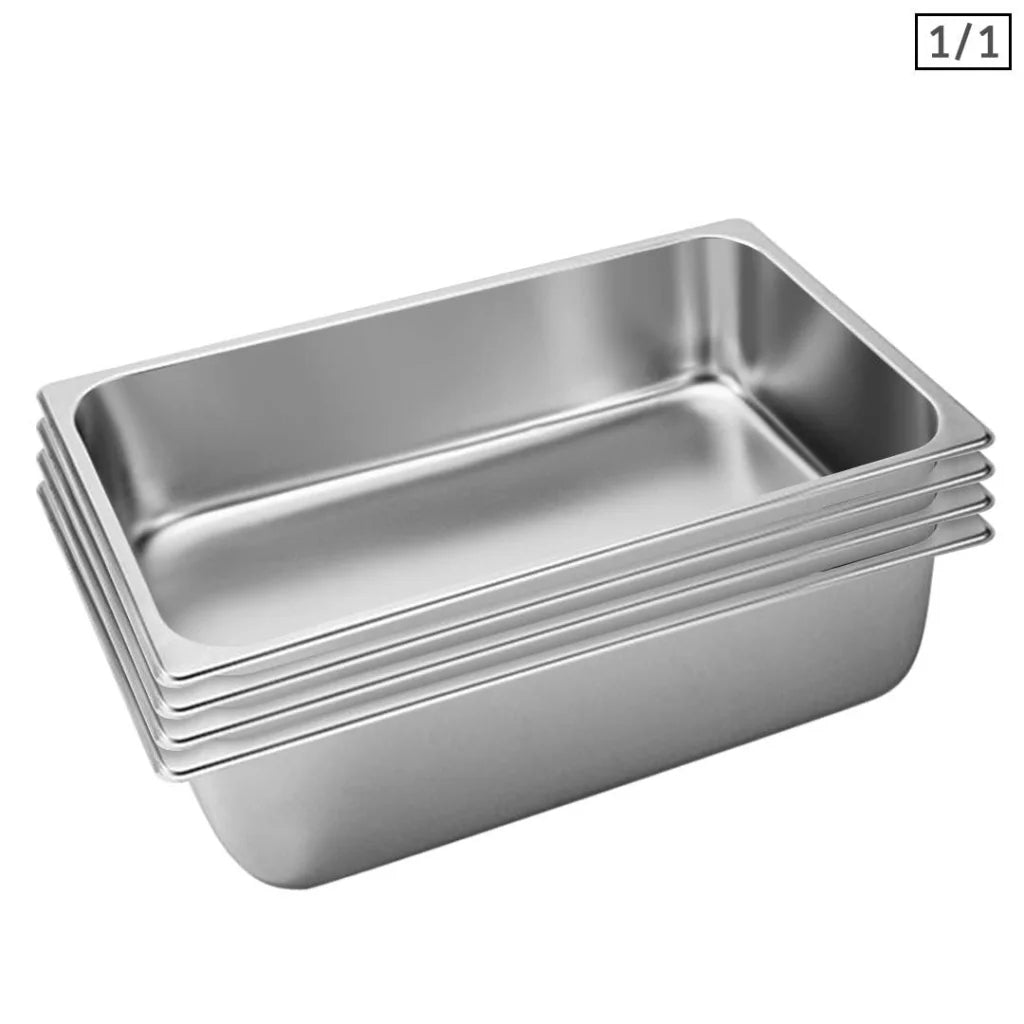
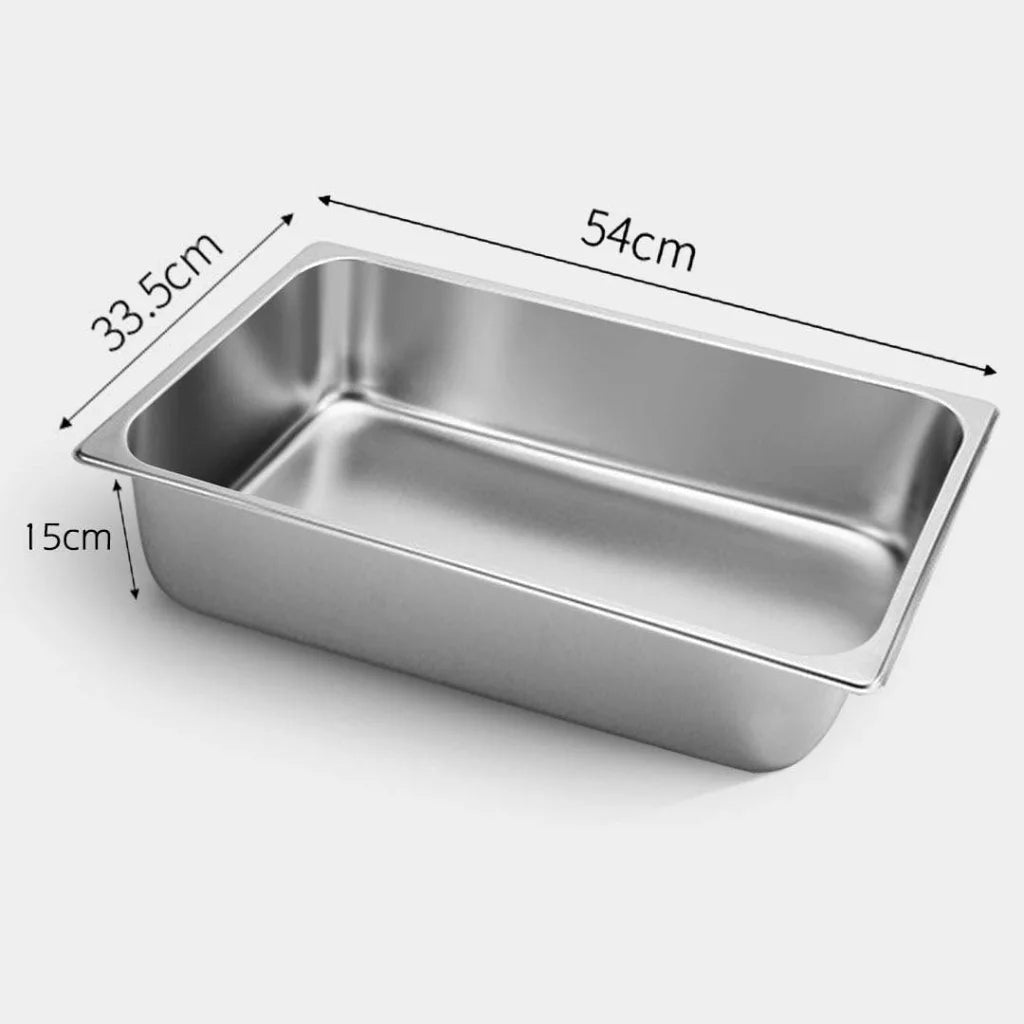 Sale
GN 1/1 Stainless Steel Gastronorm Pans, 150 mm Deep, Set of 4 – SOGA
Regular price $178.80 AUDRegular priceUnit price per$248.80 AUDSale price $178.80 AUDSale -
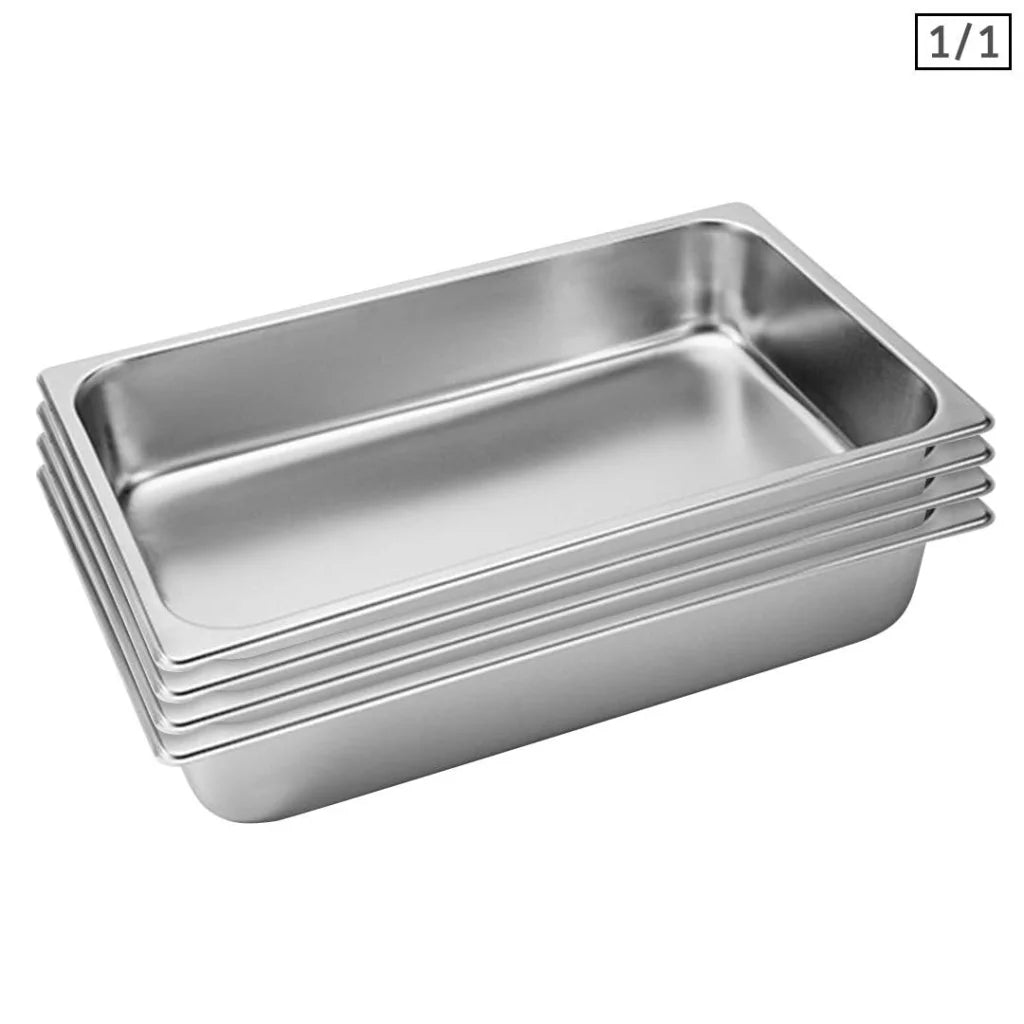
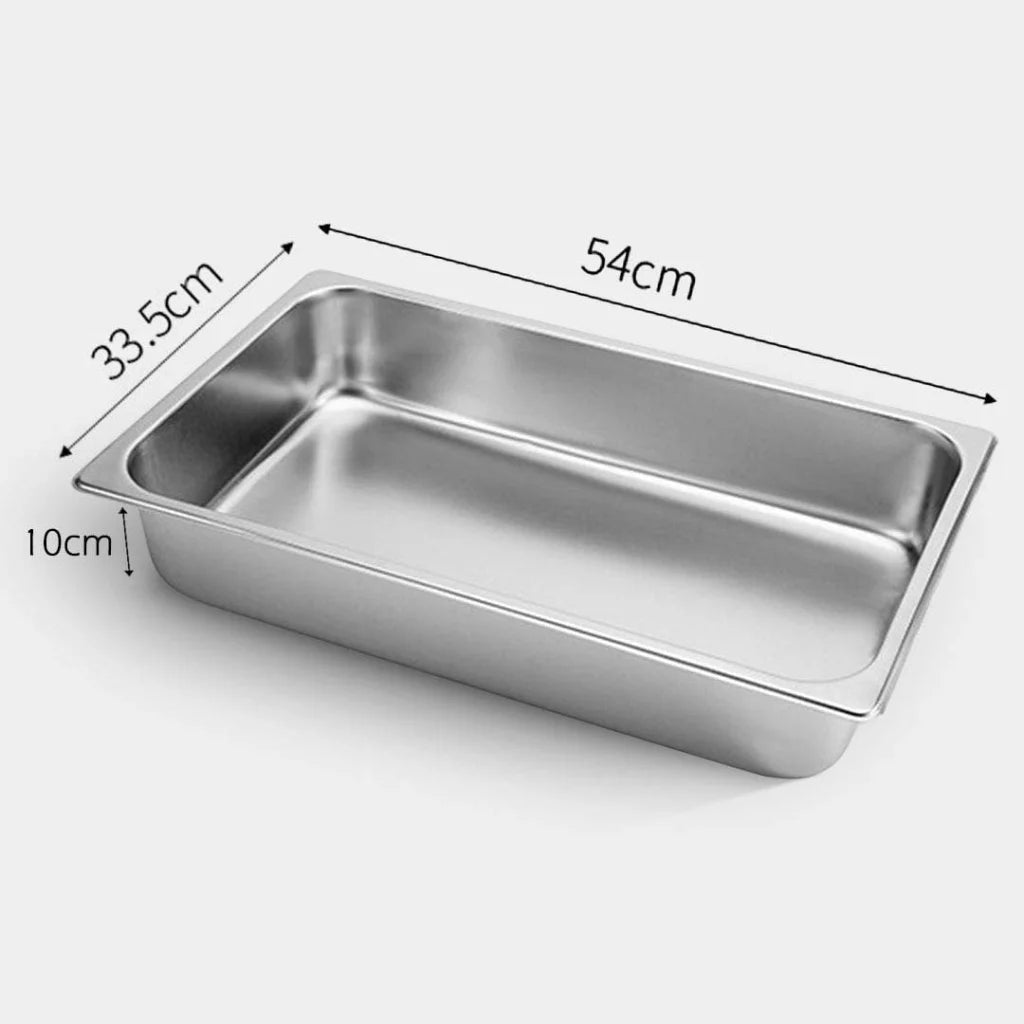 Sale
GN 1/1 Stainless Steel Gastronorm Pans, 100 mm Deep, Set of 4 – SOGA
Regular price $128.80 AUDRegular priceUnit price per$237.80 AUDSale price $128.80 AUDSale -
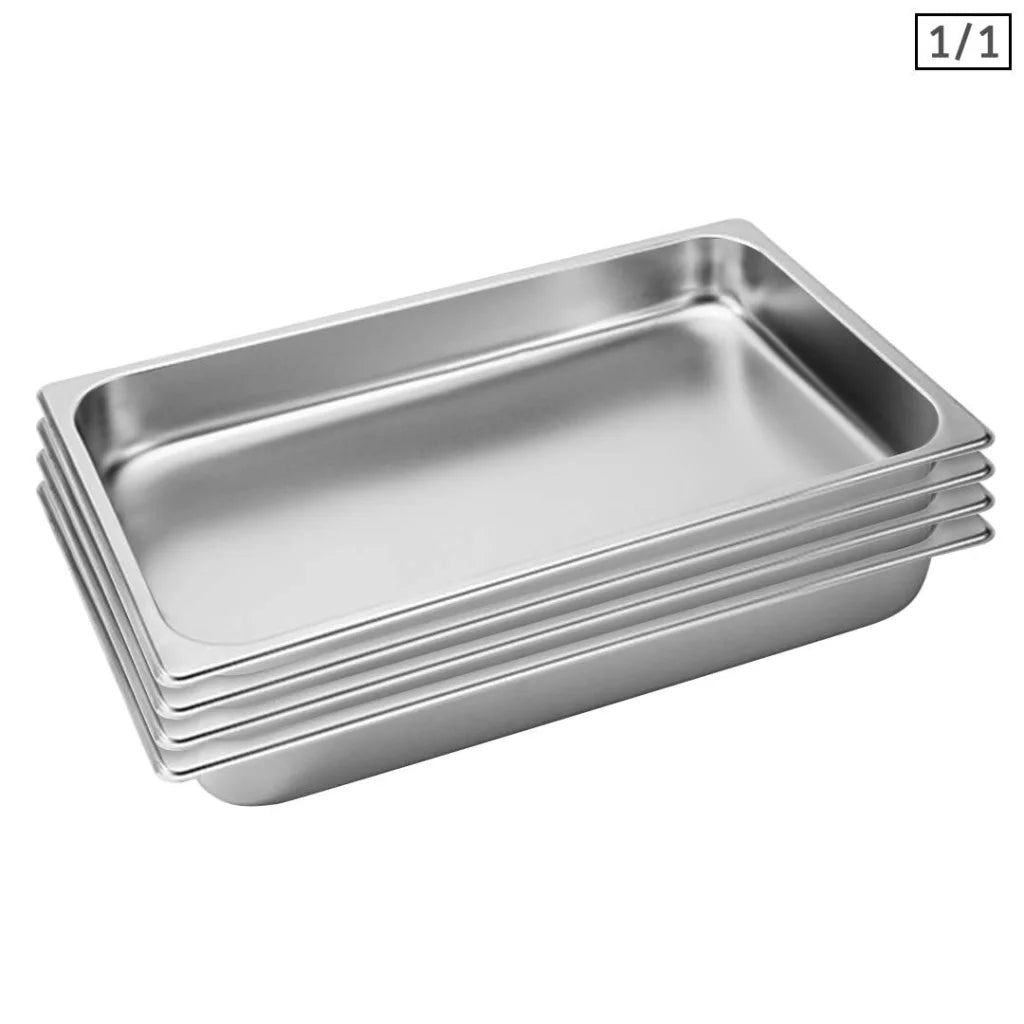
 Sale
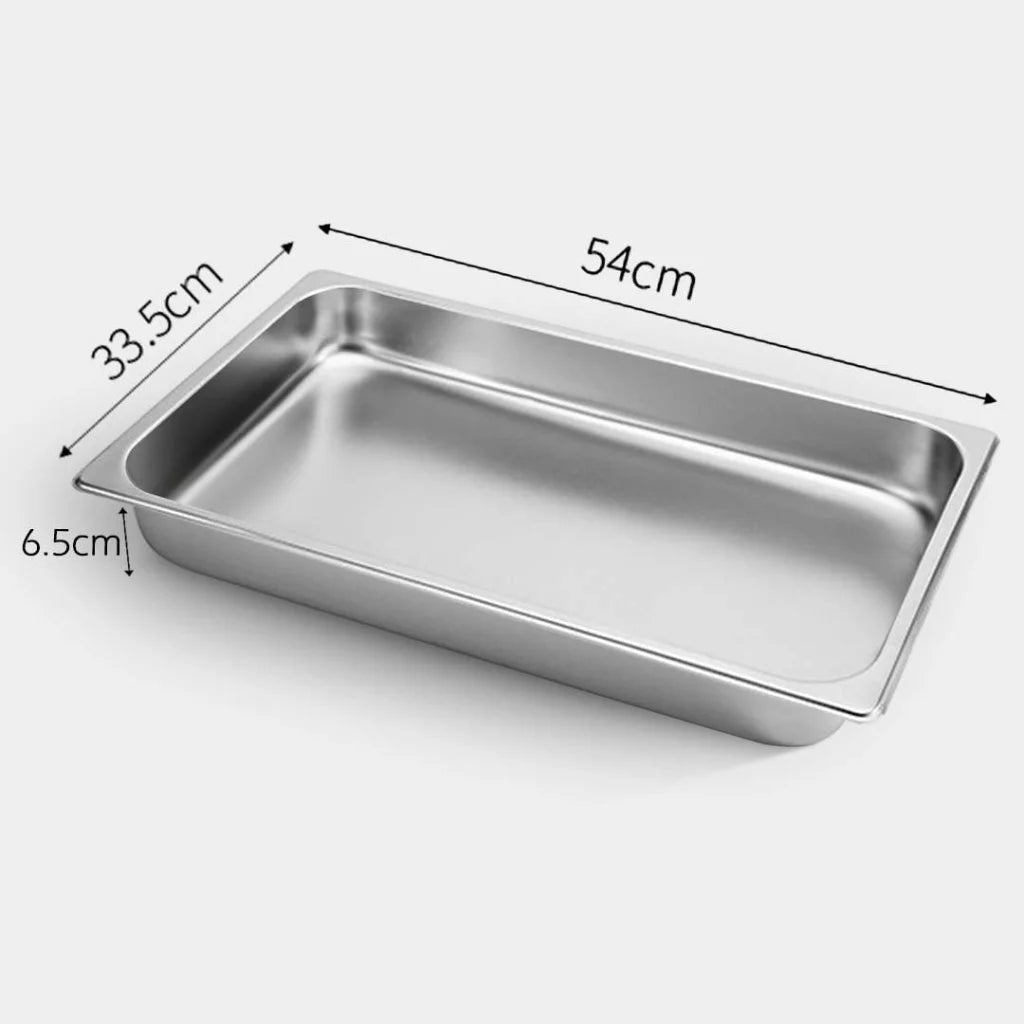
GN 1/1 Stainless Steel Gastronorm Pans, 65 mm Deep, Set of 4 – SOGA
Regular price $100.80 AUDRegular priceUnit price per$204.80 AUDSale price $100.80 AUDSale -
 Sale
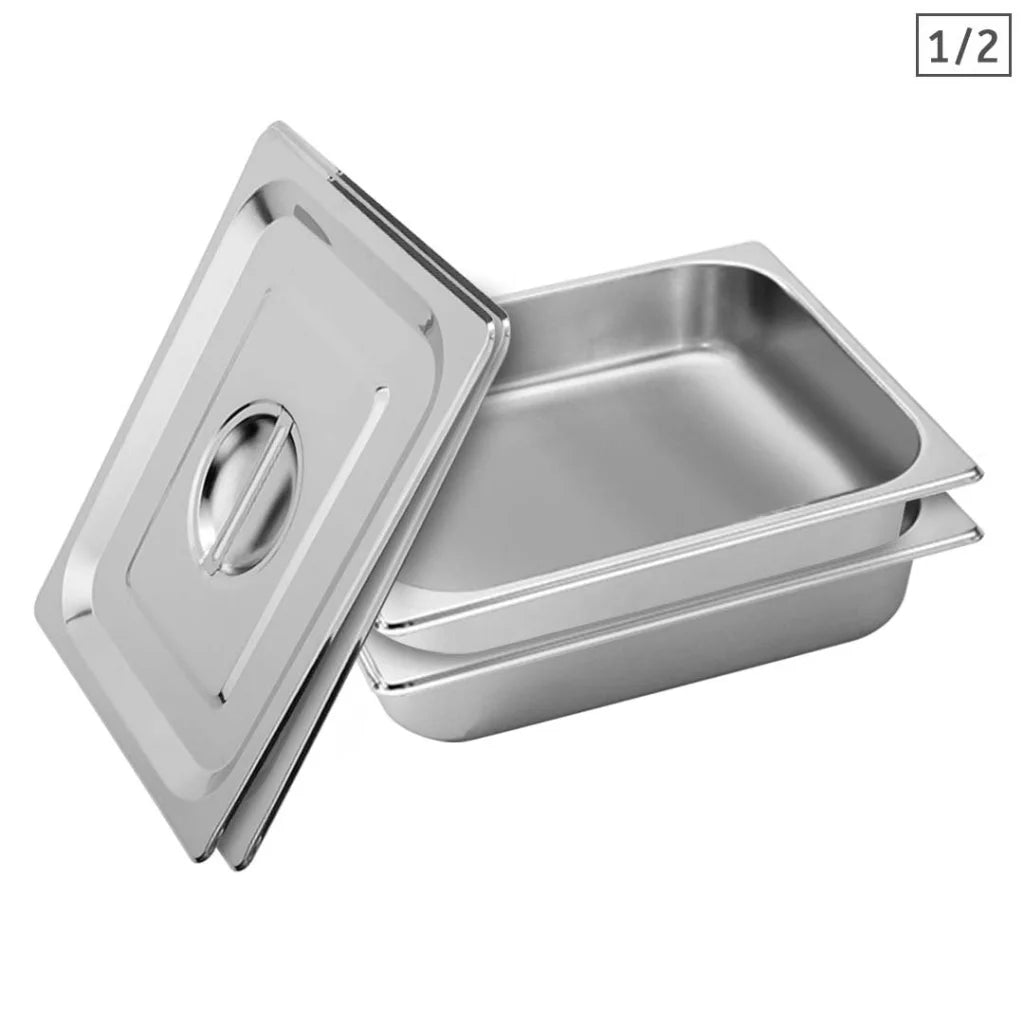
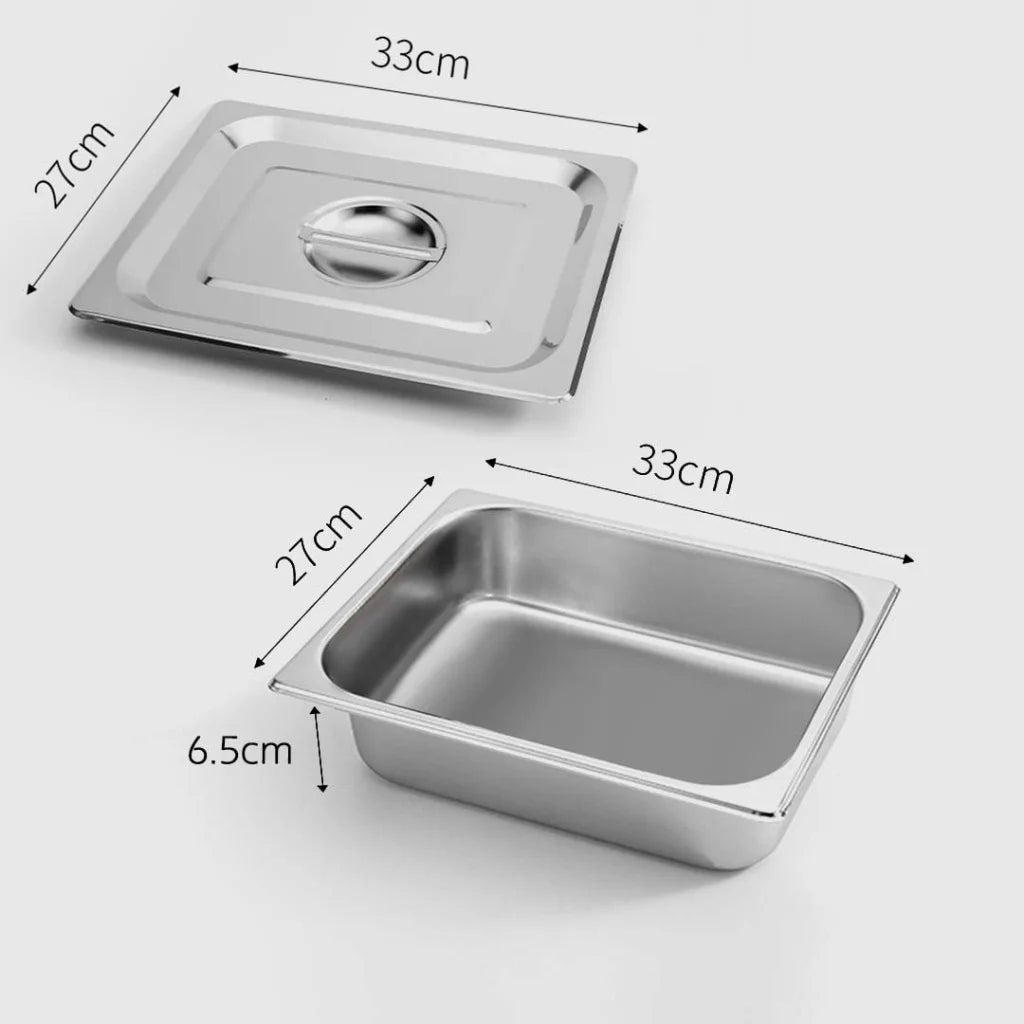
GN 1/2 Stainless Steel Gastronorm Pans with Lids, 65 mm Deep, Set of 2 – SOGA
Regular price $78.80 AUDRegular priceUnit price per$131.80 AUDSale price $78.80 AUDSale


Related reading


Stainless steel trays in this selection include deep Gastronorm pans as well as shallower formats. Depth changes whether a tray is practical for a thin layer of food, a large volume or service in compatible equipment. Choose the intended cooking or serving task before comparing the shiny finish or a fraction in the product name.
1. The fraction does not describe the depth
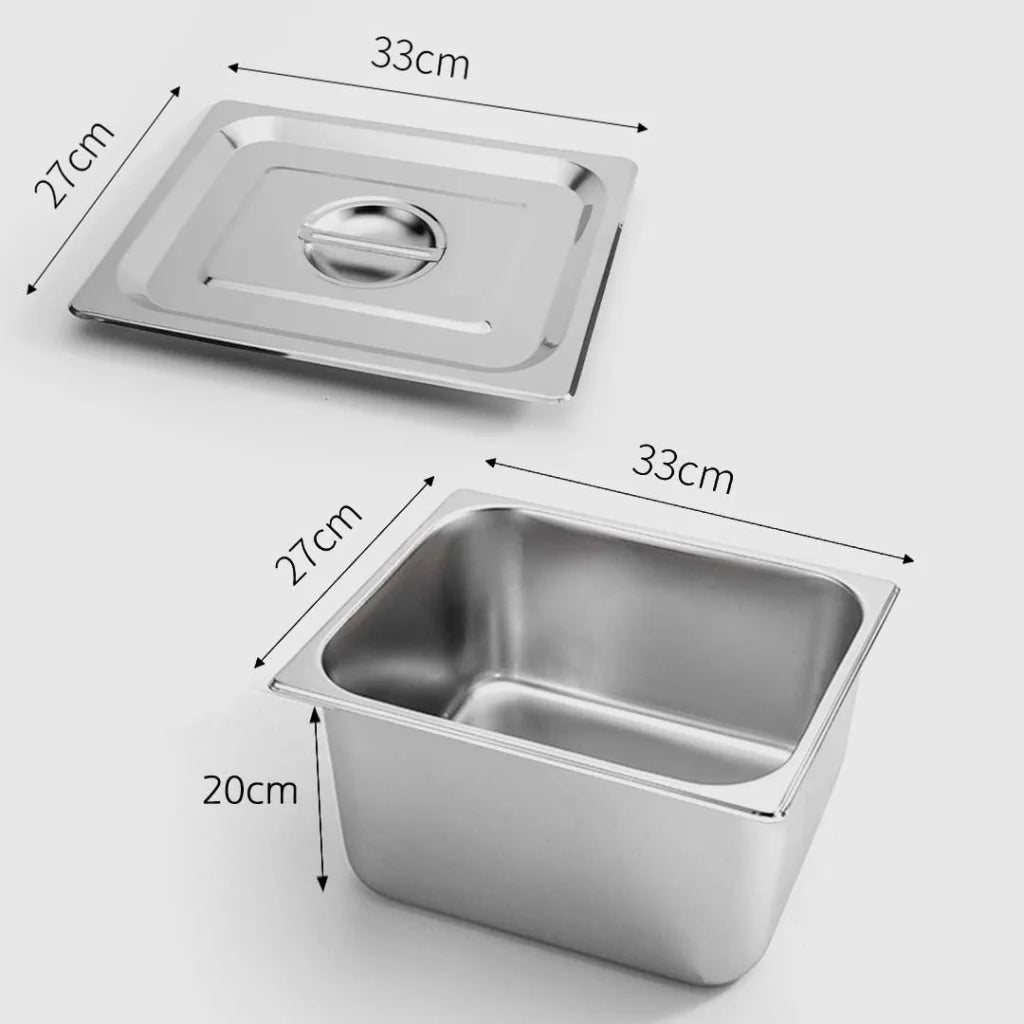
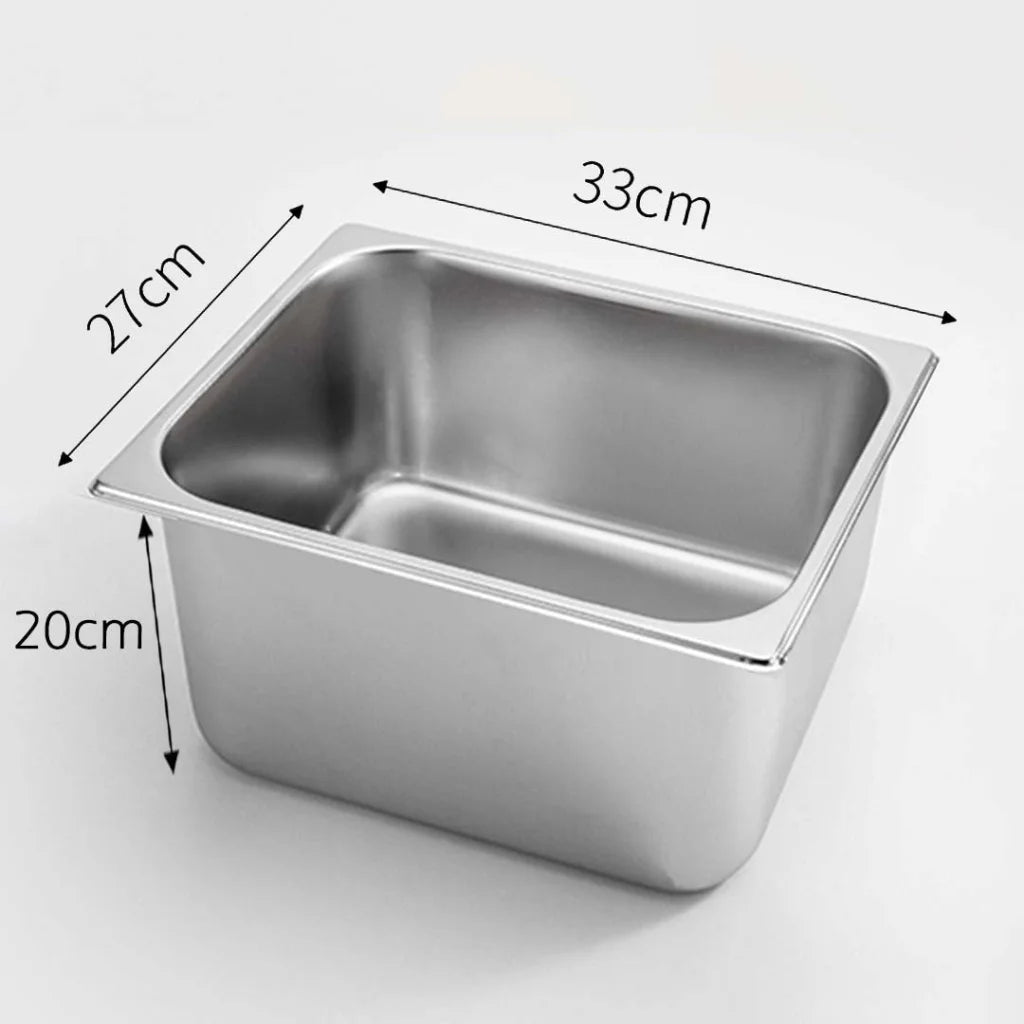
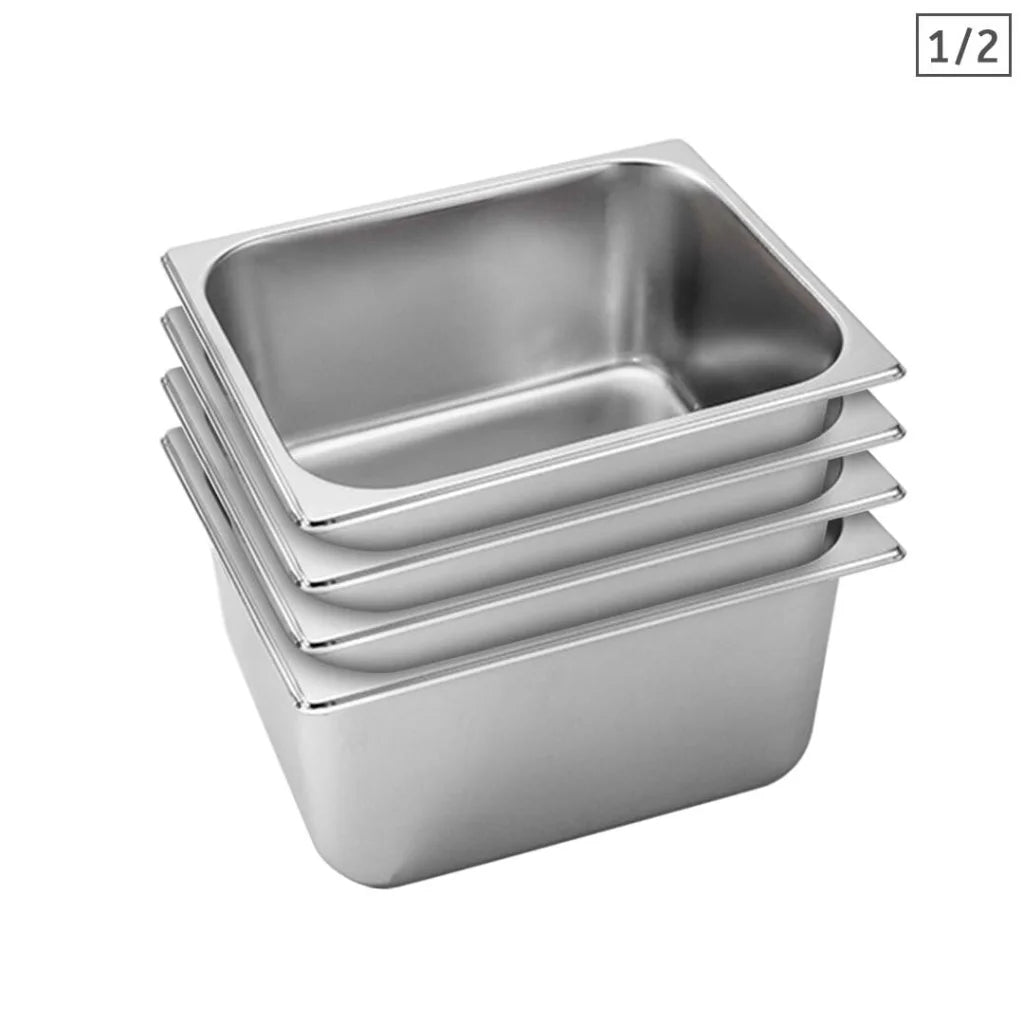
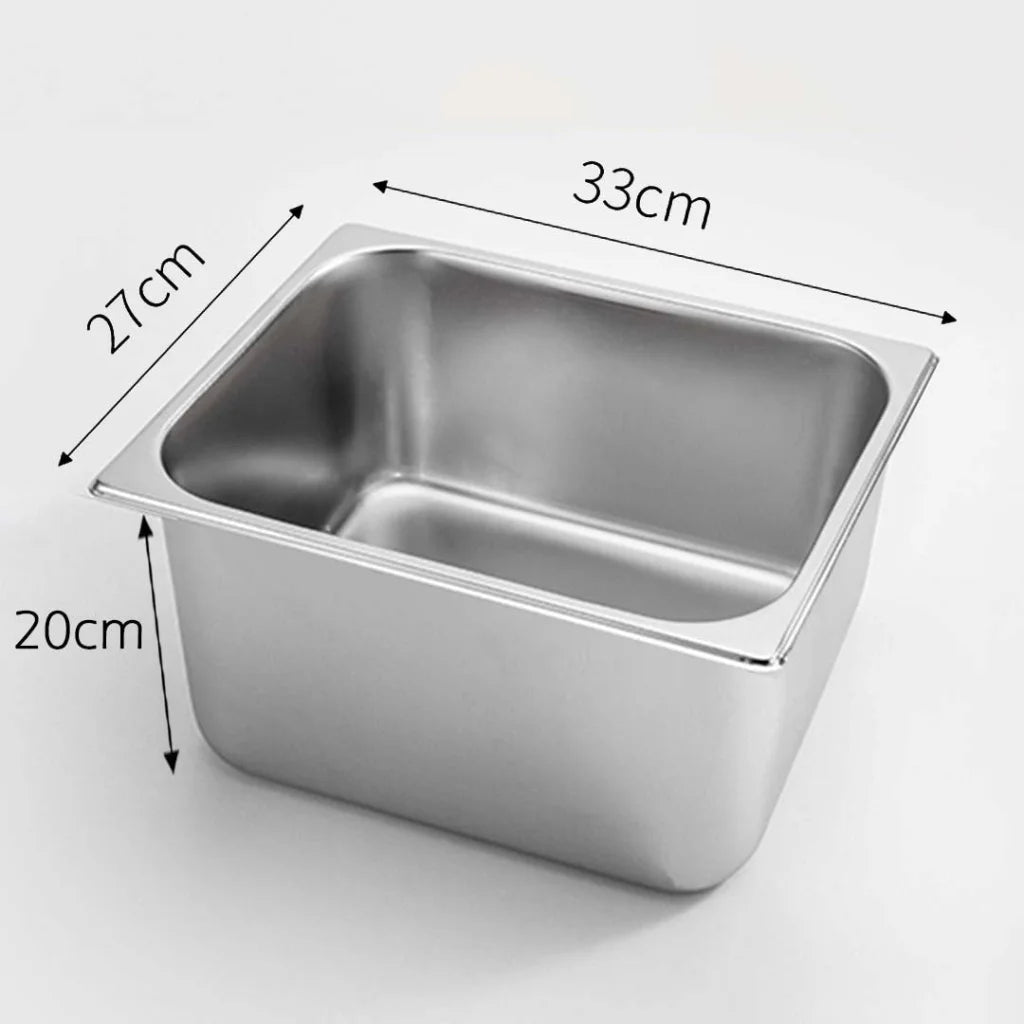
Two pans with the same GN footprint can have very different depths. The listed 1/2-format pan is listed at 27 × 33 × 20 cm, while other listings use a 1/1 format. Verify the actual outer dimensions where equipment compatibility matters.
2. Deep pans have a different working rhythm
A deep pan holds more vertically but can be awkward for lifting small pieces out of the bottom. A shallower tray gives easier access for spreading or serving. The right depth depends on the food and portion size rather than maximum capacity alone.
3. Stacking and lids need their own fit check
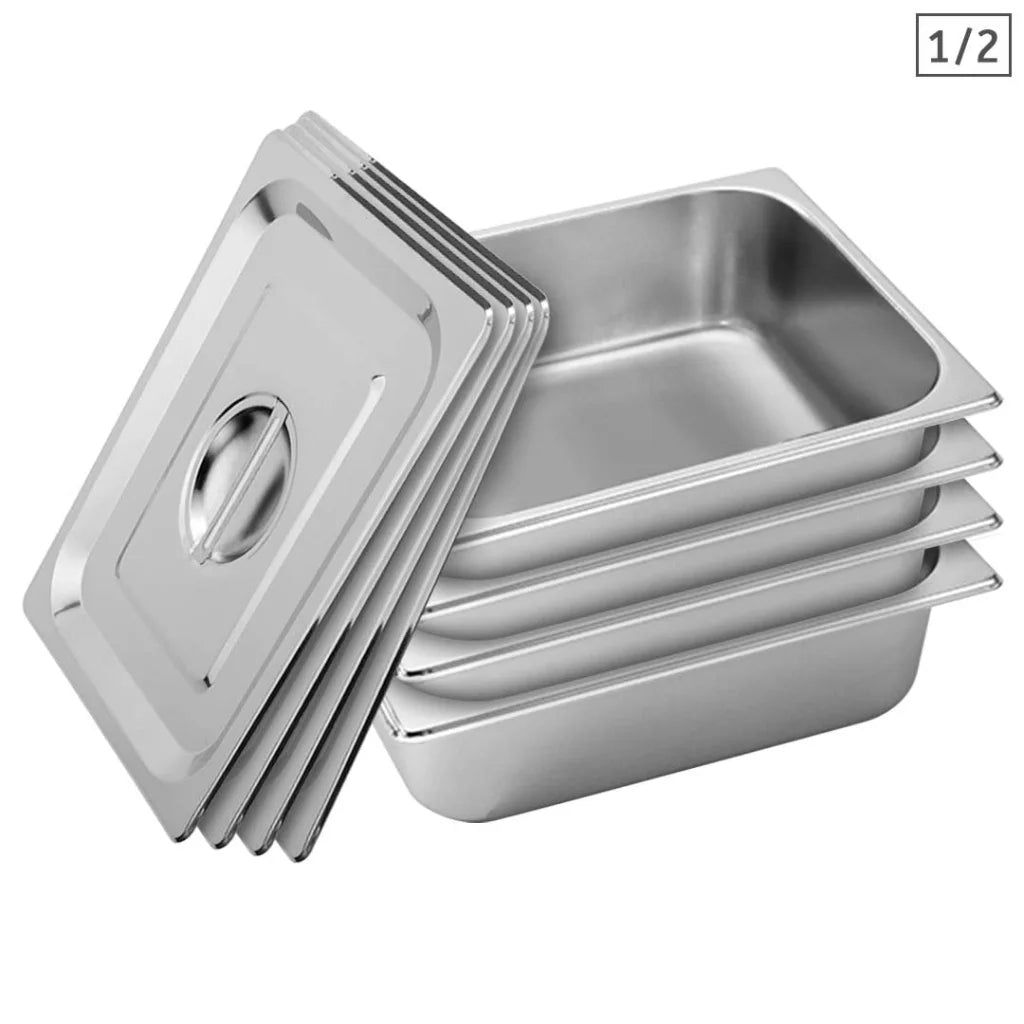
Reinforced rims, anti-jam features and lids affect storage and handling. A lid for a matching footprint may still need the correct rim profile. Confirm the permitted use and temperature of each pan and lid before treating it as oven equipment.
Further reading: RATIONAL — Gastronorm and bakery accessories
Useful answers
Questions about stainless steel baking & gastronorm trays
What does a Gastronorm fraction tell me about a stainless steel tray?
It identifies a footprint format, not the depth, capacity or permitted cooking method. Two trays with the same fraction can have very different depths. Where a title and measurements disagree, confirm the actual external dimensions before buying it for a particular appliance or rack.
Is a deep stainless steel pan a good substitute for a baking sheet?
It can hold a deeper volume, but its high sides change access and the way food is spread or removed. For a thin single layer, a shallow tray may be easier to work with. Choose the shape for the recipe, then confirm that the particular pan is approved for oven use.
Will any lid with the same GN size fit my tray?
Do not rely on the fraction alone. Rim shape and the lid’s design determine how they sit together, especially if a close seal or stacking is important. Confirm the matched parts, and check the lid’s temperature limit separately before heating the assembled tray.