
A few years ago, a friend of mine in Australia called in frustration because his new gate opener wasn't working. He had spent the better part of a weekend trying to wire it, bolt it down, and program it. By Sunday evening, the thing would open halfway, groan loudly, and then freeze. In the end, he hired a professional to fix it, and the installer told him half his mistakes were common ones.
That story isn’t rare. Automatic gate openers are fantastic when they work properly, but getting them there takes a bit of know-how. If you’ve been searching for how to wire an automatic gate opener, how to install an auto gate opener, who installs automatic gate openers, or what automatic gate opener programming actually involves, this guide will give you the kind of real-world overview that helps you avoid those same headaches.
How to Wire an Automatic Gate Opener (Without Losing Your Mind)
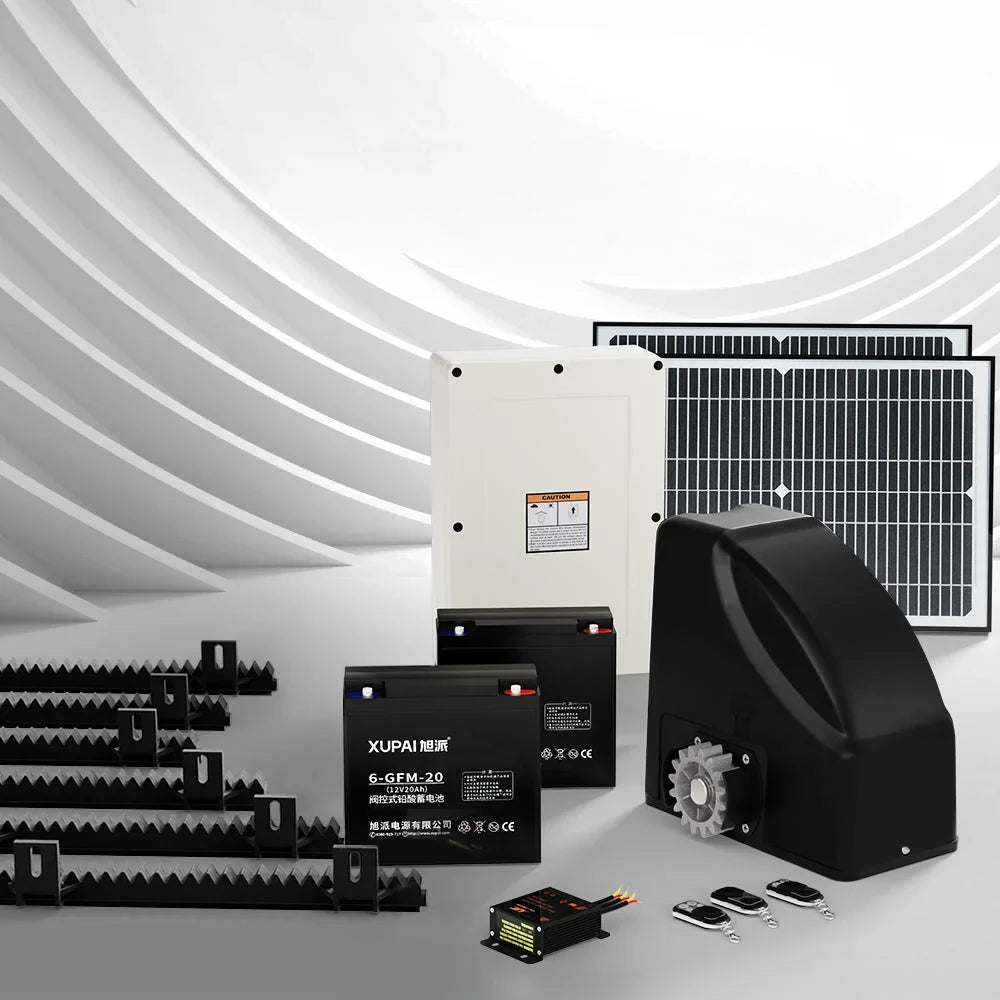
Let’s start with wiring, because this is where most DIY homeowners start to sweat. You’ve basically got three options: tap into your home’s main power, use a low-voltage transformer, or go solar. Each has its place.
Here’s the reality: wiring into the mains isn’t just a “run a cable and plug it in” kind of job. You need to bury conduit, keep the wires safe from weather and critters, and make sure everything is grounded. If you skip steps here, you might get the gate working for a week, but the first storm or surge could fry the whole board.
Most openers arrive with colour-coded wiring , red and black for power, green or blue for sensors, but that doesn’t mean you should guess. Manuals exist for a reason. And those little sensors (photo-eyes) that sit across the gate opening? They’re not optional. They stop the gate from crushing your car bumper or, worse, someone walking through.
⚠️ One bit of honest advice: if you’re not comfortable with electrical work, don’t gamble. Call in an electrician. The $300 or $400 you’ll spend is nothing compared to replacing a blown board or risking a shock.
How to Install an Auto Gate Opener (The Physical Side)
Once the wiring’s out of the way, the next part feels more like a mechanical project. You’re mounting brackets, attaching arms, and making sure the control box has a safe, weather-proof home.
For swing gates, the arms have to be at just the right angle. Too far in or out, and the motor strains every time it moves. For sliding gates, the rollers and tracks have to be level, or you’ll hear a nasty scraping sound every time they move.
This is the part where patience pays off. I’ve seen people rush the install, only to have their opener burn out six months later because the gate wasn’t balanced. Take your time. Run the gate manually a few times before you attach the motor. If it doesn’t move smoothly by hand, no opener will fix that problem.
And don’t forget the practical touches, a keypad at car-window height, a control box where you can reach it without crawling behind bushes, and sensors lined up so they actually “see” each other. Small details, but they make daily use much easier.
Who Installs Automatic Gate Openers?
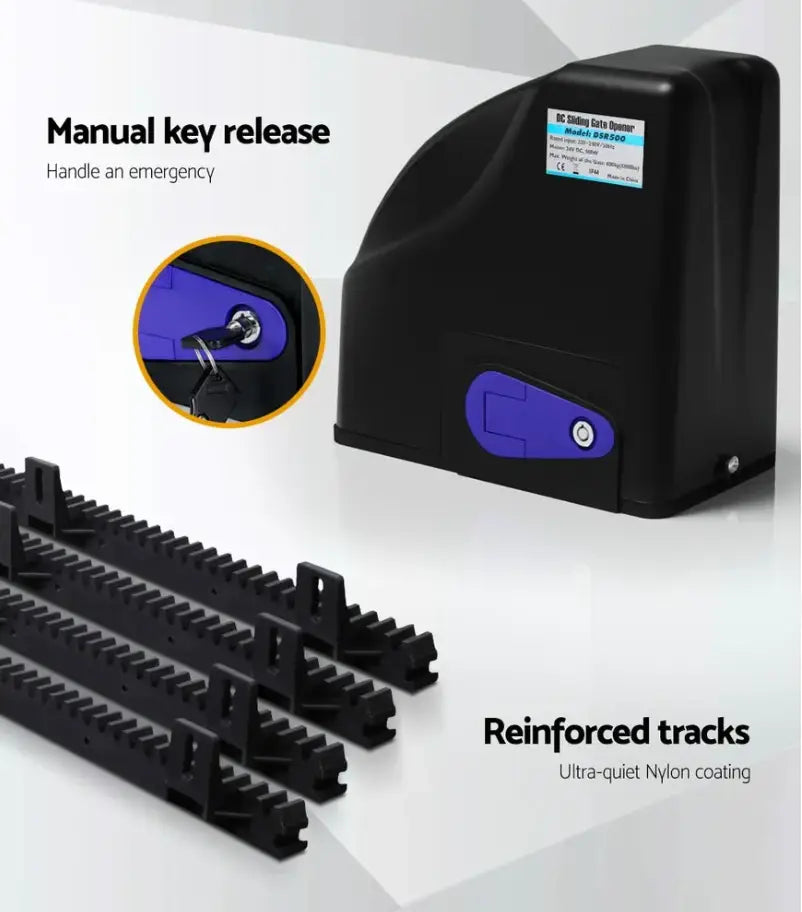
Now, maybe you’re reading this thinking: “Yeah, this is already more than I bargained for.” That’s completely fine. Plenty of people don’t DIY these systems.
So who installs automatic gate openers if not you? Usually, it’s one of four groups:
-
Gate and fence contractors who already know how to build the physical gate.
-
Electricians, especially if you’re wiring into mains power.
-
Security system companies that handle alarms and cameras.
-
Specialist installers who do nothing but install gates all day long.
Hiring a professional costs more , often $1,500 to $3,500 for installation, but you’re paying for experience. They know the tricks that manuals don’t tell you, like how to avoid motor strain on windy days or how to keep a sliding gate track from freezing up in winter.
Automatic Gate Opener Programming (The Part Everyone Forgets)
The last step , programming- sounds intimidating but is surprisingly straightforward. Think of it like teaching your garage door opener where to stop and when to reverse.
Here’s what’s usually involved:
-
Travel limits: Telling the gate, “This is fully open”, and “This is fully closed.”
-
Speed and force adjustments: A big, heavy iron gate shouldn’t slam shut, but it also can’t crawl along too slowly. Programming helps strike that balance.
-
Remote pairing: Whether it’s a clicker, keypad, or smartphone app, you have to sync the devices.
-
Safety checks: Place a box in the way and make sure the gate reverses. If it doesn’t, something’s wrong.
-
Auto-close timer: Decide how long the gate should stay open before closing on its own.
The newer the system, the easier this is. Some even have smartphone apps that walk you through it in plain English. Compared to wiring and mounting, programming is the part most homeowners can handle without much stress.
DIY or Hire a Pro?
Here’s the million-dollar question: Should you attempt this yourself?
If you’ve got a lightweight gate, a flat driveway, and some basic electrical confidence, then sure , a DIY kit might work for you. Many are sold specifically for homeowners.
But if your gate is heavy, your driveway is sloped, or the idea of running conduit makes you break out in a sweat, just hire someone. It’ll cost more, but it’ll also save you the weekend headache and give you a warranty to fall back on.
Mistakes People Make (and How to Avoid Them)
Over the years, I’ve seen the same errors repeat again and again:
-
Wires left above ground, chewed by dogs or damaged by weather.
-
Safety sensors are mounted crooked, so the gate refuses to close.
-
Brackets bolted in the wrong place, forcing the motor to work twice as hard.
-
Systems never grounded, fried the first time a thunderstorm rolled through.
-
Gates that weren’t balanced before installation, meaning the opener was doomed from the start.
Most of these mistakes aren’t dramatic; they’re small oversights that snowball. Double-check each step, and you’ll avoid most of them.
Final Thoughts
So, what’s the takeaway?
-
Learning how to wire an automatic gate opener is possible, but unless you’re confident with electrical work, leave it to a pro.
-
Understanding how to install an auto gate opener means dealing with more than bolts; balance, alignment, and patience matter.
-
If you’re asking who installs automatic gate openers, the answer is contractors, electricians, and specialists who know the job inside out.
-
And when it comes to automatic gate opener programming, it’s the simplest step most systems are designed to walk you through it.
Installing an opener isn’t rocket science, but it isn’t as simple as the sales brochures make it sound either. Do it carefully, or hire someone who knows how, and you’ll enjoy that moment of driving through your gate with the press of a button for years to come