

Most of us don’t give a second thought to the trays we slide into the oven. They’re just there, tucked away under roasting pans or stacked in cupboards, waiting for another round of vegetables, chicken wings, or maybe a quick frozen pizza on a weeknight. But lately, more people are stopping to ask: what are these trays really made of? Are they safe to use every day? Are stainless steel baking trays non-toxic? Are stainless steel baking trays safe, and are stainless steel oven trays actually good, or just a kitchen habit we’ve inherited?
I had those questions too. The first time I bought a cheap aluminium tray, it buckled under the heat, and I ended up with a wobbly pan and unevenly cooked food. That’s when I switched to stainless steel, and I’ve stuck with it since , though, to be fair, I’ve also learned a few tricks about keeping it clean and making sure it lasts.
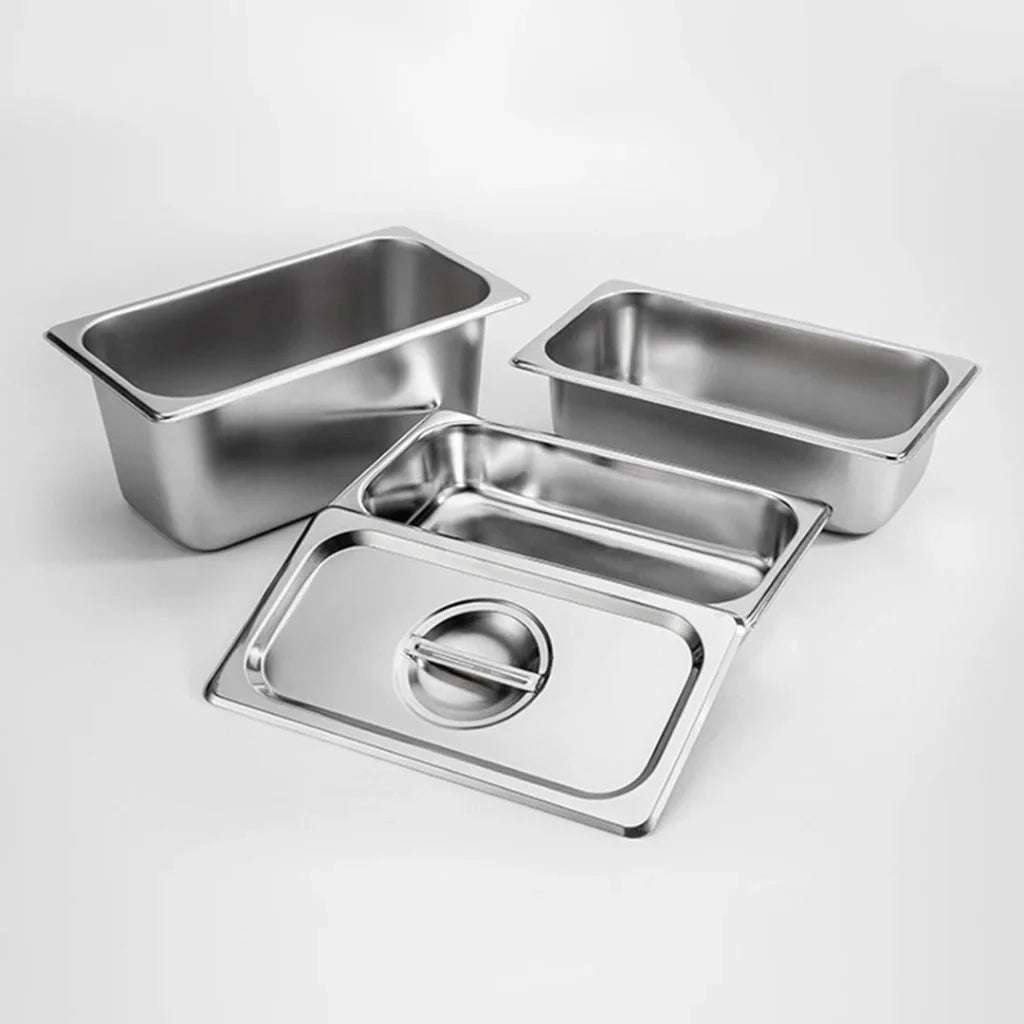
Are Stainless Steel Baking Trays Non-Toxic?
The short answer: yes, they are. Stainless steel is a sturdy alloy of iron, chromium, and nickel. Unlike non-stick pans that come coated with chemicals, there’s nothing to peel, flake, or give off fumes. You can crank the oven up for a roast, and the tray will take it in stride without releasing anything harmful.
This matters when you’re cooking with ingredients like tomato sauce or citrus. With aluminium, you sometimes get a reaction that changes the taste. With stainless steel, the food tastes the way it should, tangy tomatoes still taste bright, lemon still tastes sharp, and there’s no “metallic” aftertaste. Unless you have a severe nickel allergy (in which case, there are low-nickel versions available), stainless steel trays are about as non-toxic as bakeware gets.
Are Stainless Steel Baking Trays Safe?
Safety goes beyond toxicity. A safe tray is one that won’t buckle in the oven, won’t rust in storage, and won’t shed bits into your food. Stainless steel scores high on all three.
When you put a flimsy aluminium tray in a hot oven, it can warp and send juices spilling to one side. That doesn’t happen with decent stainless steel. The chromium content resists rust, so even after years of use and washing, you don’t find patches of corrosion spreading across the surface. And because there’s no coating or enamel layer, there’s nothing that can chip off.
So yes, stainless steel trays are safe in the very practical sense. They might show scratches over time if you’re rough with them, but scratches are cosmetic, not dangerous.
Are Stainless Steel Oven Trays Good?
This is the real test. You can have something that’s safe and non-toxic, but if it cooks unevenly or feels like a nightmare to clean, it won’t stay in your kitchen long.
Here’s the thing: stainless steel trays aren’t glamorous, but they’re good. They distribute heat evenly enough to roast vegetables without burning the edges, they’re strong enough to handle big cuts of meat, and they can double as serving trays in a pinch. I’ve used the same one for years, and while it’s not shiny anymore, it still works perfectly.
The only drawback? Cleaning. Unlike a non-stick pan, you can’t just wipe them down. If you let grease sit overnight, you’ll be scrubbing. But that’s more about habit than the tray itself. Wash them soon after cooking, and they’re no harder to manage than anything else in the kitchen.
The Cleaning Routine That Helps
Here’s what I’ve found works best. Don’t shock the tray with cold water straight out of the oven; let it cool first. Then wash it with warm, soapy water and a soft sponge. Dry it with a towel instead of air-drying to avoid water spots. If something stubborn is stuck, baking soda paste or a splash of vinegar usually does the trick. An old trick from my grandmother , rubbing salt with half a lemon , still works better than half the fancy cleaners I’ve tried.
Rainbow streaks from high heat are common, too, and while they look strange, they’re harmless. A vinegar wipe makes most of them disappear.
Everyday Habits to Keep baking Trays in Shape
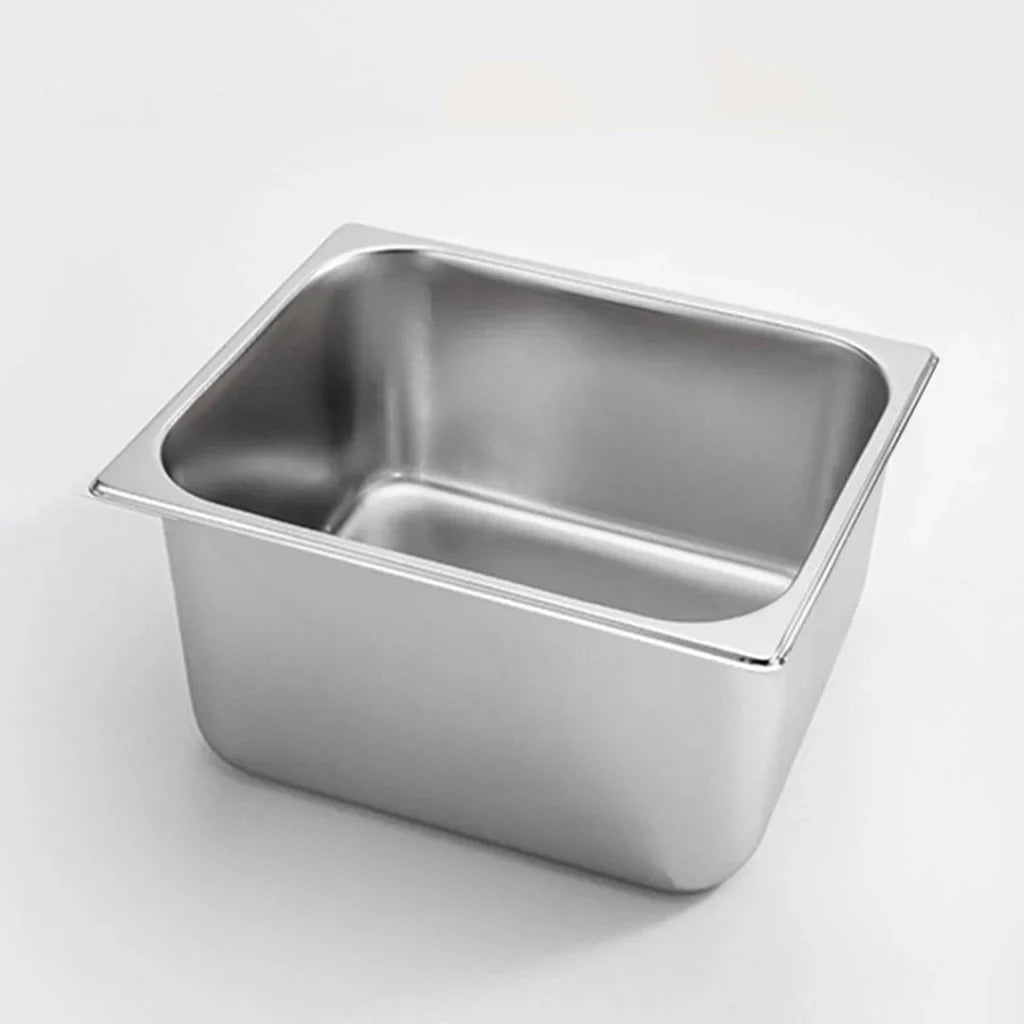 Stainless steel lasts, but it does like a little care. I’ve learned to avoid soaking trays overnight because that can leave dull patches. I never use steel wool; the scratches last forever. And I always slip a sheet of parchment paper between trays when I stack them, which stops them from grinding against each other. None of this takes much effort, but it means my trays stay in better condition year after year.
Comparing With Other Bakeware
To really see why stainless steel matters, it helps to look at the competition. Non-stick trays feel easy at first, but once the coating wears out, they lose their charm. Glass and ceramic look great, but chip or break if you drop them. Aluminium is cheap but warps and sometimes reacts with food. Stainless steel sits quietly in the middle: not flashy, but steady, reliable, and safe. That’s why professional kitchens lean on it, and why home cooks who want something long-term often circle back to it.
Why HomeMyGarden Stands by Stainless Steel
At HomeMyGarden, we’ve seen plenty of bakeware fads come and go. What sticks around is stainless steel. It’s affordable, it’s durable, and it’s versatile enough for nearly every type of cooking. The trays we recommend resist warping, clean up with simple household methods, and don’t need replacing every year. For us, good cookware should make life easier, not harder, and stainless steel delivers.
Final Thoughts
So, let’s answer the three big questions once more: are stainless steel baking trays non-toxic? Yes, they are free from coatings and safe under high heat. Are stainless steel baking trays safe? Absolutely, they don’t rust or chip, and they hold up for years. Are stainless steel oven trays good? Yes, they’re reliable, versatile, and worth the small extra effort of proper cleaning.
They might not stay picture-perfect, and they’ll pick up a few marks over time, but that’s not a flaw; it’s a sign of use. With a little attention, stainless steel trays will keep serving you for decades, turning out meal after meal without complaint. And in a kitchen full of gadgets that promise the world and fail after a season, that kind of quiet reliability is exactly what most of us really need.