

The day I got my first stainless steel bench, I was smug. “This is going to be easy,” I thought. Sleek, modern, professional, like the ones in restaurant kitchens. I figured a quick wipe now and then would keep it perfect.
Yeah, no. Within a couple of hours, there were fingerprints. A glass of water left behind a ghostly ring. After dinner, grease splatters laughed at my soapy sponge. Suddenly I realised: stainless steel benches are gorgeous, but they can be maddening.
If you’ve got one, you know the pain. If you’re thinking of getting one, you need to know what you’re in for. The good news? I’ve been living with these benches for years now in Australia—inside the kitchen, out near the BBQ, even in a café—and I’ve worked out a way to keep them clean without losing my patience.
So, here’s the real talk guide on how to clean stainless steel bench tops and keep them looking sharp.
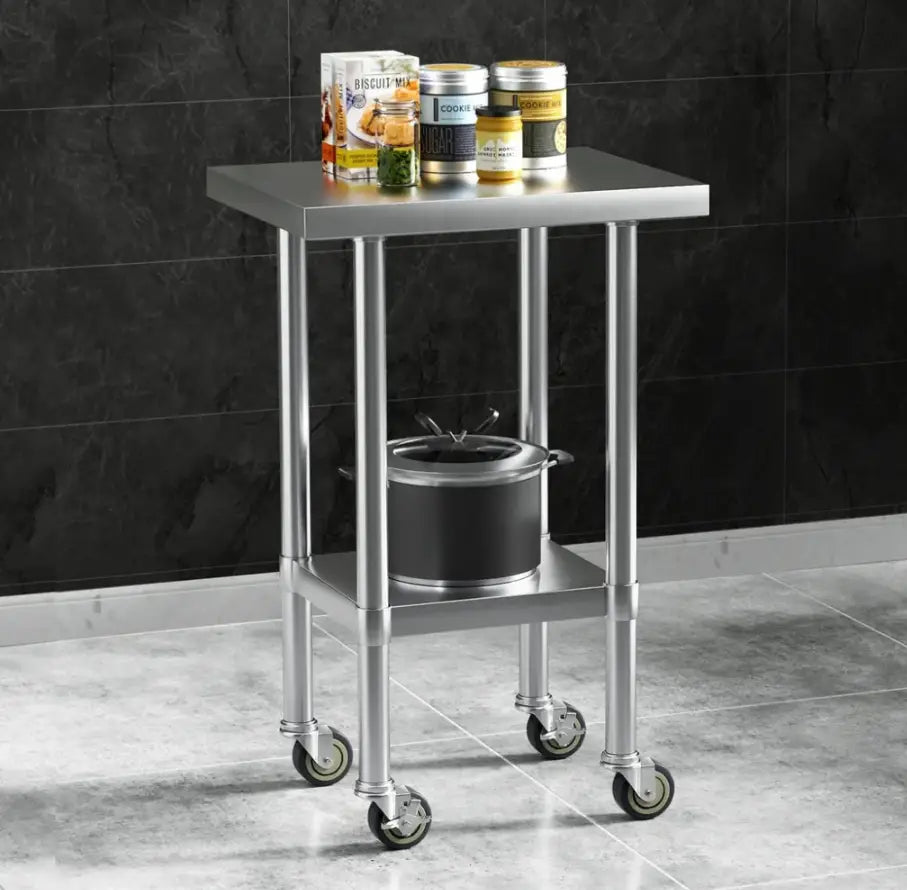
Why Stainless Steel Is Both Genius and Annoying.
There’s a reason stainless steel shows up in commercial kitchens everywhere: it’s tough. It can take heat, it doesn’t warp, and it won’t crumble the way wood sometimes does. But the polished finish? That’s the diva. Touch it, and you leave a smudge. Miss one drop of water, and you’ve got a permanent-looking ring. Scrub the wrong way, and you’ll see scratches in the light forever.
It’s not hard to look after once you know the rules, but you have to respect them.
My Day-to-Day Cleaning (The Fast Way)
Most days, I don’t overcomplicate things. If you keep up with it, stainless is actually pretty easy.
Here’s what I do in my kitchen:
-
First, I shove everything off the surface. Toaster, cutting board, spice jars, gone.
-
A soft sponge with warm water and the tiniest drop of dishwashing liquid. That’s all you need.
-
Wipe gently, but always in the direction of the grain. If you don’t know what I mean, look closely; there are faint lines running one way. Follow them.
-
Quick rinse with a damp cloth.
-
Then the most important step: I dry it with a microfiber cloth. No air drying. That’s where streaks come from.
Five minutes and it looks presentable again.
The Messy Days: When Soap Isn’t Enough
Of course, some days are worse. Someone fries bacon without covering the pan. Someone else leaves a mug that leaks coffee. Now your bench top looks like it’s been through a war.
That’s when I bring out the extras:
-
A vinegar-and-water spray. Half and half. Spray lightly, wipe, and grease just slides away.
-
Baking soda paste. Just baking soda with a little water, spread it over dried gunk, wait ten minutes, then wipe gently. Safe and effective.
-
A proper stainless steel cleaner if I want that “brand-new” glow. These sprays leave a protective layer that actually helps keep fingerprints away for a while.
One important lesson: always test a cleaner in a corner first. Some finishes react differently.
How to Clean a Stainless Steel Bench Without Scratching It
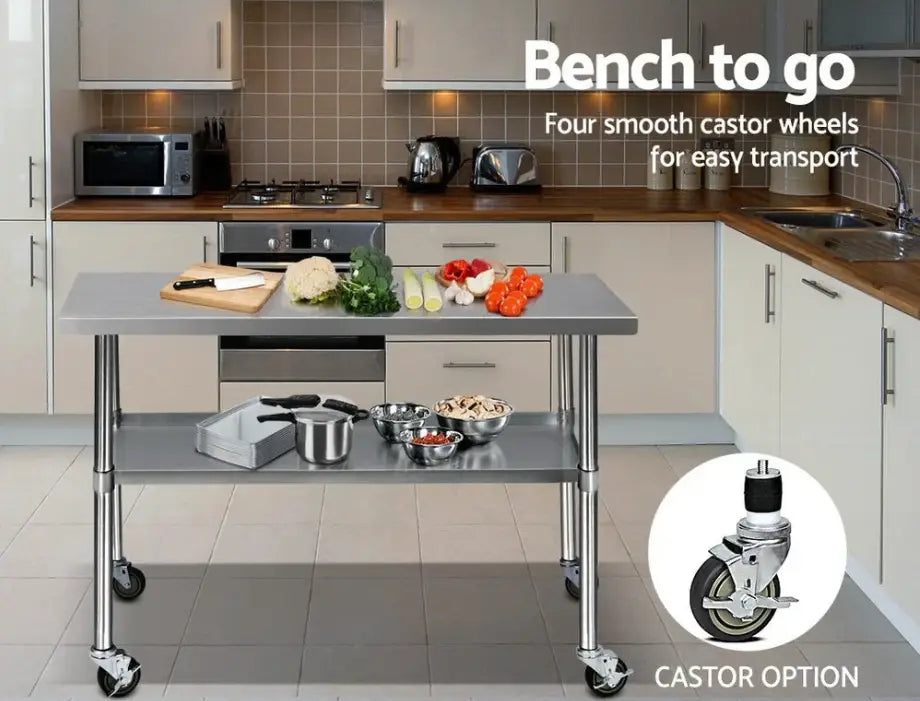
The one rule you should tattoo in your brain: no abrasives. Ever.
I once lost my temper and grabbed steel wool. Huge mistake. I’ve been staring at those scratches for years.
So here’s what I actually use:
-
Microfiber cloths (stock up, they’re lifesavers).
-
Soft sponges.
-
Paper towels if I’m desperate, but microfiber is better.
And again, follow the grain. Always.
Café Lessons: The Hard School of Cleaning
Working in a café taught me discipline with stainless steel. We had benches that saw everything: milk spills, sugar, coffee stains, crumbs, you name it. Cleaning wasn’t about looks; it was about hygiene and staying inspection-ready.
Our routine? Boring but effective:
-
Hot, soapy water wipes after every rush.
-
Food-safe sanitiser spray.
-
Rinse with clean water.
-
Dry with fresh cloths.
It felt endless, but those benches always looked sharp.
Adding Back the Shine
Here’s the truth: cleaning makes your bench decent, but polishing makes it pop. I don’t polish every day, just once a week or so.
Sometimes I’ll use a tiny drop of olive oil or baby oil, rub it along the grain, then buff it off with a dry cloth. Sometimes I grab glass cleaner if I’m short on time. And if I want that “wow” look, I’ll go with a proper stainless steel polish spray.
But here’s the trap, too much oil and it feels greasy. Dust sticks to it. Less is more.
Mistakes I’ve Made (So You Don’t Have To)
-
Bleach. Thought it would sanitise. It stained instead.
-
Scrubbing across the grain. Even with a soft sponge, I ended up with faint lines.
-
Leaving water to air dry. Streak city.
-
Over-oiling. Looked amazing for an hour, then gross.
Outdoors: A Whole New Game
If your stainless steel bench lives outside, you’ve got a tougher job. Weather, dust, salty air near the coast, they all eat away at the shine.
What I do:
-
Rinse it after windy or salty days.
-
Keep it covered when it’s not in use.
-
Polish it more often than my indoor bench.
If you ignore it, the surface will dull pretty quickly.
My Cheat Sheet for Quick Fixes.
Not every problem deserves the whole soap-and-water routine. A few hacks I rely on:
-
Fingerprints? Baby wipes.
-
Water stains? A splash of vinegar and a quick dry.
-
Sticky label residue? Eucalyptus oil on a cloth.
These little fixes save me when I’m in a rush.
My Actual Routine Now
Over time, I’ve settled into a rhythm that keeps things simple:
-
Daily: soap, water, rinse, dry.
-
Weekly: vinegar spray, light oil polish.
-
Monthly: baking soda paste for stubborn bits, followed by a shine.
Ten minutes here and there, and the bench never feels like a nightmare.
Wrapping Up: How to Clean Stainless Steel Bench Tops Without Stress.
I’ll be honest, stainless steel benches drove me crazy at first. But once I learned the rhythm, gentle wipe, microfiber dry, occasional polish, it became second nature.
If you want the short version:
-
Soap and microfiber for everyday care.
-
Vinegar or baking soda for stubborn marks.
-
Never, ever use abrasives or bleach.
-
Always follow the grain.
-
A little polish goes a long way.
Once you get used to it, cleaning a stainless steel bench top doesn’t feel like a chore. It’s quick, easy, and the payoff is walking into the kitchen and seeing that sleek, gleaming surface ready for whatever you throw at it.