

If you’ve spent time cooking at home, you’ve probably developed a complicated relationship with your baking trays. They’re always there when you need them: for the quick weeknight roast, the Sunday lasagna, the last-minute batch of cookies. And if you’re like most people, at least one of those trays is stainless steel.
There’s a reason for that. Stainless steel has a reputation for being the tough one in the kitchen. It doesn’t buckle under heat the way flimsy trays do, it doesn’t flake or peel like coated bakeware, and it doesn’t care if you throw tomatoes or lemons onto it. But there’s one thing it isn’t: self-cleaning. And that’s where the love, hate comes in.
After a few meals, your tray is a map of your cooking history: greasy edges, sticky spots that cling no matter how long you soak them, and sometimes those rainbow-colored stains that make it look like a science experiment. That’s when the questions hit: how do you actually clean stainless steel baking trays without destroying them? And when you’re tired and staring at the mess, another thought creeps in: are stainless steel baking pans dishwasher safe, and would that just save me the trouble?
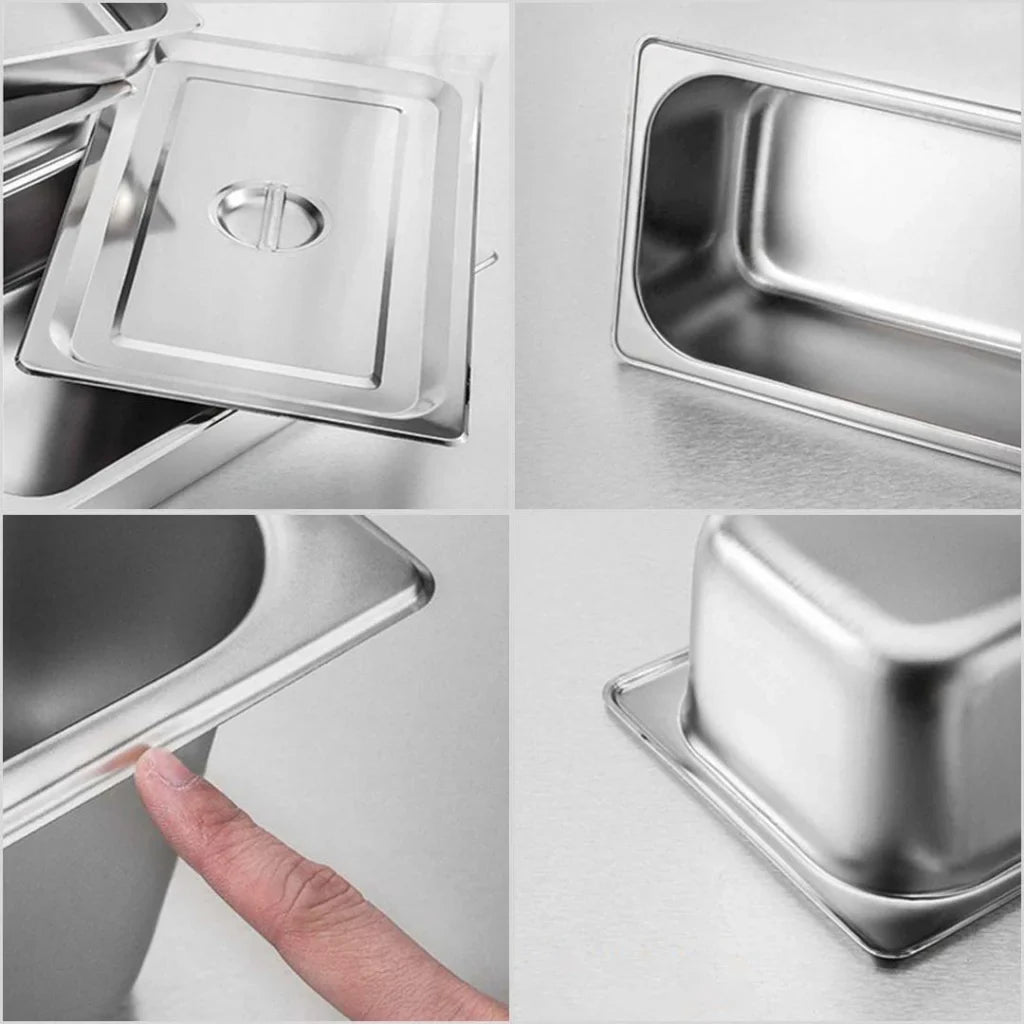
Why People Put Up With Stainless Steel
It’s worth asking why so many of us keep using stainless steel even though it isn’t the easiest to clean. The answer is simple: it’s reliable. Other materials have their perks, but they also come with trade-offs. Non-stick trays are convenient until the coating scratches, and suddenly, everything sticks worse than before. Foil trays mean no cleaning, but also no durability. Thin aluminium pans warp the second the oven gets hot.
Stainless steel isn’t perfect, but it’s steady. It cooks evenly, it doesn’t react with your food, and it lasts. A good tray can be with you for decades if you don’t mistreat it. That’s why people keep reaching for it, even if they sigh when it’s time to scrub.
The Everyday Wash That Actually Works
The first rule of stainless steel care is this: don’t wait. Food that’s left to harden overnight will turn into a nightmare. If you rinse and wash the tray not long after cooking, you’ve already won half the battle.
Here’s what that looks like in real life: the tray cools down a little, you fill the sink with warm soapy water, and you go at it with a regular sponge: no fancy cleaners, no harsh scrubbing. The secret isn’t the product you use but the timing. And here’s another small detail that makes a big difference: don’t leave the tray to dry. Stainless steel loves to show off every single water spot. A quick wipe with a towel keeps it looking better for longer.
It’s boring advice, but it’s the kind that saves you effort later.
When the Mess Laughs at You
Of course, not every meal is that easy. Anyone who has roasted meat with a sticky marinade or baked something with cheese knows the pain: black patches that won’t move, edges glued with grease, sugar baked so hard it feels like cement. That’s the moment when most people reach for steel wool and regret it later.
There are better ways. A paste made with baking soda and water spread across the burnt area works surprisingly well if you let it sit. Vinegar poured over stubborn spots loosens them without a fight. And one of the oldest tricks, sprinkling salt and scrubbing with half a lemon, works like magic while leaving the tray smelling fresh.
None of these requires anything fancy, and they all have the benefit of being gentle. Scratches from steel wool last forever; a little patience with baking soda doesn’t.
What’s With the Rainbow Colours?
Another mystery stainless steel throws at you is the rainbow effect. After a particularly hot roast, you pull out your tray and see streaks of blue, purple, or gold. They don’t wipe off, and they look alarming. But the truth is, they’re harmless. It’s just the metal reacting to heat, not a sign that you’ve ruined anything.
If it bothers you, the fix is simple. Wipe the tray with diluted vinegar, rinse it, and dry it. Most of the time, the colours fade quickly. For the really stubborn marks, a stainless steel cleaner will bring back the shine, but most people never need it.
The Dishwasher Dilemma: Are Baking Trays Really Safe Inside?
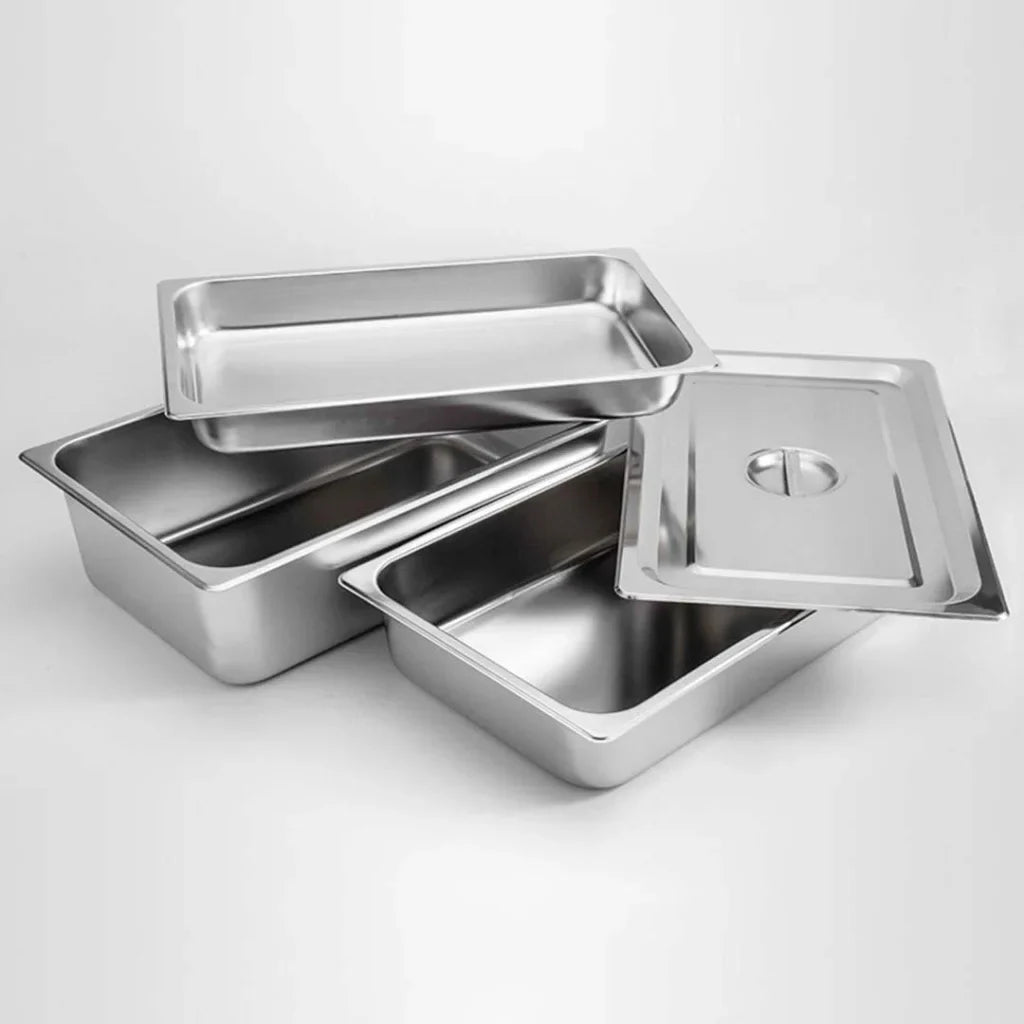
Now for the million-dollar question: are stainless steel baking pans dishwasher safe?
Technically, yes. They can handle a dishwasher. They won’t melt or peel, and the machine will do a decent job of cleaning them. But here’s the part manufacturers don’t always spell out: dishwashers aren’t gentle.
The detergents are strong, strong enough to slowly dull the shine of your tray. If you live in a hard-water area, you’ll likely see streaks and cloudy spots after a cycle. And if the tray goes through the machine often, it will start to look older faster.
That doesn’t mean you should never use the dishwasher. If you’ve had a long day and can’t be bothered, toss it in. Just take it out once the cycle ends and dry it immediately. But if you want your trays to stay polished and sharp-looking, hand washing is the better habit.
The Mistakes That Do More Harm Than Good
Most stainless steel trays don’t wear out in the oven; they wear out in the sink. Common mistakes include: leaving them to soak overnight (which causes dull spots), scrubbing with steel wool (hello, scratches), stacking them without protection (they grind against each other), or using bleach and chlorine cleaners that eat away at the metal.
Each one seems small, but together they’re what makes trays look beaten long before their time.
Habits That Make Life Easier
The best way to care for stainless steel is to make small things part of your routine. Drying instead of drip-drying, lining trays with parchment when cooking something sticky, polishing with a soft cloth once in a while, and storing them in a dry space instead of a damp cupboard. These things take seconds but save hours of scrubbing down the line.
Why HomeMyGarden Stands by Stainless Steel
At HomeMyGarden, we’ve tried enough bakeware to know what works and what doesn’t. Stainless steel isn’t the flashiest, but it’s dependable. That’s why we choose trays that resist warping, clean up well with the methods above, and provide long-term value. For us, good cookware should be a help in the kitchen, not another headache.
Wrapping It Up
So, how do you clean stainless steel baking trays? With speed, gentleness, and a few household helpers like baking soda and vinegar. Don’t wait, don’t scrub with steel wool, and don’t be afraid to use a lemon.
Are stainless steel baking pans dishwasher safe? Yes, they are. But if you care about how they look, you’ll probably stick to hand washing most of the time.
Stainless steel trays will never stay flawless, but that isn’t the point. They’re built to work, not to stay pristine. Treat them well, and they’ll keep turning out meals for years, carrying the story of your cooking in every mark and shine.