

If you’ve spent time in the kitchen, you’ve probably noticed that baking trays come in all sorts of materials: aluminium, non-stick coated, enamel, ceramic, and of course, stainless steel. Each type has its fans, and each has its quirks. But one question that pops up often is: are stainless steel baking trays non-stick?
The short answer is no, stainless steel baking trays are not naturally non-stick. But that’s not the whole story. With the proper preparation and a little care, stainless steel trays can work almost as smoothly as a non-stick tray and last a lot longer.
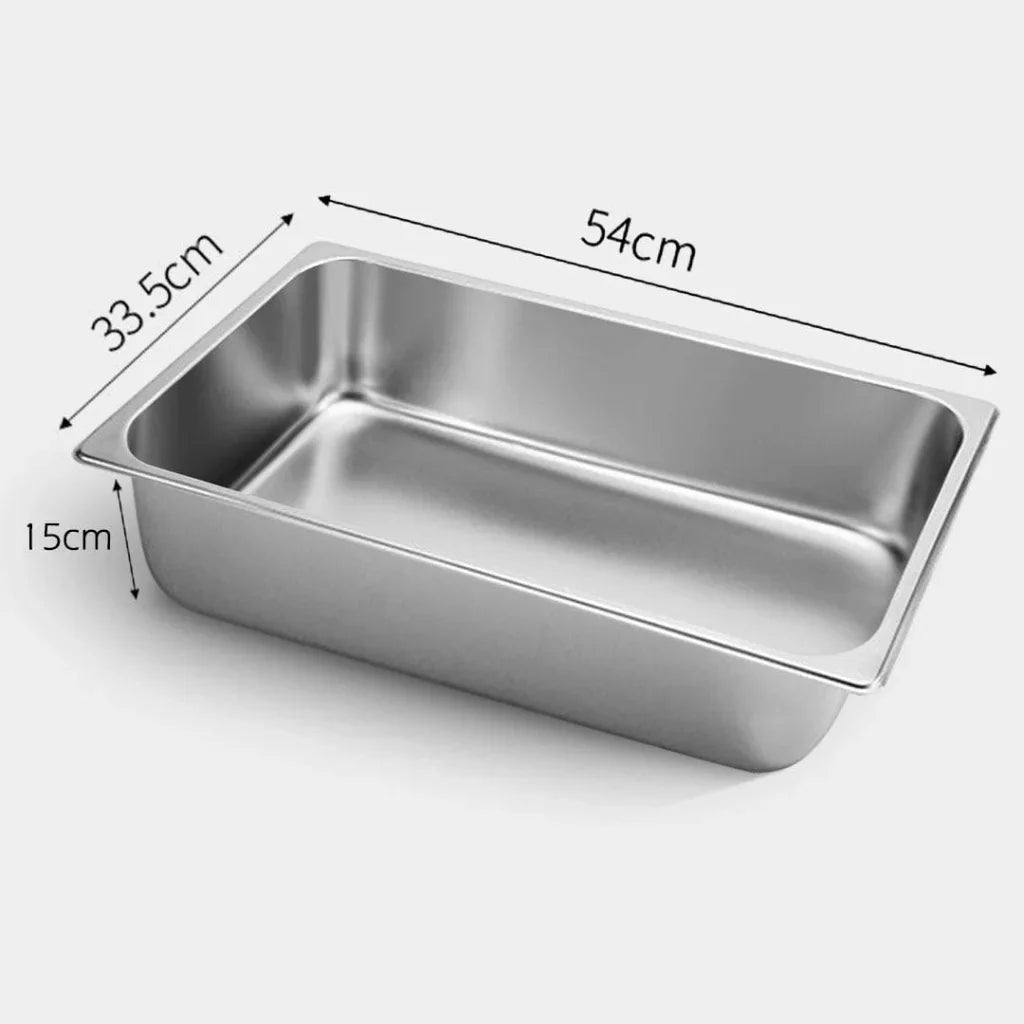
Why Stainless Steel Isn’t Non-Stick by Default
Stainless steel is tough, durable, and resistant to rust. That’s why professional kitchens love it. But what it doesn’t have is a coating or finish that prevents food from sticking. If you pop cookies onto a bare stainless steel tray and bake them, chances are you’ll need a spatula (and maybe some patience) to scrape them off.
The surface of stainless steel is smooth to the touch, but at a microscopic level, it has tiny pores and textures that food clings to when exposed to heat. That’s why stainless steel pots and pans can also be a little sticky unless you preheat or use oil.
So, no, stainless steel trays aren’t “non-stick” the way a Teflon-coated tray is.
Why People Still Choose Stainless Steel
If stainless steel isn’t non-stick, why bother with it? The answer comes down to durability and safety.
-
No coatings to peel: Non-stick trays work beautifully until the coating starts to wear off. Stainless steel doesn’t have that issue.
-
Longevity: A good stainless steel tray can last for decades if cared for properly.
-
Heat resistance: They handle high oven temperatures without warping.
-
Easy to clean (with the right approach): Even if food sticks, stainless steel can handle scrubbing, soaking, and even dishwasher cycles better than delicate coatings.
-
No chemicals: Some people prefer stainless steel because there’s no non-stick surface that could potentially flake into food.
In other words, you sacrifice convenience (the non-stick effect) for reliability and peace of mind.
Making Stainless Steel Act Non-Stick
Here’s the good news: you can make stainless steel trays much less sticky with a few simple tricks.
-
Use parchment paper. This is the easiest fix. Line the tray with parchment, and suddenly nothing sticks: cookies, pastries, roasted veggies, you name it.
-
Try a silicone baking mat. Reusable mats like silicone sheets are perfect for stainless steel trays. They provide a non-stick surface without affecting heat distribution.
-
Grease lightly. For some recipes, a thin layer of butter or oil on the tray is all you need.
-
Preheat the tray. A hot surface helps reduce sticking, especially for roasting vegetables.
I’ve used all these tricks, and honestly, parchment paper is my go-to. It keeps cleanup easy, and my trays stay looking newer for longer.
Stainless Steel vs. Non-Stick Trays
 It helps to compare the two side by side:
-
Non-stick trays: Food slides off easily, little to no parchment needed, quick clean-up. Downsides: coatings can wear out, scratch, or peel. Once that happens, the tray is pretty much done.
-
Stainless steel trays: Food sticks unless you line or grease them, but they last far longer and don’t have coatings that break down.
Think of it this way: non-stick is great for convenience, stainless steel is great for the long haul. Many serious bakers keep both types on hand and use them depending on the recipe.
Common Uses for Stainless Steel BakingTrays
Stainless steel trays shine (literally and figuratively) in situations where durability matters:
-
Roasting vegetables: High heat, lots of oil, stainless steel can handle it without warping.
-
Baking bread rolls: With parchment or a dusting of flour, trays handle batches easily.
-
Cooking meats: Stainless stands up to juices, fats, and scrubbing.
-
Every day baking: With parchment, cookies and pastries come out fine.
For delicate bakes like meringues or sticky cookies, I still prefer parchment or a non-stick option.
My Experience
When I first switched to stainless steel trays, I was frustrated. Everything stuck. Cookies broke in half, roasted potatoes glued themselves to the tray, and cleaning was a nightmare. I almost gave up and went back to coated trays.
But after some experimenting, I found the sweet spots: using parchment paper for cookies and pastries, greasing lightly for savoury bakes, and soaking trays immediately after roasting. Now I actually prefer stainless steel, because I don’t worry about scratching a coating or replacing trays every couple of years.
One of my stainless steel trays from HomeMyGarden has been in constant rotation for nearly five years now, and it still looks solid. That’s the kind of durability you just don’t get with cheaper non-stick pans.
Why I Recommend HomeMyGarden
If you’re looking for stainless steel baking trays, HomeMyGarden is a great place to start. Their trays are sturdy, built with safe bar spacing when used as multipurpose racks, and designed to handle daily baking. The best part? You know exactly what you’re getting, no mystery coatings, no cheap finishes that flake after a few washes.
The sizes also match what bakers actually use, whether it’s half-sheet for home ovens or full-sheet for larger setups. And because stainless steel lasts, it’s worth investing in quality from the beginning.
Final Thoughts
So, are stainless steel baking trays non-stick? No, not on their own. Stainless steel is naturally sticky compared to coated trays. But with a little prep , parchment, silicone mats, or a bit of oil , you can get the same results without worrying about coatings wearing out.
The real value of stainless steel is in durability. These trays won’t warp at high heat, they won’t peel, and they’ll stick with you (pun intended) for years. Non-stick trays have their place, but stainless steel is the dependable workhorse every kitchen should have.
If you’re ready to make the switch, or just add a couple of trays to your collection, check out HomeMyGarden. Their stainless steel trays are built for daily baking, and with the proper care, they’ll be with you longer than most of your kitchen tools.