
A few years ago, I bought my first set of outdoor cabinets for my Australian home. They looked fantastic on the patio, all sleek and new, with plenty of room for garden tools and barbecue gear. Fast forward six months, and disaster. The bottom of the cabinet was swollen from soaking up water, the paint had peeled in strips, and one hinge was so rusty it squeaked like an old farm gate.
That’s when I started asking myself: how do you actually weatherproof outdoor cabinets so they survive more than one season?
I wish someone had told me earlier that there isn’t one magic fix. Weatherproofing is more like layering a bunch of small protections. Let me share what I’ve learned (the hard way), so you don’t repeat my mistakes.
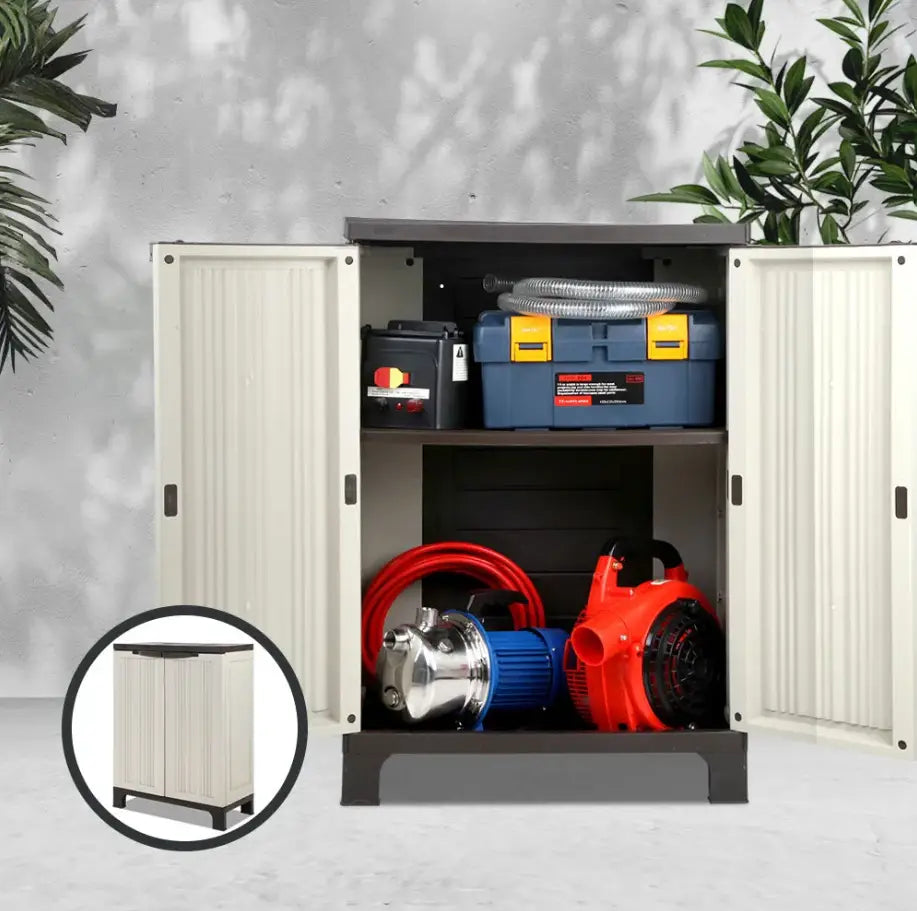
How to Weatherproof Outdoor Cabinets Starts with the Right Material.
Honestly, this is where it all begins. If you’re starting from scratch, think carefully about what your cabinet is made from.
-
Wood cabinets: They’re gorgeous, no doubt. But they’re also needy. Hardwoods like teak or cedar naturally resist moisture better. Softwoods? They’ll need serious sealing.
-
Metal cabinets: Aluminium and stainless steel can handle rain much better than cheap steel. If you live near the coast, salt air will test even the toughest metal.
-
Plastic or resin cabinets: These don’t rot or rust, which is great, but the sun can make them fade and turn brittle over time.
When I picked a budget pine cabinet for outdoors, it was doomed from the start. I thought I could just paint it and forget about it. Wrong move.
How to Weatherproof Outdoor Cabinets with Sealants and Finishes.
No matter what material you’ve got, sealing is your first line of defence.
-
For wood: Sand it smooth, then use a proper outdoor wood sealant or marine-grade varnish. Don’t cheap out here, I did once, and the “waterproof” coat lasted about three months. Reapply every year or two.
-
For metal: Use rust-resistant spray paint or a clear sealant. If you see even a tiny rust spot, sand it down before it spreads.
-
For plastic: It doesn’t need sealing against water, but it does need protection from UV rays. A UV spray can keep it from cracking.
Sealing isn’t glamorous, but it’s what keeps the cabinet from looking like driftwood by the second season.
How to Weatherproof Outdoor Cabinets by Keeping Rain Out.
Even if the surface is sealed, rain loves to sneak in through tiny gaps. That’s where most of the trouble starts.
-
Add weatherstripping around the doors. It’s cheap and makes a big difference.
-
Use silicone caulk to fill joints, screw holes, and seams.
-
Tilt the cabinet just slightly so water runs off the top instead of pooling.
I skipped weatherstripping the first time. Big mistake. My shelves inside were damp after every heavy storm. Once I added it, the problem was solved.
How to Weatherproof Outdoor Cabinets by Raising Them Up.
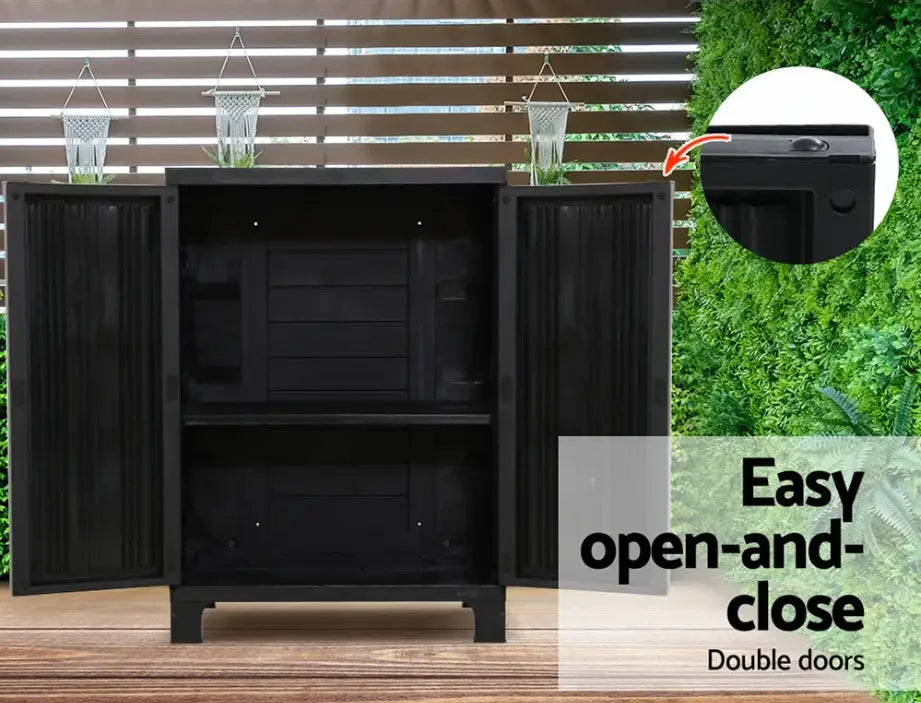
One of the smartest tips I ever learned: don’t let your cabinets sit flat on the ground.
Moisture creeps up from underneath, especially if you’ve got soil, grass, or even concrete that traps water.
-
Use concrete pavers or bricks to lift the base.
-
Or attach legs to keep it a few centimetres off the ground.
It sounds minor, but raising mine by just a couple of inches stopped the base from swelling and rotting.
How to Weatherproof Outdoor Cabinets by Protecting Hinges and Hardware.
Here’s a sneaky one. The cabinet might look fine, but the hardware is usually the first thing to fail.
-
Swap cheap hinges and screws for stainless steel or galvanised versions.
-
Spray them with lubricant (WD-40 or similar) a couple of times a year.
-
Cover screw heads with silicone so water doesn’t seep in through them.
I once had a cabinet door fall clean off because the hinge rusted out. Trust me, nothing ruins a barbecue faster than chasing your door across the patio.
How to Weatherproof Outdoor Cabinets with Shelter.
Even if your cabinet is built tough, a little extra cover goes a long way.
-
Place them under a veranda, pergola, or awning.
-
If you can’t, get a fitted cover for the rainy season.
-
Outdoor kitchens usually have cabinets tucked under countertops; it’s no accident that’s protection in action.
Think of this step as giving your cabinets their own umbrella.
How to Weatherproof Outdoor Cabinets with Regular Care.
This is where I used to fall short. I’d seal once and forget about it. Big mistake.
-
Check after storms for leaks, chips, or rust.
-
Re-seal wood every year or two.
-
Sweep out debris, leaves and dust to trap water.
-
Fix little problems fast. A tiny crack today can become a ruined panel tomorrow.
Weatherproofing isn’t one and done. It’s maintenance.
Extra Tips People Don’t Think Of
-
Ventilation helps. If cabinets are sealed too tightly, humidity builds up inside. Small vents keep airflow going.
-
Colour matters. Dark cabinets absorb heat and warp faster. Lighter colours reflect sunlight.
-
Line the inside. I started using plastic bins inside my cabinet. Even if a bit of water sneaks in, my tools stay safe.
My “Two-Cabinet” Lesson:
The first cabinet I bought? It was a disaster. Cheap pine, painted once, sitting directly on my deck. Within a year, it was warped, mouldy, and basically useless.
The second cabinet? That one I did properly. I sealed it, added weatherstripping, raised it off the ground, and swapped the hinges for stainless steel. Five years later, it’s still in my garden, and still looks decent.
So when people ask me, “How do you weatherproof outdoor cabinets?” I don’t point to one trick. I tell them it’s a mix of small, sensible steps.
Final Thoughts on How to Weatherproof Outdoor Cabinets.
Outdoor cabinets make life so much easier, but only if you protect them. Weatherproofing isn’t complicated; it’s sealing, elevating, blocking water, protecting hardware, and doing a little upkeep every year.
The best part? Once you’ve done it properly, you won’t be cursing at swollen doors or rusty hinges every time it rains. You’ll just grab what you need, shut the door, and get on with enjoying your space.
So the next time someone asks you, “How to weatherproof outdoor cabinets?” you’ll know: it’s not one big job, it’s a handful of little ones. Do them right, and your cabinets will last for years.