

If you’ve ever looked at your backyard and thought, “I really need somewhere to put all this stuff,” you’re not alone. Garden tools, BBQ gear, kids’ toys, they all end up scattered, and before you know it, your outdoor space looks more like a shed sale than a relaxing spot. That’s usually the moment people start Googling how to build outdoor cupboards.
The good news? You don’t need to be an Australian carpenter to get the job done. With a bit of planning, some basic tools, and a free weekend, you can build cupboards that look good and last outside. I’ve gone through the process myself, and I’ll walk you through it step by step.
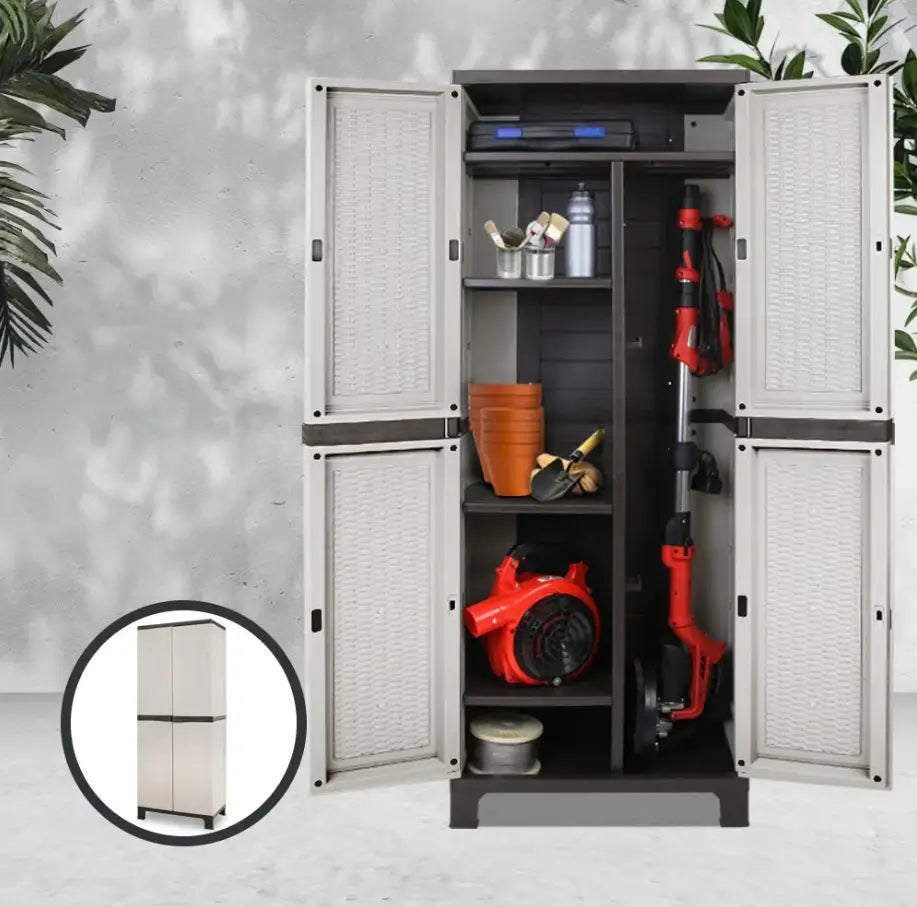
Why Bother Learning How to Build Outdoor Cupboards?
Before we get into the nitty-gritty, let’s answer the big “why.” Outdoor cupboards aren’t just about tidiness (though that’s a huge bonus).
-
Weather protection. Keeps your stuff dry and safe from sun, rain, and dust.
-
Extra space. Perfect if your garage or shed is already crammed.
-
Looks neat. A well-designed cupboard can blend with your deck, patio, or garden.
-
Custom fit. You can size it exactly for your space instead of squeezing in a store-bought one.
So yes, it’s a bit of work, but the payoff is huge.
Step One: Planning Your Outdoor Cupboards.
You don’t want to grab a saw and start cutting wood blindly. Take a little time to plan.
-
Measure the space. Decide where the cupboards will go: against a wall, free-standing on the deck, or built into an alcove. Write the measurements down.
-
Think about use. Will you store garden tools, cushions, and BBQ gear? Heavy stuff needs stronger shelves. Tall items need more vertical space.
-
Pick a style. Do you want doors that swing open, sliding doors, or maybe shutters? Simpler is usually easier for beginners.
This planning stage is where most of the headaches get avoided.
Step Two: Choosing Materials for Outdoor Cupboards.
This is where a lot of people go wrong. If you’re asking how to build outdoor cupboards that last, material choice matters.
-
Timber. Treated pine or hardwood can work well. Just make sure it’s weather-resistant and sealed properly.
-
Marine plywood. Great for doors and panels. Designed to handle moisture.
-
Composite materials. If you want low maintenance, look at composite boards. They don’t rot like wood.
-
Metal sheeting. Strong and durable, but trickier to work with if you’re not used to it.
Don’t forget hardware. Hinges, screws, and handles should all be stainless steel or galvanised; otherwise, they’ll rust in no time.
Step Three: Tools You’ll Need
Building outdoor cupboards doesn’t require a full workshop, but here are the basics:
-
Tape measure
-
Saw (hand saw or circular saw if you’ve got one)
-
Drill and bits
-
Screwdriver
-
Square and level
-
Sandpaper or sander
-
Paintbrush (for sealing/finishing)
Optional but handy: clamps, which hold things in place while you drill or screw.
Step Four: Building the Frame for Outdoor Cupboards.
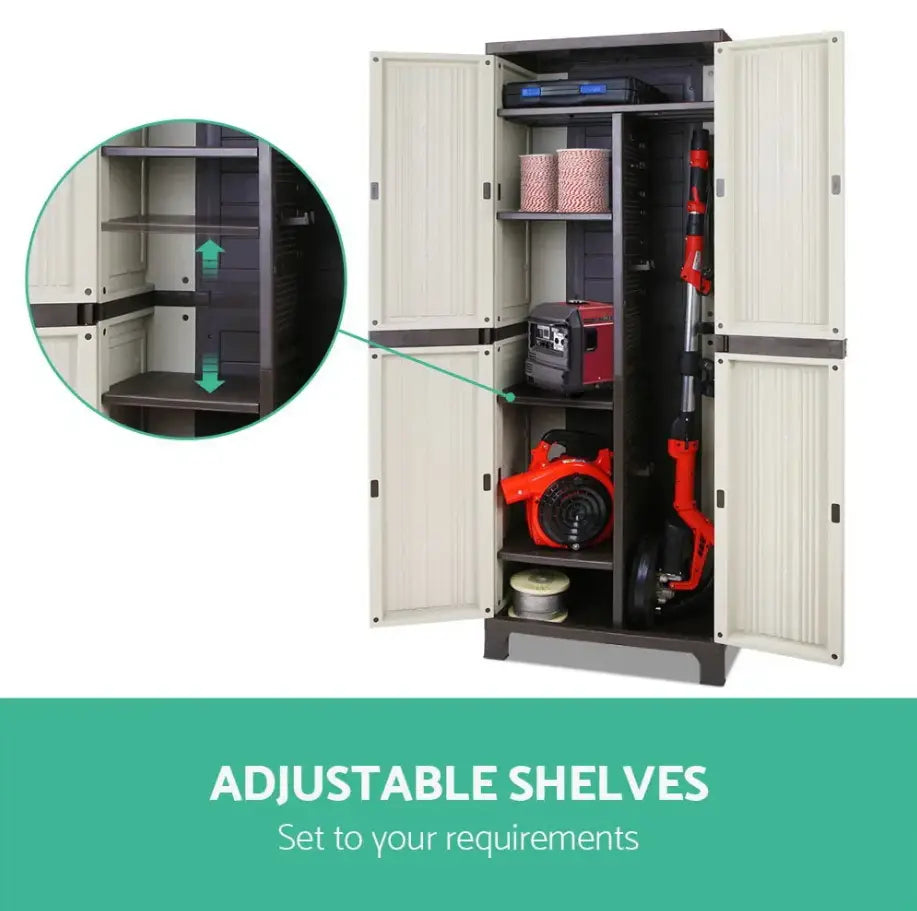
Think of the frame as the skeleton of your cupboard.
-
Cut your timber to size. Use your measurements and double-check before cutting.
-
Assemble the base. Screw together a rectangle or square for the bottom.
-
Add vertical supports. These will hold the sides and shelves.
-
Top frame. Build a matching rectangle for the top and secure it.
Tip: Check with a level often. A wonky frame now means doors that don’t close later.
Step Five: Adding Sides, Back, and Shelves.
With the frame done, it’s time to make it look like a cupboard.
-
Back panel: Attach marine plywood or treated timber.
-
Sides: Do the same with the left and right.
-
Shelves: Measure carefully and fix them with brackets or supports. Make sure they’re strong enough for whatever you’ll store.
Step Six: Doors and Hardware.
This is where it really starts looking like a cupboard.
-
Doors: Cut panels to fit. If you’re new to DIY, stick to simple swing doors.
-
Hinges: Use stainless steel hinges for durability.
-
Handles: Pick something easy to grip. Outdoor cupboards often get dirty, so you’ll want a handle you can open with wet or muddy hands.
-
Lock (optional): If you’re storing expensive tools, add a lock or latch.
Step Seven: Sealing and Finishing.
This part is crucial. Outdoor cupboards face sun, rain, and moisture; they’ll fall apart fast if they’re not protected.
-
Seal the wood. Use an outdoor timber sealer, varnish, or exterior paint.
-
Pay attention to edges. Water sneaks in through corners and ends, so give them extra coats.
-
Roof (optional). If you want extra protection, add a sloped roof or overhang to keep rain off the doors.
Step Eight: Anchoring the Cupboards
If your cupboard is freestanding, anchor it to a wall or the ground so it doesn’t tip over. Outdoor cupboards can get top-heavy, especially when the doors are open.
Common Mistakes When Learning How to Build Outdoor Cupboards
-
Using indoor wood. MDF or chipboard will swell and crumble outside. Don’t even try.
-
Skipping the sealer. If you don’t seal it, you’ll be building again next year.
-
Forgetting ventilation. A small vent helps stop mould inside the cupboard.
-
Overloading shelves. Build them strong, but don’t expect them to carry the weight of bricks.
My Experience Building Outdoor Cupboards
The first time I tried, I underestimated how much time finishing would take. I rushed the sealing step, and after one wet winter, the cupboard started swelling. Lesson learned: finishing is not optional.
The second time, I did it properly, treated the timber, stainless hardware, and applied three coats of sealer. That cupboard has lasted years, and it still looks good. Honestly, the extra time spent finishing made all the difference.
Quick Recap
-
Plan first. Measure, decide on use, and pick a style.
-
Choose the right materials. Weather-resistant timber, marine ply, or composites.
-
Build the frame. Keep it square and level.
-
Add panels, shelves, and doors. Use stainless hardware.
-
Seal everything. Protect it from the sun and rain.
Final Thoughts:
Learning how to build outdoor cupboards is one of those projects that feels intimidating at first but becomes straightforward once you break it down. The hardest part isn’t the building, it’s choosing the right materials and taking the time to finish them properly.
If you’ve been thinking about it, my advice is simple: start small. Build a cupboard for tools or BBQ gear. Once you’ve done one, you’ll realise it’s not nearly as complicated as it looks, and you’ll wonder why you didn’t do it sooner.