

When I first thought about automating my gate, I assumed it’d be simple. Buy a motor, get it installed, and that’s that. But after talking to installers and browsing through way too many brochures, I realised it’s not that straightforward. There isn’t one “best” gate motor for everyone. What’s best for me might not suit you at all.
So if you’ve been asking which auto gate motor is the best, or maybe which motor is used in gate automation, or even how long do electric gate motors last, you’re asking the right questions. Choosing the wrong motor means frustration and repairs. Choosing the right one? Years of smooth, quiet convenience.
Let me walk you through what I learned, the practical version, not the sales pitch.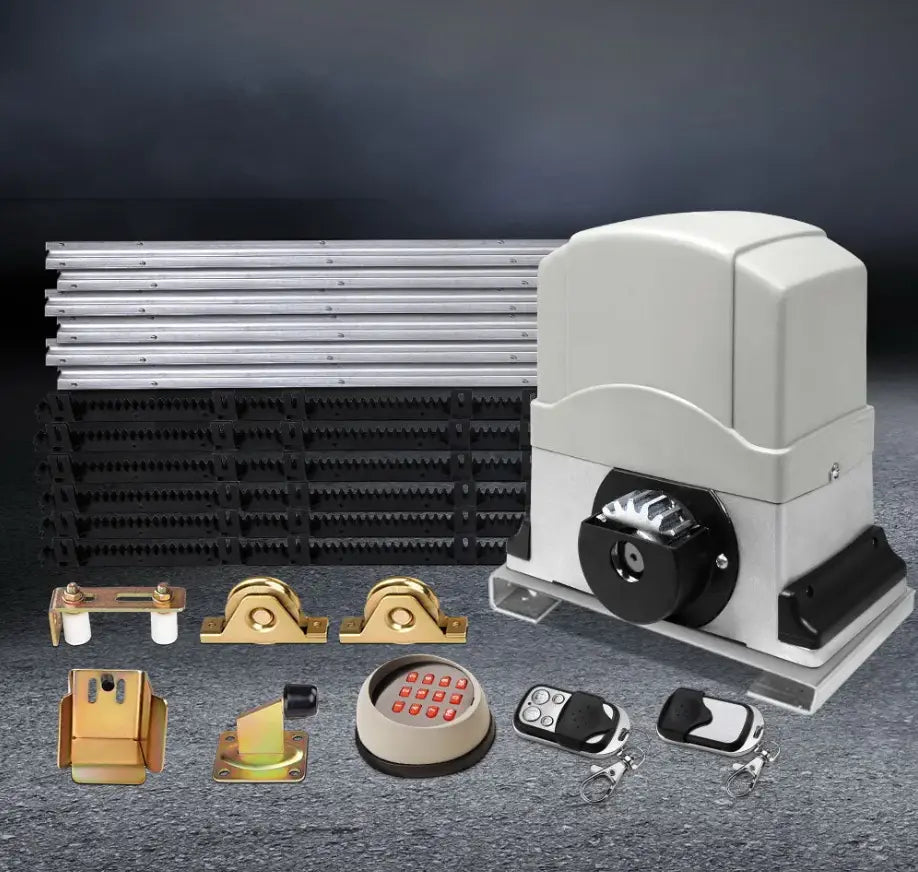
Which Gate Motor Is the Best for Sliding and Swing Gates?
Start with your gate style. That narrows things down straight away.
If you’ve got a sliding gate, the clear winner is a sliding gate motor with a rack-and-pinion system. The motor engages with the track and pulls the gate along like clockwork. Strong, compact, and reliable. If your driveway doesn’t have space for a swing, this is probably the best choice.
For swing gates, it gets a little trickier:
-
Articulated arm motors are chunky but practical if you’ve got big brick pillars.
-
Linear ram motors are slim and neat, so they don’t stick out like a sore thumb.
-
Underground motors are the fancy option. You don’t see them at all, just a clean gate swinging open. They cost more and installation is more complex, but the look is hard to beat.
And here’s the thing: the “best” motor is whichever one matches your setup. No installer worth their salt will recommend the same motor for a small timber swing gate and a 5-metre steel slider.
Which Motor Is Used in Gate Automation?
This is where people’s eyes usually glaze over, but stick with me. Gate motors generally fall into three camps.
-
AC motors. Big, tough, reliable. They’ve been around for ages and are great for heavy gates. But they use more power and make more noise.
-
DC motors. Quieter and smoother. Most modern residential gates use these. The bonus? Many come with battery backup, so when the power goes out, your gate still works.
-
Hydraulic motors. The beasts of the bunch. They don’t flinch at heavy loads or constant use. Perfect for factories, apartments, or anyone who needs the gate to open 50 times a day. Expensive, yes, but almost indestructible.
So when someone asks which motor is used in gate automation, the everyday answer is either AC or DC for homes, or hydraulic if you’re dealing with serious weight or traffic.
How Long Do Electric Gate Motors Last?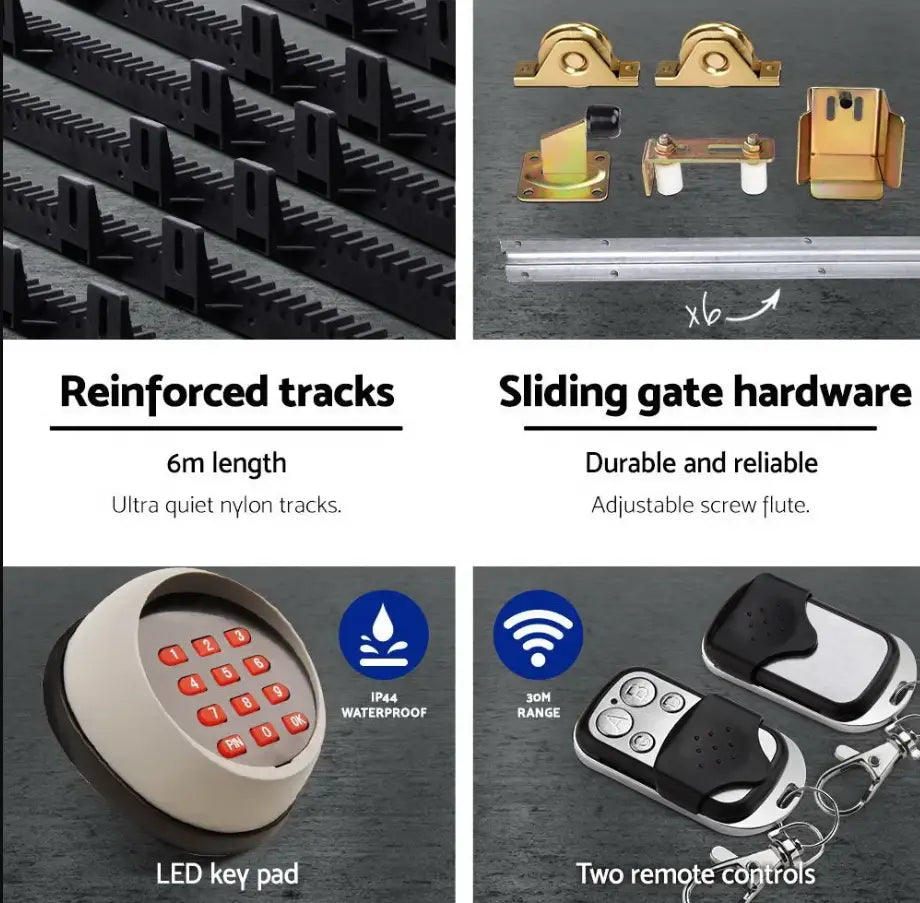
Here’s the part everyone really cares about. How long do electric gate motors last? After all, they’re not cheap.
If you buy decent quality and it’s installed properly, you’re looking at 10 to 15 years on average. But the reality depends on how you treat it.
-
If your gate opens twice a day, the motor’s hardly breaking a sweat.
-
If it’s a busy driveway, with cars coming and going all day, it’s going to wear out faster.
-
If the installer didn’t align it properly, the motor has to fight against drag, and that shortens its life.
-
If you never clean the track, leaves and dirt add strain.
I’ve seen motors die in 6 years because of poor care, and others keep running for nearly 20 years because the owners looked after them. It’s less about luck, more about maintenance.
Early Warning Signs Your Motor’s Struggling
Gate motors don’t usually just drop dead. They complain first. Look out for:
-
Slow movement. The gate takes longer to open than it used to.
-
Weird noises. Grinding, clicking, buzzing, none of that is normal.
-
Overheating. Touch the motor after one cycle. If it’s hot, that’s a bad sign.
-
Stopping halfway. Often a sign of strain or electrical faults.
-
Remote issues. Sometimes it’s the remote, but sometimes the motor’s receiver is failing.
Catch these early, and you might save the motor with a repair instead of a full replacement.
Choosing the Right Motor: Things I Wish I Knew.
If I could go back, here’s what I’d tell myself before buying:
-
Don’t undersize. Always buy a motor rated for more weight than your gate. Too small and it burns out.
-
Think about blackouts. DC motors with battery backup are worth it. You’ll thank yourself the first time the power goes out.
-
Pay attention to the climate. Live near the coast? Get something resistant to corrosion. Dusty area? Look for sealed electronics.
-
Check safety features. Auto-stop and obstacle detection aren’t just bells and whistles; they prevent accidents.
-
Ask about servicing. Some motors are easier (and cheaper) to maintain than others.
Which Gate Motor Is the Best in Australian Conditions?
Since I live in Australia, I’ll add this: conditions here matter.
-
Coastal homes: Salt air is brutal. A cheaper motor will rust out fast. Go for aluminium housings and sealed parts.
-
Busy suburbs: Most people here open their gates a dozen times a day. DC motors with backup are a sweet spot, quiet, reliable, and blackout-ready.
-
Rural driveways: Sliding gates often make more sense than swinging ones. Uneven ground, wind, and dust all play nicer with a sliding track.
So if you’re asking which gate motor is the best in Australia, the answer shifts depending on where you are.
How to Keep Your Motor Running Longer.
Motors don’t need daily love, but a little effort stretches their life:
-
Clear leaves and muck off the track every so often.
-
Lubricate hinges and gears when they start to squeak.
-
Watch how the gate moves. If it’s stiff or dragging, fix the alignment before the motor struggles.
-
Check seals and wires after big storms. Water and electronics are not friends.
-
Book an annual service. A pro can spot issues you won’t notice.
Do that, and your motor’s more likely to hit the 15-year mark (or beyond).
Wrapping It Up: Which Gate Motor Is the Best?
Let’s circle back.
-
Which gate motor is the best? Depends on your gate type. Sliding motors for sliders, articulated or linear for swings, and hydraulic if you’ve got a beast of a gate.
-
Which motor is used in gate automation? Homes usually run on AC or DC. DC is quieter and blackout-friendly, AC is tougher for heavy loads. Hydraulics for big jobs.
-
How long do electric gate motors last? Around 10–15 years, but only if you treat them right.
The real “best motor” isn’t the fanciest or the priciest. It’s the one that quietly does its job every single day, without you even noticing. And when you pull up in the rain, hit the button, and the gate slides open smoothly? That’s when you know you chose the right one.