
If you've ever rolled up to your driveway in Australia, clicked the remote, and waited and waited—only for the gate to sit there doing nothing—you'll know the sinking feeling. The motor, the little workhorse you've never really thought about, has suddenly decided to take a day off.
When it happened to me, I didn’t know where to start. I Googled how to repair an auto gate motor and found myself buried in technical terms and wiring diagrams that made my head spin. The truth is, you don’t always need to be a technician to sort out the problem. Sometimes it’s simple. Other times, you just need to know enough to figure out whether it’s a DIY fix or a “call someone” job.
Let’s talk about it the way I wish someone had explained it to me: plain, practical, and with a little common sense.

First Question: Is It Even the Motor?
Here’s the funny thing: a lot of “motor problems” aren’t the motor at all.
The first time my gate jammed, I was sure the motor was finished. I opened the box, stared at the wires, and felt completely lost. Then a neighbour wandered over, took one look, and pointed at the track. A small branch had fallen right into the path. The motor had stopped because it was supposed to; it was protecting itself.
Lesson learned: before blaming the motor, check the obvious. Look at the track to see if it slides. Swing gates? Check the hinges and posts. If the gate can’t move freely by hand, the motor doesn’t stand a chance.
How to Repair an Auto Gate Motor That Refuses to Start.
Let’s say you press the button and nothing happens. No hum. No click. Dead quiet.
Start with the easy stuff:
-
Is the power on? Breaker tripped? Switch off?
-
Remote batteries. (Yes, it’s embarrassing when that’s the problem, but it happens to everyone.)
-
If your motor has a manual release, unlock it and try moving the gate by hand. If it’s stiff, the issue might be the gate, not the motor.
If all that checks out and the motor box still sits silent, you may be looking at a fried control board. At that point, most people stop DIYing and call for help. And honestly? That’s the smart move.
How to Repair an Auto Gate Motor That’s Slowing Down.
Sometimes the motor works, but it feels tired. The gate drags open like it’s walking through mud.
-
For sliding gates, dirt in the track is usually to blame. I once found a dead snail wedged in mine (not joking). Clean it out and see if things improve.
-
For swing gates, rusty hinges are the usual suspect. A little silicone spray works wonders.
-
Alignment matters too. If the gate is leaning, the motor is basically fighting against gravity.
If you’ve checked all that and it’s still slow, the gears or the capacitor inside the motor might be wearing out. Luckily, those can often be replaced without swapping the whole motor.
How to Repair an Auto Gate Motor That’s Making Weird Noises.
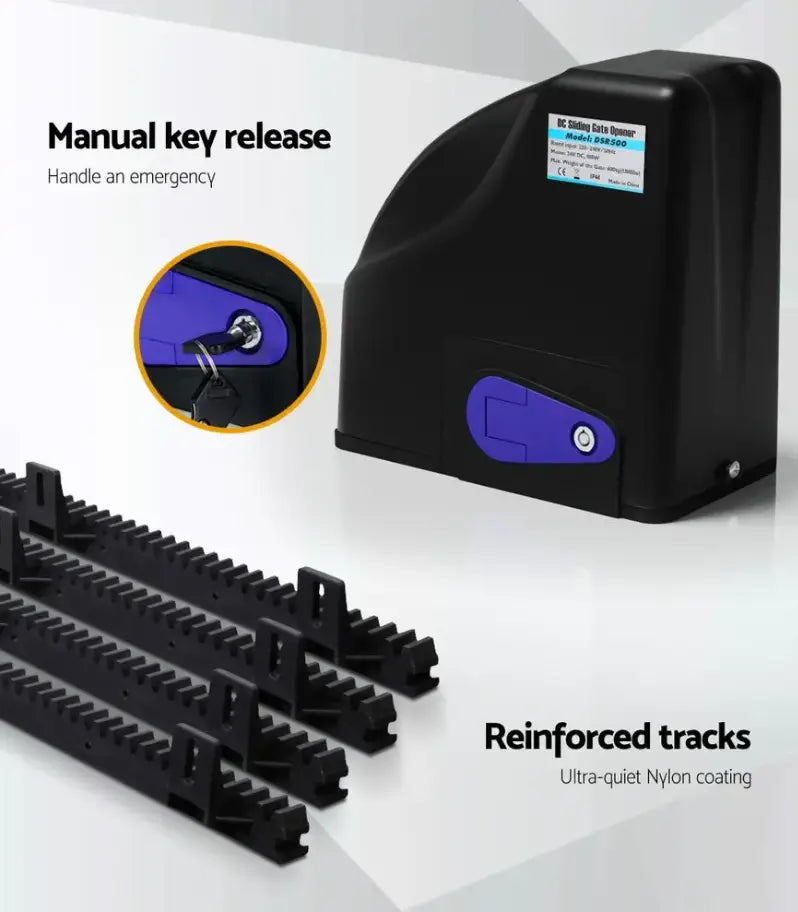
Motors aren’t meant to sound like they’re chewing gravel.
-
Grinding = gears crying for grease (or replacement).
-
Buzzing but no movement = capacitor probably blown.
-
Clicking = relay fault in the control board.
If it’s just dry gears, a dab of grease fixes it. If the noises keep up, stop there. Poking around in electrical parts without the right know-how is asking for trouble.
When the Gate Starts but Won’t Finish.
This one’s maddening. The gate moves, then freezes halfway.
More often than not, it’s not “broken”, it’s safety systems doing their job. Sensors think there’s an obstacle, so the motor cuts out. Sometimes it’s just dirt on the sensor or a spider web tricking it.
Another common culprit: limit switches. These tell the gate where to stop. If one’s loose, the motor thinks it’s at the end when it’s only halfway. A quick adjustment can set it right.
Remote Issues Disguised as Motor Problems.
A lot of people (myself included) have mistaken a dodgy remote for a dead motor. If the gate works from a wall switch but not the remote, the motor is fine.
Try reprogramming the remote. If that doesn’t work, check the antenna wire inside the housing; if it’s loose, the signal won’t reach. Worst case, remotes are cheap to replace.
Simple Fixes Worth Trying Before You Panic.
If you’re not keen on dismantling things, stick to these low-risk checks:
-
Clear the track or hinges.
-
Oil moving parts with silicone spray.
-
Tighten loose bolts.
-
Replace fuses or remote batteries.
-
Use the reset button if your motor has one.
Honestly, these cover more issues than you’d expect.
When to Stop Playing Electrician.
There’s a point where DIY crosses into dangerous. If you smell burning, see melted wires, or notice scorch marks on the board, step away. Same if the motor overheats after one open-close cycle, or if the gate slams instead of gliding.
That’s when you call in a technician. And no, it doesn’t mean you failed; it means you were smart enough not to make it worse.
How to Repair Auto Gate Motor Problems Before They Happen.
Prevention sounds boring, but it’s the best “repair” you’ll ever do.
-
Every couple of weeks, give the gate a once-over. Clear dirt, sweep tracks, wipe sensors.
-
Spray hinges and moving parts with silicone lube now and then.
-
After a storm, check the housing for water.
-
If you live near the coast, rinse salt spray off the metal.
-
Once a year, get a technician to give it a proper check.
These little habits stretch a motor’s life from “just a few years” to well over a decade.
How Long Do These Motors Last Anyway?
Good question. Most auto gate motors last 10–15 years, sometimes longer. The big factors are usage, gate weight, and maintenance.
If you’ve got a heavy gate that opens 20 times a day, don’t expect 20 years out of the motor. But if it’s a light gate, well-installed, with regular care? You might be surprised how long it keeps going.
Wrapping It Up.
So, how to repair auto gate motor problems without losing your patience? Start with the basics. Power, batteries, obstructions. Clean and lubricate. Listen for noises. Watch how the gate behaves.
Most of the time, the fix is simple. And when it isn’t, you’ll at least know what you’re dealing with before you call for help.
Automatic gates are meant to make life easier. With a little common sense and a few preventive habits, yours can keep gliding smoothly for years. And the next time it doesn’t? You won’t panic. You’ll know exactly where to start.