
When I first got into bird keeping, I honestly thought you could just put a couple of birds together and they’d be fine. You see all those bird cages in pet shops packed with budgies or finches, and you think, “Oh, they must like that.” But here’s the thing: pet shops aren’t permanent homes, and what works in a store doesn’t work long-term at home. That’s something I had to learn the hard way.
I started with two budgies. I bought what looked like a decent cage, medium-sized, lots of vertical space, a swing, and a few perches. Within a week, I noticed they weren’t using the cage the way I expected. They argued over the one “good” perch; they flapped but had no room to really stretch, and one bird kept bossing the other around at the food dish. That’s when it clicked: the question isn’t just how many birds can you fit in a cage, it’s how many can actually live happily inside it.
It’s Not Just About Numbers
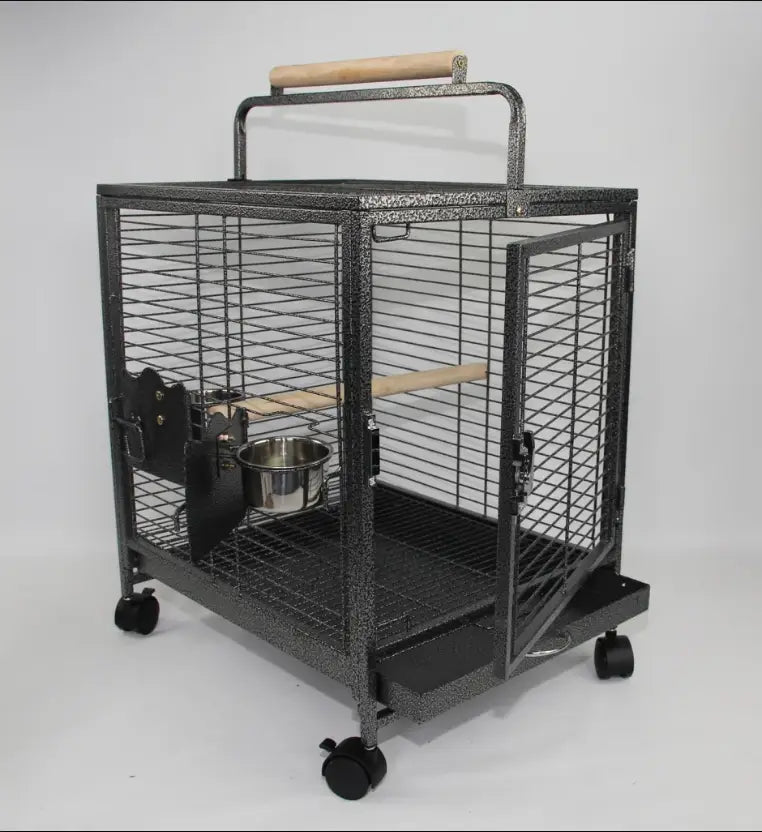
People love a neat answer, like “two per cage” or “four per cage.” But it really depends. The cage itself decides the number, not your wish list. Birds need space to fly, not just hop. They need more than one perch and more than one feeding spot. If those basics aren’t there, even two birds in a cage can feel overcrowded.
Budgies as an Example
Budgies are small, sure, but they’re active little rockets. For two budgies, you want at least thirty inches across. That’s the number people throw around, and it’s a fair starting point. But let me tell you, when I upgraded to a thirty-six-inch cage, the change was obvious. Suddenly, they could chase each other a little, flap more, and they bickered a lot less. So yes, you can keep two in a thirty-inch cage, but if you’ve got the space in your house, bigger is always better. Three or four budgies? Then you’re in aviary territory, because cramming them into a small box just leads to fights and stressed-out birds.
Cockatiels, the Bird Cage, and the Roommate Effect
Cockatiels are another good example for Australian bird owners. They're more chilled than budgies, but they're also larger. One cockatiel can live in something twenty-four inches wide if that's all you've got, but I wouldn't put two in anything smaller than three feet across. I've seen people try to keep three or more cockatiels in one cage across Australia, and sometimes it works if the personalities click, but most of the time there's one bully who hogs the best spot. Unless you're setting up a really big aviary, two per cage is usually the sweet spot.
Lovebirds, the Name That Misleads
Then there are lovebirds. The name makes them sound gentle, but they can be fiery. A bonded pair will be fine in a decent-sized cage, something over thirty inches wide. More than two? That’s asking for trouble unless you’ve got a huge enclosure and a lot of patience. I once tried adding a third lovebird to a pair, and it was chaos. Constant chasing, constant squabbles. I ended up separating them, and the peace returned immediately.
Finches and Canaries, the Exception
Finches and canaries are a little different. They’re not like parrots that chew and climb; they’re more about flitting back and forth. They love living in groups, but the key is giving them length. A cage that’s long and wide, not tall, is what they need. Two finches can do okay in thirty inches, but the more pairs you add, the longer the cage should be. I follow the “eighteen inches per pair” rule. So if you want three pairs, aim for at least four feet across. They don’t argue as much as parrots, but crowd them too much and they’ll start looking scruffy and unhappy.
How to Spot When It’s Too Many
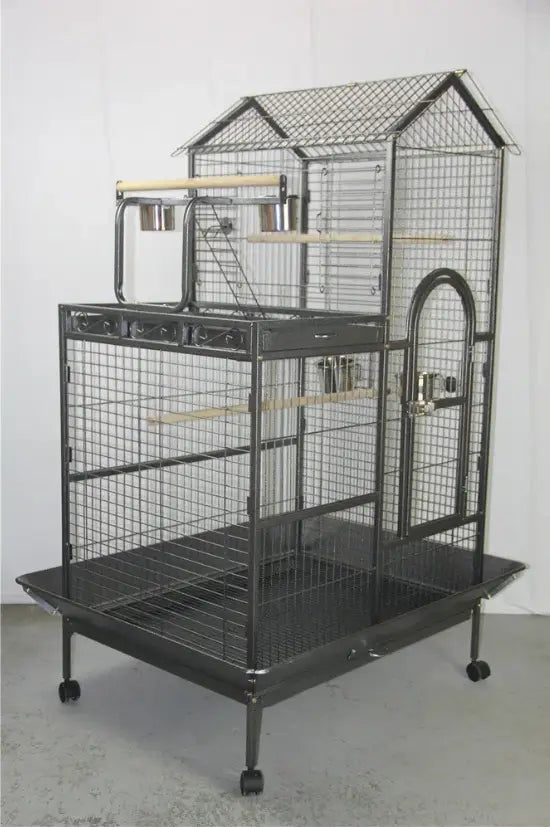
The best teacher is your birds. If you see chasing that never stops, one bird guarding the food or water, or nervous behaviours like pacing and feather pulling, that’s your sign that the cage is overcrowded. Birds shouldn’t look like they’re queuing for food or jostling for elbow room on a perch. They should each have a place where they feel secure.
I once kept three budgies in a cage I thought was big enough, but one of them turned into the “boss.” He guarded the seed dish like it was his personal treasure chest. The other two had to sneak bites when he wasn’t looking. It broke my heart to watch, and I fixed it by upgrading to a larger cage with two dishes. Problem solved almost overnight.
The Golden Rule
Honestly, the golden rule is simple: get the biggest cage you can manage. You’ll never regret buying bigger. I’ve yet to meet a bird owner who said, “I wish I’d gone smaller.” Bigger cages mean less stress, healthier feathers, and birds that actually sing and play. Small cages mean stress, noise, and sometimes even health issues.
Why I Stick With HomeMyGarden
After going through all the trial and error, I stick with HomeMyGarden now. Their cages aren’t “decorations,” they’re designed for actual bird living. The bar spacing is safe, the sizes are realistic for budgies, cockatiels, and similar species, and they’re sturdy enough to last. Cleaning is easier, too, which is something you don’t think about until you’re scrubbing trays every other day.
What I love most is the peace of mind. I don’t waste time wondering, “Is this cage too small? Is the spacing right?” It’s already been thought through. For me, that makes all the difference.
Wrapping It Up
So, how many birds per bird cage? There isn’t a single number that works for everyone. Budgies usually do best in pairs, cockatiels in pairs, lovebirds almost always as a bonded duo, while finches and canaries can be kept in small flocks if the cage is long enough.
The honest answer is this: don’t count birds first, measure space first. Give them as much room as possible, always add extra food and water bowls, and observe their behaviour. If they look crowded, they probably are.
At the end of the day, their bird cage is their whole world. Make it big, make it safe, and you’ll have happy birds who’ll keep you company with chirps, songs, and whistles for years. And if you want a place where you don’t have to second-guess cage choices, take a look at HomeMyGarden. That’s where I go when I want bird cages that actually work for my birds.