

Pop-up gazebos have become one of those backyard essentials that everyone in Australia seems to want. Whether it’s for a weekend barbecue, a camping trip, or a market stall, they’re the kind of thing you never realise you need until the day you’re squinting into the sun, wishing you had shade.
But here’s the tricky part: there are so many brands and types out there that it’s hard to know who makes the best pop-up gazebo, and even harder to figure out where to buy one that actually lasts. Some collapse in the first gust of wind, while others stick around for years. So how do you separate the good from the bad?
Let’s break it down.
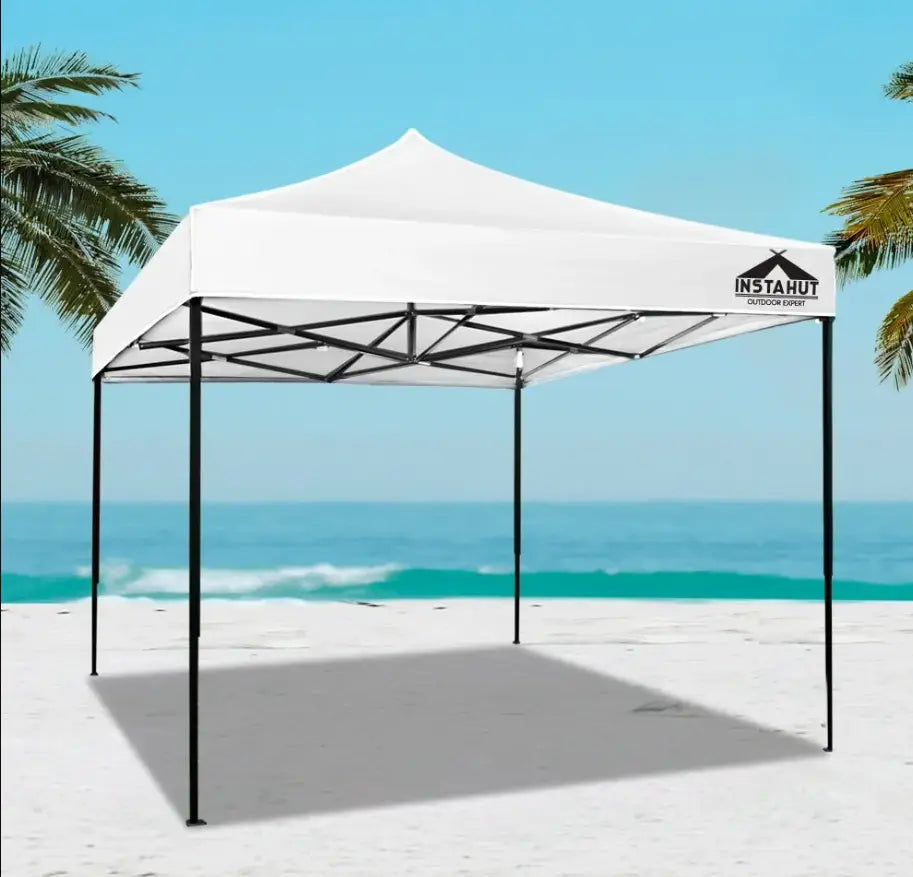
Who Makes the Best Pop-Up Gazebo?
The answer isn’t one single brand; it depends on what you’re using it for. The best gazebo for a casual camper isn’t the same as the best one for a wedding planner or a market stallholder. That said, there are a few things that always matter when judging quality:
1. Frame Strength.
The frame is the backbone of your gazebo. The best models use powder-coated steel or reinforced aluminium. Lightweight aluminium is great for camping because it’s easy to carry, while steel is sturdier for frequent use.
2. Canopy Quality
Cheap gazebos use thin polyester that fades and leaks. The better ones use 300D–600D polyester with a waterproof PVC coating. They’re also UV-resistant, which means they won’t crack in the sun after one summer.
3. Joints and Connectors
This is where a lot of budget gazebos fail. Plastic joints eventually snap, while metal connectors hold up. If you’re asking who makes the best pop-up gazebo, look for brands that don’t cut corners here.
4. Easy Setup
The whole point of a pop-up gazebo is that it should be quick and simple to set up. Good brands design their frames with scissor-style mechanisms that expand smoothly and lock into place without wrestling.
5. Customer Support and Warranty.
Even the best gear has the occasional issue. The top gazebo makers back their products with decent warranties and spare parts availability. If you can’t replace a broken leg or canopy, the gazebo becomes disposable, which isn’t great value.
So, who makes the best pop-up gazebo? It’s usually the brands that invest in stronger materials, smarter design, and after-sales service, rather than those chasing the lowest price tag.
Where Can I Buy a Pop-Up Gazebo?
Now that you know what to look for, the next question is obvious: where can I buy a pop-up gazebo?
The good news is, you don’t have to look far. Here are the main options:
1. Specialty Outdoor Stores
Shops that focus on camping, outdoor living, or garden gear often carry high-quality gazebos. The advantage is that you can see the product before buying, test the frame, and ask staff about differences.
2. Online Retailers
Buying online is convenient and often cheaper. Many reputable stores offer detailed specs, customer reviews, and delivery to your door. A store like HomeMyGarden (homemygarden.com.au) is a great example; they stock outdoor products, including gazebos, and you can browse by size, style, or budget without leaving home.
3. Event Hire and Commercial Suppliers
If you’re planning to use a gazebo for regular markets or events, it may be worth checking commercial suppliers. Their models are heavy-duty and built to last.
4. Big-Box Stores
Large chain stores sell affordable gazebos that suit occasional backyard use. Just be cautious: they often trade durability for a lower price.
How to Choose the Right Pop-Up Gazebo for You.
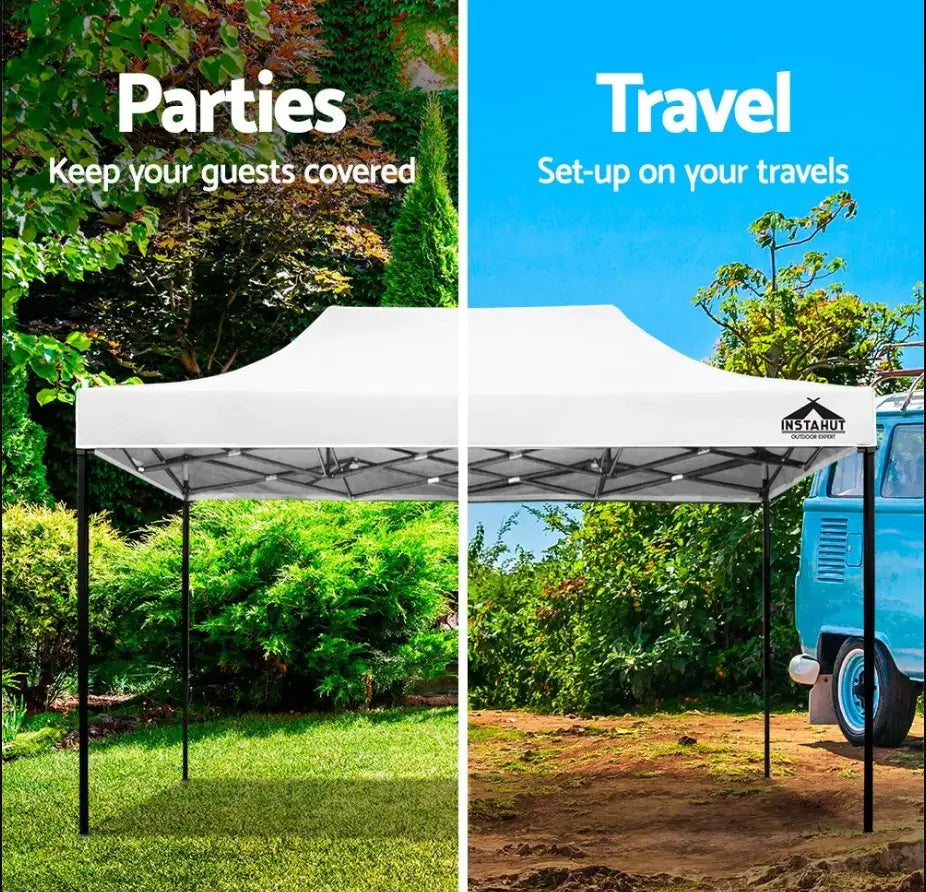
Even once you know where to buy one, the choices can still feel overwhelming. Here’s how to narrow it down:
-
For casual use: If you only need shade a few times a year, a budget model will do.
-
For camping: Look for lightweight aluminium frames that pack down easily.
-
For markets or weddings: Go for heavy-duty steel or reinforced aluminium with a thick canopy.
-
For large gatherings: Choose a bigger size like 3x6m or 4x8m.
Think about how often you’ll use it, where you’ll set it up, and how many people need shade. That’ll tell you whether to buy a standard gazebo or invest in a heavier model.
Price vs Quality: Striking the Balance
People often ask, “Should I just buy the cheapest one first and upgrade later?” Honestly, it depends on your patience. A $99 gazebo from a discount store might last a season or two if you’re lucky, but it’s unlikely to survive regular use.
On the other hand, spending a bit more upfront on a heavy-duty model often means you’ll still be using it five years later. The best pop-up gazebos are the ones that don’t force you to keep replacing them every summer.
Caring for Your Gazebo.
No matter who makes it, or where you buy it, how you look after your gazebo plays a huge role in its lifespan.
-
Clean the canopy: Mild soap and water prevent stains and mould.
-
Dry before storage: Packing away while wet leads to mildew.
-
Anchor properly: Use pegs, ropes, or sandbags to stop wind damage.
-
Store indoors: A garage or shed keeps the frame safe from rust.
With a little care, even a white canopy will look fresh season after season.
Final Thoughts: Who Makes the Best Pop-Up Gazebo and Where Can I Buy One?
So, who makes the best pop-up gazebo? It’s the brands that don’t skimp on materials, design, and support. They give you sturdy frames, strong canopies, and the peace of mind that if something breaks, you can fix it.
And where can you buy a pop-up gazebo? Outdoor stores and online retailers like HomeMyGarden are excellent starting points. They let you compare models, check specifications, and order the right size for your needs without guesswork.
At the end of the day, the “best” gazebo is the one that suits your lifestyle. For some, it’s a lightweight canopy for the odd camping trip. For others, it’s a heavy-duty shelter that sets up at every weekend market. Whatever your needs, there’s a gazebo that fits; you just have to match the features to how you’ll actually use it.