
When I first bought an outdoor lounge set, I didn’t think twice about the weather. After all, it’s outdoor furniture, right? Surely it can handle a bit of rain. Fast forward a few weeks, and after the first summer storm, I found myself nervously poking the soggy cushions, wondering if they were ruined for good.
If you've ever had the same thought—"Can outdoor lounges get wet, or do I need to baby them like indoor furniture?"—then this guide is for you. The short answer is yes, they can get wet, but how well they cope depends on the materials, the design, and how much care you're willing to give them. Let's dive into what Australian homeowners need to know.
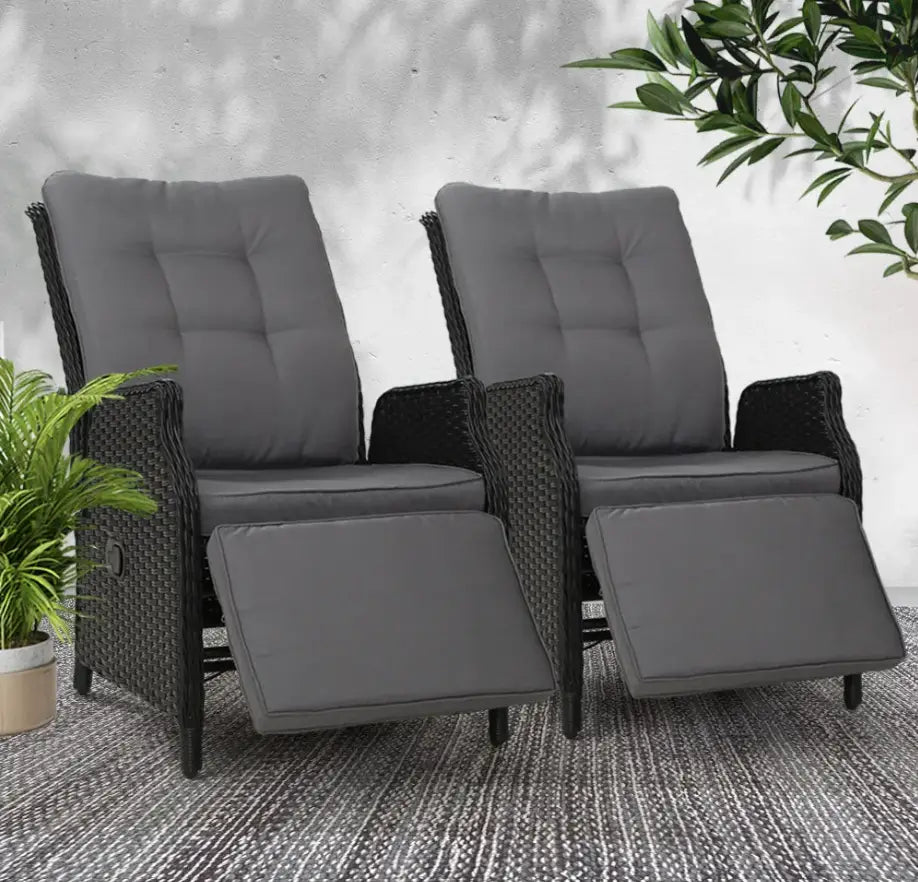
Outdoor Lounges Are Built for the Outdoors… But Not Invincible.
The label “outdoor” sometimes misleads people. It doesn’t mean the furniture is immune to water damage; it just means it’s made with materials that hold up better against the elements than, say, your indoor sofa.
Most outdoor lounges in Australia are made from:
-
Frames: Aluminium, powder-coated steel, or treated hardwood.
-
Seating: Woven synthetic wicker or slatted timber.
-
Cushions: Fabrics like polyester, Olefin, or solution-dyed acrylic are designed to resist UV rays and moisture.
The good news: the frames usually manage fine. The tricky part? Cushions and fabrics.
So, Can Outdoor Lounges Get Wet?
Yes, they can handle some rain. A quick shower or light drizzle usually isn’t a problem. Quality outdoor cushions are often treated to repel water, and frames won’t rust instantly.
But here’s the catch: leaving them soaked repeatedly is what causes issues. Rainwater plus humidity equals mildew, and prolonged exposure can lead to:
-
Mould growth on cushions.
-
Stains and fading on fabric.
-
Rust on bolts or joints if the protective coating wears away.
-
Warping in timber if it’s untreated or poorly maintained.
In other words, the occasional shower is fine. Weeks of downpours with no protection? Not so much.
Cushions: The Weak Link
Let’s be honest: nobody wants to flop down on a cushion that feels like a wet sponge. And while outdoor cushions are more resistant than indoor ones, not all are equal.
-
Quick-dry foam: This is the gold standard. It’s designed with open cells that let water drain quickly instead of trapping it inside.
-
Standard foam: Think of it like a kitchen sponge. Once soaked, it takes forever to dry and often smells musty.
-
Fabric covers: Solution-dyed acrylics (like Sunbrella) and Olefin fabrics are best at resisting water and UV damage. Cheaper polyester fabrics may look good for a season but fade or sag quickly.
So yes, cushions can get wet, but the real question is whether they can dry properly afterwards.
Frames in the Rain: Metal vs Timber
While cushions get all the attention, the frame deserves some thought too.
-
Aluminium: Lightweight and rust-proof. Ideal if you live near the coast.
-
Powder-coated steel: Strong and affordable, but if the coating chips, rust can creep in.
-
Treated timber: Gorgeous and natural-looking. Needs regular oiling or sealing, otherwise it’ll crack or fade.
The frame usually survives rain well, but its longevity depends on whether you maintain it.
Should You Leave Outdoor Lounges in the Rain?
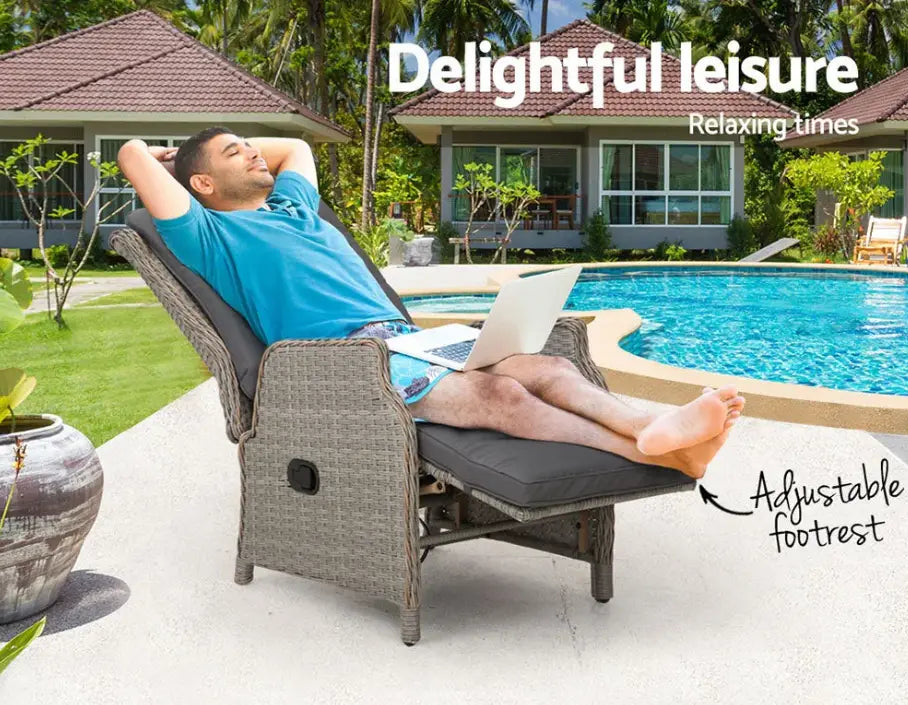
Technically, yes. They’re made to be outside. But if you want your lounge to look and feel great for years, leaving it uncovered in constant rain isn’t the smartest move.
Think of it like your car. It’s built to handle the weather, but you still park it in the garage when you can. Same idea here.
Best Practices: If Your Outdoor Lounge Gets Wet
Sometimes, the weather catches us off guard. If your lounge does get soaked, here’s what you can do to save it:
-
Remove cushions immediately. Don’t let water sit in them.
-
Shake out excess moisture. A quick shake helps stop pooling.
-
Stand cushions upright. Lean them so air flows around all sides.
-
Sun-dry thoroughly. A warm, breezy day is your best friend.
-
Wipe down frames. Metal frames can develop water spots, and timber benefits from being dried quickly.
The key is airflow and sunlight. Leaving cushions flat or stacked is what causes that dreaded damp smell.
Long-Term Exposure: The Winter Question
What about when you’re not using the lounge for weeks or months? Can you just leave it outside all winter?
Here’s the blunt truth: you can, but it’ll wear out faster. Constant soaking and drying cycles are tough on fabric and foam. Even the best materials will eventually give in.
The smarter approach is to:
-
Invest in a furniture cover that fits snugly but allows some breathability.
-
Store cushions in a deck box or shed during wet seasons.
-
Oil or seal timber frames before winter to lock out moisture.
These simple steps easily double the lifespan of your furniture.
Outdoor Recliners and Lounges: Same Rules Apply
If you’ve got outdoor recliner lounge chairs in Australia, the same advice applies. Recliners with mesh seats usually dry faster, while cushioned recliners need more care. Models with built-in footrests are brilliant for comfort, but remember to keep them covered, too.
So, while they can handle some rain, they’ll look newer for longer if you give them protection.
Tips for Making Outdoor Lounges More Weather-Resistant.
You don’t have to spend a fortune to keep your furniture in good shape. A few small habits make a big difference:
-
Use fabric protector sprays on cushions to add extra water resistance.
-
Rotate cushions so the same side isn’t always exposed.
-
Cover frames with a tarp or fitted cover before heavy rain.
-
Lift furniture slightly off the ground to prevent water pooling underneath.
These little tweaks can save you from buying new lounges every couple of years.
So, Can Outdoor Lounges Get Wet? The Final Answer:
Yes, they can; that’s what they’re designed for. A shower here and there won’t do serious harm, especially if your furniture is made from quality materials. But water plus time is the enemy. Let cushions sit damp too long, or leave timber untreated, and you’ll see problems.
The best approach? Treat outdoor lounges like an investment. Protect them with covers, store cushions when you can, and give frames a bit of seasonal care.
That way, instead of worrying every time clouds roll in, you’ll sit back with a coffee after the storm and enjoy your furniture looking as good as the day you bought it.