
If you’ve ever cooked on an induction hob, you’ll know how sleek and almost futuristic they feel. Water boils in record time, the glass top wipes clean with a cloth, and you never worry about open flames. But all that joy disappears the moment your favourite pan suddenly refuses to heat up. You place it on the hob, wait for the familiar hum or glow… and nothing.
It can feel like the hob's broken or the pan betrayed you in your Australian kitchen. The truth, though, is usually much simpler. If your pan stopped working on an induction hob, it's almost always due to compatibility issues, wear, or a minor technical problem. Let's unpack why it happens and what you can do to fix it.
The Most Common Reasons Pans Fail
1. The Pan Was Never Truly Compatible
Some pans sneak by for a while, but they were never a good match. Thin stainless steel, pure aluminium, copper, or glass won’t cut it unless they’ve been made with a magnetic base. Sometimes the connection is weak, so it works inconsistently until one day it doesn’t.
The fridge magnet test is your best friend here: stick a magnet to the bottom. If it holds firm, the pan is induction-ready. If it slides off, the hob won’t heat it.
2. A Warped or Uneven Base
Induction hobs like close, flat contact. If the bottom of your pan has warped, maybe from years of heating, or because it was thin to begin with, the hob may not “see” it anymore. Even a slight wobble can throw things off.
You can spot this easily: place the pan on a flat counter and press on the edges. If it rocks or spins, the base isn’t flat enough.
3. Build-Up on the Bottom
Over time, cooking leaves marks: burnt oil, food residue, and even the remnants of harsh cleaning sprays. A thick enough layer can block the connection between the hob and the pan.
A good scrub with warm, soapy water and a soft sponge often solves the problem. Avoid steel wool or harsh chemicals; you want to clean the base, not destroy it.
4. Pan Too Small for the Zone
Induction hobs are picky about size. If the base of the pan doesn’t cover enough of the cooking zone, the hob might act like nothing’s there. This happens a lot with tiny milk pans or moka pots.
Most hobs need the pan to cover about 70% of the circle to activate. Anything smaller just won’t register.
5. Cheap Induction Plates Wearing Out
Many budget pans are advertised as “induction-ready,” but they only work because a thin magnetic plate is attached to the base. Over time, those plates can weaken, peel, or separate slightly from the pan. Once that happens, the cookware stops working, and there’s no real fix except replacing it.
6. The Hob Playing Tricks
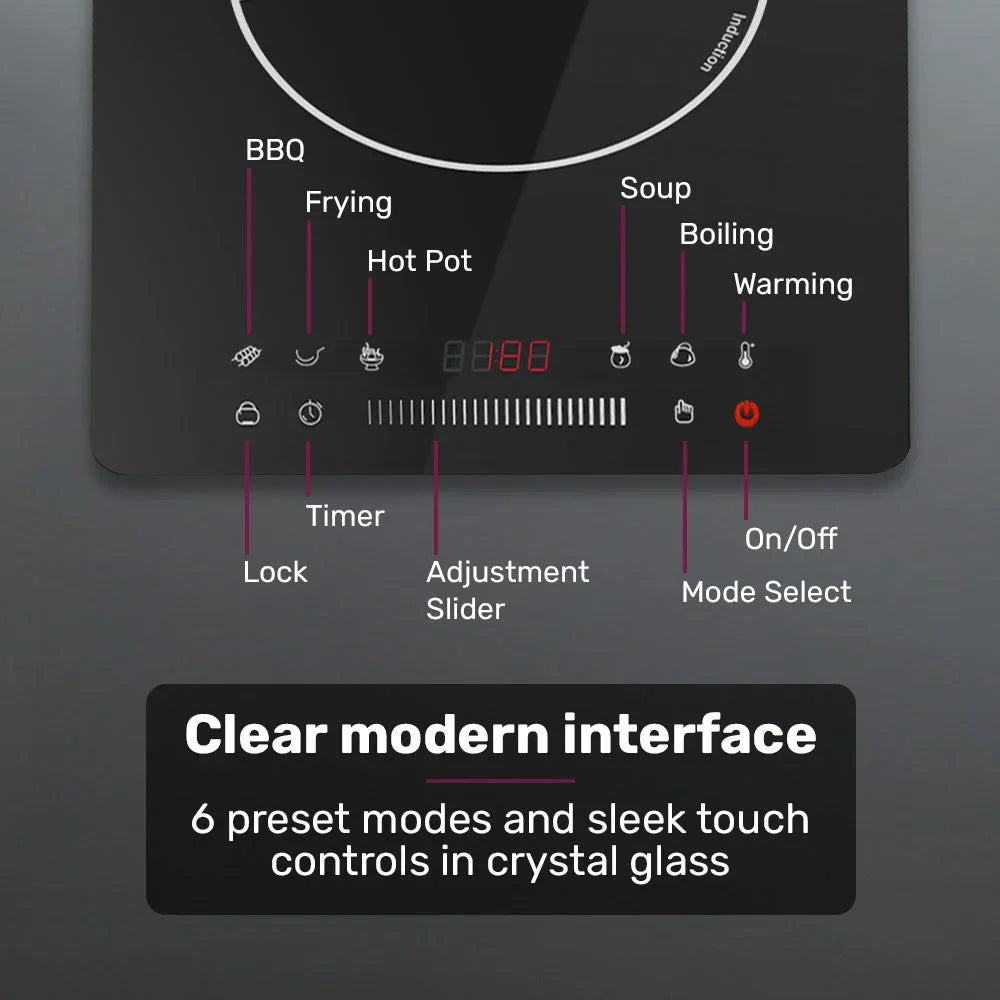
Not every failure is the pan’s fault. Induction hobs can be fussy. Maybe the safety lock is on, maybe liquid spilled and triggered a sensor, or maybe the pan wasn’t placed right in the centre.
Check the error codes in the manual before giving up. Sometimes the “faulty pan” is just a miscommunication with the hob.
A Quick Reminder of How an Induction Hob Works
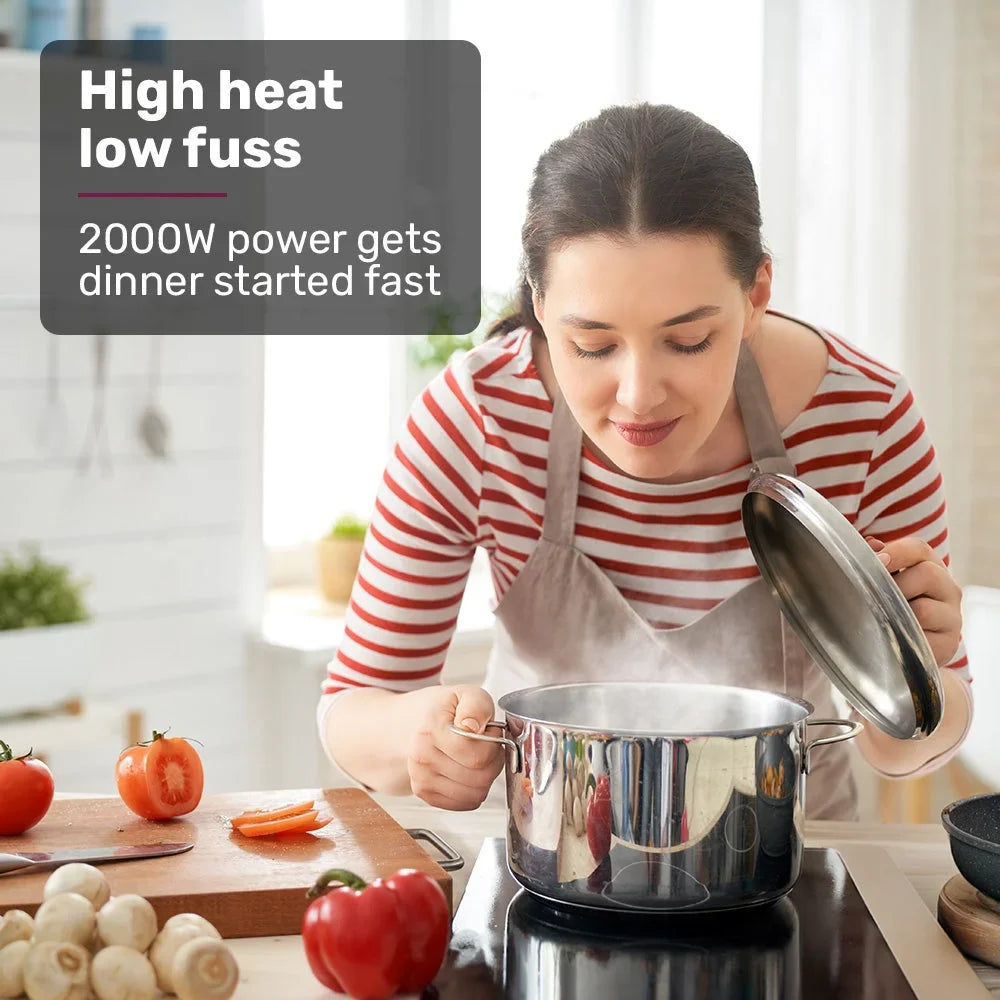
Induction hobs don’t heat the surface like gas or electric cooktops. Instead, they use magnetic energy to heat the pan directly. The pan becomes the heat source. Clever, right? But that also means the cookware itself has to “cooperate.”
If a pan isn’t magnetic, the hob simply won’t recognise it. It’s like putting a plastic bowl on the burner; nothing happens. This is why some pans work beautifully at first and then suddenly seem to give up.
What to Try Before Replacing Anything
-
Test the base with a magnet.
-
Clean the bottom properly.
-
Try the pan on another cooking zone.
-
Place it carefully in the centre of the circle.
-
Check the hob settings, and make sure the child lock isn’t on.
-
Borrow another pan you know works on induction to compare.
If another pan works fine but yours doesn’t, you’ve found your culprit.
When It’s Time to Say Goodbye
If the pan fails the magnet test, has poorly warped, or the induction plate has worn out, it’s not worth the struggle. Replacement is the only option.
The good news? Induction-ready pans are now everywhere. You don’t need to splash out on designer sets. Many mid-range stainless steel or cast iron options will last for years, and they often work across gas and electric stoves, too.
Choosing New Cookware Without Regret
When you go shopping, keep it simple:
-
Look for the induction coil symbol , the wavy loop you’ll see on the packaging.
-
Pick solid bases , avoid flimsy pans that warp quickly.
-
Start small, replace the everyday frying pan or saucepan first.
-
Think long-term, one good pan is worth more than a whole cheap set that won’t last.
If you cook a variety of meals, a mix is best: stainless steel for everyday, cast iron for searing and slow dishes, maybe a carbon steel wok for fast frying.
Why It’s Worth Sorting Out
Yes, dealing with a pan that suddenly stops working is frustrating. But once you have reliable cookware, induction really shines. It’s quick, clean, and energy-efficient. Spills don’t burn to the surface, the heat control is instant, and the whole kitchen feels safer without open flames.
So don’t give up on induction because of one stubborn pan. See it as a reminder to choose tools that match the technology. Once you’ve got the right pans, you’ll wonder how you ever cooked without them.
The HomeMyGarden Perspective
At HomeMyGarden, we’ve seen how common this problem is. People buy a cooktop, discover their old pans don’t all work, and suddenly feel stuck. Our advice is always the same: check your cookware first, replace only what’s necessary, and invest in pieces that work across all cooktops. That way, you’re never trapped.
Our range of induction-ready cookware is designed for real kitchens, sturdy, stylish, and built to last, because cooking should feel enjoyable, not like a guessing game.
Final Thoughts
If your pan stopped working on an induction hob, it’s not the end of the world. Most of the time, it’s compatibility, size, or a worn-out base, not the hob itself. Do the magnet test, check for warping, and clean the base. If all else fails, replace the pan with a reliable induction-ready option.
The bottom line? Pans don’t last forever, but induction cooking is here to stay. With the right cookware, you’ll enjoy all the benefits, speed, precision, and peace of mind, without the drama of a stubborn pan.