

Induction cooktops have become one of those modern kitchen upgrades that everyone seems curious about. They look sleek, they’re safer than gas, and people rave about how fast they boil water. But the first thing most people ask is the same: what pans do I need for induction?
That’s a fair question. Nobody wants to buy a shiny new cooktop only to discover half their pots don’t work on it. So let’s walk through what really matters, without overcomplicating it.
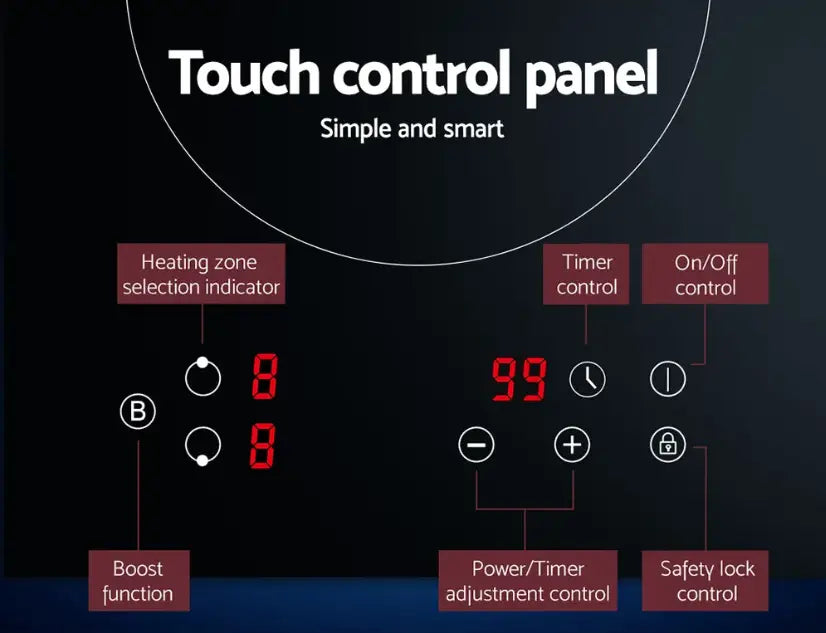
How Induction Is Different
Here’s the quick science: gas and electric stoves heat from the outside. The flame or coil gets hot, then passes that heat to your pan. Induction flips the process. Instead of heating the burner, it uses a magnetic field to heat the pan itself.
Sounds high-tech, right? But the result is pretty simple: your glass cooktop stays cool while your pan gets blazing hot. The catch? If the pan isn’t magnetic, the hob won’t respond. You’ll be left with cold food and a puzzled look.
Do You Need “Special” Pans?
Yes… But don’t let the word “special” scare you. You don’t need designer cookware that costs a fortune. All you need is a pan with a magnetic base. That’s it.
Here’s the easiest test: grab a fridge magnet. Press it to the bottom of your pan. If it sticks firmly, you’re in business. If it slides off, that pan won’t work.
Plenty of people discover they already own a few induction-friendly pieces without realising it. Cast iron, for example, is naturally magnetic. Many stainless steel pans work too, though not all. Aluminium or copper on their own won’t heat up, unless they’ve been built with an induction plate at the base.
So, What Pans Actually Work Well?
Let’s talk about the good options.
-
Stainless steel is a safe bet for everyday cooking. It’s durable and cleans easily, though make sure you choose one that’s labelled induction-ready. Not all stainless steel reacts to magnets.
-
Cast iron is a star on induction. It heats slowly but holds temperature beautifully, which is why it’s loved for steaks and stews. Just be gentle on the glass; dragging heavy pots can leave scratches.
-
Enamelled cast iron gives you the same benefits but with a smooth finish. Think Dutch ovens in bright colours.
-
Carbon steel is like cast iron’s lighter cousin. It’s fantastic for frying pans and woks because it heats and cools quickly.
-
Layered pans (often stainless on the outside with aluminium or copper inside) give the best of both worlds: even heating with a strong magnetic base.
So, when people ask what pans are for induction cooking? The answer isn’t one brand or model. It’s any cookware that’s magnetic , but for best results, stainless, cast iron, and carbon steel top the list.
Are Induction Pans Really Different?
Not really. They’re not some alien cookware category. They’re just regular pans with a base designed to react to magnetic energy. In the store, you’ll often see the coil symbol on the label; that’s the sign it’s induction-ready.
So, yes, there’s a difference in the base. But once you’re cooking? They feel and perform just like “normal” pans.
Can You Use Induction Cookware on Gas?
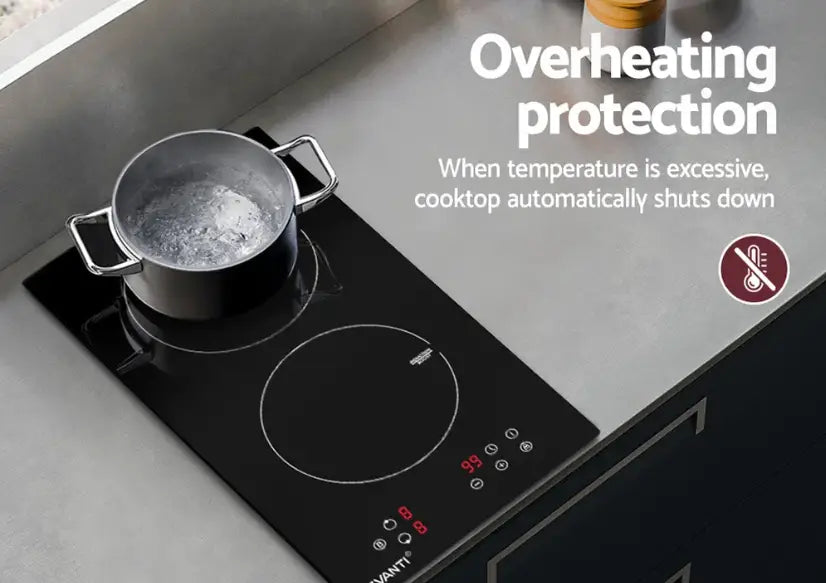
This is where a lot of people worry they’ll get stuck. If you buy induction pans, will they only work on induction? The good news: no. They’ll work perfectly on gas or electric, too.
Think of it this way: every induction pan is still just a pan. It just happens to be magnetic. That doesn’t stop it from sitting on a gas flame. The only thing to watch out for is very thin, cheap induction pans; they might warp faster over strong flames. But good-quality ones? They’re versatile. You can move them between induction, gas, electric, and even the oven.
Which Materials Make the Most Sense?
It really comes down to how you cook.
-
If you want everyday basics, stainless steel saucepans and frying pans are reliable.
-
If you love slow cooking, cast iron or enamelled cast iron is perfect.
-
If you’re into stir-fries, a flat-bottomed carbon steel wok made for induction is brilliant.
-
If you want precision, go for layered stainless steel with aluminium or copper inside; they spread heat evenly and react quickly.
Most home kitchens work best with a mix: stainless for the everyday, one heavy cast iron piece, and maybe a non-stick pan with an induction base for delicate dishes.
A Few Buying Tips
Shopping for cookware can feel like walking through a minefield of buzzwords. Keep it simple:
-
Look for the coil symbol on packaging. That’s the induction sign.
-
Carry a small magnet in your pocket when shopping. Sounds silly, but it works.
-
Don’t replace everything at once. Start with one frying pan and a saucepan — the ones you use most- then build from there.
-
Match pan size to burner size. Induction is most efficient when the base covers the cooking zone.
-
And if you buy heavy cast iron, lift, don’t drag. Your glass hob will thank you.
Why People Stick With Induction
So why bother with all this pan talk? Because once people try induction, they rarely go back. Water boils in minutes. Sauces simmer gently without scorching. Cleaning is easier since spills don’t burn onto the surface. And there’s the safety factor: the cooktop only heats the pan, not the whole surface.
Yes, checking your pans feels like an extra step. But once you’ve got a few good ones, it’s smooth sailing.
HomeMyGarden’s Take
At HomeMyGarden, we get a lot of questions about cookware. Most people think induction pans are some mysterious, expensive category. They’re not. They’re just magnetic. That’s why we offer a mix of induction-ready cookware , stainless steel for everyday, cast iron for the cooks who love tradition, and layered designs for people who want fast, even results.
We like to keep things simple: good cookware should work across induction, gas, and electric. No confusion, no gimmicks.
Wrapping It Up:
Let’s go back to the questions that started it all. Do you need special pans for induction cooktops? Yes, but “special” just means magnetic. What pans are for induction cooking? Stainless, cast iron, carbon steel, or layered cookware with the right base. Can induction cookware be used on gas? Absolutely. What materials are suitable for an induction hob? Depends on your cooking style, but stainless steel and cast iron are the safe bets. Are induction pans different? Only at the base, otherwise, they’re just good pans.
At the end of the day, induction isn’t about making cooking complicated. It’s about making it easier and more precise. With a few magnetic pans, you’ll see why so many kitchens are making the switch.