

When I built my first fence, I thought a regular shovel would be enough. After two messy holes, a sore back, and a few choice words muttered under my breath, I realised I was wrong. My neighbour wandered over, handed me his old clamshell post hole digger, and said, “Try this. It’ll change your life.” He wasn’t kidding.
That day, I learned that the right tool makes all the difference. But when you start shopping, you’ll quickly ask the same questions I did: which post hole digger is best, which hole digger is best for different jobs, what’s the best hole digger for clay, and are post hole diggers any good in the first place? Let’s break it down with some real-world perspective.
Which Post Hole Digger Is Best for Small Jobs?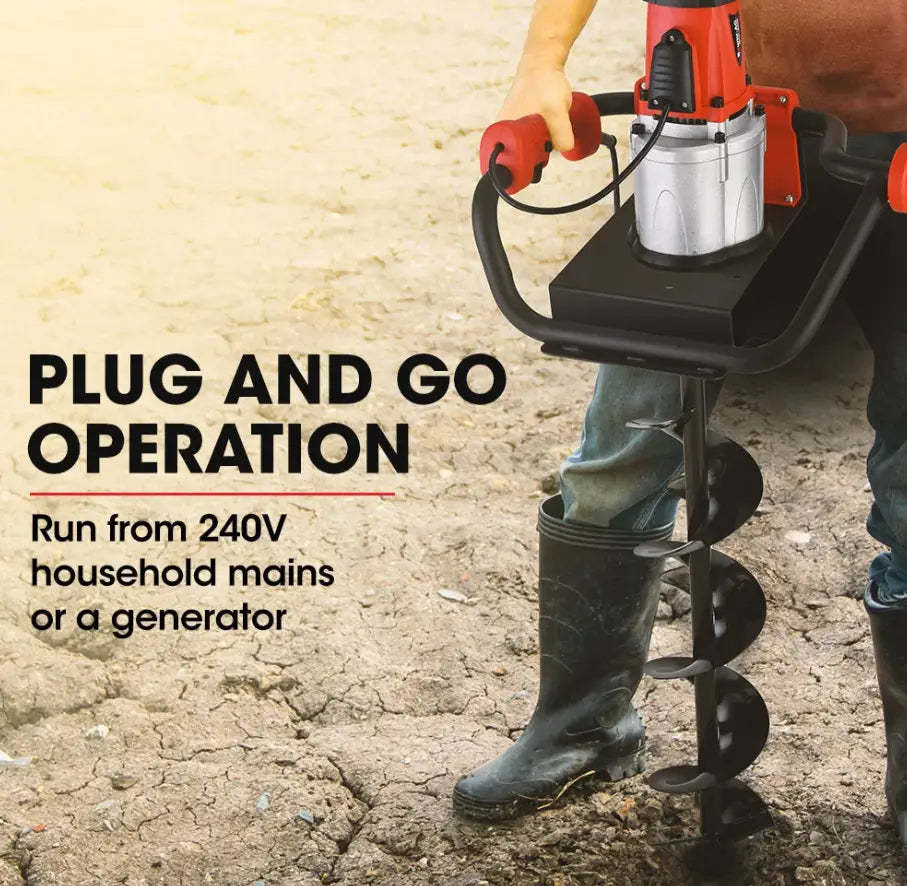
If you only need to set a couple of posts, maybe a mailbox, a garden sign, or a single clothesline, the best choice is a manual post hole digger.
-
Cost: Between $30 and $80.
-
Why it’s good: It’s simple, tough, and doesn’t need fuel or maintenance.
-
Limitations: It relies on your strength. Digging six or more holes with one will test your patience and your arms.
So, which post hole digger is best for small projects? Without a doubt, the manual clamshell digger.
Which Hole Digger Is Best for Fencing or Deck Projects?
Now, if you’re planning a full backyard fence or a deck foundation, digging 20 or 30 holes by hand feels like punishment. For jobs like that, the gas-powered auger is the way to go.
-
Price range: $200–$700.
-
Pros: Fast, efficient, and creates cleaner holes. Saves your back and your time.
-
Cons: Heavier (20–40 pounds), noisy, and requires fuel.
So, which hole digger is best for medium-to-large backyard projects? A gas auger wins every time.
Best Hole Digger for Clay and Tough Ground
Clay soil is a nightmare with shovels or manual diggers. It sticks, clumps, and fights back with every scoop. If your yard has clay, you’ll want a powered auger with sharp, sturdy blades.
-
Why: Manual tools get stuck and exhaust you. Powered augers cut through clay without complaint.
-
Tip: Let the auger work at its own pace. Forcing it into clay can jam the blades.
So, if you’re asking what the best hole digger for clay is, the clear answer is: a powered auger.
Are Post Hole Diggers Any Good?
This is a fair question. Plenty of people wonder if they’re just gimmicks. My honest answer: yes, post hole diggers are worth it.
-
With a shovel, you end up with wide, uneven holes.
-
With a post hole digger, you get narrow, straight holes perfect for posts.
-
They save effort. Even the manual ones are better than a plain spade.
So if you’re still asking, are post hole diggers any good, the answer is yes, especially once you’ve tried one.
Manual vs Powered: Which Hole Digger Is Best Overall?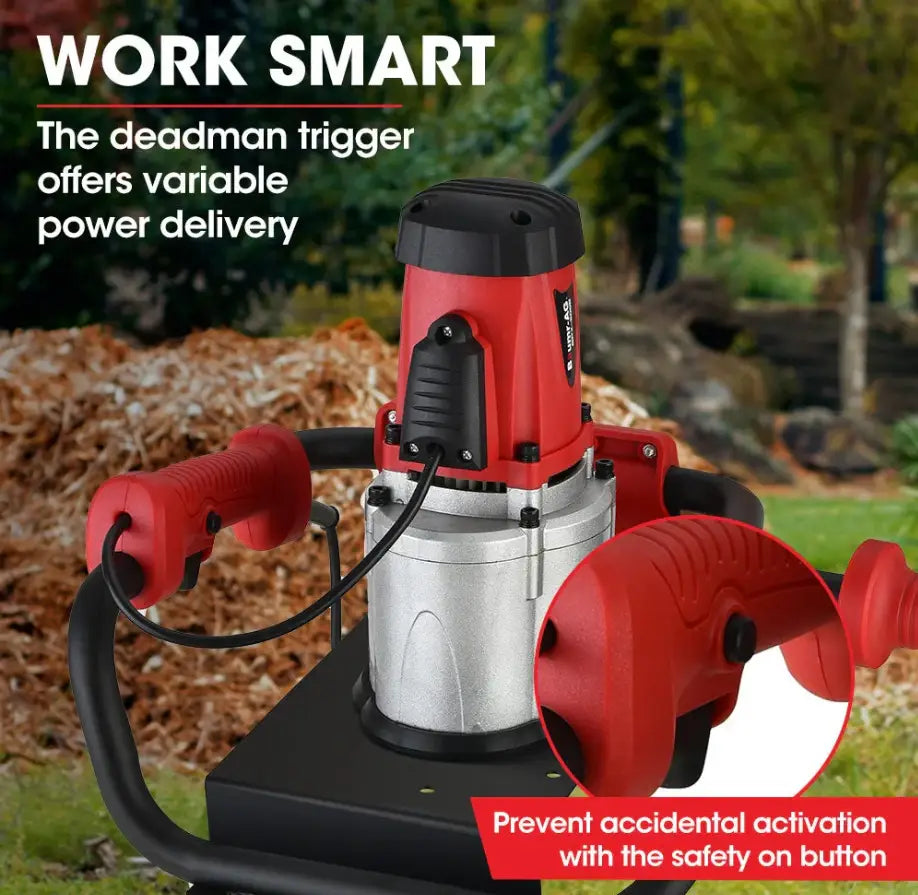
After using both, here’s my breakdown:
-
Manual digger: Best for soft soil and light jobs. Cheap, reliable, but tiring for more than a few holes.
-
Gas auger: Best all-around choice for homeowners. Perfect balance of cost and efficiency.
-
Hydraulic/tractor-mounted digger: Best for farms, vineyards, or contractors. Too much for casual use, but unbeatable for scale.
So, which hole digger is best overall? For most people, the gas-powered auger offers the best mix of affordability and power.
Renting vs Buying a Hole Digger
Not everyone needs to own one. Renting can make sense if it’s a one-time project.
-
Gas auger rental: $40–$70 per day.
-
Two-person auger rental: $80–$150 per day.
-
Hydraulic unit rental: Higher, but useful for farm-scale jobs.
So if you’re wondering whether to buy or rent, ask yourself: how many times will I use this? If it’s just one fence or deck, renting gives you access to the best hole digger without the full price.
Tips for Getting the Best Out of Your Hole Digger
-
Know your soil. Sandy or loamy soil is easy with a manual tool. Clay or rocky ground demands a powered auger.
-
Count your holes. Fewer than five? Manual is fine. More than ten? Consider powered.
-
Check your strength. A manual digger can wear you down quickly. Powered tools share the workload.
-
Think storage. Powered augers need room. Manual tools tuck in a corner of your shed.
-
Don’t force it. Let augers bite at their own pace, especially in clay.
Common Mistakes People Make With Hole Diggers
I’ve seen a few mistakes (and made some myself):
-
Digging too wide. Wider holes mean wobbly posts. Post hole diggers fix this with narrow, straight holes.
-
Underestimating soil. Clay and rocks are tougher than they look. Plan for a powered auger if that’s your soil type.
-
Buying too many tools. A farmer might need hydraulic equipment. A homeowner usually doesn’t.
-
Ignoring safety. Gloves and boots matter. Augers are powerful, and it’s easy to get careless.
So, Which Post Hole Digger Is Best?
Let’s answer the key questions clearly:
-
Which post hole digger is best for small jobs? Manual clamshell. Cheap and simple.
-
Which hole digger is best for fences and decks? Gas-powered auger. Saves time and energy.
-
Best hole digger for clay? A sturdy, powered auger, don’t bother with manual tools.
-
Are post-hole diggers any good? Absolutely. They make holes neater, cleaner, and easier.
At the end of the day, the best hole digger isn’t the most expensive or fancy one; it’s the one that suits your soil, your project, and your energy level. A $50 manual digger is perfect for a mailbox. A $300 auger feels like a lifesaver when you’re putting in a full fence. And for farms? The hydraulic gear pays for itself.
So next time you’re standing in your yard, shovel in hand, wondering which hole digger is best, remember this: the right tool doesn’t just save you money. It saves your back, your time, and your patience.