
When I put up my first fence in Australia, I thought the hole size didn't matter much. I grabbed a shovel, dug some shallow pits, dropped in the posts, and poured a bit of concrete. Guess what happened two months later? Half the posts leaned like tired soldiers, and the gate sagged so badly it wouldn't shut. That's when I realised: hole size isn't just a detail—it's the foundation of the whole project for any Australian fence.
So if you’re asking, what size hole does a post hole digger make and wondering about the right post hole digger hole size, you’re already smarter than I was on that first attempt. Let me break down what I’ve learned through mistakes, neighbourly advice, and a fair bit of trial and error.
What Size Hole Does a Post Hole Digger Make in Practice?
The size depends on what kind of digger you’re using.
-
Manual post hole digger (clamshell type): Usually carves out a hole about 6–8 inches across. That’s the natural width because the jaws only open so wide.
-
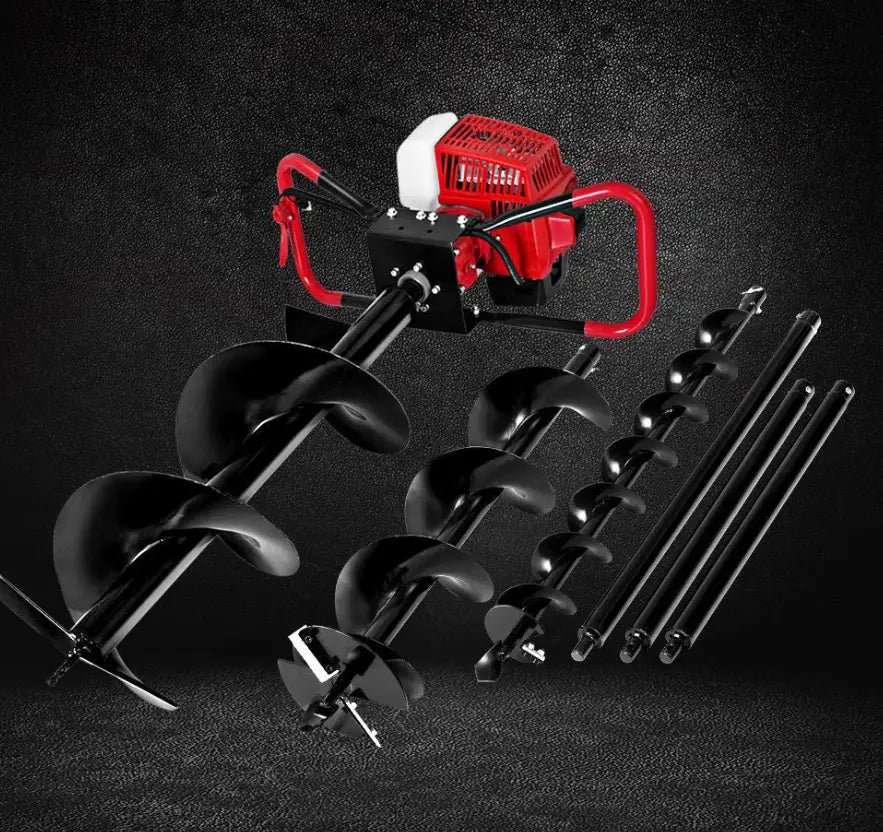
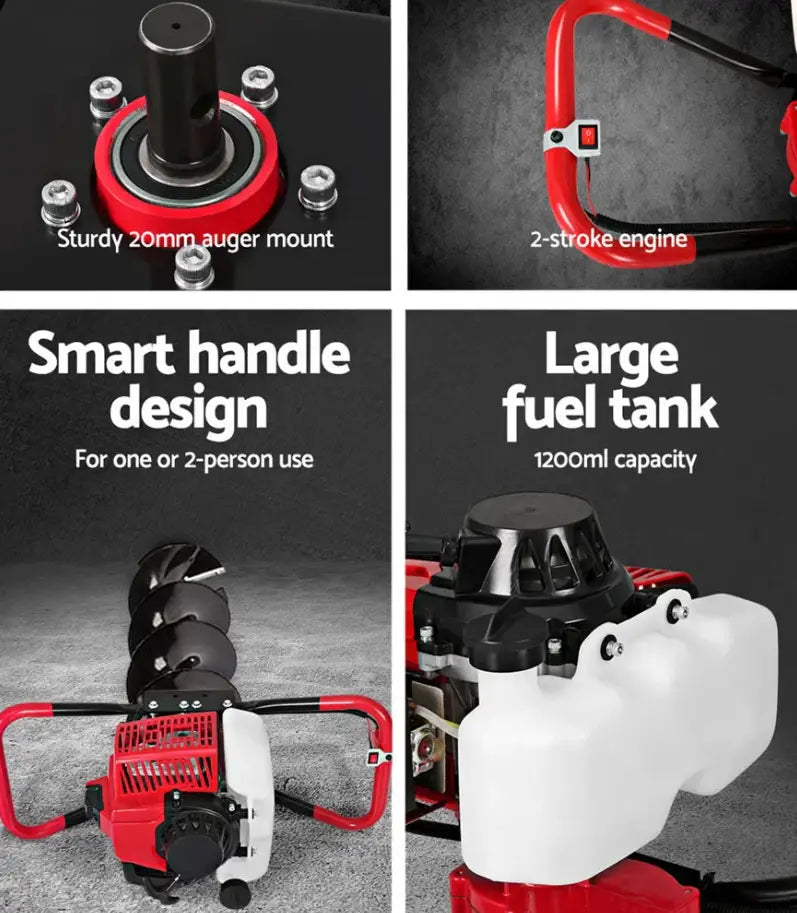
Gas-powered augers: These are like oversized drills. They use auger bits that come in different sizes, usually 4, 6, 8, 10, and 12 inches. If you need bigger, you can often swap bits.
-
Tractor-mounted augers: These are the heavy hitters. They can dig holes up to 18 inches wide or more.
So when someone asks me, What size hole does a post hole digger make, I usually answer: anywhere from 4 inches with a small auger to 18 inches with farm-grade equipment.
Why Post Hole Digger Hole Size Actually Matters
Here’s the thing: the hole isn’t just a space for the post. It’s the anchor point for the concrete that holds the post in place. Too small, and the post wiggles. Too big, and you waste concrete.
The common rule builders use: the hole should be about three times as wide as the post.
-
A 4x4 post? Go for an 8–10 inch hole.
-
A 6x6 post? Dig a 12-inch hole.
-
Small posts like a mailbox? Six inches wide will do.
That’s your basic formula for post hole digger hole size.
Depth: The Other Half of the Equation
I once thought, “as long as the hole is wide enough, depth doesn’t matter.” Wrong. Posts tip over faster than you’d believe if they’re not deep enough.
The general rule: bury one-third of the post underground.
-
A 6-foot fence post? Dig 2 feet down.
-
An 8-foot post? Go 2.5–3 feet.
And if you live somewhere with frost, you need to dig below the frost line so the ground doesn’t push your posts up over winter.
Manual vs Powered Tools: Hole Size Differences
From my experience:
-
Manual diggers give you “close enough” results. The holes are usually oval or rough on the edges, but fall in that 6–8 inch range.
-
Gas augers drill perfect circles. A 6-inch bit makes a clean 6-inch hole, no guessing. That precision helps when you’re mixing concrete.
-
Tractor augers? Those are for serious jobs, farm fences, vineyards, or building supports. They make huge, uniform holes.
So while the right post hole digger hole size is about the post itself, the tool changes how neat and consistent your holes come out.
Mistakes I Made (So You Don’t Have To)
-
Digging holes too narrow. My first posts had barely an inch of concrete around them. No wonder they shifted.
-
Stopping too shallow. A shallow hole looks fine on day one, but the first storm will tell you otherwise.
-
Making holes too wide. I once overdid it and had to buy double the concrete I’d planned. Lesson learned.
-
Ignoring soil. Sandy soil needs wider holes so the concrete has more to grip. Clay holds tighter, so you can get away with standard sizes.
Tips for Getting Post Hole Digger Hole Size Right
-
Measure your post first. Sounds obvious, but I’ve seen folks guess and regret it later.
-
Pick the right auger bit. If you’re renting, ask for the bit that’s 2–3 times your post width.
-
Adjust for soil. Loose soil = dig wider. Hard, clay soil = stick close to the formula.
-
Stay consistent. Nothing looks worse than posts at different depths or widths.
Can You Change Hole Size After Digging?
Yes, but it’s easier to go bigger than smaller.
-
With a manual digger, you just scrape around the edges to widen.
-
With an auger, you can switch to a larger bit or tidy the sides manually.
If you’re unsure, go slightly wider to start. Better a bit too much concrete than a post that won’t stay straight.
Renting vs Buying for the Right Hole Size
If this is a one-time project, rent. Rental yards usually stock auger bits from 4 to 12 inches. That way, you can match the hole to your post size.
If you’ll be tackling more projects later, buying makes sense. You can always add extra bits for flexibility.
FAQ (Because I Know You’re Thinking These)
What size hole for a 4x4 post?
About 8–10 inches wide, 2 feet deep for a 6-foot fence.
Do bigger holes mean stronger posts?
Not always. Too big = wasted concrete. The “three times post width” rule is strong enough.
What if my holes are uneven?
As long as they’re deep enough and wide enough, the concrete will level things out.
Can a post hole digger make deeper holes than I need?
Yes. You can always fill part of the hole with gravel or concrete if it goes too deep.
Wrapping It Up
So, what’s the answer to those big questions?
-
What size hole does a post hole digger make? Manual = 6–8 inches. Gas auger = 4–12 inches, depending on the bit. Tractor = up to 18 inches.
-
What’s the right post hole digger hole size? Two to three times the post width.
-
How deep? One-third of the post’s length is underground.
In the end, hole size isn’t just about the tool; it’s about the post, the soil, and the stability you need. Get it right, and your fence or deck will stand strong for years. Get it wrong, and you’ll be re-digging like I did.