
If you’ve ever tried spraying weeds or feeding your plants with a regular sprayer, you’ll know how hit-and-miss it can be. Some leaves end up dripping wet, others hardly get touched, and half the spray seems to float off with the breeze. That’s where something new has been making a buzz in gardening circles, the electrostatic backpack sprayer.
The name sounds a bit technical, and lots of Australian gardeners are now asking the same thing: what is an electrostatic backpack sprayer, and do I really need one in my garden? Let's unpack that in plain language.
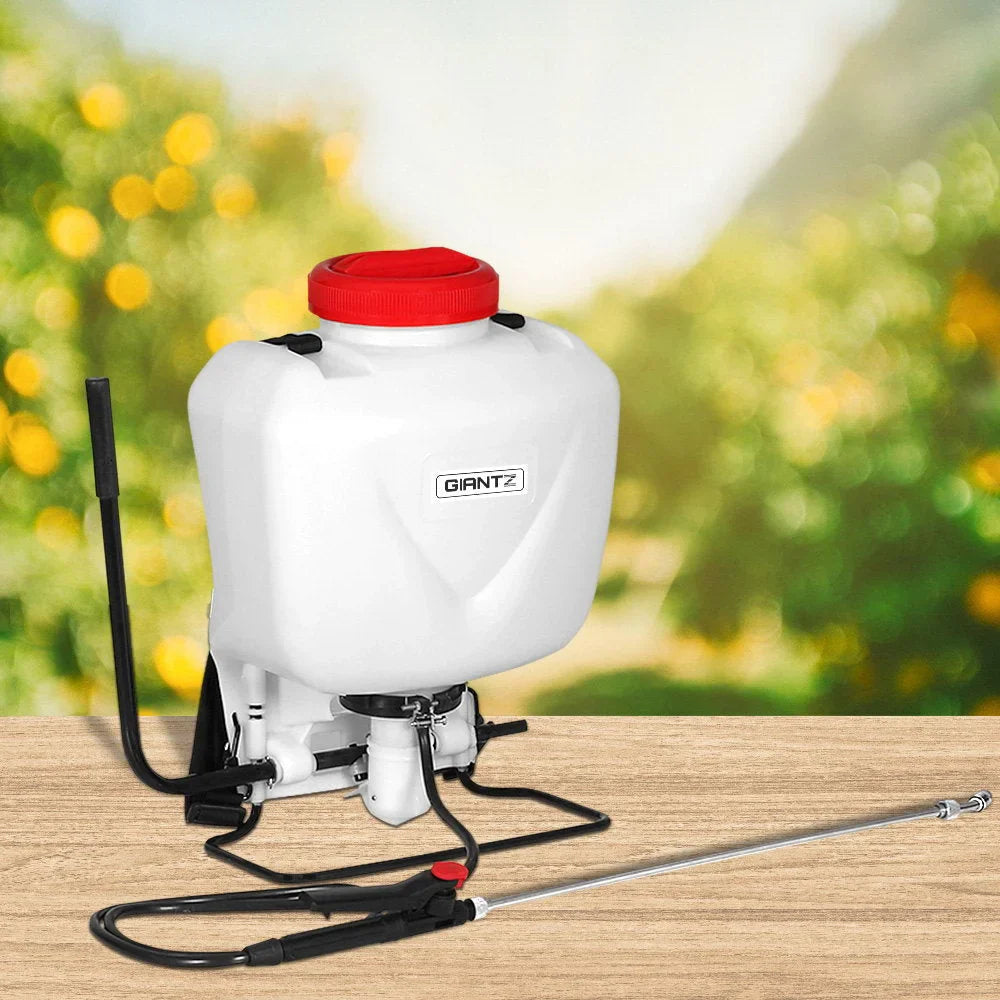
So, What Is an Electrostatic Backpack Sprayer?
At first glance, it looks like any other backpack sprayer: a tank you carry on your back, straps for support, and a wand for spraying. The big difference is hidden inside the nozzle.
An electrostatic sprayer gives the liquid an electric charge as it leaves the nozzle. Those charged droplets behave differently from normal spray; they’re attracted to surfaces like leaves and stems, so instead of bouncing off or drifting away, they stick and wrap around.
Think about the way a balloon rubbed on your jumper clings to the wall. That’s basically how the spray works. It clings instead of sliding or floating off.
How Does an Electrostatic Backpack Sprayer Work?
Here’s the science in simple terms:
-
Liquid passes through the nozzle.
-
The sprayer applies a small electrical charge to the droplets.
-
The charged droplets are drawn to the nearest surface.
That means instead of just coating one side of a leaf, the spray wraps around to the back, too. For gardeners who wonder what an electrostatic backpack sprayer actually does differently, the answer is that it uses static cling to give you better coverage without extra effort.
Why Gardeners Like Electrostatic Sprayers.
Once people see the difference, it’s easy to understand the appeal:
-
Even coverage, the spray doesn’t just sit on the front of a leaf; it coats all around.
-
Less waste, you don’t need as much chemical or fertiliser because more of it sticks.
-
Saves time, you don’t have to walk back and forth spraying from every angle.
-
Cleaner results, Fewer missed spots and less drift floating into the air.
That’s why the question of what an electrostatic backpack sprayer is often comes up in professional landscaping, farming, and even cleaning industries, it simply does a more thorough job.
Where Can an Electrostatic Backpack Sprayer Be Used?
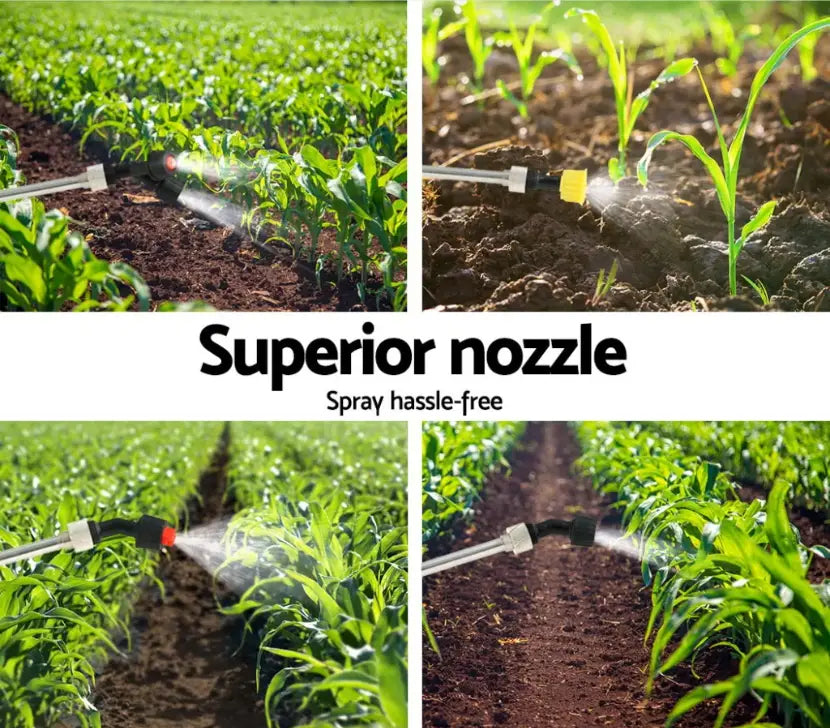
Although these sprayers first became popular in cleaning and sanitising, they’re just as useful outdoors. In the garden, they can be used for:
-
Weed sprays, Herbicides stick to weeds more effectively.
-
Fertilisers and foliar feeds reach every leaf, helping plants absorb nutrients faster.
-
Pest control, Insecticides cover the underside of leaves, where bugs like to hide.
-
Large-scale spraying, on farms or big yards, makes a big difference.
So if you’re wondering what an electrostatic backpack sprayer is good for, the answer is: just about anything that needs an even coat.
Regular Sprayer vs Electrostatic: What’s the Difference?
To keep it simple:
-
A standard sprayer relies on pressure and nozzle size. Coverage depends on how carefully you spray.
-
An electrostatic sprayer charges the droplets so they stick to surfaces naturally, meaning less effort for better coverage.
If you’ve only got a small garden, a regular sprayer probably does the trick. But once you’re covering larger areas, the electrostatic sprayer makes a noticeable difference.
Is an Electrostatic Backpack Sprayer Worth It?
Here’s the honest part. These sprayers cost more than the basic manual or battery-powered models. For someone with a tiny lawn or a few weeds, it may not be worth the extra money.
But if you’ve got a larger property, if you spray often, or if you’re aiming for professional-level results, it can save you time and reduce how much chemical you use. Over the long run, that can balance out the higher price.
So when people ask, What is an electrostatic backpack sprayer really worth? the answer depends on how much spraying you actually do.
Safety Tips When Using One.
Like any sprayer, it needs to be used safely. A few things to keep in mind:
-
Always wear gloves, goggles, and long sleeves.
-
Don’t use more product than the label recommends.
-
Spray in calm weather to avoid drift.
-
Rinse the tank after each use so it doesn’t clog up.
Even though the droplets cling better, the basics of spraying safely still apply.
Are They Hard to Find?
Electrostatic sprayers are still a bit new in gardening, so you might not see them everywhere yet. Busprayer depends on your garden and your needs. If you’re looking for efficiency and productivity, they’re becoming more common in Australia as more people catch on to the benefits. Stores like HomeMyGarden have started including them in their sprayer ranges, which makes it easier to try one without hunting around specialty suppliers.
Common Questions People Ask
Since electrostatic sprayers sound high-tech, gardeners often have a few extra questions beyond what is an electrostatic backpack sprayer:
-
Can I use normal fertilisers and herbicides? Yes, you don’t need special chemicals.
-
How long does the battery last? Most run for hours before needing a recharge.
-
Is it heavier than a normal sprayer? Not really, the charging system adds very little weight.
-
Do they replace normal sprayers completely? Not necessarily. For small jobs, a simple sprayer still does the trick.
Final Thoughts: What Is an Electrostatic Backpack Sprayer?
So, back to the question: what is an electrostatic backpack sprayer? In plain words, it’s a sprayer that charges liquid droplets so they cling better to whatever you’re spraying. That means less waste, better coverage, and fewer missed spots.
For small, casual gardens, it might feel like overkill. But for larger lawns, farms, or anyone who sprays often, it’s a smart investment. It doesn’t just make the job quicker, it makes the results more reliable.
At the end of the day, the right on-level coverage, then learning what an electrostatic backpack sprayer might just change the way you care for your outdoor space. And when you’re ready to see what’s available, stores like HomeMyGarden are a good place to start.