

Backpack sprayers can be described by their power source, pump design and application mechanism. These are separate comparisons: a battery-powered sprayer can still use a particular pump design, and a fine spray does not make the equipment suitable for every chemical.
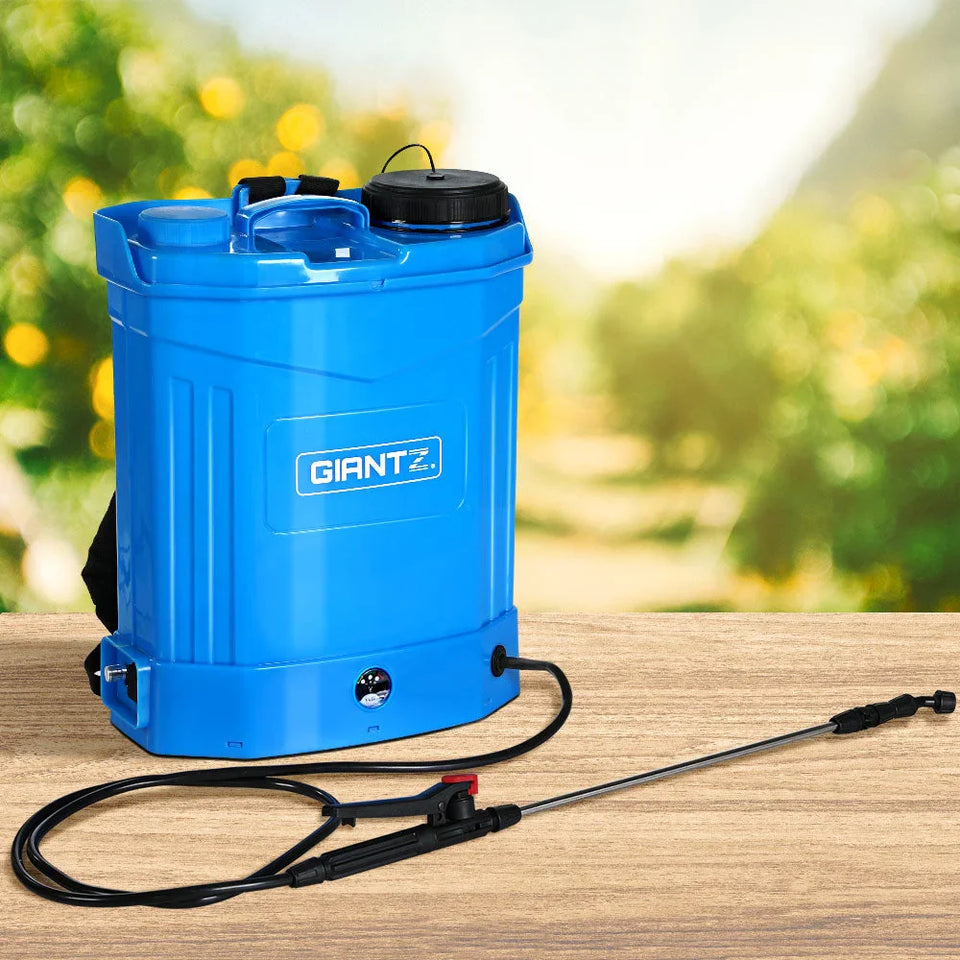
Manual or battery-powered
A manual sprayer needs repeated pumping effort. Compare the lever position, harness and permitted settings. A battery pump removes that pumping action but adds a battery, charger and servicing needs; it does not remove the weight of the liquid or guarantee a constant application rate.
Piston or diaphragm
These terms describe pump mechanisms. Check the exact manufacturer's pressure limits, permitted liquids and seal materials. Do not assume every diaphragm pump tolerates corrosive or abrasive products, or that every piston pump provides a finer spray. Compatibility must be documented for the model and formulation.
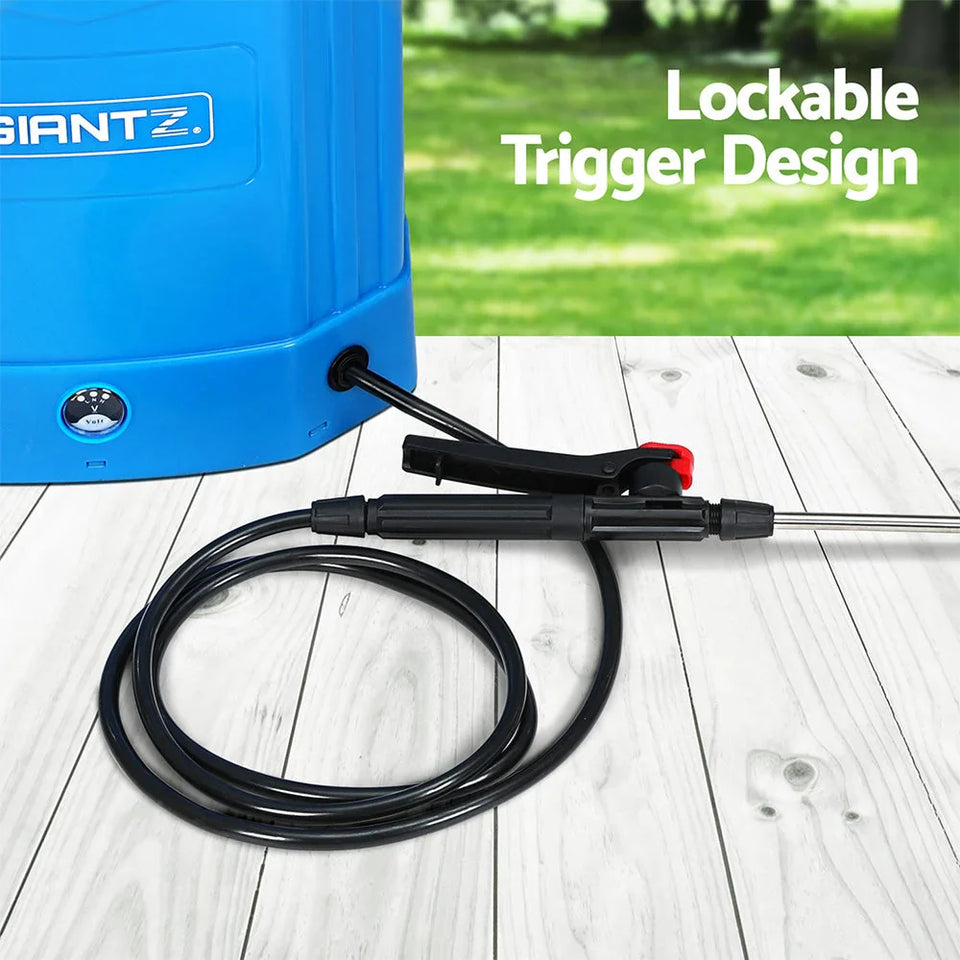
Mist blowers and specialist equipment
A mist blower uses moving air to carry droplets and has different operating requirements from a conventional lance sprayer. Select equipment only where the intended product, site and application method permit it. More reach is not automatically better coverage, and smaller droplets can increase drift risk.
Foaming, dual-mode and electrostatic systems are additional designs to verify in the manufacturer's information. Their presence in a general buying guide does not establish that they are included in the current store range.
Make a practical comparison
- Confirm chemical and application compatibility first.
- Compare empty weight plus the planned liquid load.
- Check controls, harness adjustment and access to fill and clean.
- Record nozzle, hose, seal and battery replacement references.
- Compare charging or pumping requirements against the actual work.
Follow the label and manual for cleaning, storage and rinsate. Choose the documented equipment for your task rather than treating pump type as a durability or chemical-safety ranking.


