

The first time I picked up a post hole digger, I thought, “How hard can this be?” Ten minutes later, I was standing over a messy hole, sweaty and frustrated, wondering what I was doing wrong. The truth is, using a hole digger, whether manual, powered, or tractor-mounted, isn’t complicated, but there are techniques that make the work smoother and safer.
If you’ve been asking yourself how to use a hole digger, how to use a post hole digger properly, how to use a post hole digger without wearing yourself out, or even how to hook up a post hole digger to a tractor, this guide covers it all step by step.
How to Use a Hole Digger by Hand.
Manual hole diggers are the clamshell tools most people start with. They’re cheap, simple, and perfect for small projects like a mailbox post, a clothesline, or even planting young trees.
Here’s how to use one effectively:
-
Mark your spot. Use a spray can or chalk to show exactly where you want the post.
-
Position the digger. Place the open jaws on the ground where the hole will start.
-
Push down. Drive the blades into the soil by pulling the handles apart. Stomp on them with your foot if the soil is compact.
-
Scoop and lift. Bring the handles together to close the jaws and pull up the dirt.
-
Repeat. Keep going until you’ve reached the right depth (usually one-third of the post’s length).
-
Check your sides. Keep the hole walls straight so your post sits firm.
💡 Tip: Work in layers. Don’t try to bite off too much soil in one go. It’s easier to dig 3–4 inches at a time.
How to Use a Post Hole Digger Safely
If you’re new to it, here are a few things I wish I’d known when I first learned how to post hole digger correctly:
-
Use gloves: The handles rub your palms raw quickly.
-
Don’t rush: Forcing the tool just wears you out. Work steadily.
-
Watch your back: Keep your posture straight. It’s easy to strain yourself by bending too much.
-
Check for obstacles: Rocks and roots can jam the jaws. Loosen them with a shovel or bar before continuing.
When people ask me how to use a post hole digger without burning out, the answer is always the same: use rhythm, not brute force. Lift, dump, reset.
How to Use a Post Hole Digger (Powered Auger)

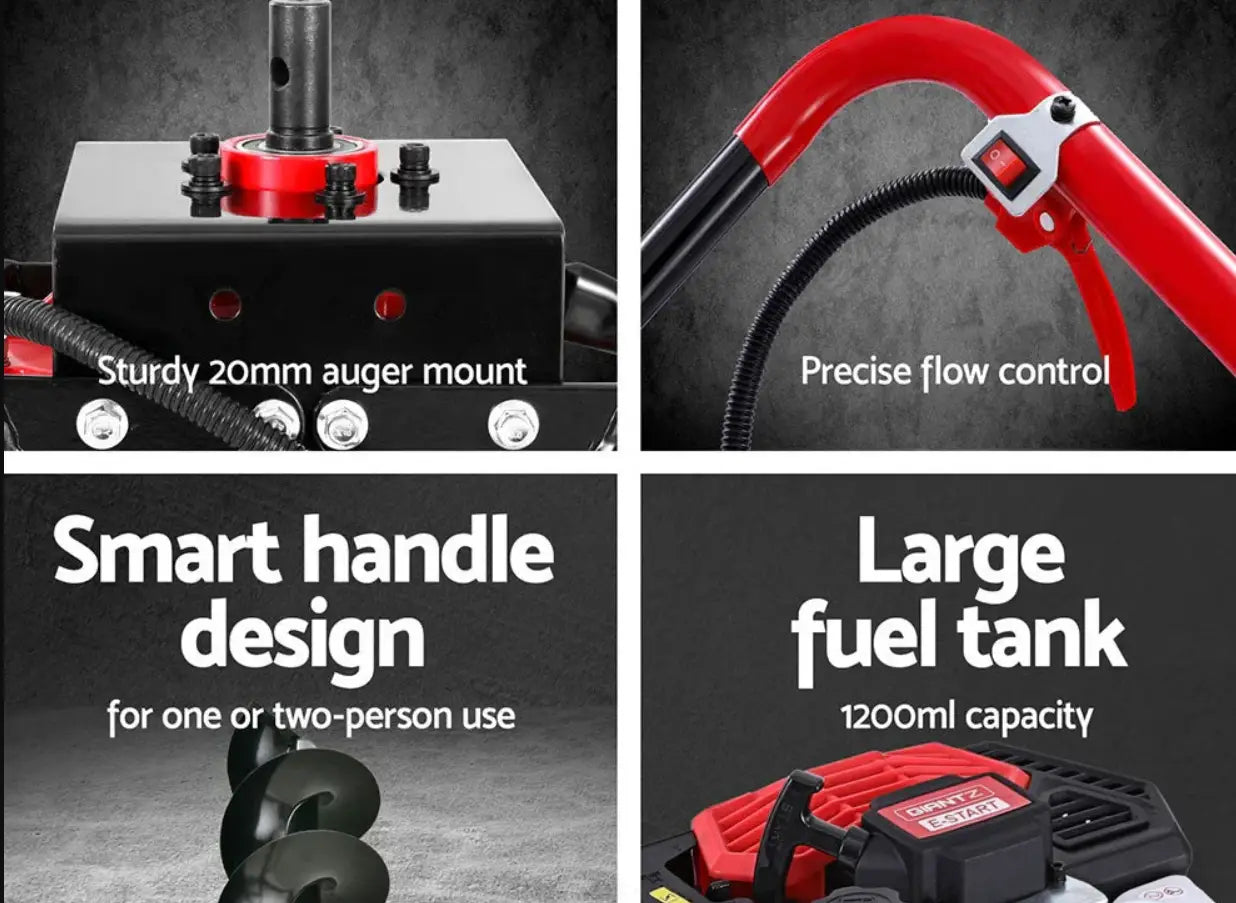
Once I graduated from manual tools to a gas-powered auger, the process changed a lot. Augers are faster but need more care.
Here’s how to use one:
-
Prepare the ground. Clear away rocks and debris.
-
Set your auger. Position the bit straight where the hole will go.
-
Start the engine. Hold firmly with both hands (or with a partner for two-person augers).
-
Drill steadily. Let the auger bite into the ground at its own pace. Forcing it can cause kickback.
-
Lift out soil. Pull the bit up every 8–10 inches to clear loose dirt.
-
Repeat until deep enough. Most fence posts need 2–3 feet of depth.
⚠️ Safety note: Powered augers can twist your wrists or arms if they catch on rocks. Always hold steady, and don’t work alone with a heavy two-person auger.
How to Hook Up a Post Hole Digger to a Tractor
For large jobs like farm fencing, nothing beats a tractor-mounted post hole digger. The first time I used one, I had no clue how to attach it, and it took longer to figure that out than it did to dig the actual holes.
Here’s the basic process:
-
Line it up. Park your tractor on flat, solid ground.
-
Attach the three-point hitch. Connect the digger’s arms to the tractor’s hitch system. Secure the top link first, then the lower arms.
-
Connect the PTO shaft. Slide the digger’s power take-off shaft onto the tractor’s PTO. Make sure the locking pin snaps into place.
-
Secure the stabilisers. Adjust and tighten stabiliser bars so the digger won’t sway.
-
Test it. Start the tractor at low RPM and engage the PTO to make sure everything spins smoothly.
Once it’s hooked up, using the tractor digger is straightforward: lower the auger into the ground, let it drill, and lift it out with the hydraulics.
Extra Tips for First-Time Diggers.
Whether manual, powered, or tractor-mounted, there are some golden rules that apply to all.
-
Check your depth often. Too shallow and the posts wobble, too deep and you waste effort.
-
Mind the soil type. Sandy soil collapses easily, so work quickly. Clay needs patience.
-
Keep holes uniform. Consistency makes your posts sit evenly.
-
Plan before digging. Mark all hole positions in advance so your fence line or deck is straight.
Mistakes I Made (So You Don’t Have To)
-
Digging too wide: wider holes would be easier to fill. Wrong. They wasted concrete and made the posts unstable.
-
Skipping safety gear: Gloves and boots are must-haves. My first blisters taught me that.
-
Not clearing rocks first: Augers hate rocks. I jammed mine so badly once that it took an hour just to free it.
-
Forgetting utilities: Always call your local “dial before you dig” line. The last thing you want is to hit a cable or pipe.
Wrapping Up
So, let’s bring it together:
-
How to use a hole digger? Place, bite, scoop, repeat, steady rhythm is key.
-
How to use a post hole digger safely? Gloves, posture, and patience matter more than strength.
-
How to use a post hole digger (powered)? Let the auger work for you; don’t force it.
-
How to hook up a post hole digger to a tractor? Connect via the three-point hitch, attach the PTO shaft securely, and test before drilling.
At the end of the day, it doesn’t matter if you’re setting one mailbox post or fencing an entire paddock; knowing how to handle your digger makes the job easier and safer.
And trust me: once you’ve used the right tool, you’ll never go back to fighting the ground with just a shovel.