
Backpack sprayers are one of those tools that look straightforward but can feel tricky the first time you use one. You fill the tank, strap it on, and pull the trigger, yet the spray might come out weak or uneven. Nine times out of ten, the problem is simple: the pump isn’t being used the right way.
If you're new to gardening in Australia or just bought your first sprayer, this guide will walk you through how to pump a backpack sprayer properly. You'll learn the step-by-step process, the differences between pump types, and a few tips to make the job easier on your arms and back.
Why Pumping Matters
The pump is what builds pressure inside the tank. Without pressure, the liquid just trickles out. With the right pressure, the sprayer delivers a steady mist or stream, coating weeds, lawns, or garden beds evenly.
Learning to pump correctly helps you:
-
Save time, since you don’t have to keep going over the same spots.
-
Keep a consistent spray pattern for better results.
-
Reduce strain on your arms and shoulders.
-
Prevent damage to the sprayer by avoiding over-pumping.
In short, pumping is the key to getting the most from your sprayer.
Setting Up Before You Pump
A smooth pumping experience starts before you even touch the handle. Here are a few basics to check:
-
Fill the tank correctly. Add water first, then mix in your chemical according to the product label. Leave a gap at the top; that air space is needed to build pressure.
-
Seal the lid tightly. Even a small leak will prevent the sprayer from holding pressure.
-
Adjust the straps. Make sure the sprayer sits comfortably on your back. A balanced load is easier to pump while walking.
-
Choose the right nozzle. Fan nozzles spread liquid wide but don’t need as much pressure; stream nozzles reach further but need more pumping.
Step-by-Step: How to Pump a Backpack Sprayer
Here’s a simple routine for beginners:
-
Build initial pressure. Start with 10–15 pumps. Larger tanks may need 20 or so to get going.
-
Test the spray. Squeeze the trigger to see how the liquid comes out. If it’s weak or uneven, add another few pumps.
-
Spray as you walk. Move at a steady pace, covering the area in a smooth pattern.
-
Top up pressure often. Don’t wait until the spray fades completely. Add a few pumps every minute or two to keep it consistent.
Think of it like pushing a swing; it’s easier to give small pushes regularly than one big shove when it’s already slowing down.
Types of Pumps
Not every sprayer works the same way. Knowing the type you own helps you understand how it should be pumped.
-
Piston pump sprayers. These can reach higher pressures (up to around 90 psi), making them good for fine misting and long-distance spraying. They do, however, require more frequent pumping.
-
Diaphragm pump sprayers. These use a flexible diaphragm instead of a piston. They don’t reach as high pressure (usually up to 60 psi), but they’re tougher when handling strong or abrasive chemicals. They need less pumping overall, though the spray doesn’t travel as far.
-
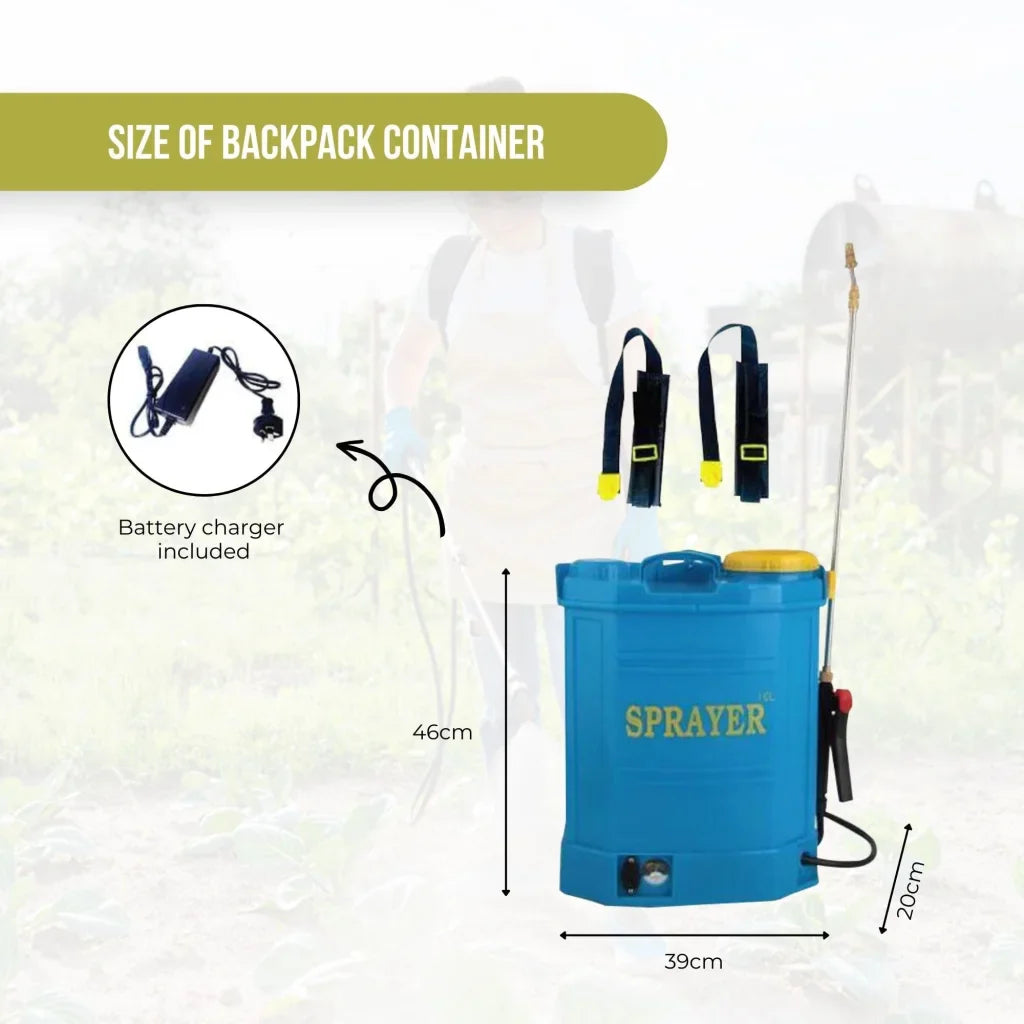
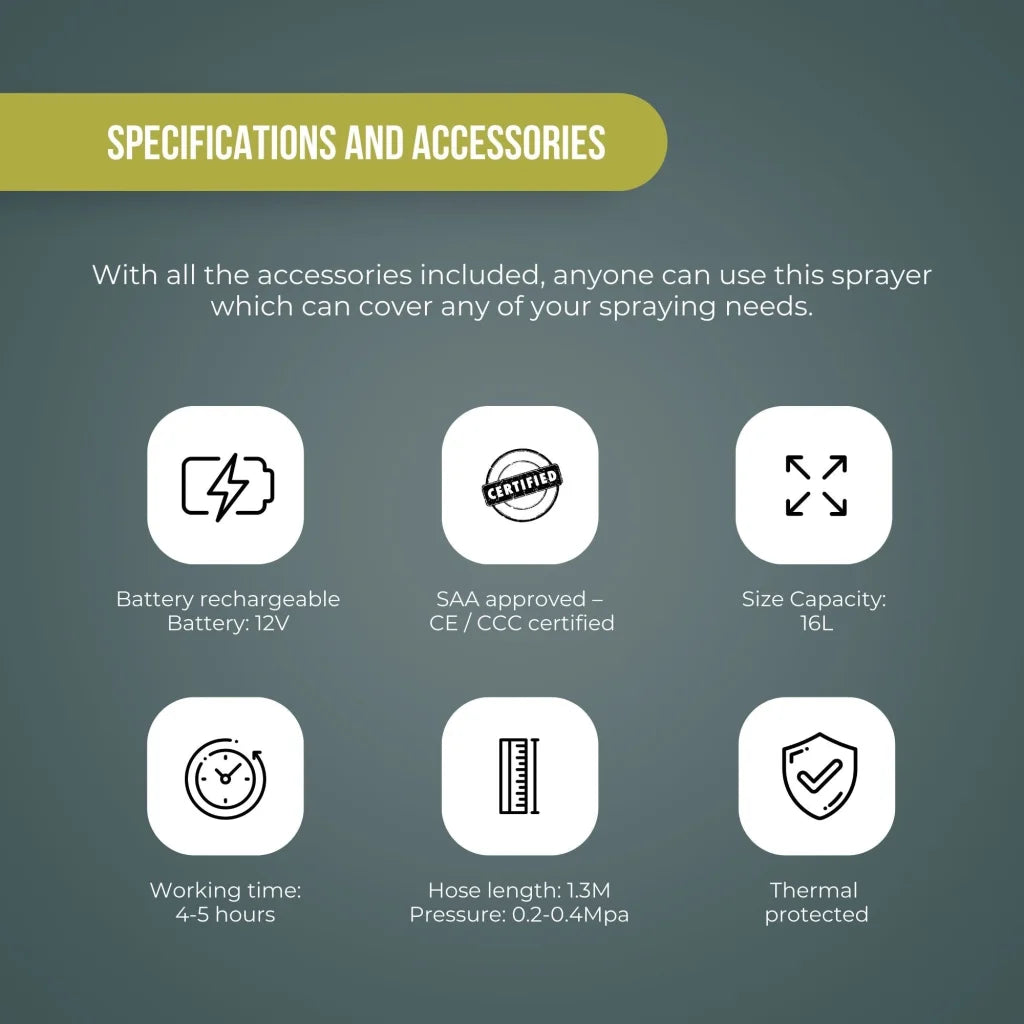
Battery-powered sprayers If you have one of these, you won’t actually be pumping at all. The motor maintains the pressure for you; just charge it, switch it on, and spray.
Common Pumping Mistakes
When people first use a backpack sprayer, they often run into the same problems:
-
Over-pumping: Adding too much pressure can damage seals or cause leaks.
-
Loose lid, Air escapes, and the sprayer never builds proper pressure.
-
Waiting too long between pumps – The spray becomes weak and patchy.
-
Carrying too much liquid – Overfilling makes the sprayer heavy, which makes pumping harder.
Avoiding these mistakes keeps things simple and prevents frustration.
How to Pump a Backpack Sprayer Without Wearing Out
 The trick to pumping without struggle is efficiency. Here’s how to make it easier:
-
Use smooth, steady strokes on the pump handle; fast, jerky movements waste energy.
-
Keep the tank only as full as you need. A lighter sprayer is easier to pump and carry.
-
Pump a few strokes regularly instead of waiting until pressure drops completely.
-
Watch the spray pattern: when it weakens, that’s your cue to add more pressure.
After a couple of uses, you’ll naturally find a rhythm that feels comfortable.
Safety Tips While Pumping and Spraying
Any time you’re working with chemicals, safety should be part of your routine.
-
Wear gloves, goggles, and long sleeves.
-
Pump and spray in calm weather to avoid drift.
-
Don’t bend too far forward with a full tank; it can strain your back.
-
Wash your hands and rinse the sprayer after use.
Good habits mean less risk for you and a longer life for your sprayer.
Looking After the Pump
Even the best sprayer will give you trouble if the pump isn’t maintained. A few minutes of care after each use go a long way:
-
Rinse the tank. Never leave leftover solution inside. Flush with clean water.
-
Check seals and O-rings. Replace them if they’re cracked or stiff.
-
Lubricate moving parts. A drop of oil on the pump handle and gaskets can prevent stiffness.
-
Store properly. Keep the sprayer in a cool, dry place. Heat and sunlight can weaken plastics and seals.
Troubleshooting Pressure Problems
If you’re pumping and the sprayer still won’t build pressure, look for these issues:
-
Air leaks – Check the lid and seals.
-
Clogged nozzle – Clean or replace it if the spray is blocked.
-
Damaged piston or diaphragm – These parts can wear out after heavy use and may need replacing.
Most of the time, fixing these small issues will bring your sprayer back to normal.
Final Thoughts
Learning how to pump a backpack sprayer without struggle is about technique, not strength. Fill it correctly, seal the lid, build up pressure with steady pumps, and top up as you go. Keep your sprayer maintained, and you’ll find that pumping feels natural after just a few uses.
Instead of fighting with uneven spray or sore arms, you’ll enjoy the rhythm of pump, spray, repeat, getting the job done quickly and properly every time.