
When I first started gardening seriously in Australia, I threw together a couple of timber beds because they were cheap and easy. They looked fine for a few years, but the weather did its thing. The wood warped, termites moved in, and by year five, the corners were crumbling. Pulling them apart was messy and frustrating. That's when I decided to try something sturdier: steel.
Like many Australians, I landed on Colorbond because it’s everywhere, on our roofs, fences, and sheds. If it can handle decades of harsh sun and rain overhead, why not in the garden too? But I wanted to know, how long do Colorbond raised garden beds last before I spend the money?
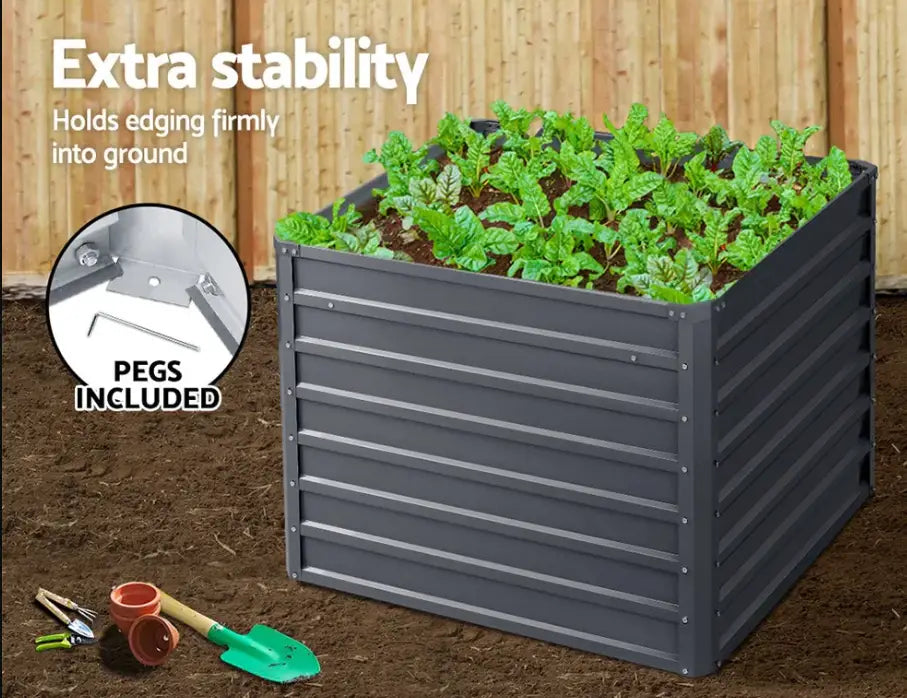
The Short Answer: 15 to 20 Years
Most gardeners agree that a Colorbond raised bed will give you 15 to 20 years of use. With good care, you can push it even further. Compare that to untreated timber (lucky to get 5–7 years) or even hardwood (10–15 years if termites stay away), and the difference is clear.
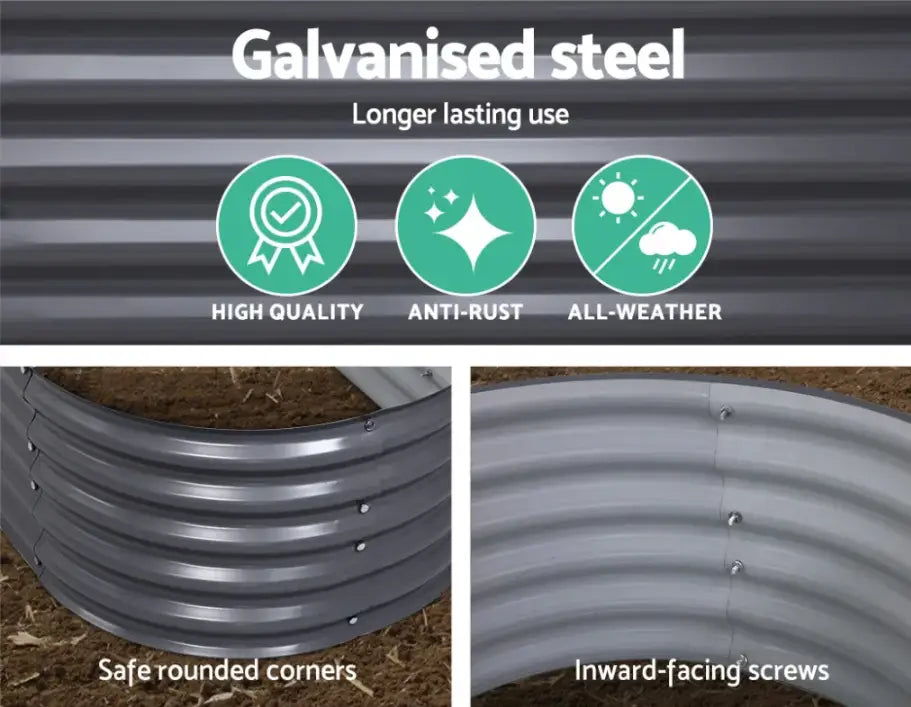
The reason they last so long is the way Colorbond steel is made. It’s not just bare metal, it’s steel with protective layers:
-
A zinc/aluminium/magnesium coat that stops rust.
-
A coloured paint finish that handles UV rays.
Those layers are why your average fence panel or shed roof stays solid for decades, and they do the same thing in the garden.
What Affects the Lifespan of Colorbond Beds?
Even though 15–20 years is the standard, not every garden is the same. A few things can stretch or shorten that life:
1. Climate
If you live inland with dry summers, you’ll likely get the full 20 years or more. Near the coast, salty air can be tougher on metal. Beds in shady, damp areas also won’t last quite as long as those in sunny, well-drained spots.
2. Soil and Moisture
Garden beds hold damp soil against the panels day and night. Colorbond is built to handle that, but if you’re in a very wet region, lining the inside with geotextile fabric or plastic can give it an extra layer of protection.
3. Drainage
Water pooling around the base of any bed isn’t good news. When I built mine, I put down a bit of gravel underneath so water could drain away after heavy rain. It’s a small step, but it helps a lot.
4. General Care
These beds don’t ask for much, but a quick rinse now and then, especially if you spill fertiliser or soil on the outside, helps. If you notice a scratch in the coating, touching it up before rust sneaks in will keep the panels in top shape.
Are Colorbond Raised Beds Safe for Veggies?
This was one of my first concerns. After all, I didn’t want chemicals leaching into the soil where I was growing food. The good news is that Colorbond is safe for edible plants.
Unlike treated pine, which often contains preservatives, Colorbond’s finish is stable and food-safe. The coating stops the soil from touching raw steel, so you don’t have to worry about toxins. Plenty of Aussie gardeners grow everything from lettuce to dwarf citrus trees in them.
Advantages Beyond Lifespan
Asking how long Colorbond raised garden beds last is smart, but durability isn’t the only reason to choose them. A few more perks I’ve noticed:
-
They look neat. The modern colours, greys, greens, and creams blend well with backyards.
-
Custom heights are available. I built mine at 60 cm, which saves my back when I’m weeding. Some kits even go taller.
-
No pests. Termites don’t care for steel. That alone sold me after losing timber beds.
-
Recyclable. At the end of their life, steel can be recycled, which feels better than tossing old rotten wood.
How to Help Your Colorbond Garden Beds Last Even Longer
If you want to squeeze every year possible out of your beds, here are a few simple tips:
-
Pick a good spot. Avoid placing them directly under sprinklers or in swampy ground.
-
Line the inside. Not essential, but it does reduce constant wet contact.
-
Use mulch. Keeps the soil moisture balanced, which helps both plants and panels.
-
Don’t overload. Filling them with rocks or overly heavy material can strain the sides. Stick to soil, compost, and organic matter.
-
Check once a year. A quick look for scratches or loose screws is all they need.
Colorbond vs Other Materials
When you weigh it up, Colorbond comes out looking very practical:
-
Untreated timber: 5–7 years, cheap but short-lived.
-
Treated pine: 8–12 years, but many avoid it for growing food.
-
Hardwood: 10–15 years, expensive and still vulnerable to termites.
-
Concrete blocks or bricks: Essentially permanent, but heavy and not as tidy.
-
Colorbond: 15–20 years, light, modern, and low-maintenance.
For me, the balance of strength and ease of use makes it a clear winner.
My Experience So Far
I put in my first Colorbond raised bed about 9 years ago. It’s copped plenty of storms, summer heat, and my kids leaning on the edges. Apart from a little fading on one side that gets full sun all afternoon, it’s still rock solid.
By contrast, the timber beds I built earlier didn’t even make it half that long. I’ve since added two more steel beds, and I doubt I’ll ever go back to wood.
Where to Find Quality Colorbond Beds
You can DIY them from sheets if you’re handy, but I’ve found the kits are easier and often better value. Stores like HomeMyGarden stock Colorbond raised garden beds in different colours and sizes. They’re designed for easy assembly and reinforced corners, which saves you the hassle of cutting and joining steel yourself.
Final Thoughts: How Long Do Colorbond Raised Garden Beds Last?
If you’re weighing up options for your backyard, here’s the takeaway:
-
Lifespan: Expect 15–20 years, sometimes more with care.
-
Safety: Perfectly fine for growing veggies and herbs.
-
Maintenance: Very low, just keep an eye on drainage and scratches.
-
Value: Outlasts timber by a wide margin, looks better than concrete, and costs less than hardwood in the long run.
So next time you hear someone ask, “How long do Colorbond raised garden beds last?”, you can tell them: long enough to see countless seasons of tomatoes, herbs, and maybe even strawberries, without having to rebuild every few years.