

Enhance Recovery and Flexibility with a High-Quality Foam Roller
Our product Foam Rollers from our collection Rollers are designed to support muscle recovery, improve flexibility, and relieve tension after workouts or long days in Australia. Ever feel like your muscles are holding on to tension like a grudge? That’s where a foam roller comes in—a simple tool that can totally level up your yoga and Pilates sessions. Whether you're a beginner or a seasoned mover, incorporating a foam roller into your routine could be the game-changer your body’s been asking for.
Let’s dive into everything you need to know from the basics and benefits to foam roller exercises and buying tips.
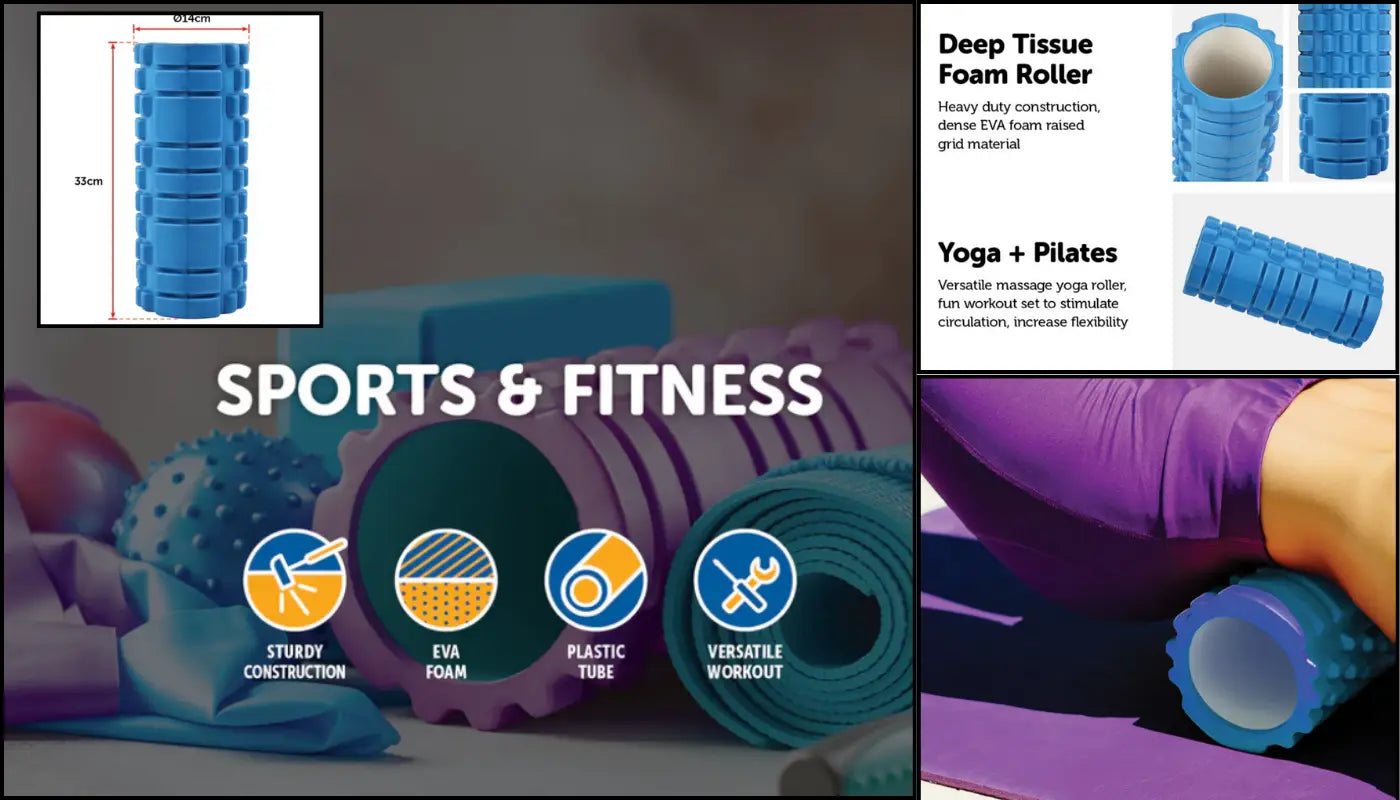
What Is a Foam Roller and Why Should You Use One?
Foam Roller Basics
A foam roller is a cylindrical piece of dense foam that you roll your body over to massage tight muscles, improve circulation, and enhance mobility. Think of it as your personal masseuse but way cheaper and always available.
How It Works on Your Muscles
Foam rolling works by targeting trigger points, or "knots," through a process called self-myofascial release (SMR). It helps break up tight fascia (connective tissue) and boosts muscle recovery.
Yoga and Pilates Meets Recovery
In yoga and Pilates, a foam roller is your secret weapon. It not only helps lengthen tight muscles but also deepens stretches and supports balance-based poses.
Top Benefits of Using a Foam Roller
Eases Muscle Tension and Soreness
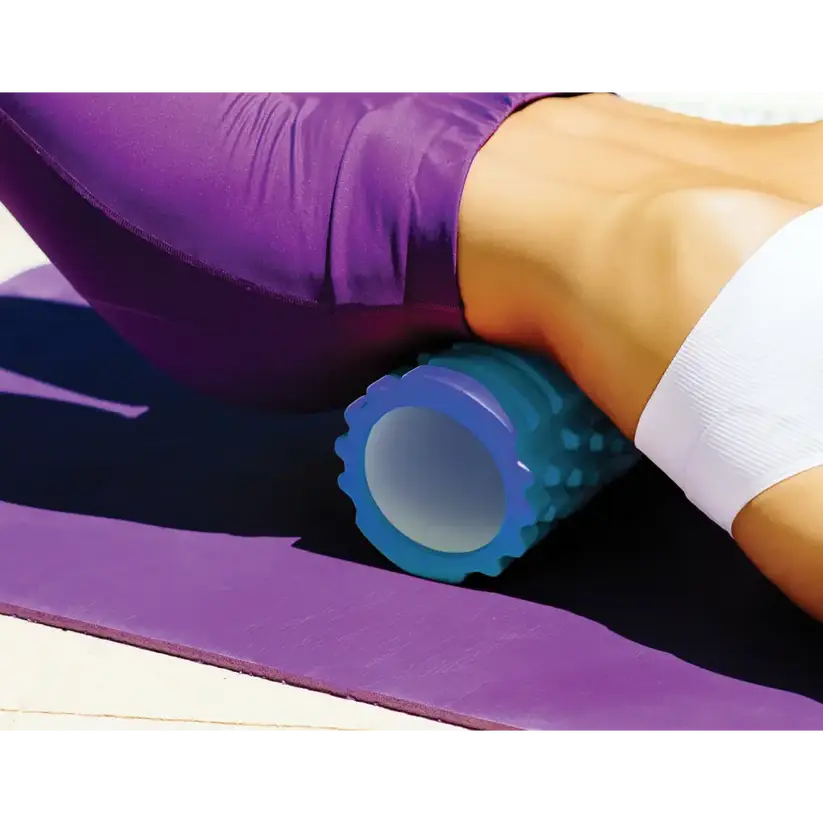
After a tough workout or a long day, a few minutes of rolling can melt away tension like a hot bath without the water.
Improves Flexibility and Range of Motion
Regular use of a foam roller can lengthen tight muscles, making it easier to stretch deeper during yoga or Pilates.
Boosts Blood Circulation
Better blood flow means better nutrient delivery to muscles, which speeds up healing and recovery.
Great for Pre- and Post-Workout
Rolling before a session preps your muscles. Doing it after helps release built-up tension and reduce soreness.
Choosing the Right Foam Roller for Your Needs
Sizes and Densities Explained
Soft rollers: Best for beginners or sensitive areas.
Firm rollers: Great for deeper tissue release.
Long rollers: Ideal for full-body workouts.
Short rollers: Travel-friendly and perfect for targeting small areas.
Why the Blue Foam Roller Is Popular
The blue foam roller is iconic for its balance between firmness and comfort—durable enough for regular use, yet forgiving on sore muscles.
How to Use a Foam Roller for Yoga and Pilates
When to Use It – Before or After Your Session?
You can use a foam roller before to activate muscles or after to cool down and recover. There’s no wrong time!
Foam Rolling vs. Static Stretching
Foam rolling is like ironing your muscles. It smooths them out so your stretches become more effective and less painful.
How Long Should You Roll?
Spend about 30 seconds to 1 minute on each muscle group. Focus on breathing deeply and going slowly.
Foam Roller Exercises for Beginners
Foam Roller for Back
Lie on your roller vertically under your spine.
Let your arms fall to the sides.
Slowly roll side to side to release tension between your shoulder blades.
Foam Roller Lower Back Safety Tips
Avoid rolling directly on your lower back. Instead, support yourself with your elbows and roll your glutes and upper back.
Foam Roller for Neck and Shoulder Release
Place the roller under your neck, gently turning side to side like you’re saying “no.” This can release neck stiffness in minutes.
Advanced Foam Roller Workout for Pilates Lovers
Core Activation Moves
Try lying on the roller and doing leg lifts. Your core will have to work overtime to keep you balanced.
Hip and Glute Rollouts
Sit on the roller, cross one leg over the other, and roll out those hips and glutes. Pure magic after leg day.
Balance and Control Drills
Use your foam roller under your feet or back during Pilates to add an unstable surface. It’ll test your core like nothing else.
Foam Roller Yoga Flow
Morning Foam Roller Routine
Roll out your calves, quads, and upper back.
Follow with a few gentle yoga stretches.
Relaxing Night-Time Sequence
Use your roller as a bolster in child’s pose.
Slowly roll the spine while seated to unwind before bed.
What Makes the Foam Roller Essential for Recovery?
Self-Myofascial Release (SMR) 101
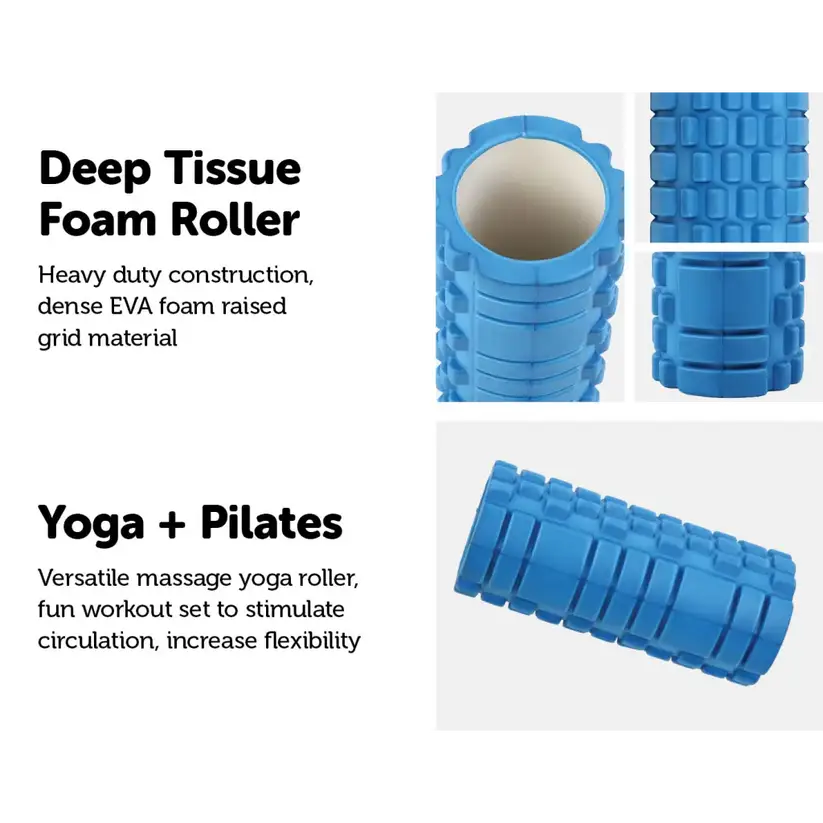
This technique reduces muscle tension and enhances performance—without needing a professional massage therapist.
Reducing DOMS (Delayed Onset Muscle Soreness)
Using a foam roller right after exercise can cut down muscle soreness big time—meaning you’re ready for your next session sooner.
Common Mistakes to Avoid When Foam Rolling
Rolling Too Fast
Slow and steady wins this race. Quick rolling doesn’t give your muscles time to release.
Applying Too Much Pressure
If it hurts, ease up. You're not trying to punish your muscles—just guide them back to a relaxed state.
Ignoring Pain Signals
Sharp pain? Stop. Foam rolling should feel like a deep massage, not torture.
Real-Life Benefits from Foam Roller Users
Yogis
They use rollers to open up hips, lengthen tight muscles, and deepen poses without injury.
Pilates Instructors
It’s a must-have for challenging the core and improving spinal alignment.
Everyday People Like You and Me
Sitting at a desk all day? A quick roll can undo hours of stiffness and stress.
Where to Buy the Best Foam Roller in Australia
Features to Look For
Durable material
Ideal firmness
Portable size
Easy to clean
Affordable, durable, and designed for real bodies doing real movement. Maintenance and Care for Your Foam Roller
How to Clean Your Foam Roller
Wipe it down with a damp cloth and mild soap. Let it air dry completely.
When to Replace It
If it’s losing shape, feels uneven, or has tears—it’s time to treat yourself to a new one.
Final Thoughts: Add a Foam Roller to Your Routine Today
No matter your fitness level, a foam roller is one of the simplest tools to improve mobility, reduce soreness, and feel amazing. Whether you’re flowing through yoga or powering through Pilates, adding this tool to your routine can make a huge difference. Your body will thank you.
FAQs
1. Can I use a foam roller every day?
Absolutely! Just avoid rolling over the same sore spots aggressively every single day.
2. What’s the best foam roller for back pain?
Go for a medium-density roller and avoid rolling directly on your lower back.
3. Can I use a foam roller even if I don’t exercise?
Yes! It’s great for posture, stress relief, and tension from daily life.
4. What size foam roller is best for beginners?
A 30–45cm roller is perfect—it gives enough surface area for back and leg work without being too bulky.