
When most people think about towing, they picture the trailer, caravan, or bike rack attached to the back of a car. What often gets overlooked is the small piece of steel that makes the whole setup possible: the tow ball. It looks simple , just a shiny round ball , but it carries huge responsibility. Without it, there’s no connection, no stability, and no safe journey.
That's why two questions come up again and again among Australian drivers: how often should you change your tow ball? And why is tow ball weight important? They might sound like technical details, but both are at the heart of safe towing on our roads. Let's break them down in plain language.
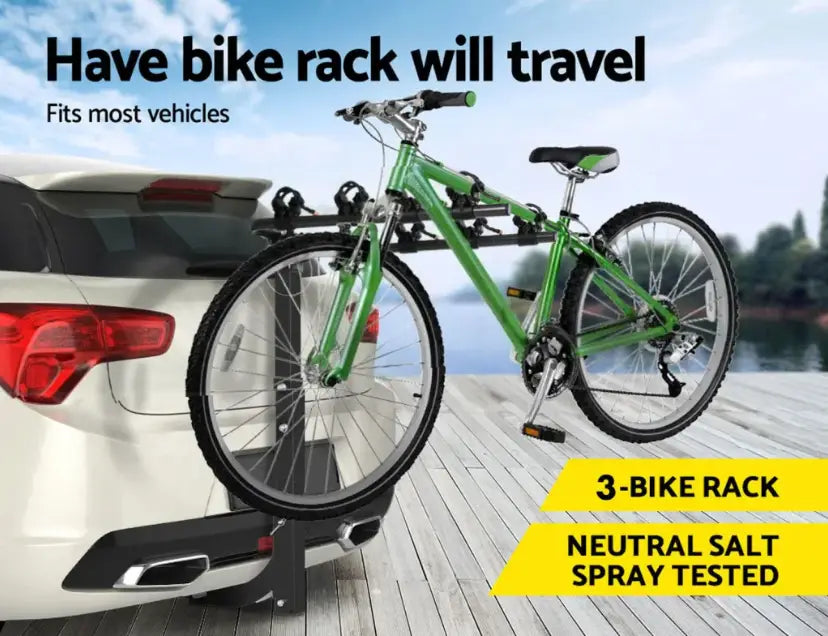
How Often Should You Change Your Tow Ball?
Two balls don’t come with an expiry date stamped on them, unlike tyres, which wear down predictably, or oil filters, which have a clear schedule; a tow ball’s lifespan depends on use, care, and condition.
Inspect, Don’t Guess
The golden rule is inspection. Every time you set up to tow, give the ball a quick check. Run your hand over it; it should feel smooth and rounded. If you notice grooves, scratches, or flat spots, that’s a warning sign. The coupling on your trailer needs a snug, even surface to grip. If the surface is worn, the connection isn’t as secure as it should be.
Rust and Corrosion
Steel is strong, but it isn’t immune to the weather. If you leave your car outdoors, rain and road salt can cause rust. A little surface rust can often be polished off, but deep pitting or flaking means the metal is compromised. At that point, it’s better to replace the ball than to gamble on its strength.
Frequency of Use
-
Heavy users, if you’re towing caravans every other weekend, carrying trailers for work, or transporting heavy e-bikes on a tow ball rack, you’ll put more strain on the ball. In this case, check every few months and expect to replace more often.
-
Occasional users, if your tow ball only sees action a handful of times a year, an annual inspection might be enough. You may not need to replace it for years, provided it stays smooth and rust-free.
After an Impact
One situation that always calls for replacement is after a collision. Even if your tow ball “looks fine” after being rear-ended or hitting an obstacle, the impact may have weakened the steel. Better safe than sorry: change it.
So the answer to how often you should change your tow ball isn’t about a set timeline. It’s about vigilance. Replace it the moment it no longer looks or feels like a perfectly smooth, solid piece of steel.
Why Is Tow Ball Bike Rack Weight Important?
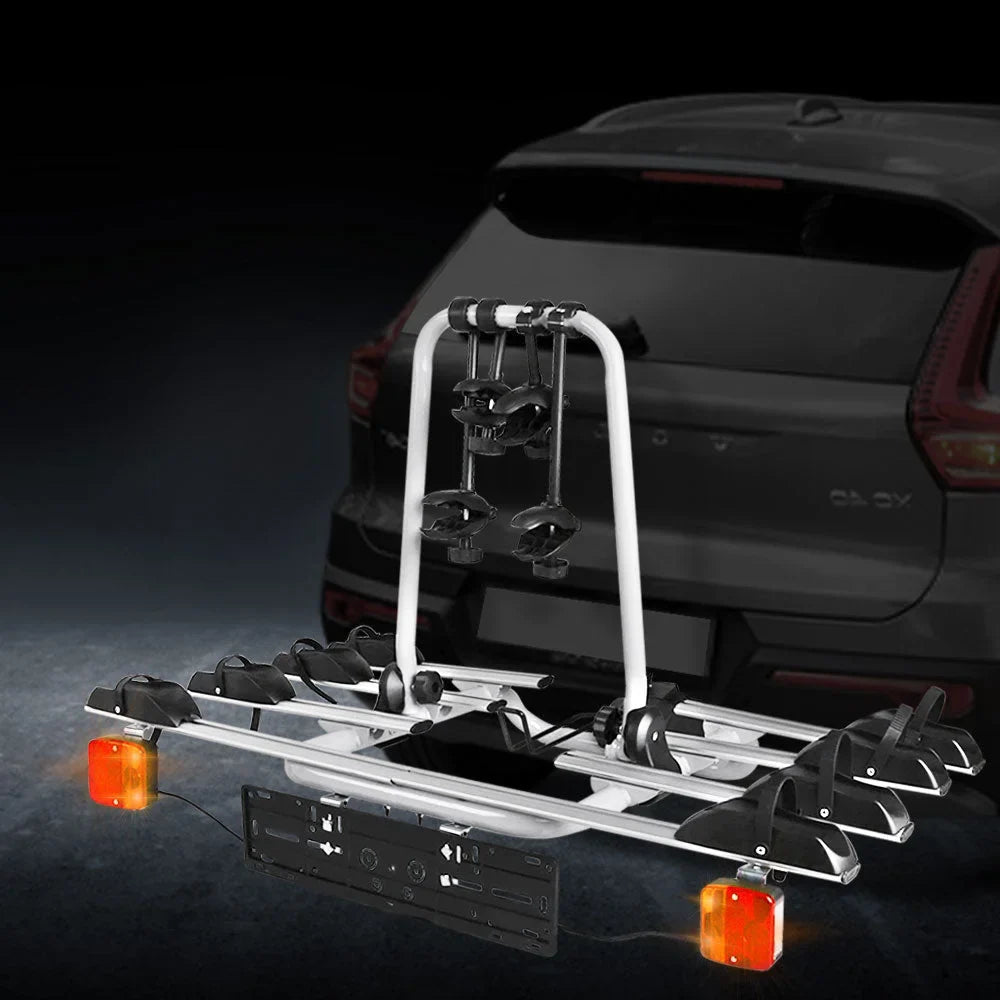 Now let’s move on to the second question: why is tow ball weight important? Tow ball weight (often shortened to TBW) is the downward force that a trailer, caravan, or bike rack applies to the tow ball.
Balance Is Everything
Picture it like this: your tow ball is the pivot point between your car and what you’re towing. If the weight pressing down is too light, the trailer can sway from side to side, especially at speed. If it’s too heavy, the back of your car sags, your steering feels light, and braking distances increase.
Neither extreme is safe. The right tow ball weight keeps everything balanced, giving you stability on the road.
The 10% Guideline
A common rule of thumb is that the tow ball weight should be about 10% of the loaded trailer’s weight. For example, if your trailer weighs 1,200 kg when packed, the tow ball should be carrying around 120 kg. This isn’t a universal number; always check your vehicle manual and trailer specifications, but it’s a useful starting point.
Bike Racks and Tow Ball Load
Even if you’re not towing a trailer, tow ball weight still matters for racks. Four e-bikes plus a heavy-duty rack can easily add over 80 kg of downward pressure. If your vehicle’s tow ball rating is only 75 kg, you’re already over the safe limit. Ignoring this doesn’t just risk damaging the tow bar; it makes driving less safe.
How to Measure Tow Ball Weight
The easiest way is with a tow ball scale , a small device that sits under the trailer’s coupling and gives you a direct reading. For bike racks, simply add up the weight of the rack itself and each bike, then compare it to your car’s tow ball rating. This figure is usually listed in your owner’s manual or on a compliance plate.
Caring for Your Tow Ball
Changing your tow ball only when necessary doesn’t mean you should neglect it in between. A few habits keep it in good condition:
-
Keep it clean. Wipe away dirt, grease, and grit after use.
-
Protect it. A plastic tow ball cover costs very little but prevents rust.
-
Lubricate if recommended. Some couplings benefit from a thin layer of grease, but modern caravan couplings may specify no lubrication. Always follow the manufacturer's advice.
-
Check bolts. The ball isn’t just about the round head; make sure the mount and bolts are tight and secure.
These steps take minutes but add years to the life of your tow ball.
Tow Ball vs Hitch Receivers
It’s worth noting that not every region uses tow balls. In North America, for example, square hitch receivers are more common. Hitch racks slot directly into the receiver, while tow ball racks clamp over the ball. Both are safe systems, but tow ball setups make monitoring tow ball weight more critical, since all the force is focused on a single rounded point.
Why HomeMyGarden Recommends Regular Checks
At HomeMyGarden, we see the tow ball as the foundation of safe towing and bike transport. Customers often focus on the rack, trailer, or caravan, but the ball itself is just as important. We recommend pairing every new tow bar rack with a tow ball inspection, and replacing the ball if there’s any doubt about its condition. A secure rack on a worn tow ball is still unsafe.
Final Thoughts
So, how often should you change your tow ball Bike Rack? There’s no calendar-based rule. Instead, replace it whenever you see grooves, flat spots, rust, or after any collision. Heavy users may change more often; light users may go years without needing to.
And why is tow ball weight important? Because it’s the factor that decides whether your trailer or rack runs smoothly behind you or becomes unstable and dangerous. Too light and you’ll face swaying; too heavy and your car’s handling suffers. The right weight keeps everything in balance.
Think of the tow ball as the handshake between your vehicle and what you’re carrying. If that handshake is weak, unbalanced, or rough, the whole setup suffers. Keep it strong, smooth, and properly loaded, and you’ll enjoy safe, steady journeys, whether you’re towing a caravan across the country or just taking bikes to the weekend trail.
At HomeMyGarden, we believe small details like this are what make the biggest difference. Tow safely, check regularly, and let the road ahead be about the ride, not the worry.