

Anyone who’s ever tried squeezing a bike into a car knows how chaotic it can get. You take off the wheel, tilt the handlebars, fold the seats down, and still end up with pedals jabbing the upholstery or a greasy chain rubbing against something it shouldn’t. It’s a headache and if you’re travelling with more than one bike, forget it. That’s why so many people eventually buy a rack. It makes life easier, keeps the car clean, and saves you from wrestling with frames every time you want to ride somewhere new.
But here’s where a lot of confusion begins. When you start looking at racks, you’ll see some that say they’re designed for a hitch ball, others that talk about needing a tow ball bike rack, and then some that don’t mention either. Naturally, this leads to the big questions: Do I need a hitch ball for a bike rack? Do you need a tow ball for a bike rack? The truth is that it depends on the style of rack and the setup of your car.
So, What’s the Difference Anyway?
The terms themselves throw people off. In North America, most drivers say “hitch ball.” In places like the UK or Australia, you’ll hear “tow ball” instead. They both mean the same thing: that round ball of hardened steel bolted to the back of a vehicle, originally meant for towing trailers.
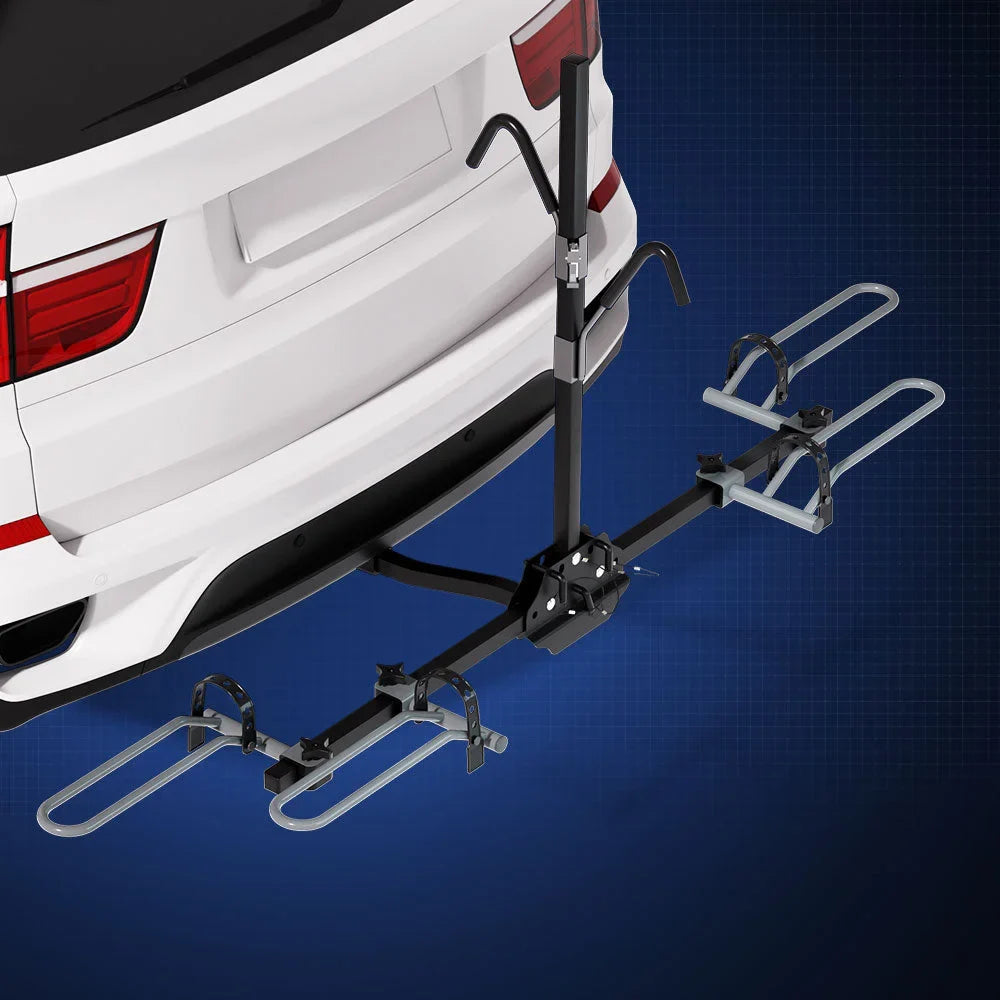
It’s a small piece of hardware, but it’s important. Some racks clamp directly onto that ball, others slide into a square hitch receiver, and a few don’t use the hitch at all. Knowing what’s on your car is step one; figuring out what type of rack you’re buying is step two.
When You Actually Need a Hitch Ball
Here’s where it gets clearer. If the rack you’re looking at is designed to sit over the ball and clamp onto it, then yes, you’ll need a hitch ball installed. Without it, you’ve got nothing for the rack to hold onto. These designs are popular because they feel solid, and they don’t require you to lift bikes above your head. You just drop the coupling over the ball, tighten a lever or lock, and it’s good to go.
But not every hitch rack works that way. A lot of modern hitch racks don’t touch the ball at all. Instead, they slide into the square hitch receiver, the socket bolted to the chassis. In this case, the ball isn’t needed because the rack connects directly to the receiver tube. So, whether you need a ball depends entirely on the design you choose.
Tow Ball Racks: A Straightforward Answer
Two-ball racks are even simpler to figure out. If you buy one, then yes, you need a tow ball. These racks are built to clamp around a standard 50mm ball. Without that part, there’s no connection point.
They’re particularly common in countries where cars are often sold with a tow ball already fitted. People like them because they’re quick to mount, easy to remove, and many tilt forward so you can still get into the boot with bikes loaded. They’re also compact, which makes them easier to store in a garage. But again, no ball means no rack.
What If You Don’t Have One at All?
A lot of cars don’t come with towing equipment. If yours doesn’t, you’ve still got options.
Some people use boot-mounted racks, which strap onto the back of the car with hooks and webbing. They’re budget-friendly and removable, making them good for occasional trips. The downside? They’re not as steady on motorways and, if you’re unlucky, the straps can rub against your paint.
Others go with roof racks. These carry bikes upright on top of the car, leaving the rear free. The catch is the lifting: getting a heavy mountain bike or e-bike onto the roof isn’t fun. They also add wind resistance, which you’ll notice at the petrol station.
And then there’s the “just make it fit” method , folding seats down and putting the bike inside. That works for a single bike if you don’t mind the hassle, but it’s not great for longer trips or multiple riders.
So, you don’t have to have a hitch or tow ball, but if cycling is a big part of your life, investing in one pays off in convenience and peace of mind.
Tow Ball Bike Rack vs Hitch Receiver
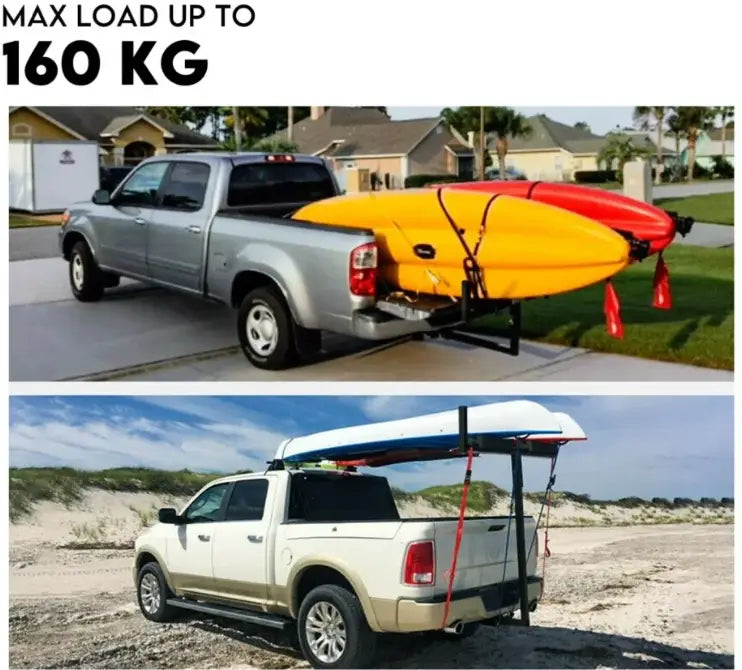 Both systems work, but they’re not identical. A tow ball rack clamps onto the rounded ball, while a hitch rack usually slots into a square receiver. Tow ball racks are popular in Europe and Australia; hitch receiver racks are more common in North America. Neither is “better” in a universal sense. The best one is simply the one that fits your car and your lifestyle.
Safety Matters More Than the System
Whichever type you end up with, safety comes down to how you use it. Always check the weight rating. E-bikes, in particular, can add up quickly, and it’s easy to overload a rack if you’re not paying attention. Secure each bike with the straps provided, double-check everything before you set off, and make sure your number plate and lights aren’t hidden. If they are, you’ll need a light board.
It’s also smart to give the rack a shake test before hitting the road. If it wobbles, something’s not tightened correctly. These little habits take a minute but save you from bigger headaches later.
Why We Like Tow Ball Racks at HomeMyGarden
At HomeMyGarden, we tend to recommend tow ball racks for everyday riders because they’re simple and compact. They don’t require you to haul bikes overhead, and most fold away neatly when not in use. For cars that already have a tow ball fitted, they’re one of the easiest solutions.
That said, hitch receiver racks are fantastic for bigger vehicles like SUVs or utes, especially if you’re hauling multiple heavy bikes. The point isn’t that one system is always better; it’s that the right rack is the one that matches your vehicle and the way you ride.
Wrapping It Up
So, do you need a hitch ball for a bike rack? Only if the rack is designed to clamp onto the ball. If it’s a receiver-style rack, you don’t. And do you need a tow ball for a bike rack? Yes, if it’s sold as a tow ball rack, without the ball, you can’t mount it.
If your car doesn’t have either, you can still use boot racks, roof racks, or even pack the bike inside, but those methods aren’t as stable or convenient. For regular riders, adding the right hitch or tow ball setup is worth the investment.
In the end, a bike rack isn’t just about transport. It’s about making cycling less stressful. With the right rack, you can focus on the ride ahead instead of worrying about whether your bikes will survive the journey. And that’s what really matters.